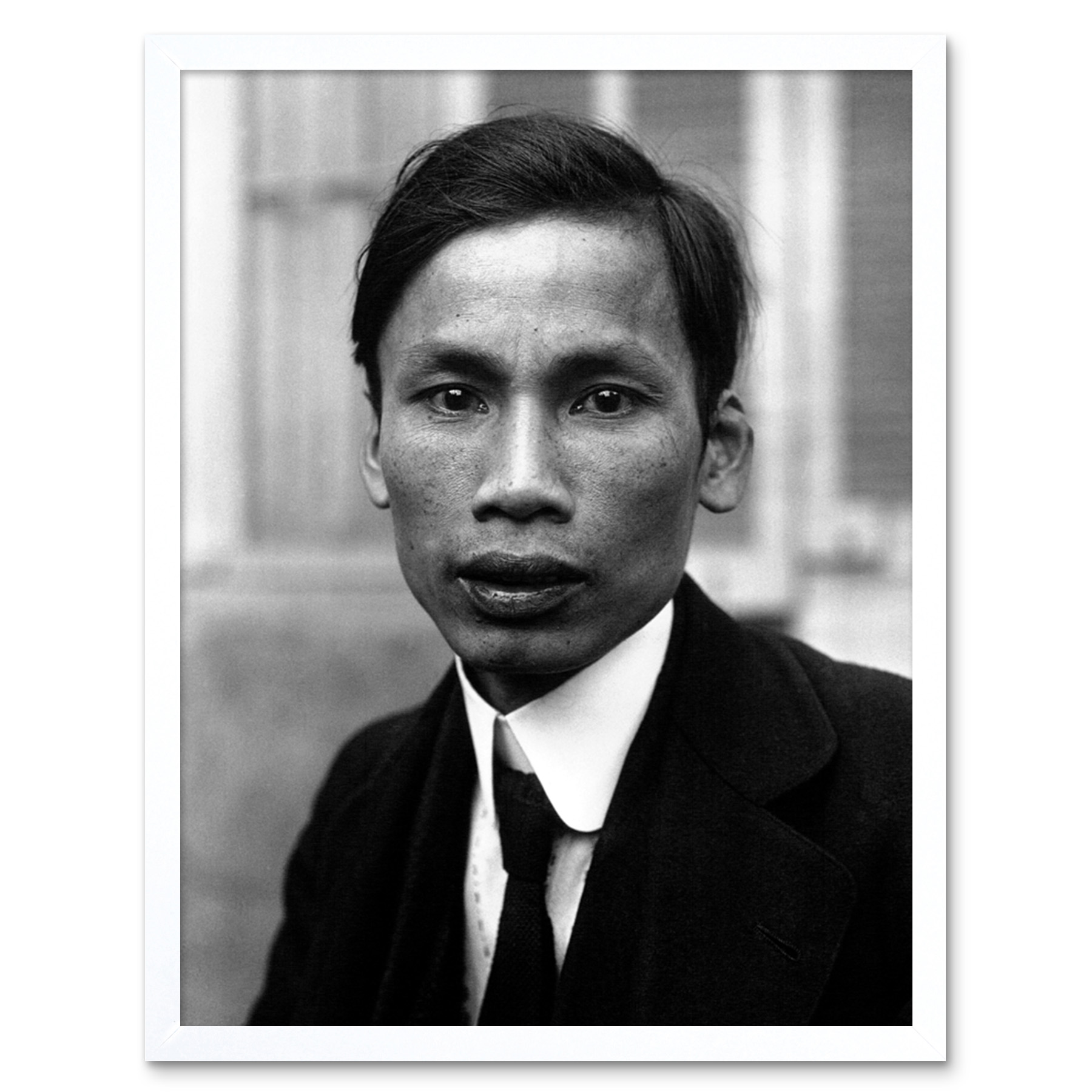
Ho Chong
 South Korea
politician•journalist•independence activist
Also known as: Heo Jeong, Huh Chung, Uyang
Birthday
April 8, 1896
Birth Sign
Aries
Birthplace
Busan, Korea
Age
Died at 92
About
Ho Chong was a South Korean politician, journalist, and independence activist. He served as acting President of South Korea in 1960 and as Prime Minister during the brief Second Republic. His career spanned the turbulent decades from Japanese colonial rule through the Korean War and the country's early democratic experiments. Ho Chong died on September 18, 1988, in Seoul, at the age of 92.
Known for his steady hand during a period of national crisis, Ho Chong is remembered as a transitional figure who helped guide South Korea from authoritarianism toward democracy. His legacy is tied to the April Revolution and the short-lived democratic government that followed.
Early Life & Background
Ho Chong was born on April 8, 1896, in Busan, a port city on Korea's southeastern coast, during the late Joseon Dynasty. Growing up in a period of foreign influence and internal decline, he witnessed Korea's annexation by Japan in 1910. This event shaped his early life and set him on a path of resistance.
He pursued a career in journalism, working as a reporter during the Japanese colonial era. This work exposed him to the realities of occupation and fueled his commitment to the Korean independence movement. As an activist, he participated in efforts to resist colonial rule, though specific details of his activities are not well documented in available sources.
After Korea's liberation in 1945, Ho Chong entered public service, drawing on his journalistic background and patriotic credentials. His early career in the new South Korean state is not extensively recorded, but he rose through the ranks of the government, eventually becoming Foreign Minister under President Syngman Rhee.
Career Growth
Ho Chong's most significant political role came in April 1960, when the April Revolution forced President Syngman Rhee to resign. As Foreign Minister, Ho Chong was appointed acting President on April 27, 1960, by the National Assembly. His tenure was brief but crucial, as the country transitioned from the authoritarian First Republic to the more democratic Second Republic.
During the Second Republic, Ho Chong served as Prime Minister under President Yun Posun. This period of democratic governance was short-lived, ending with Park Chung-hee's military coup in May 1961. After the coup, Ho Chong retired from active politics, living quietly until his death in 1988.
Throughout his career, Ho Chong was known for his integrity and dedication to public service. His leadership during the 1960 transition is often cited as a model of stability during a time of national upheaval.
Career Timeline
Public Image & Style
Ho Chong is remembered as a steady, transitional figure in South Korean political history. He is portrayed as a reliable leader who helped bridge the authoritarian First Republic and the democratic Second Republic during the turbulent spring of 1960. Media accounts emphasize his calm demeanor and commitment to democratic principles rather than any charismatic or flamboyant style.
As a historical figure from the mid-20th century, Ho Chong has no contemporary fandom or fan culture. His legacy is primarily preserved in history books and political science curricula, where he is cited as an example of principled leadership during a time of crisis.
Fame & Fandom (iFAMOUS Rankings)
Ho Chong never courted a crowd, nor did he ever seek the roar of a stadium. As a statesman who guided South Korea through the chaotic spring of 1960, his fame rests on the quiet gravity of office rather than the flash of celebrity. iFANN has evaluated his global standing and determined that Ho Chong does not currently hold a placement in the published rankings (Global Top 1,000 or a Top-100 scope list). This absence from the top tier reflects a legacy defined by history books rather than viral moments or chart-topping streams. While modern idols command armies of fans who flood subway stations with billboards, Ho Chong's audience consists of scholars, historians, and citizens who honor his role in the nation's transition from authoritarianism to democracy. There is no formal name for any fanbase associated with him; no organization exists to fund birthday campaigns or organize charity drives in his name. His influence is preserved through academic archives and government records, devoid of the ritualistic adoration found in pop culture. The silence surrounding his digital footprint speaks volumes about the nature of his impact: it was substantive and structural, not performative. He remains a figure of respect rather than fandom, remembered for his steady hand during a national crisis instead of any charismatic flair. Even decades after his death in 1988, the lack of a dedicated cult following underscores his position as a transitional leader rather than a cultural icon. His story is one of duty, captured in the quiet pages of history rather than the loud noise of social media trends.
Interesting Facts and Legends
Ho Chong's art name, Uyang, translates to 'friend of the seas,' a nod to his Busan birthplace. He was appointed acting President on April 27, 1960, and the very next day, the family of Rhee's associate Yi Kibung committed suicide, underscoring the chaos of that period. At age 64, he was one of the older figures to hold South Korea's highest office. He lived to see South Korea transform from post-war poverty to an emerging economic power, dying just months before the 1988 Seoul Olympics. His Wikipedia article exists in 17 languages, reflecting recognition across diverse linguistic communities. Historical accounts often highlight the specific moment he assumed the presidency, a time when the nation held its breath waiting for stability. Unlike modern stars whose lives are dissected for gossip, Ho Chong's life is marked by the weight of public service. He navigated the turbulent waters of the Second Republic without seeking personal glory. His legacy is tied to the April Revolution and the short-lived democratic government that followed. No viral incidents or legendary stage moments define his career; instead, his life is a reflection of the quiet endurance required of a statesman.
Family & Personal Life
Ho Chong was married to Baek Qui-ran. Details about their wedding date and children are not available in public records. His wife is the only family member mentioned in biographical sources.
Ho Chong's family life was private, and little is known about his household or personal relationships beyond his marriage.
Notable Connections
Ho Chong's political career intersected with several key figures of his era. He served as Foreign Minister under President Syngman Rhee, whose resignation in 1960 led to Ho Chong's appointment as acting President. He later worked with President Yun Posun during the Second Republic. The suicide of Yi Kibung's family, which occurred the day after Ho Chong became acting President, marked a dramatic moment in his tenure.
Relationships & Dating History
Ho Chong's personal life was notably private. He was married to Baek Qui-ran, but details about their courtship, wedding, or family life are not documented in available sources. The marriage is the only relationship recorded for him. Ho Chong died on September 18, 1988, and was married to Baek Qui-ran at the time of his death.
- MarriedBaek Qui-ran? - 1988Wife of Ho Chong; details of their marriage are not well documented.
Death & Aftermath
Died
September 18, 1988 (aged 92)
Death Place
Unknown
Cause of Death
Unknown
Net Worth (Estate Value)
$1 Million
iFANN Editorial Team estimate
No reliable net worth estimates exist for Ho Chong in historical records. As a career civil servant and journalist who lived from 1896 to 1988, his personal wealth was not a subject of public record. His income would have come from government salaries and possibly journalism work, but these figures are not documented. Given Korea's economic conditions during his lifetime, it is unlikely he accumulated substantial personal wealth. His estate, if any, has not been publicly valued. Per iFANN's editorial analysis, the total net worth attributed to Ho Chong stands at $1 Million. As of 2026, any financial legacy from Ho Chong would be minimal, with no notable posthumous earnings or estate management reported.
Awards & Accolades
View 1 records, honours and achievementsKnown For
Acting President of South Korea
1960 · Acting President
Prime Minister of South Korea
1960-1961 · Prime Minister
Foreign Minister of South Korea
Pre-1960 · Foreign Minister
Keywords
Sources
Quick Facts
- Profession
- politician, journalist, activist
- Born
- April 8, 1896
- Birthplace
- Busan, Korea
- Died
- September 18, 1988
- Death Place
- Seoul, South Korea
- Gender
- Male
- Spouse
- Baek Qui-ran
- Birth Sign
- Aries
- Art Name
- Uyang
Personal Details
- Full Name
- Ho Chong
- Spouse
- Baek Qui-ran
Frequently Asked Questions
Who was Ho Chong?
How old was Ho Chong when he died?
What is Ho Chong's net worth?
Was Ho Chong a president of South Korea?
Who was Ho Chong's wife?
Similar People
Join the community
fans discussing