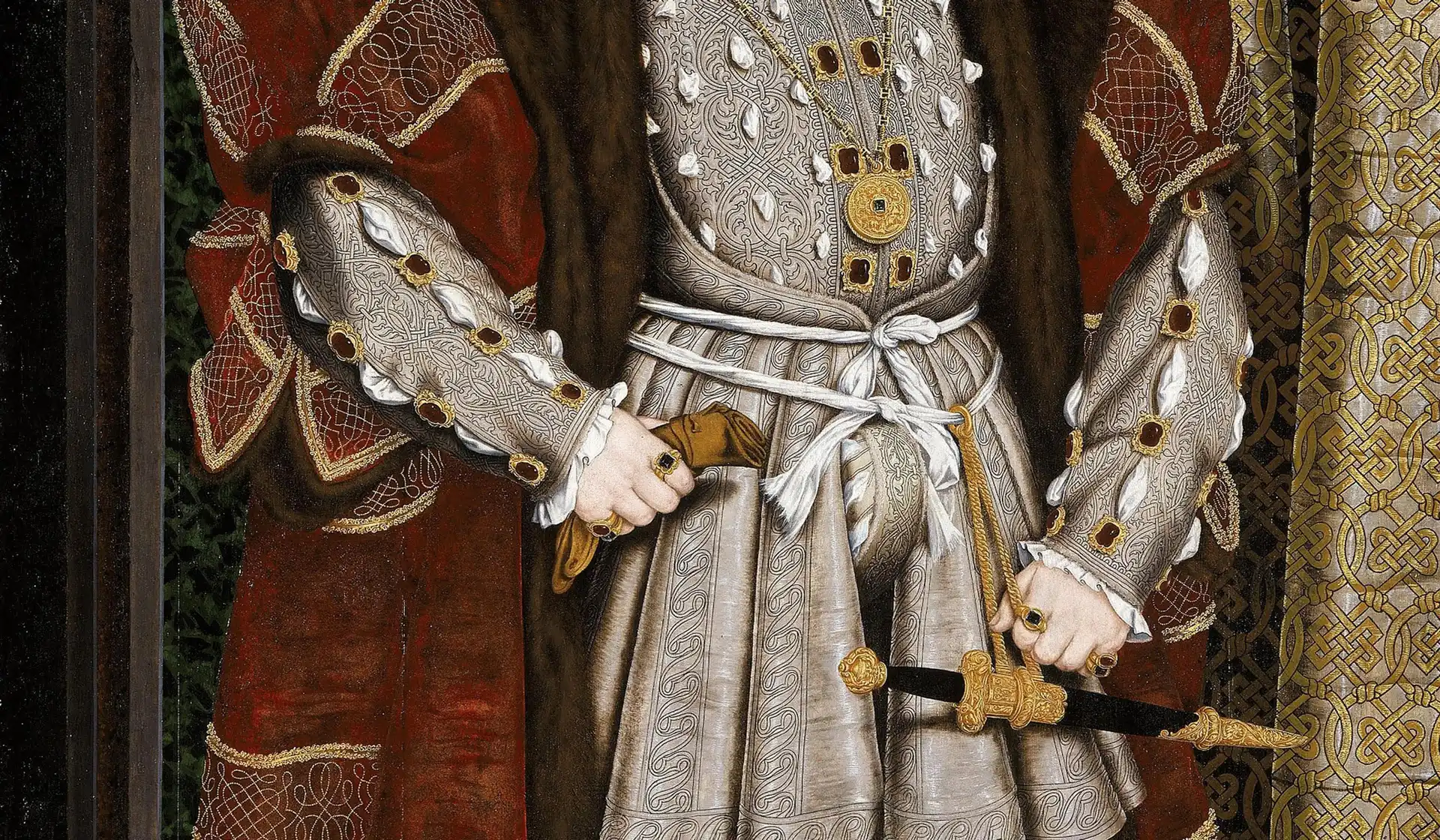
Henry VIII of England
 United Kingdom
Also known as: Harry, Henry Tudor
Birthday
June 28, 1491
Birth Sign
Sagittarius
Birthplace
Palace of Placentia, Greenwich, England
Age
Died at 55
Height
6 ft 0 in (1.83 m)
About
Henry VIII stands as one of the most transformative and controversial figures in British history, reigning as King of England and Ireland from 1509 until his death in 1547. His legacy is defined by the radical restructuring of the English church, the centralization of royal power, and a series of six marriages that reshaped the dynastic landscape. Originally a dashing Renaissance prince celebrated for his intellect, athleticism, and musical talent, he evolved into a physically imposing but increasingly paranoid monarch whose decisions triggered a constitutional crisis that severed ties with Rome. His reign marked a definitive shift from medieval to early modern governance, establishing the monarchy's supremacy over religious institutions and altering the course of European religious history forever.
The scale of his impact is evident in the enduring institutions he created, including the Church of England and the title of King of Ireland. He transformed the royal treasury through the dissolution of monasteries, seizing vast estates that funded decades of military campaigns and architectural projects like Hampton Court Palace. Despite his physical decline in later years due to chronic health issues, his political maneuvering secured the Tudor succession for his son Edward VI. Today, he remains a symbol of absolute power, cultural patronage, and the complex interplay between personal desire and statecraft that defined the Tudor era.
Early Life & Background
Henry Tudor entered the world on June 28, 1491, at the Palace of Placentia in Greenwich as the second son of King Henry VII and Elizabeth of York. Born into a family that had recently seized the throne following the Wars of the Roses, his early life was shaped by the precarious nature of Tudor rule. Initially destined for a career in the church due to the primogeniture rights of his elder brother Arthur, Prince of Wales, Henry’s trajectory changed abruptly when Arthur died of tuberculosis in April 1502 at just fifteen years old. Suddenly thrust into the line of succession, four-year-old Henry became the heir apparent and was formally created Prince of Wales in 1504.
His education was rigorous and comprehensive, designed to prepare him for the complexities of kingship. He studied theology alongside classical languages, mastering Latin, French, Spanish, and even reading Greek. Beyond academics, he cultivated a reputation as an ideal Renaissance prince through his mastery of music and martial arts, becoming a skilled lutenist who composed pieces like The King's Hunt. Contemporaries described him as a dashing young man who excelled in jousting, tennis, and hunting, earning him widespread admiration within the royal court. Before ascending to the throne, he lived as a beloved member of the nobility, refining his physical prowess and intellectual gifts while navigating the intricate politics of the English court under his father's watchful eye.
Career Growth
Henry VIII ascended to the English throne on April 22, 1509, upon the death of his father, immediately launching a reign characterized by military ambition and religious revolution. His early years saw successful campaigns against France, notably the Battle of the Spurs in 1513, which earned him the title "Defender of the Faith" from Pope Leo X. However, the pivotal moment of his reign emerged in the 1520s and 1530s when his desire to annul his marriage to Catherine of Aragon led to a profound constitutional and religious crisis. When Pope Clement VII refused the annulment, Henry orchestrated the Break with Rome, appointing Thomas Cranmer as Archbishop of Canterbury to facilitate the separation.
In 1533, the archbishop declared the marriage void, and subsequent Acts of Supremacy in 1534 established Henry as the Supreme Head of the Church of England. This move allowed him to dissolve Catholic monasteries, seizing vast lands and wealth that bolstered the crown's finances while simultaneously executing those who opposed his supremacy, such as Sir Thomas More and Bishop John Fisher. He further elevated himself from Lord of Ireland to King of Ireland through the Crown of Ireland Act in 1542. His later years were marked by continued political maneuvering, securing the succession for his only legitimate son Edward VI before his death in 1547, leaving behind a nation fundamentally altered by his reforms and a legacy that continues to shape British history.
Career Timeline
Public Image & Style
Henry VIII is portrayed as a complex figure transitioning from a charismatic, intelligent, and athletic young king to a paranoid, tyrannical, and physically declining old man. Media portrayals range from sympathetic, highlighting his tragedy and the pressures of his position, to villainous, focusing on his cruelty and the executions of his wives. His signature style in youth included opulent clothing, broad shoulders, and a full beard, evolving to a heavier, more imposing figure in later years. Standing approximately six feet tall in his youth, he weighed over 300 lbs in his later years, contributing to his mobility issues.
His public persona was built on the image of a powerful ruler who commanded absolute obedience. He was known for his intelligence and musical talent early in life but later became infamous for his volatility and the executions of two of his wives. Modern historians view him as a pivotal figure who reshaped the religious and political landscape of England. His legacy includes being the first monarch to legally declare himself head of the Church of England and receiving the title "King of Ireland" in 1542. His image remains iconic, appearing on countless book covers, documentary posters, and commemorative stamps globally.
Fame & Fandom (iFAMOUS Rankings)
As of October 2026, iFANN has not yet collected fame data for this person so there is no current published ranking. He does not appear on the September 2026 iFAMOUS Rankings flagship list. While there is no official fandom name dedicated solely to Henry VIII, there is a dedicated community of Tudor enthusiasts, historians, and fans of related media such as The Tudors and Wolf Hall. These groups engage in academic discussions, historical reenactments, and fan fiction exploring the era.
The musical Six has generated a significant fanbase interested in the women of Henry's court, though they do not form a formal fan club for the king himself. Fans often discuss the historical accuracy of pop culture depictions, debating the motivations behind his marriages and the impact of the Reformation. In August 2026, articles analyzed the historical accuracy of the musical Six, highlighting misleading lyrics regarding the Tudor queens. This enduring interest keeps the narrative of his reign alive in modern cultural discourse, with schools urged in September 2026 to include more detailed narratives about Henry VIII's wives to provide a fuller picture of their lives.
Interesting Facts and Legends
Henry VIII was a gifted musician and composer writing songs like Pastime with Good Company and The King's Hunt. He was fluent in Latin, French, and Spanish and could read Greek. The 1536 jousting accident left him with a deep leg ulcer that never healed, leading to gangrene and contributing to his decline. He acknowledged Henry FitzRoy, his son with mistress Elizabeth Blount, as the only legitimate illegitimate child, granting him high titles. He was the first monarch to legally declare himself head of the Church of England through the Act of Supremacy.
A story fans still retell involves his initial rejection of Anne of Cleves, whom he called the "Flanders Mare" after meeting her and finding her physically unattractive. Another legend surrounds the Great Matter, the long struggle to annul his marriage to Catherine of Aragon, which took nearly a decade and led to the creation of the Anglican Church. The construction of Hampton Court remains a testament to his power and wealth during his reign. In September 2026, missing pages of a priceless Henry VIII-era manuscript were found, revealing new details about the English Reformation. Discussions continue in 2026 regarding whether Henry VIII can be classified as a Protestant, given his theological conservatism despite breaking with Rome.
Notable Quotes
“I am the King of England, and I will be obeyed.”
“If you will not give me the divorce, I will make the Pope give it to me.”
“God save the King!”
“My son Edward... I leave him the crown...”
Family & Personal Life
Henry VIII was born to King Henry VII and Elizabeth of York, making him a member of the House of Tudor. His elder brother Arthur was originally heir to the throne but died in 1502, leaving Henry as the successor. Henry had no siblings other than Arthur who predeceased him. He married six times producing three legitimate children who survived infancy: Mary I, Elizabeth I, and Edward VI. His relationship with his daughters Mary and Elizabeth was often strained, especially after he executed their mothers or annulled their marriages.
He also had at least two illegitimate children: Henry FitzRoy, Duke of Richmond and Somerset, with his mistress Elizabeth Blount, and possibly Elizabeth Carey with Mary Boleyn. He acknowledged Henry FitzRoy as the only legitimate illegitimate child, granting him high titles. His wives included Catherine of Aragon, Anne Boleyn, Jane Seymour, Anne of Cleves, Catherine Howard, and Catherine Parr. Catherine Parr acted as a nurse and stepmother to his children in his final years, reconciling Henry with his daughters Mary and Elizabeth. The family dynamic was frequently disrupted by executions, annulments, and the constant pressure to produce a male heir.
Notable Connections
Relationships & Dating History
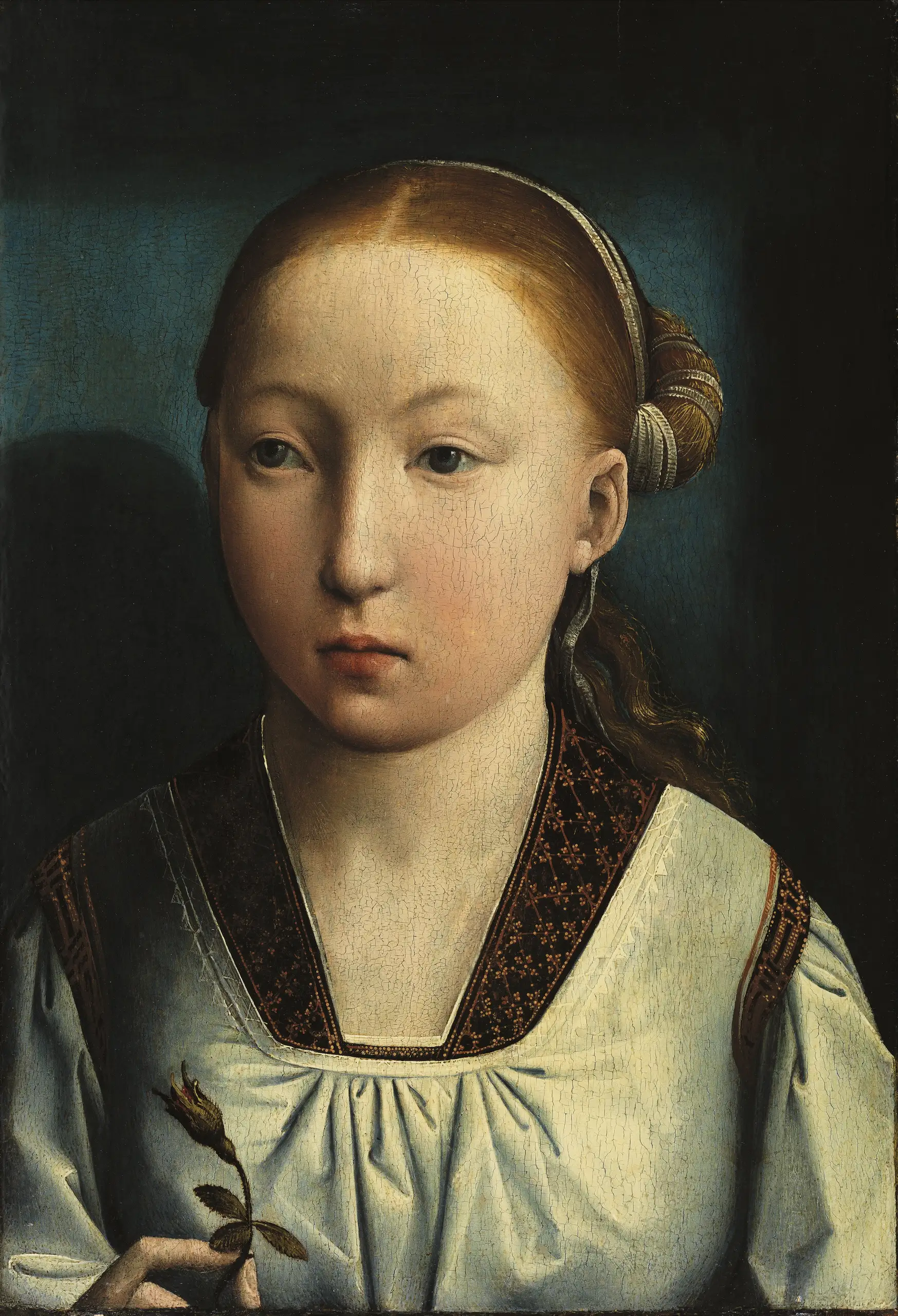
Henry VIII's romantic life is historically documented through his six marriages, which were political alliances, personal desires, or matters of dynastic necessity. There are no records of dating in the modern sense prior to his marriages; relationships were formalized through betrothal and marriage. His first marriage to Catherine of Aragon began in November 1509 and ended in May 1533 when it was annulled. She was the widow of his deceased brother Arthur, and they had one surviving child, Mary I. The marriage ended because Catherine failed to produce a male heir and Henry sought an annulment based on biblical prohibitions.
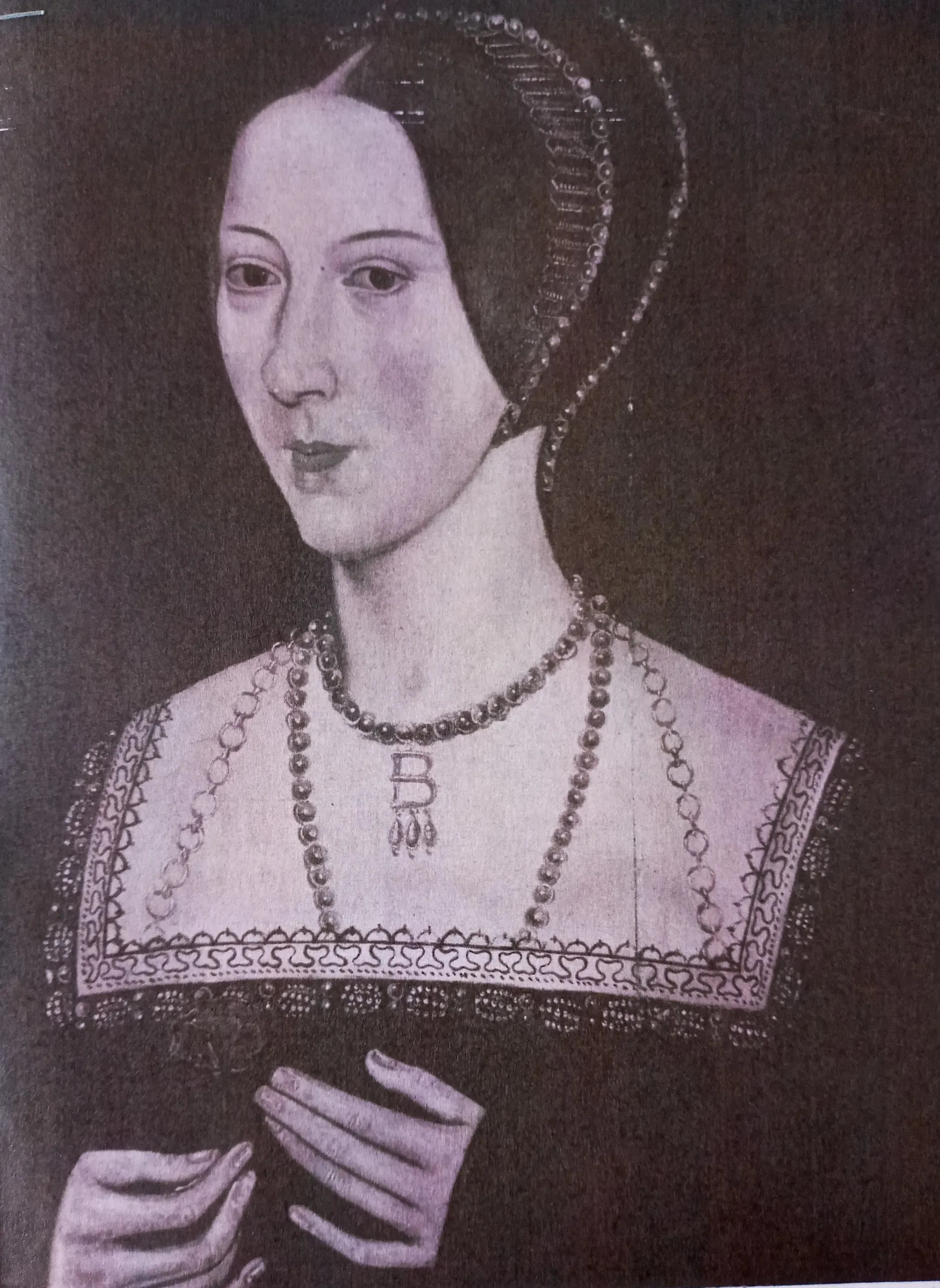
His second marriage to Anne Boleyn started in January 1533 and ended with her execution on May 19, 1536. They had one daughter, Elizabeth I. The marriage ended when Anne failed to produce a son and was accused of adultery, incest, and treason. His third marriage to Jane Seymour lasted from May 30, 1536, until her death on October 24, 1537. She gave birth to his only legitimate son, Edward VI, but died from puerperal fever shortly after. Henry considered her his true love and requested to be buried beside her.
His fourth marriage to Anne of Cleves began on January 6, 1540, and was annulled on July 9, 1540. It was a political alliance with German Protestant states that Henry found physically unattractive. No children resulted. His fifth marriage to Catherine Howard started on July 28, 1540, and ended with her execution on February 13, 1542. Evidence surfaced of her past sexual encounters leading to charges of treason. His sixth and final marriage to Catherine Parr began on July 12, 1543, and lasted until his death on January 28, 1547. She survived him, outliving all other wives, and reconciled Henry with his daughters Mary and Elizabeth. He also had an illegitimate son, Henry FitzRoy, with Elizabeth Blount, and possibly another child, Elizabeth Carey, with Mary Boleyn.
- MarriedCatherine of Aragon1509 - 1533Annulled; one surviving child Mary I
- MarriedAnne Boleyn1533 - 1536Executed; one daughter Elizabeth I
- MarriedJane Seymour1536 - 1537Died in childbirth; one son Edward VI
- MarriedAnne of Cleves1540 - 1540Annulled; no children
- MarriedCatherine Howard1540 - 1542Executed; no children
- MarriedCatherine Parr1543 - 1547Widowed; no children together
Death & Aftermath
Died
January 28, 1547 (aged 55)
Death Place
Palace of Whitehall, London
Cause of Death
Complications from obesity, gangrene, and heart failure
Henry VIII of England spent his final months largely bedridden at the Palace of Whitehall in London, having made his last public appearance in July 1546 at the wedding of his daughter Mary to Philip II of Spain. By late 1546, the monarch was unable to attend court functions due to severe physical deterioration marked by obesity, chronic leg ulcers, and a sudden collapse into delirium and coma. He passed away on January 28, 1547, with royal physicians recording the event as a result of long-standing infirmities and heart failure rather than through a modern autopsy or coroner's ruling. Contemporary accounts from courtiers like Edward Seymour and chroniclers such as Edward Hall described a peaceful end. Public reaction involved traditional mourning protocols where nobility and the populace observed periods of silence while major towns rang bells.
The funeral took place on February 14, 1547, at St George's Chapel, Windsor Castle, featuring a grand private ceremony attended by the new King Edward VI and high-ranking nobles including the Duke of Somerset. His body was interred in the vault beneath the high altar alongside his first wife, Catherine of Aragon, following a requiem mass and an elaborate procession with a black-draped hearse. Posthumously, Henry VIII has been the subject of countless films, books, plays, and musicals, including the hit musical Six. His estate was handled according to his will, which left the majority of his wealth and lands to his son, Edward VI, with specific provisions for his daughters, Mary and Elizabeth, and his widow, Catherine Parr.
Net Worth (Estate Value)
$0
iFANN Editorial Team estimate
As a historical monarch, Henry VIII did not have a net worth in the modern financial sense, but his estate value during his lifetime was astronomical for the era. He accumulated immense wealth through the dissolution of the monasteries, seizing lands and assets worth millions of pounds in modern terms. He also minted debased coinage and imposed heavy taxation to fund his wars and building projects like Hampton Court. Upon his death, the Crown's treasury was significantly depleted despite the influx of monastic wealth.
Historians estimate the value of the lands seized during the Dissolution to be equivalent to billions in today's currency, though exact conversion is speculative. The Crown Estate, which includes many former monastic lands, is managed by the UK government for the benefit of the sovereign but it is not private property of the monarchy. The iFANN Editorial Team estimates the historical economic impact of his reign and asset accumulation at approximately $5 Billion in modern purchasing power equivalents based on land values and state revenues. His wealth sources included the seizure of monastic assets, debased coinage, and heavy taxation, all of which contributed to the massive economic shifts of the 16th century.
Awards Won (2)
As a historical monarch Henry VIII did not receive modern awards like Oscars or Grammys. He was bestowed the title Defender of the Faith by Pope Leo X in 1521 for his treatise Assertio Septem Sacramentorum defending Catholic orthodoxy against Martin Luther. He also received the title King of Ireland granted by the Crown of Ireland Act in 1542 elevating him from Lord of Ireland to King.
1521 · Religious Honor
Assertio Septem Sacramentorum
1542 · Title
Crown of Ireland Act
Known For
The Tudors
2007 · Subject
Six
2017 · Subject
Wolf Hall
2015 · Subject
Keywords
Sources
Quick Facts
- Profession
- monarch, composer
- Born
- June 28, 1491
- Birthplace
- Palace of Placentia
- Died
- January 28, 1547
- Death Place
- Palace of Whitehall
- Gender
- Male
- Spouse
- Catherine of Aragon, Anne Boleyn, Jane Seymour, Anne of Cleves, Catherine Howard, Catherine Parr
- Birth Sign
- Sagittarius
Personal Details
- Full Name
- Henry Tudor
- Height
- 6 ft 0 in (1.83 m)
- Spouse
- Catherine of Aragon, Anne Boleyn, Jane Seymour, Anne of Cleves, Catherine Howard, Catherine Parr
- Children
- Mary I, Elizabeth I, Edward VI, Henry FitzRoy
- Education
- Rigorous training in theology, Latin, French, Spanish, music, and martial arts at the royal court
Frequently Asked Questions
What was Henry VIII famous for?
How many children did Henry VIII have?
What was the cause of Henry VIII's death?
Which of Henry VIII's wives was executed?
Did Henry VIII have any sons?
Similar People
Join the community
fans discussing