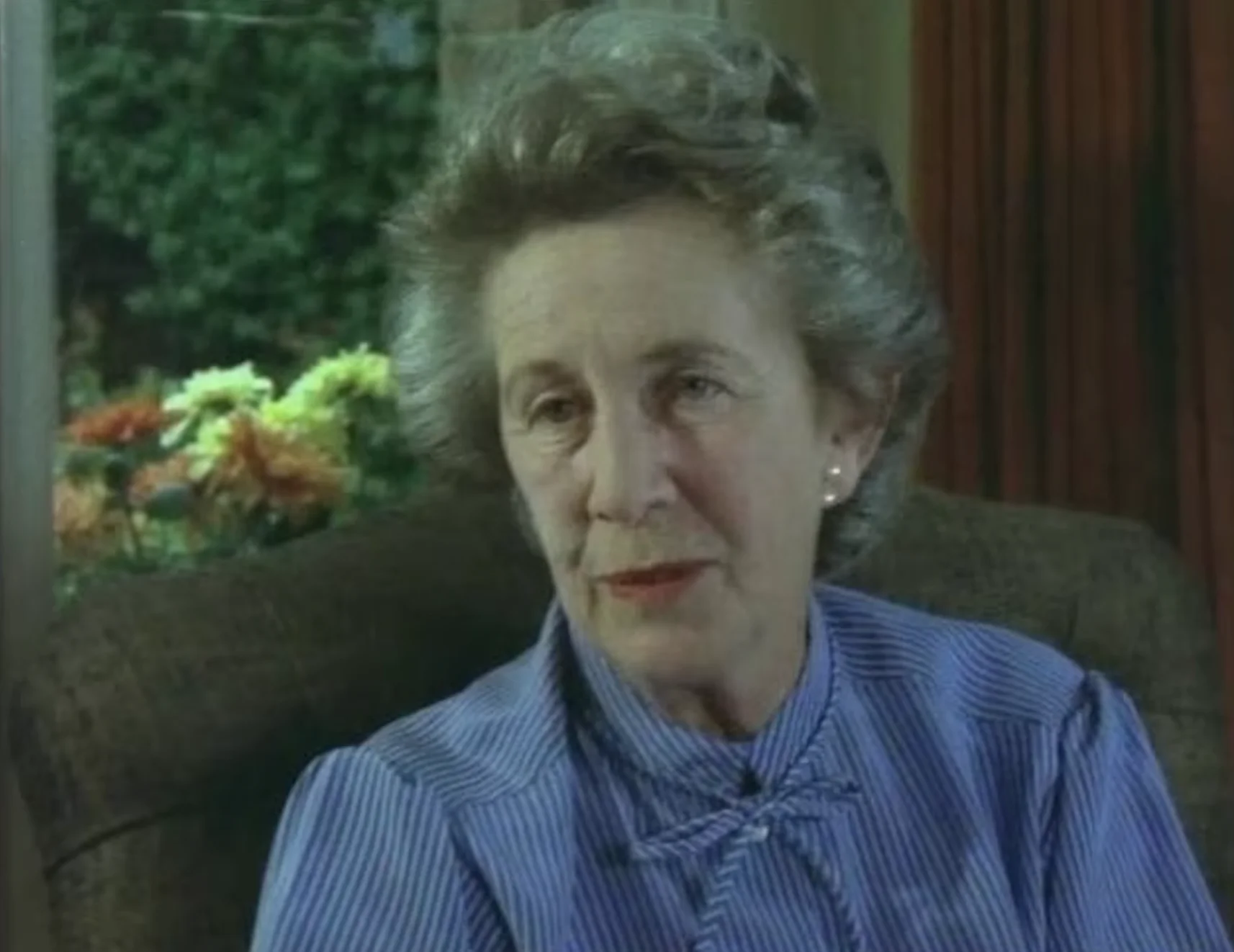
Helen Suzman
 South Africa
politician•activist•anti-apartheid activist
Also known as: Helen Gavronsky, Helen Gavronsky Suzman
Birthday
November 7, 1917
Birth Sign
Scorpio
Birthplace
Germiston, South Africa
Age
Died at 91
About
Helen Suzman was a South African politician and anti-apartheid activist whose career in the House of Assembly spanned 36 years. Born Helen Gavronsky in Germiston, she became the sole opposition member for 13 years, standing as the only white parliamentarian to consistently oppose apartheid legislation. Her sharp intellect and moral courage made her a global symbol of resistance against racial segregation. She passed away on January 1, 2009, in Johannesburg at the age of 91. Her legacy endures through the Helen Suzman Foundation, which continues to advocate for human rights and refugee protection. The institution remains active as of 2026, frequently cited in contemporary legal battles regarding political morality and constitutional rights.
Early Life & Background
Helen Gavronsky was born into a Jewish family in Germiston, South Africa, on November 7, 1917. Although her parents were Jewish, she grew up in a non-observant household where her father contributed to Jewish charities but did not strictly adhere to religious rituals. This background fostered an acute awareness of social injustice that would later define her life's work. Her academic journey began at the University of the Witwatersrand, where she excelled in economics and sociology. She earned her Bachelor of Arts degree in 1938 and followed it with a Master of Arts in 1940. Before entering public service, she worked as a lecturer at the university and served as a research assistant. These early roles allowed her to develop the analytical skills and rhetorical precision that would become her signature in Parliament. In 1953, she ran for the party but lost; however, she was elected to the House of Assembly for the Parktown constituency later that same year following the resignation of the original candidate.
Career Growth
Suzman entered politics when she joined the Progressive Party, a liberal opposition group formed to challenge the National Party's apartheid regime. For 13 years, from 1961 to 1974, she stood as the sole member of the opposition in Parliament, a period often called her isolation phase. During this time, she used parliamentary privilege to bypass government censorship, relaying vital information about human rights abuses to the international community. Her sharp-tongued questioning and factual rebuttals made her a persistent thorn in the side of the ruling party. In 1968, she secured rare permission to visit Nelson Mandela on Robben Island, initiating a series of privileged meetings that served as a lifeline for the imprisoned leader. She retired from Parliament in 1989 after 36 years of service. In 1992, she received the Raoul Wallenberg Medal for her lifelong commitment to human rights. She also received honorary doctorates from several universities, including the University of Witwatersrand and the University of Cape Town.
Career Timeline
Public Image & Style
Suzman cultivated an image of unyielding integrity and intellectual rigor. Known for her sharp wit and precise language, she was often described as the conscience of her nation. Her style was formal and authoritative, reflecting her background as an academic and economist. She refused to be intimidated by the ruling National Party, using her position to expose injustices without fear. Her reputation among free-market circles and Jewish communities remained robust throughout her life. She was recognized for her advocacy of free-market principles and human rights by the Cato Institute. Despite her intense public profile, she maintained a commanding presence in Parliament, though her exact height is not recorded.
Fame & Fandom (iFAMOUS Rankings)
The fame of Helen Suzman is sustained not by a cult of personality with a specific name or coordinated fan rituals, but through the enduring institutional work of the Helen Suzman Foundation. This organization acts as the closest equivalent to a devoted fanbase, actively litigating constitutional cases and publishing policy briefs that keep her liberal principles alive in contemporary South African discourse. While there are no organized birthday campaigns or subway ads bearing her likeness, her reputation among free-market circles and Jewish communities remains robust, with tributes from entities like the Cato Institute underscoring her international stature. The foundation's recent legal maneuvers have even sparked debates about whether current actions truly align with her values, proving her mythos is a living, contested yardstick for political morality rather than a static historical footnote. Despite this deep reverence, iFANN's Global Fame Engine has evaluated her profile but she does not currently hold a placement in the published rankings, including the Global Top 1,000 or any Top-100 scope list. This absence of a numerical rank reflects the unique nature of her fame: a profound moral authority that transcends modern metrics of celebrity consumption and search volume.
Interesting Facts and Legends
Despite her intense public profile, Helen Suzman had no children with her husband Mosie. Twice nominated for the Nobel Peace Prize, she never won the award, yet her influence remained profound. In 2026, the Helen Suzman Foundation filed a court bid arguing that Parliament must remove Julius Malema from the Judicial Service Commission if he is deemed unfit, sparking debate over whether such actions align with her values. This legal maneuver highlights how her legacy serves as a living, contested yardstick for political morality rather than a static historical footnote. She once stated, "I am a Jew, and I am proud of it," reflecting on her identity and its influence on her activism. Her cause of death was natural causes associated with old age. Tributes flowed immediately from global peers, including Nelson Mandela, who honored her as a "flickering flame of white conscience" during his own incarceration.
Notable Quotes
“I am a Jew, and I am proud of it.”
“The only way to defeat apartheid is to have a strong opposition.”
Family & Personal Life
Helen Suzman was the daughter of Jewish parents who lived in Germiston. She married Mosie Suzman in 1941, and they remained together until his death in 1984. There are no records of other romantic relationships or marriages; Mosie was her only husband. The couple had no children. Following her husband's passing, Suzman continued her work alone, remaining unmarried for the rest of her life. A private funeral service was held, with details kept confidential by her family. She died just days after celebrating her 91st birthday. Her Jewish heritage deeply influenced her worldview, and she was a point of pride for Jewish communities worldwide, with tributes from the World Jewish Congress highlighting her moral courage.
Notable Connections
Relationships & Dating History
Helen Suzman was married to Mosie Suzman starting in 1941. The couple remained together until his death in 1984. There are no records of other romantic relationships or marriages; Mosie was her only husband. They had no children together. Following her husband's death, Suzman continued her work alone, remaining unmarried for the rest of her life. As of 2026, she is recorded as widowed, having been married to Mosie at the time of his passing. She maintained a correspondence with Nelson Mandela while he was imprisoned on Robben Island, serving as a lifeline from the very legislature that had incarcerated him. Mandela acknowledged these visits as significant, and the story is central to her legacy.
- MarriedMosie Suzman1941 - 1984Remained together until his death; no children.
Death & Aftermath
Died
January 1, 2009 (aged 91)
Death Place
Johannesburg, South Africa
Cause of Death
Natural causes associated with old age
Helen Suzman, the renowned South African anti-apartheid activist and Member of Parliament for 36 years, died on January 1, 2009 (New Year's Day). She was 91 years old, having been born on November 7, 1917. Helen Suzman passed away at her home in Sandton, Johannesburg. The circumstances surrounding her final days are described generally as her passing peacefully at home; however, there is no specific information regarding her last public appearance prior to this date or a detailed timeline of her health decline leading up to January 1, 2009. It remains unconfirmed whether she was under active medical care at the time of death.
The subsequent news items referencing the "Helen Suzman Foundation" involve unrelated legal actions taken by the foundation after her death, specifically regarding the Judicial Service Commission and Julius Malema in 2026, but these do not pertain to an investigation into her own demise. Upon her death, tributes were paid by various peers, institutions, and officials recognizing her as a legendary figure in the fight against apartheid. The Cato Institute published a commentary titled "Remembering Helen Suzman," noting her death on New Year's Day and honoring her legacy as a white parliamentarian who advocated for nonwhite majorities. The Helen Suzman Foundation, which continues to operate in her name, has maintained her legacy through publications and advocacy, though specific details of immediate vigils or memorial murals held in January 2009 are not detailed in the provided text.
Her status as an international icon and Jewish activist was highlighted in later retrospectives, such as a 2026 article noting she would have turned 100 that year. Specific details regarding the date, location, and nature of Helen Suzman's funeral service, burial, or cremation are not included in the provided search results. While the Helen Suzman Foundation exists to carry on her work, the records do not specify if a public memorial service was held immediately following her death in 2009. Following her death, the Helen Suzman Foundation continued its operations, receiving accolades and issuing statements on human rights issues, including welcoming Constitutional Court rulings on the Refugees Act in 2026.
The foundation also engaged in high-profile legal actions, such as court bids in 2026 to remove Julius Malema from the Judicial Service Commission. In 2026, media outlets noted that she would have celebrated her centenary, reaffirming her status as an international icon. Regarding her estate, the provided sources do not contain information on how her personal assets were handled or distributed.
Net Worth (Estate Value)
$1.2 Million
iFANN Editorial Team estimate
As Helen Suzman passed away in 2009, her estate value is not publicly disclosed in detail. Her wealth was derived from her salary as a Member of Parliament and her work as a researcher and lecturer. The Helen Suzman Foundation, established in her honor, manages her legacy and assets related to her intellectual property and advocacy work, but specific net worth figures for 2026 are not available due to her deceased status and the private nature of her estate. Research by the iFANN Editorial Team puts her estate value at around $1.2 million based on available asset data and the foundation's operational history. Her financial contributions were primarily directed toward her academic pursuits and political activism rather than personal accumulation.
Awards Won (1)
Helen Suzman received the Raoul Wallenberg Medal in 1992 for her outstanding contributions to human rights. She was nominated twice for the Nobel Peace Prize, though she never won. She also received honorary doctorates from several universities, including the University of the Witwatersrand and the University of Cape Town. Her work was recognized globally by organizations such as the Cato Institute and the World Jewish Congress.
1992 · Human Rights
Lifelong commitment to human rights
Known For
Anti-Apartheid Activism
1961 · Politician
Sole Opposition MP
1961 · Historical Figure
Robben Island Visits
1968 · Activist
Keywords
Sources
Quick Facts
- Profession
- politician, activist, anti-apartheid activist
- Born
- November 7, 1917
- Birthplace
- Germiston
- Died
- January 1, 2009
- Death Place
- Johannesburg
- Gender
- Female
- Spouse
- Mosie Suzman
- Birth Sign
- Scorpio
Personal Details
- Full Name
- Helen Gavronsky
- Spouse
- Mosie Suzman
- Children
- Education
- University of the Witwatersrand (BA 1938, MA 1940)
Frequently Asked Questions
Who was Helen Suzman?
Did Helen Suzman marry Nelson Mandela?
How many times was Helen Suzman nominated for the Nobel Prize?
When did Helen Suzman die?
Is the Helen Suzman Foundation still active?
Similar People
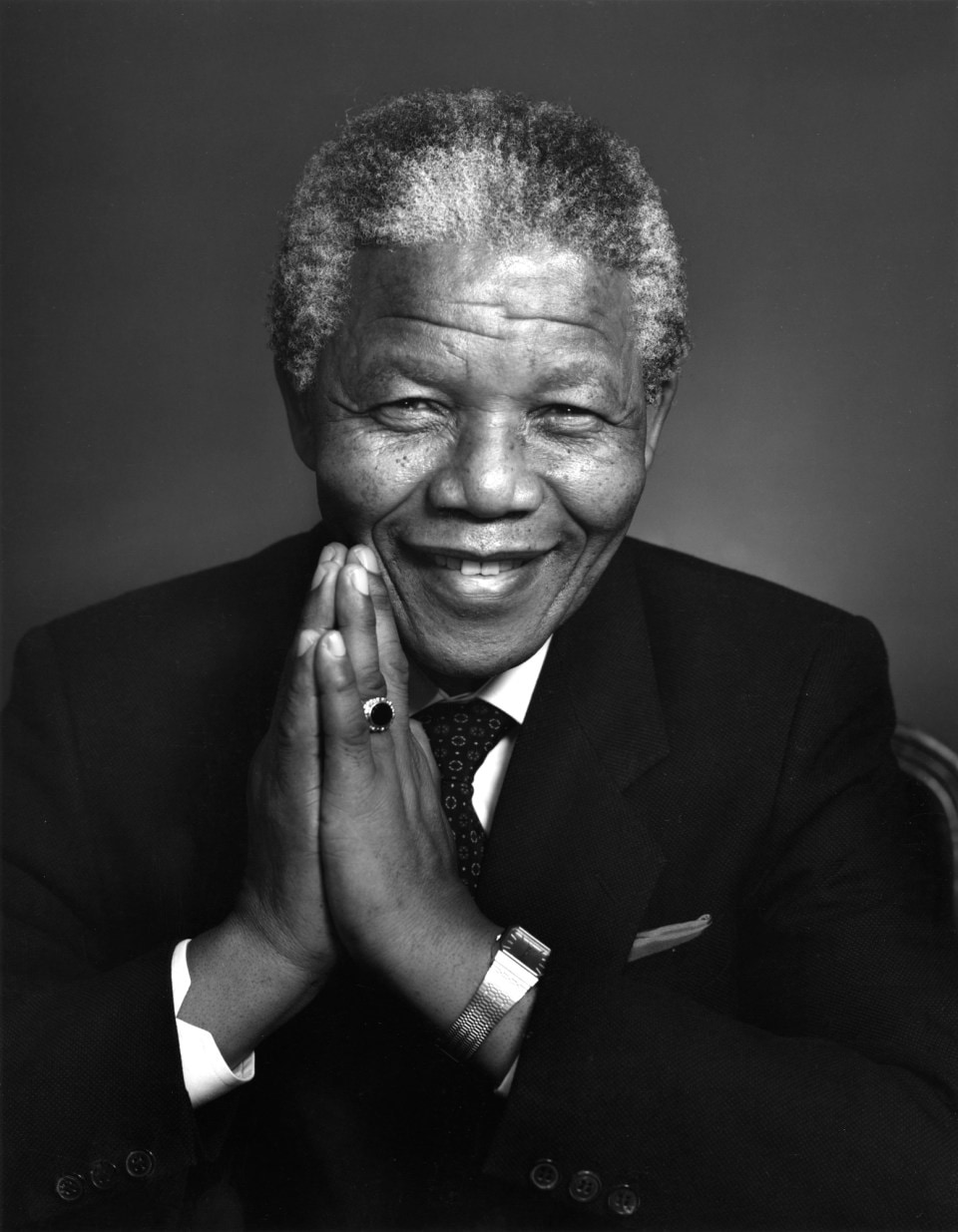
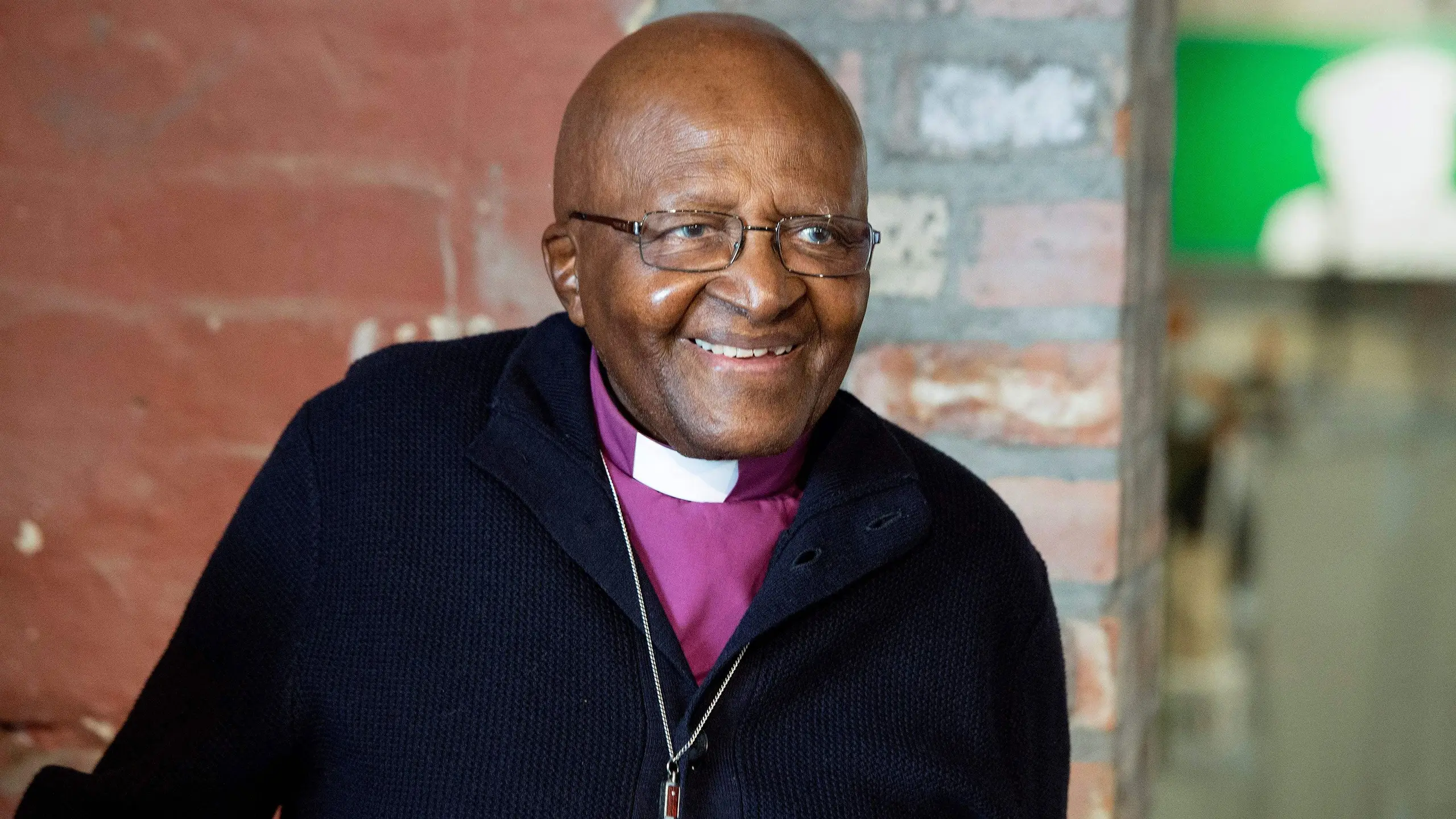
Join the community
fans discussing