Magma
Pioneers of Zeuhl, crafting apocalyptic operas in a language of their own.
20
Members
About
Magma is a French progressive rock band founded in Paris in 1969 by drummer Christian Vander. Vander's unsettling vision of humanity's spiritual and ecological future gave birth to a new musical language: Zeuhl. This genre fuses complex, jazz-inflected rock with operatic vocals, all sung in Kobaïan, a fictional language Vander invented. The band's early albums form a space opera about a group escaping a dying Earth to colonize the planet Kobaïa, with later works exploring different mythologies while retaining the unique vocal sound.
Magma's influence extends beyond their own discography, shaping a niche but devoted worldwide following. Their label, Seventh Records, was established in 1986 to ensure their catalog stayed in print. Over five decades, Magma has maintained a dedicated live presence, performing at major festivals and venues, and continues to release new music and revisit classic works.
Formation Story
Christian Vander was a self-taught drummer in Paris in the late 1960s, already a veteran of the city's jazz scene, when a profound and disturbing vision hit him. He saw a future where humanity's spiritual and ecological recklessness led to catastrophe. This apocalyptic imagery demanded an outlet, and in 1969 he assembled a group of like-minded musicians to channel it. The original lineup included bassist Laurent Thibault, guitarist Claude Engel, and vocalist Klaus Blasquiz, among others.
The band's name, Magma, came from Vander's desire to capture the raw, molten energy of creation. They rehearsed intensely, developing a sound that was unlike anything else at the time. Vander also began crafting Kobaïan, a synthetic language designed to convey pure musical emotion rather than literal meaning. The first album, Kobaïa, released in 1970, introduced the world to this strange new universe. It told the story of a group of people fleeing a dying Earth to settle on the planet Kobaïa, setting the stage for a series of concept albums.
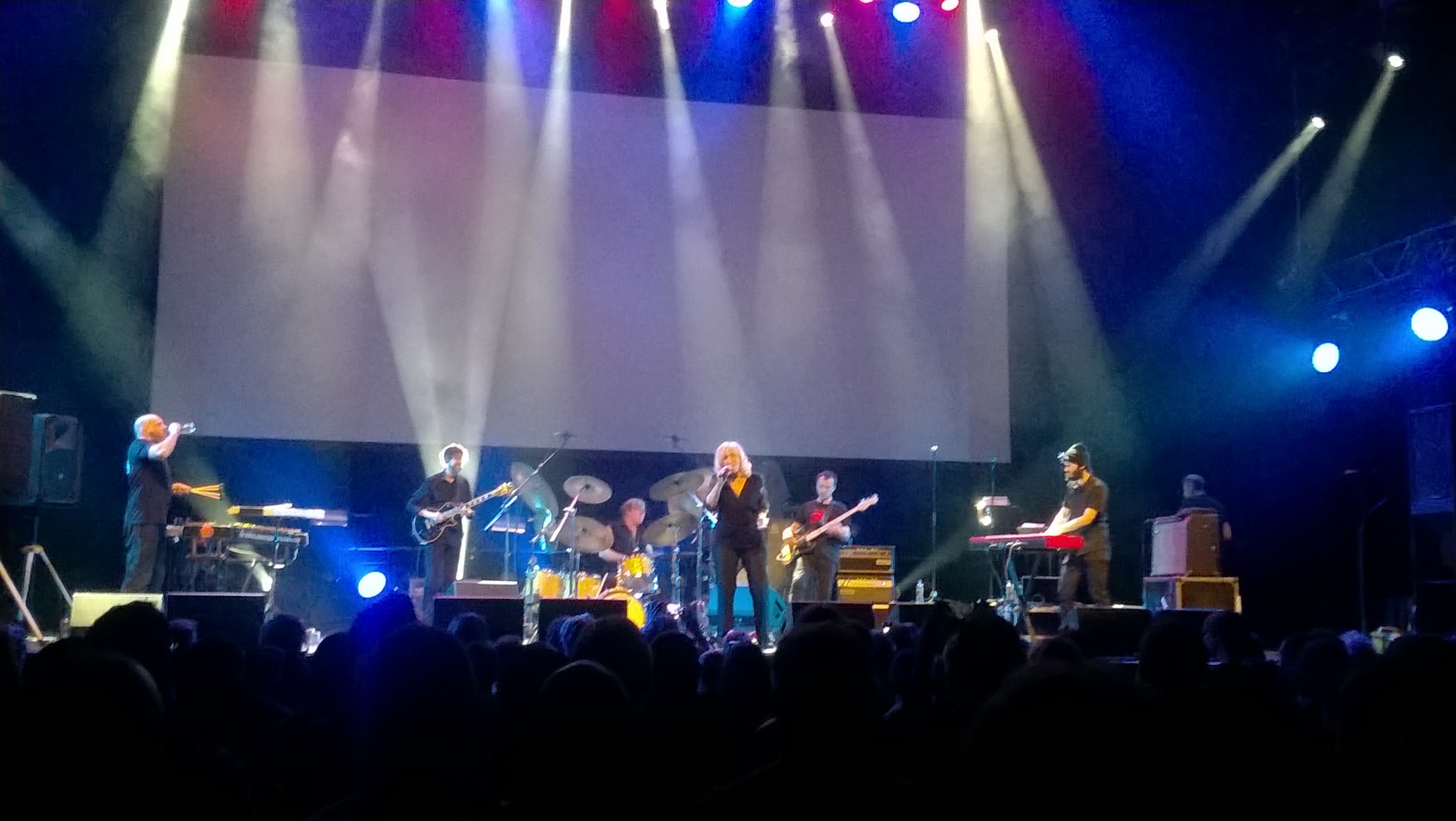
Early performances were as intense as the recordings, with Vander's ferocious drumming and the choir-like vocals creating a ritualistic atmosphere. Magma quickly gained a cult following in France, though mainstream success remained elusive. Over the years, the lineup shifted frequently, with over 20 musicians passing through the ranks, but Vander remained the constant creative force. By the mid-1970s, albums like Mekanïk Destruktïw Kommandöh had established Magma as pioneers of a new subgenre, later dubbed Zeuhl by critics.
Members
Musical Style
Magma's sound is built on a foundation of thunderous, polyrhythmic drumming, often anchored by Vander's powerhouse playing. Over this, layered vocals, often in unison or harmony, deliver Kobaïan lyrics, creating an operatic, almost liturgical effect. The music frequently shifts between complex time signatures and sudden dynamic changes, drawing from jazz fusion, classical avant-garde, and rock. Bass lines are often prominent and melodic, while keyboards and horns add texture.
Zeuhl, the genre Magma essentially invented, is characterized by this intense, hypnotic repetition and emotional intensity. While early albums were strictly space opera, later works like Üeber-Zeuhl and Attahk explored more abstract and historical themes. The Kobaïan language remains a constant, its sounds chosen to fit the music's mood rather than convey a literal story. This approach has influenced not only French bands but also a wave of Japanese groups in the 1990s and 2000s who embraced Zeuhl's grandeur.
Discography
| Title | Year |
|---|---|
| Kobaïa | 1970 |
| 1001° Centigrades | 1971 |
| The $1001 Night$ Tale | 1971 |
| Mekanïk Destruktïw Kommandöh | 1973 |
| Wurdeltak | 1974 |
| U Gantchïk | 1974 |
| Zëss | 1977 |
| Üeber-Zeuhl | 1977 |
| Attahk | 1978 |
| Retrospektïw I & II | 1980 |
| Mercy 7 | 1980 |
| Théâtre antique de Fourvière | 1980 |
| Les Voix de la Nature | 1981 |
| Félicité | 1981 |
| Pièces pour... | 1981 |
| Merci | 1981 |
| 1002 | 1984 |
| Mythes et Légendes | 1985 |
| Magma | 1987 |
| BBC 1974 | 1994 |
| Concert 1975 | 1996 |
| Inedits | 1999 |
| Baba Yaga | 2000 |
| YME | 2001 |
| K.A. | 2004 |
| M.D.K. | 2005 |
| Z.E.U.H.L. | 2006 |
| Live in Tokyo | 2007 |
| R.I.P. | 2007 |
| Mekkanïk | 2008 |
| 2005 Concert | 2009 |
| Élégie | 2012 |
| Félicité | 2012 |
| BBC 1974 | 2014 |
| The Essential Magma | 2015 |
| Live in London | 2016 |
| French Connection | 2016 |
| Marquee Moon | 2017 |
| Slagwerk | 2018 |
| Kobaïa | 2019 |
| Live Paris 2019 | 2020 |
| The Music of Magma | 2021 |
| House of the Holy | 2022 |
| Magma: Live at the Zenith | 2023 |
Cultural Impact
Magma's creation of Zeuhl carved out a unique niche in progressive rock, influencing bands in France and Japan, such as Ruins and Koenji Hyakkei. Their use of a fictional language predated similar experiments in other genres, and their concept albums set a precedent for ambitious storytelling in rock. The band's intense live performances have become legendary, with fans traveling from around the world to witness the ritual-like shows.
While never a mainstream act, Magma's impact is felt in the experimental music community, where they are revered as innovators. Their music has been sampled and covered by various artists, and their albums continue to be reissued and discovered by new generations. The dedication of their fanbase, who often learn Kobaïan phrases, speaks to the deep connection their music fosters.
Fandom Culture
Magma fans, often called "Kobaïans" in tribute to the band's mythology, are known for their passionate devotion. Their live shows are communal experiences, with audiences often singing along to Kobaïan refrains. The band's official website and social media maintain a strong connection with these fans, who eagerly await each new release. While there is no official fandom name or lightstick, the sense of belonging is strong, with fans sharing rare recordings and analyses online.
Awards & Accolades
Milestones
Formation of Magma in Paris
Release of debut album Kobaïa
Founding of Seventh Records
Trivia
Christian Vander's inspiration for Magma came from a 'vision of humanity's spiritual and ecological future' that he found deeply disturbing.
Kobaïan, the language used in Magma's lyrics, was created by Vander and is based on Slavic and Germanic phonetic elements.
Seventh Records, the label that releases Magma's music, was founded in 1986 specifically to keep their catalog available.
Magma has had over 20 members throughout its history, with Christian Vander being the only constant.
The band's first album, Kobaïa, was released in 1970 and introduced the concept of the planet Kobaïa.
Keywords
Sources
Quick Facts
- Type
- Rock Band
- Formed
- 1969
- Origin
- Paris
- Label
- Seventh Records
- Genres
- progressive rock, Zeuhl, jazz fusion
- Members
- 20
- Status
- Active
Group Info
- Formed
- 1969
- Debut
- 1970
- Debut Song
- Kobaïa
- Origin
- Paris
- Label
- Seventh Records
- Status
- Active
Social Media
Join the community
fans discussing