 France
About
Francis Moze is a French bass player and pianist, best known for his foundational role in the progressive rock band Magma and his later work with Gong and Pierre Moerlen's Gong. Born on February 2, 1946, he has spent over five decades shaping the sound of European progressive rock, both as a co-founder of Magma and as a session player on some of the genre's most influential albums.
Today, Moze is regarded as a cult figure among progressive rock enthusiasts, celebrated for his fluid bass lines and his ability to move between the heavy, complex rhythms of Magma and the more whimsical, psychedelic textures of Gong. While he never achieved mainstream fame, his contributions to albums like Flying Teapot and Gazeuse! have earned him a dedicated following among fans of 1970s progressive and jazz-rock.
Early Life & Background
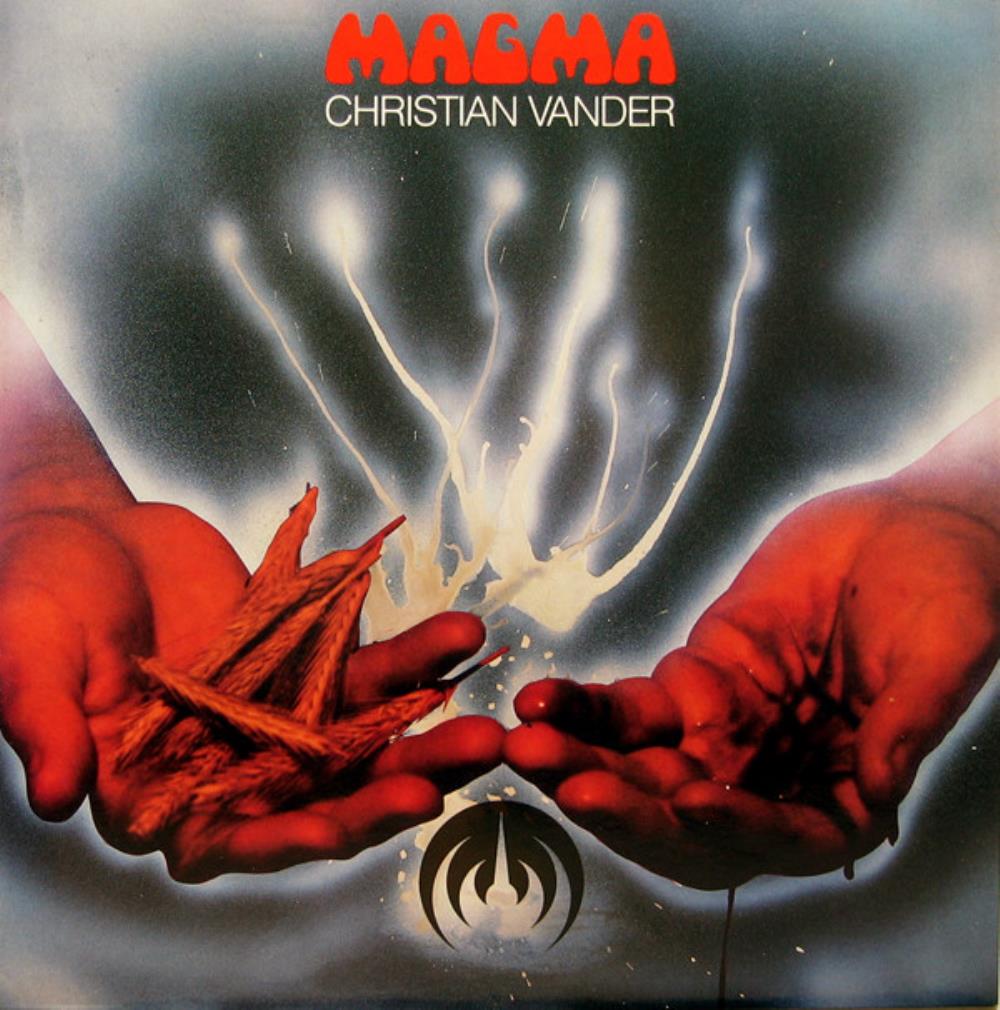
Francis Moze was born in France on February 2, 1946. Details about his early childhood and family are scarce, but his musical journey began in the late 1960s when he became involved in the nascent Parisian progressive rock scene. He was one of the original members of Magma, the band founded by drummer Christian Vander in 1969, and played bass in the group's earliest incarnation.
Moze's time with Magma was brief but formative. He left the band before they recorded their debut album, but his early involvement helped establish the group's avant-garde direction. After leaving Magma, he was introduced to the Franco-British band Gong by Giorgio Gomelsky, a pivotal figure in the European underground music scene. This connection would lead to his most celebrated work.
Before joining Gong, Moze also played with Peter Lemer's trio in London, where he honed his skills alongside drummer Laurie Allan. These early experiences in the Paris and London underground scenes shaped his versatile approach to bass and piano, blending rock, jazz, and experimental influences.
Career Growth
Francis Moze's breakthrough came in 1973 when he played bass on Gong's album Flying Teapot, a cornerstone of the band's Radio Gnome Invisible trilogy. His work on the album helped define the group's psychedelic jazz-rock sound, and it remains a cult favorite among progressive rock fans.
In 1976, Moze rejoined what had become Pierre Moerlen's Gong for the album Gazeuse!, released as Expresso in the United States. The album showcased his bass playing alongside the band's intricate percussion and is considered a highlight of the jazz-rock genre.
After Pierre Moerlen's departure from Gong, Moze remained in London and continued to collaborate with various musicians. In the late 1980s, he formed a short-lived band with John Greaves on keyboards and Pip Pyle on drums, though the project did not produce any recorded output. In 1982, Moze released his only solo album, Naissance, a collection of piano and bass compositions that reflects his diverse influences.
Career Timeline
Public Image & Style
Francis Moze is regarded as a respected but understated figure in progressive rock circles. He is known for his technical proficiency on both bass and piano, and his work with Magma and Gong has earned him a dedicated following among fans of 1970s progressive and jazz-rock. Moze's public persona is that of a quiet, thoughtful musician who let his music speak for itself. He has not courted media attention, and his social media presence is minimal, with a Facebook page that offers little insight into his life. His legacy is built on his contributions to some of the most innovative music of the era.
Fame & Fandom
Francis Moze remains a figure of significant cult stature within the progressive rock canon, yet iFANN has not yet gathered sufficient data to assign him a specific global or genre ranking. While his contributions to the Zeuhl movement and early Magma are historically indisputable, the metrics required to place him on the current fame scale have not been collected as of August 2026. Consequently, no ordinal position is assigned to his name in the world's most comprehensive celebrity index, nor is there a recorded fluctuation in his standing.
The audience surrounding Francis Moze does not operate under a formalized title. Unlike the dedicated, ritualistic following that surrounds certain bands with active solo careers, Moze's fanbase lacks a unified designation. He commands respect among enthusiasts of 1970s European jazz-rock and progressive fusion, but these admirers do not congregate under a specific banner or campaign. There are no documented fan-funded projects, charity drives, or organized chart-pushing efforts led specifically in his name. The reverence he receives is generally retrospective, attached to his tenure as a founding member of Magma and his subsequent work with Gong rather than stemming from an active, contemporary fandom infrastructure. His legacy persists through the enduring influence of the albums he played on, maintained by listeners who value historical accuracy over modern celebrity culture.
Interesting Facts and Legends
Francis Moze possesses a rare distinction in the European progressive rock landscape as being of Seminole descent. Although he served as a co-founder of Magma in 1969, he departed before the group released its debut album, leaving him as a pivotal but transient architect of the band's origin story. A narrative frequently recounted by fans describes a gig where Moze, alongside Laurent Thibault and Christian Vander, secured a modest supporting slot for a French pop singer; this booking served as the catalyst for one of the most influential bands in history. Moze appeared on Claude Engel's first solo LP in the same year he left Magma, demonstrating an early collaborative spirit that extended beyond his primary group.
His bass playing on the 1970 debut album Kobaïa is considered essential to the band's early sound, yet his departure in late 1971 or early 1972 marked a significant turning point in Magma's history, eventually paving the way for Jannick Top. Moze is renowned for his ability to switch between bass and piano, a skill that allowed for rapid arrangement changes in live settings. An anecdote from the era suggests that during the transition period between leaving Magma and joining Pierre Moerlen's Gong, session producers in Paris frequently sought him out specifically for this instrumental dexterity. Additionally, biographical accounts note his preference for acoustic double bass over electric variants during the band's earliest rehearsals, highlighting his commitment to organic textures in the group's formative days.
Family & Personal Life
Details about Francis Moze's family are largely unavailable. He is known to be of Seminole descent, a fact he has mentioned in interviews, but he has not shared information about his parents or siblings. As of 2026, there is no public record of a spouse or children, and Moze appears to keep his personal life private, focusing instead on his music.
Notable Connections
Relationships & Dating History
Salary, Net Worth In 2026
$2 Million
iFANN Editorial Team estimate
iFANN currently estimates Francis Moze's net worth at $2 Million. This figure reflects his long career in the music industry, with income primarily from royalties on classic albums like Flying Teapot and Gazeuse!, as well as his solo album Naissance. Moze has also earned from live performances and session work throughout his career. While he never achieved massive commercial success, his contributions to influential albums have ensured a steady stream of royalties from streaming and reissues.
Awards & Accolades
Known For
Flying Teapot
1973 · Bassist
Gazeuse!
1976 · Bassist
Naissance
1982 · Solo artist
Keywords
Sources
Quick Facts
- Profession
- musician
- Born
- 1946-02-02
- Birthplace
- France
- Gender
- Male
- Birth Sign
- Aquarius
Frequently Asked Questions
Who is Francis Moze?
What is Francis Moze's net worth in 2026?
What albums did Francis Moze play on?
Is Francis Moze still active in music?
What is Francis Moze best known for?
Social Media
Similar People
Join the community
fans discussing