 Algeria
About
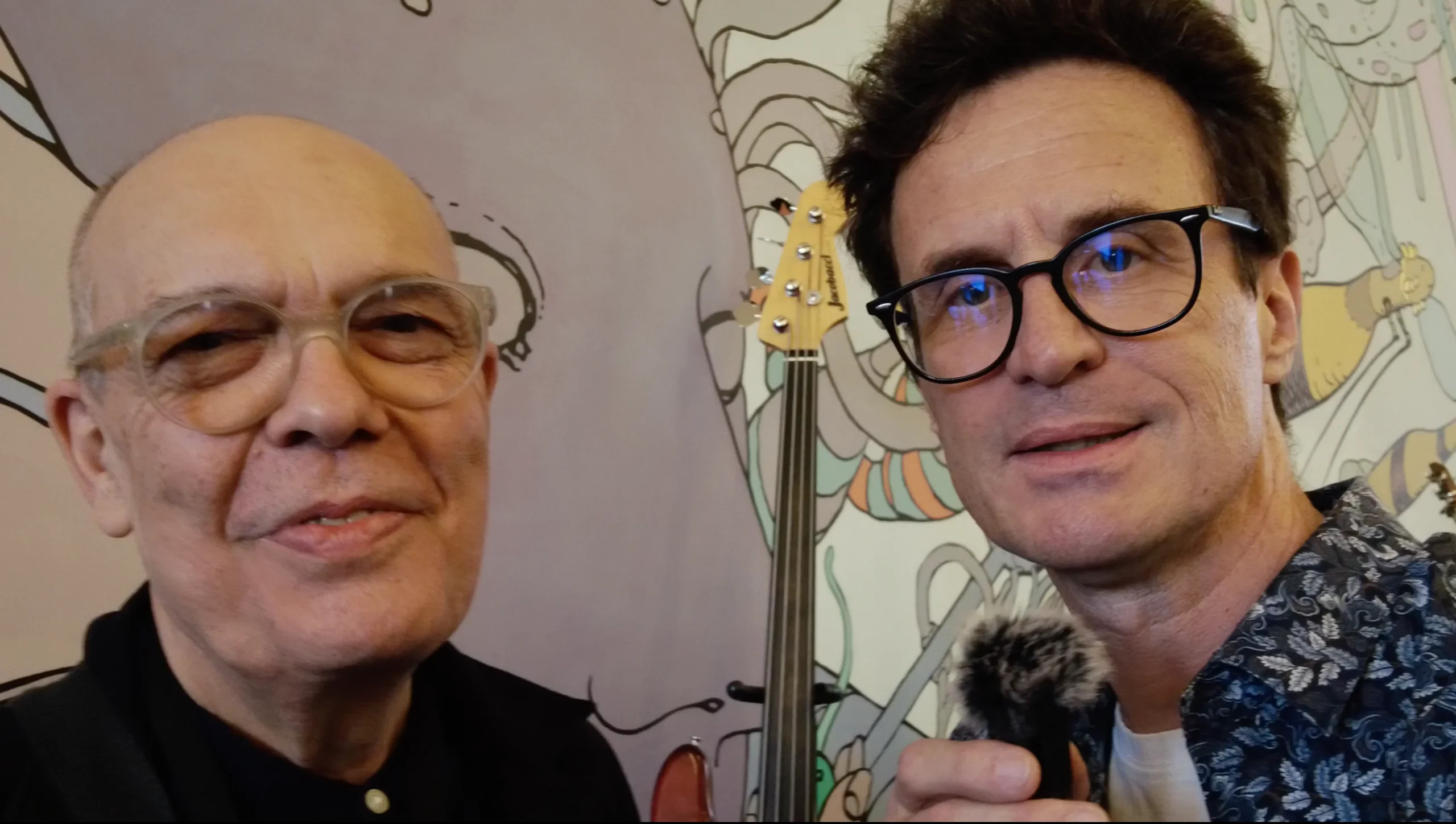
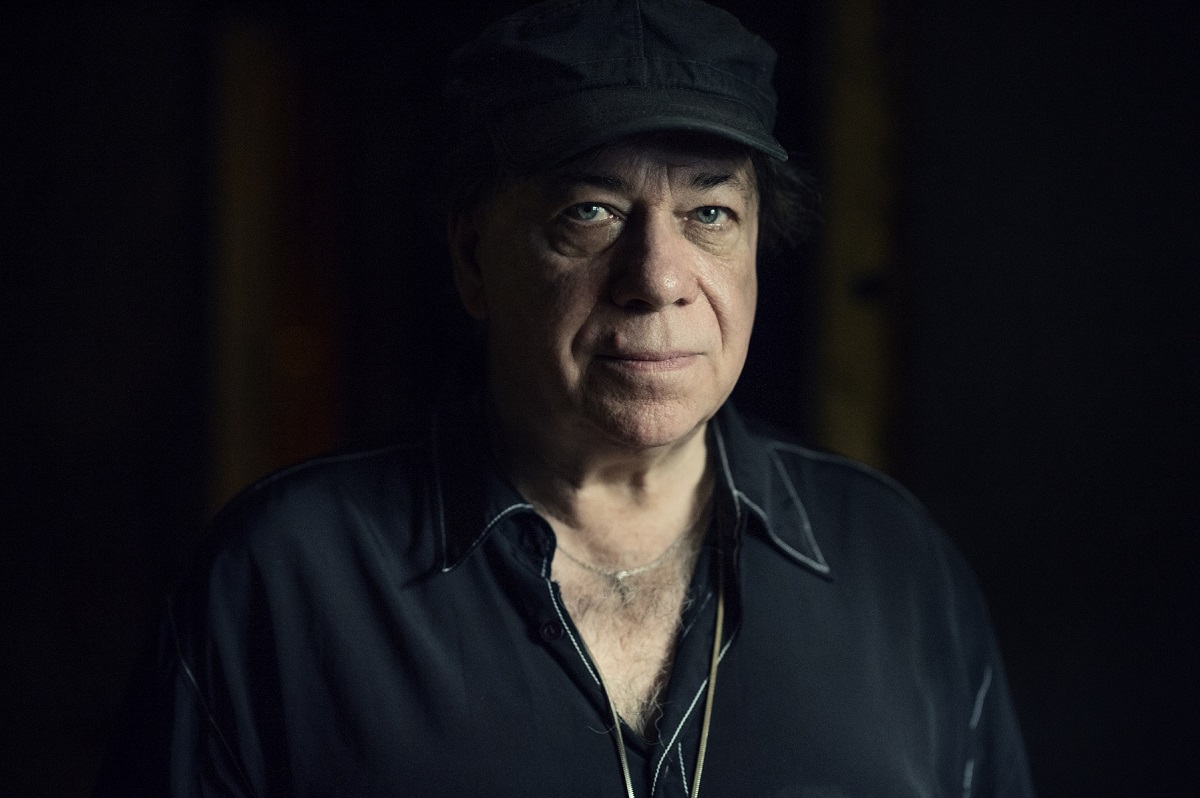
Bernard Paganotti is a French bassist, singer, and composer whose name is inseparable from the avant-garde Zeuhl movement. As a longtime member of Magma, he helped shape a sound that blends jazz, classical, and otherworldly vocal harmonies into something entirely unique. His playing is marked by a deep, propulsive groove that anchors even the most complex compositions.
Beyond Magma, Paganotti has explored his own vision through projects like Weidorje and Paga Group, always pushing the boundaries of what bass-driven progressive music can be. His work has influenced generations of musicians, and he continues to perform and record, with recent activity on his Bandcamp page.
Fans know him as a quiet but powerful presence, a player who lets the music speak for itself. His dedication to his craft and his willingness to experiment have made him a revered figure in the progressive rock community.
Early Life & Background
Bernard Paganotti was born on January 20, 1950, in Oran, Algeria, which was then a French territory. He grew up in a musical household, though details about his parents remain scarce. His first instrument was the guitar, which he picked up at age 13, but he soon gravitated to the bass, drawn to its rhythmic and harmonic possibilities.
In the late 1960s, Paganotti moved to France, where he immersed himself in the vibrant Parisian music scene. He crossed paths with Christian Vander, a drummer with a singular vision, and together they formed the group Cruciférius Lobonz. This early collaboration laid the groundwork for what would become Zeuhl music, a genre that Vander would later define with Magma.
Before joining Magma, Paganotti also played with Heldon, a pioneering electronic rock band led by Richard Pinhas. Those early gigs sharpened his skills and introduced him to the experimental edge that would define his career.
Career Growth
Paganotti's big break came in 1975 when he joined Magma, the band Christian Vander had founded a few years earlier. He contributed to the live album Live/Hhaï, recorded during a period of intense creativity for the group. His bass playing became a cornerstone of Magma's sound, providing a steady pulse beneath the chaotic, operatic vocals.
After a few years with Magma, Paganotti co-founded Weidorje, a side project that allowed him to explore a more jazz-infused take on Zeuhl. The band released one self-titled album in 1978 before dissolving in 1979. Undeterred, Paganotti launched his own group, Paga Group, in 1984. Over the decades, Paga Group has released several albums, including Paga and Paga 2, and continues to be an outlet for his compositions.
Throughout his career, Paganotti has also been a sought-after session player, lending his bass to a variety of projects. He plays both bass guitar and the Chapman Stick, a touch-style instrument that adds a distinctive texture to his playing. In recent years, he has kept a low profile but remains active, with Paga Group releasing music via Bandcamp.
Career Timeline
Public Image & Style
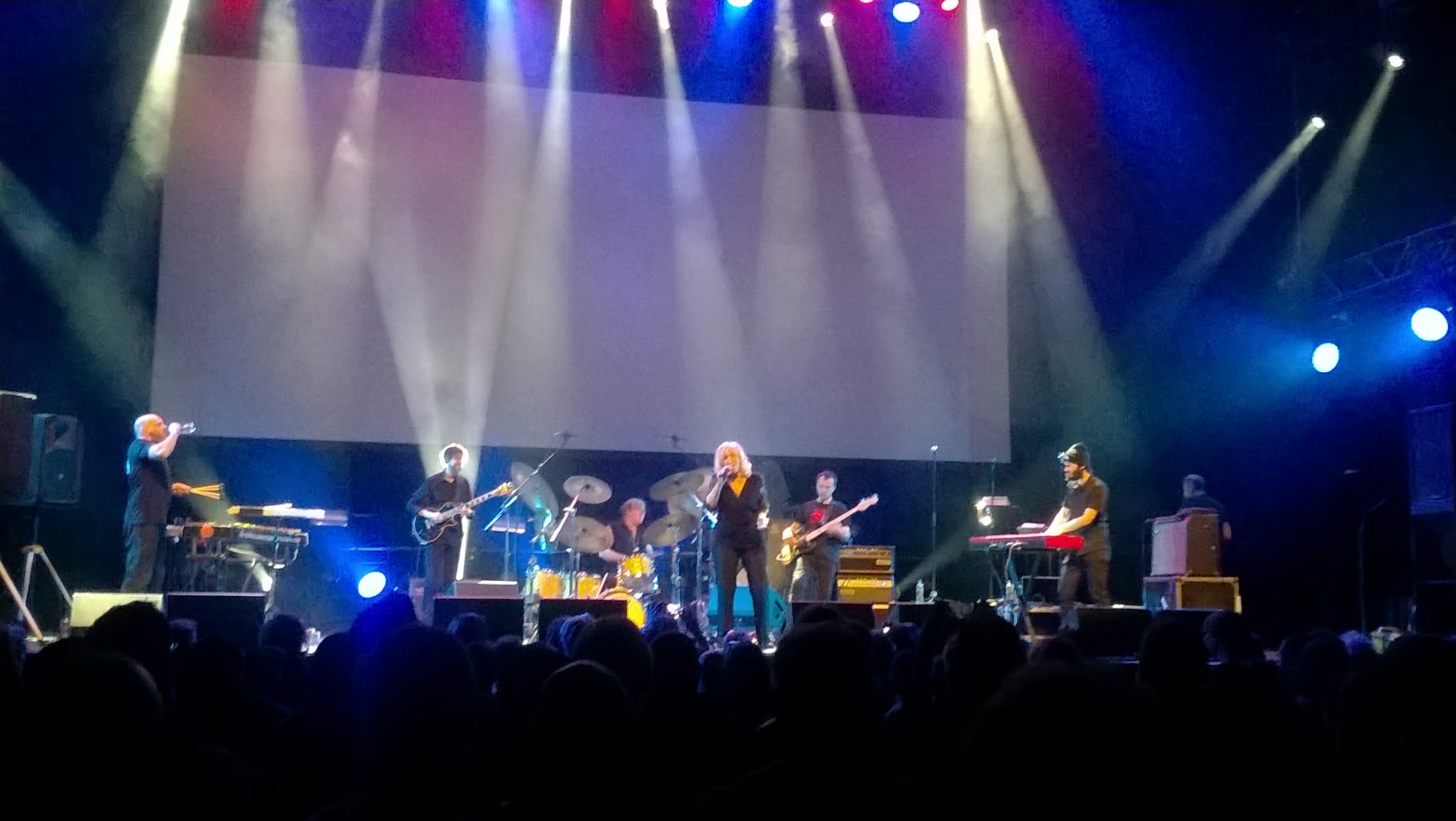
In the progressive rock world, Bernard Paganotti is regarded as a bassist's bassist, a player whose technical skill is matched by his musicality. He doesn't court the spotlight, preferring to let his music do the talking. Fans of Zeuhl revere him as one of the genre's architects, and his live performances are known for their intensity and precision. On stage, he is often seen with his Chapman Stick, a visual signature that sets him apart. His quiet, focused demeanor contrasts with the bombast of some of his peers, earning him a reputation as a thoughtful and grounded artist.
Fame & Fandom (iFAMOUS Rankings)
The community surrounding Bernard Paganotti is defined by a quiet reverence rather than organized spectacle, functioning as a niche collective within the broader progressive rock landscape where technical mastery outweighs celebrity. Unlike global pop phenomena that spawn formal fan clubs or viral campaigns, this audience self-assembles around specialized forums and archival databases to dissect complex compositions and celebrate the endurance of the Zeuhl genre. There is no documented official name for this group; instead, enthusiasts identify through shared appreciation for the intricate bass lines and operatic vocals that define Paganotti's work with Magma and his solo projects. The interaction between the artist and his followers remains minimal and indirect, with the music serving as the sole conduit for connection. While some might point to online discussions on platforms like Reddit or Progarchives as evidence of a structured movement, these are organic gatherings of fans rather than a branded entity with rituals or charitable drives specifically targeting him. The lack of a formal fandom name reflects an environment where the legacy is built on the longevity of the art itself rather than the fervor of a specific demographic. Despite the absence of a named organization, the respect held for Paganotti is profound, anchored in his status as a foundational architect of a unique musical language that blends jazz fusion with classical structures. His influence spans decades, maintaining relevance through active performance and reissues that introduce his work to new generations of listeners who value precision over hype. This enduring presence ensures that while he may not command the headlines of mainstream culture, his standing among connoisseurs remains unshakeable. According to the latest authoritative data from August 2026, iFANN has not yet collected sufficient fame metrics to assign a ranking to Bernard Paganotti. Consequently, no global or genre-specific placement can be cited at this time, leaving his current fame status officially unevaluated until further data collection occurs.
Interesting Facts and Legends
Bernard Paganotti stands among the rare bassists to have performed with both Magma and Heldon, two pillars of French progressive rock. He is the father of musicians Himiko Paganotti and Antoine Paganotti; Himiko has provided vocals for Magma while Antoine plays drums. Known affectionately by fans as "Paga," this nickname also serves as the moniker for his own group. His bass style frequently employs complex time signatures and odd meters, defining characteristics of Zeuhl music that draw from jazz influences like Charles Mingus. A primary element of his enduring legend is his longevity as a core member since the band's founding in Paris in 1969. He has maintained an active presence through various lineups and associated projects including Weidorje, formed in 1977 by Paganotti and Patrick Gauthier, as well as Paga, Chineese, Cruciferius, and Himiko. Critical acclaim continues to highlight him as a central pillar of Magma's legacy in recent reissues and retrospectives. Within the lore of the genre, a widely accepted narrative suggests that while Francis Top helped define the early Zeuhl sound, Paganotti is frequently cited by critics and peers as the superior musician, particularly regarding improvisation. This distinction serves as a key piece of history often referenced when comparing the band's bassists. Another significant chapter in his biography involves his departure from Magma to form Weidorje in 1977 alongside fellow ex-member Patrick Gauthier, a move often highlighted as a continuation of the Zeuhl ethos with a different direction. His discography includes work with various groups such as Chineese, Cruciferius, Himiko, SLuG, and Utopic Sporadic Orchestra, contributing to a legacy of prolific output that spans over five decades.
Family & Personal Life
Bernard Paganotti is married to Naoko Paganotti, and the couple has two children, Himiko and Antoine, both of whom have followed in their father's musical footsteps. Himiko has performed as a vocalist with Magma, while Antoine is a drummer. The family has been a musical unit, with Paganotti's wife often attending his performances. They live in France, where Paganotti continues to compose and teach.
Notable Connections
Relationships & Dating History
Bernard Paganotti has been married to Naoko Paganotti for many years. The couple shares a deep connection, often seen together at music events. Prior to his marriage, little is publicly known about his earlier relationships, as he has kept his personal life private. As of 2026, he remains married to Naoko.
- MarriedNaoko PaganottiCurrentMarried for many years; together they have two children.
Salary, Net Worth In 2026
$5 Million
iFANN Editorial Team estimate
Per iFANN's editorial analysis, Bernard Paganotti's net worth is estimated at $5 million as of 2026. His financial standing derives primarily from decades of work as a musician, encompassing album sales, live performances, and royalties generated by his tenure with Magma, Weidorje, and Paga Group. Although he remains a figure known deeply within his genre rather than a household name, his influence in progressive rock secures a steady revenue stream from catalog sales and licensing deals. Paganotti has additionally earned income through session work and teaching engagements. His Bandcamp page facilitates direct purchases by fans, creating another reliable source of earnings. Despite the niche nature of Zeuhl, his dedicated following ensures that his artistic contributions remain in consistent demand.
Awards & Accolades
Known For
Bassist for Magma
1975 · Bassist
Founder of Paga Group
1984 · Founder, bassist, composer
Member of Weidorje
1977 · Bassist
Keywords
Sources
Quick Facts
- Profession
- musician, singer, composer
- Born
- January 20, 1950
- Birthplace
- Oran, Algeria
- Gender
- Male
- Spouse
- Naoko Paganotti
- Children
- Himiko Paganotti, Antoine Paganotti
- Birth Sign
- Sagittarius
- Group
- Magma
Personal Details
- Spouse
- Naoko Paganotti
- Children
- Himiko Paganotti, Antoine Paganotti
Frequently Asked Questions
What is Bernard Paganotti best known for?
How old is Bernard Paganotti?
Is Bernard Paganotti still alive?
What is Bernard Paganotti's net worth in 2026?
Who is Bernard Paganotti married to?
Similar People
Join the community
fans discussing