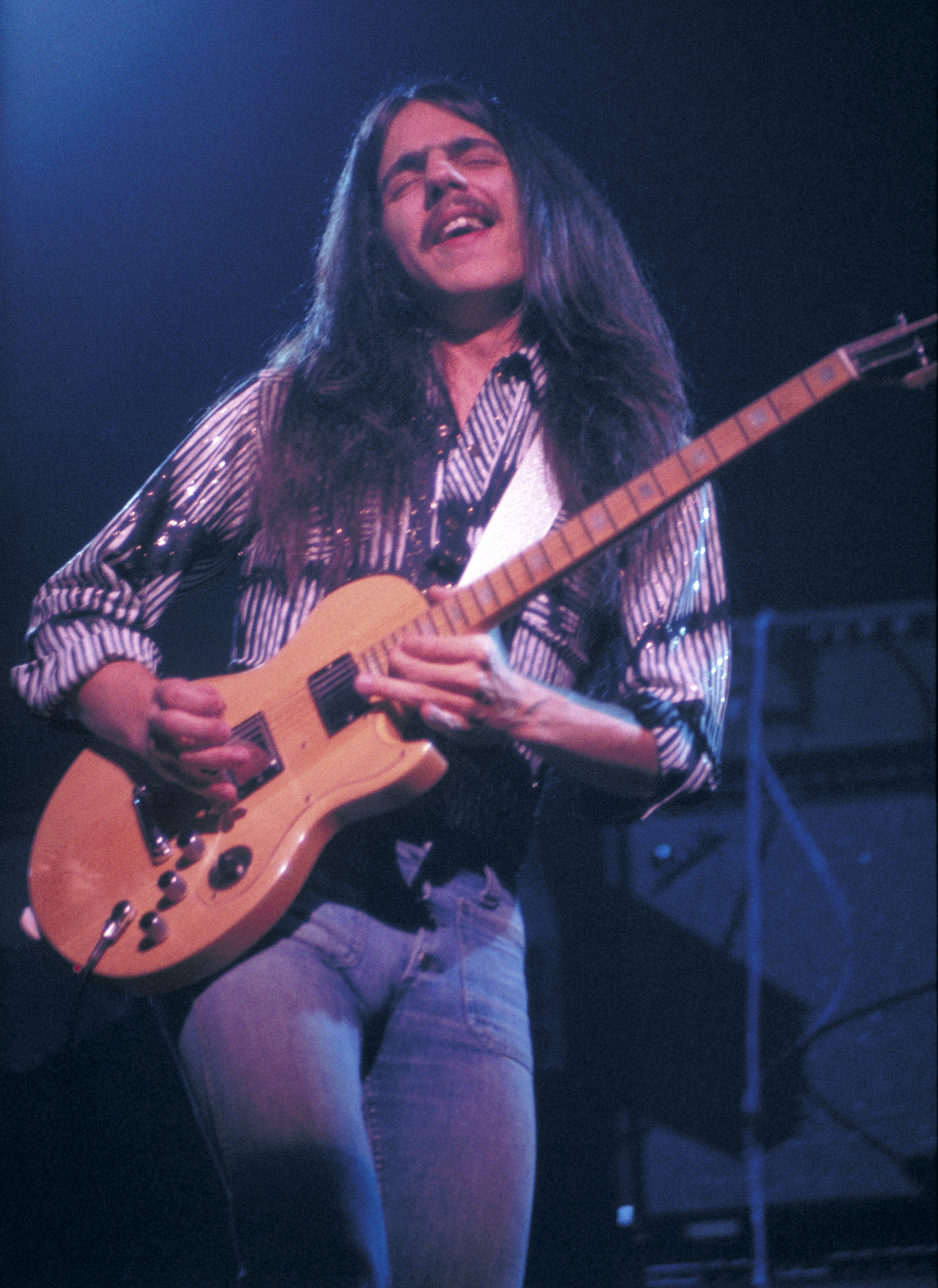
Jefferson Starship
3
Members
About
Jefferson Starship continues to tour and perform classic rock staples from their 1970s and 1980s heyday. As of 2026, the band remains active, playing festivals and opening for acts like Deep Purple and Kansas. Their live shows draw on a catalog that includes hits like "Miracles," "Count on Me," and "Jane," keeping the spirit of the original lineup alive for longtime fans and new listeners alike.
The band has sold millions of records, with three platinum and eight gold certifications. Their 1975 album Red Octopus remains their biggest seller, topping the Billboard 200. While the lineup has changed over the decades, the current incarnation honors the legacy, with a sound that still resonates in classic rock playlists and sold-out venues.
Formation Story
Jefferson Starship began as a side project for Paul Kantner and Grace Slick, who were already stars with Jefferson Airplane. In the early 1970s, they recorded solo albums like Blows Against the Empire and Sunfighter, collaborating with a loose circle of musicians. These sessions felt different enough from Airplane that Kantner decided to formalize the group in 1974.
The original lineup included Kantner, Slick, David Freiberg, Craig Chaquico, John Barbata, Pete Sears, and Papa John Creach. They released their debut album, Dragon Fly, in 1974 to a positive reception. The following year, Marty Balin, another Airplane alum, joined, and the band hit its stride with Red Octopus. That record, with Balin's soulful lead on "Miracles," became a massive hit and defined the band's early sound.
By 1978, tensions and musical differences led Balin and Slick to leave. The remaining members brought in Mickey Thomas, whose powerful tenor gave the band a new direction. Their 1979 album Freedom at Point Zero marked a shift toward a more polished rock sound, yielding the hit "Jane." Kantner's departure in 1984 effectively ended this chapter, but he revived the name in 1992 with a new lineup, keeping the legacy alive.
Members
Former Members
Paul Kantner (Paul Lorin Kantner)
Guitarist · 1974–1984, 1992–2016
Marty Balin (Martyn Jerel Buchwald)
Vocalist · 1975–1978
John Barbata (John Barbata)
Drummer · 1974–1978
David Freiberg (David Freiberg)
Bassist · 1974–1984
Papa John Creach (John Henry Creach)
Violinist · 1974–1975
Mickey Thomas (Mickey Thomas)
Vocalist · 1979–1984
Musical Style
Jefferson Starship's sound evolved significantly over the years. In the mid-1970s, they leaned into a blend of psychedelic rock, folk, and blues, with extended instrumental jams and harmonies reminiscent of Jefferson Airplane. The addition of Marty Balin brought a softer, more melodic touch, evident on Red Octopus.
By the late 1970s and early 1980s, the band embraced a more radio-friendly pop rock style, with synthesizers and driving guitars. Songs like "Jane" and "Find Your Way Back" showcased this new direction, appealing to a broader audience. Throughout their career, they incorporated elements of progressive rock and even touches of disco and funk, always keeping a strong melodic core.
Lyrically, the band often explored themes of love, freedom, and social consciousness, reflecting their San Francisco roots. Their ability to adapt to changing musical trends while maintaining a distinct identity is a key reason for their enduring appeal.
Discography
| Title | Year |
|---|---|
| Mother of the Sun | 2024 |
| Jefferson's Tree of Liberty | 2008 |
| Windows of Heaven | 1999 |
| Nuclear Furniture | 1984 |
| Winds of Change | 1982 |
| Modern Times | 1981 |
| Freedom at Point Zero | 1979 |
| Earth | 1978 |
| Spitfire | 1976 |
| Red Octopus | 1975 |
| Dragon Fly | 1974 |
Tours
Rockin' In Paradise With Styx & Friends
2026
Deep Purple/Kansas North American Tour
2026
Cultural Impact
Jefferson Starship helped bridge the gap between 1960s psychedelia and 1970s arena rock. They were one of the first bands to successfully transition from the counterculture scene to mainstream commercial success, paving the way for other acts. Their use of elaborate stage shows and light displays influenced the concert experience of the era.
Beyond music, the band's involvement in political and social causes, such as environmental activism, resonated with their audience. Grace Slick's outspoken personality and the band's willingness to tackle controversial topics kept them in the public eye. Their music has been featured in numerous films and TV shows, introducing their sound to new generations.
The band's longevity and continued touring have also contributed to the classic rock revival, keeping the music of the 1970s and 1980s alive for live audiences. Their influence can be heard in later rock and pop acts that blend melodic hooks with rock instrumentation.
Fandom Culture
Jefferson Starship fans, often called "Starship Troopers" or simply "Starship fans," are a dedicated community that spans generations. They gather at concerts, sharing their love for the band's classic hits. Fan clubs and online forums keep the community connected, discussing setlists, memorabilia, and the band's history.
At live shows, fans often sing along to every word, creating a nostalgic and celebratory atmosphere. The band's social media presence, especially on Facebook and Instagram, allows fans to stay updated on tour dates and behind-the-scenes content. Annual fan conventions and meet-and-greets provide opportunities for deeper engagement with the music and the people who make it.
Awards & Accolades
View 2 records, honours and achievementsMilestones
Formed in San Francisco; debut album 'Dragon Fly' released
'Red Octopus' reaches No. 1 on Billboard 200
Marty Balin and Grace Slick leave; Mickey Thomas joins
Paul Kantner leaves; band becomes Starship
Kantner revives Jefferson Starship
Kantner passes away; band continues with new members
Release 'Mother of the Sun' after 16-year gap
Fame & Fandom
Trivia
Jefferson Starship's 1975 album Red Octopus was the only No. 1 album of their career, but it spent 35 weeks on the Billboard 200 chart.
Grace Slick wrote the song "White Rabbit" for Jefferson Airplane, but with Jefferson Starship she co-wrote the hit "Miracles" with Marty Balin.
The band's name was briefly retired in 1984, but Paul Kantner revived it in 1992 as "Jefferson Starship: The Next Generation."
Craig Chaquico was only 19 when he joined the band in 1974, making him one of the youngest members.
Jefferson Starship has released over 20 albums, including live recordings and compilations, since their debut in 1974.
Keywords
Sources
Quick Facts
- Type
- Rock Band
- Formed
- 1974
- Origin
- San Francisco
- Label
- RCA Records, Epic Records
- Genres
- rock music, pop rock, psychedelic rock, progressive rock, soft rock
- Members
- 3
- Status
- Active
Group Info
- Formed
- 1974-01-01
- Debut
- 1974-09-01
- Origin
- San Francisco
- Label
- RCA Records, Epic Records
- Status
- Active
Social Media
Join the community
fans discussing