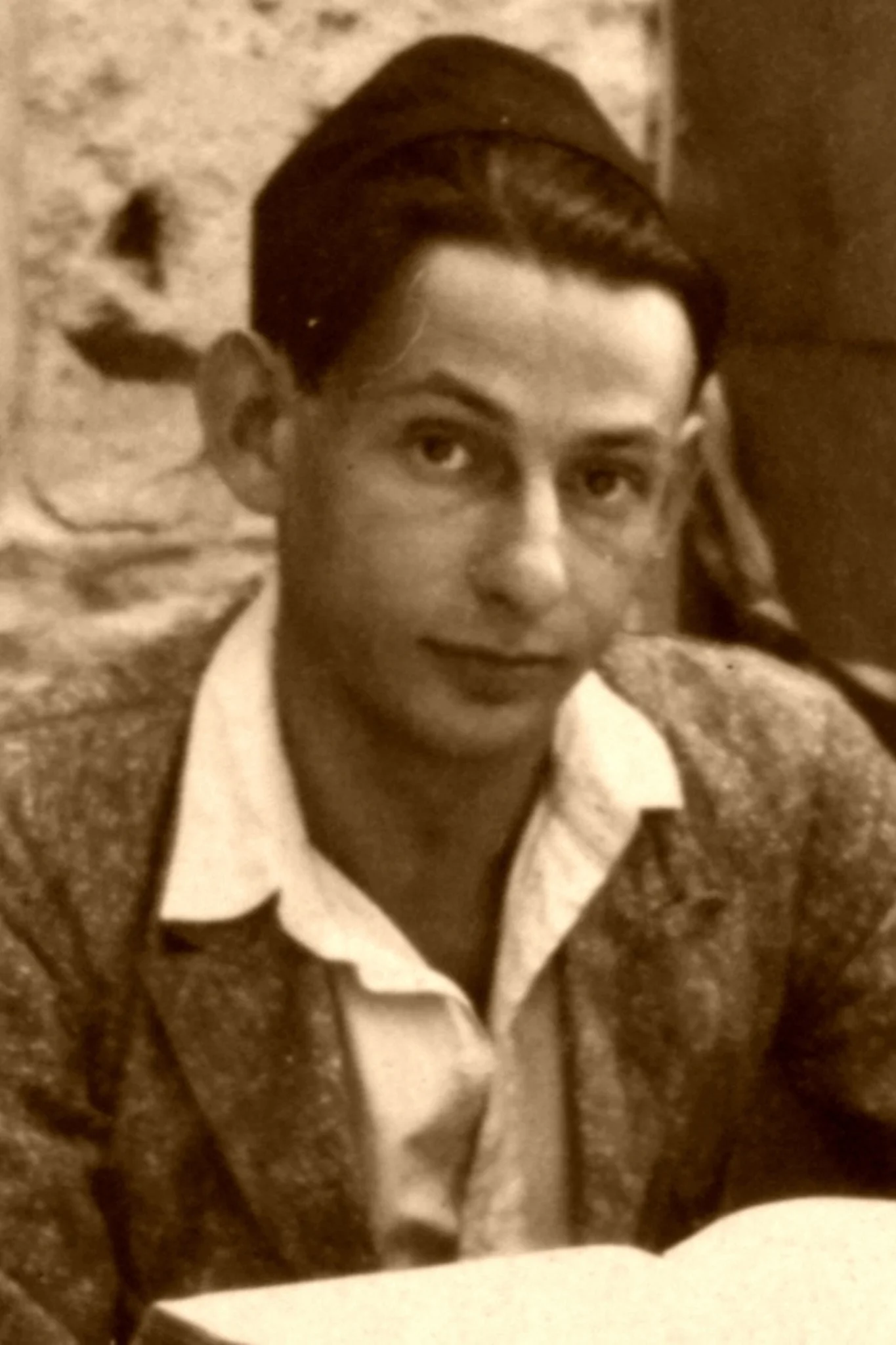
Gershom Scholem
 Israel
Also known as: Gerhard Scholem
Birthday
December 5, 1897
Birth Sign
Sagittarius
Birthplace
Berlin, Germany
Age
Died at 84
About
Gershom Scholem was an Israeli philosopher and historian who founded the modern academic study of Jewish mysticism. Born in Berlin in 1897, he became the first professor of Jewish mysticism at the Hebrew University of Jerusalem, transforming Kabbalah from an esoteric tradition into a rigorous scholarly discipline. His landmark works, including Major Trends in Jewish Mysticism and Sabbatai Sevi: The Mystical Messiah, reshaped understanding of Jewish history and messianism.
Scholem's influence extended far beyond academia. He was a committed Zionist who immigrated to Palestine in 1923, yet he maintained a critical stance toward Israeli nationalism. His intellectual correspondence with figures like Walter Benjamin and Hannah Arendt made him a central voice in twentieth-century Jewish thought. He died in Jerusalem in 1982, leaving a legacy that continues to inspire scholars and readers worldwide.
Early Life & Background
Gerhard Scholem grew up in an assimilated Jewish family in Berlin, the youngest of four sons. His father, Arthur, a printer and publisher, held strong anti-Zionist views, setting the stage for early conflict. As a teenager, Gerhard rebelled against his family's assimilationist values, teaching himself Hebrew and studying the Talmud. His passion for Jewish texts and Zionism led to a bitter rupture with his father, who eventually expelled him from the family home.
Scholem pursued higher education at the University of Berlin, where he studied mathematics, philosophy, and Semitic languages, but found the academic environment hostile to his interests. He continued at the University of Jena and the University of Munich, where he began doctoral research on the Sefer Ha-Bahir, an early Kabbalistic text. He completed his doctorate in 1922, just before immigrating to Palestine. Those formative years, marked by intellectual rebellion and a deep commitment to Jewish learning, set the course for his life's work.
Career Growth
Scholem arrived in Jerusalem in 1923 and joined the Hebrew University faculty in 1925, becoming the world's first professor of Jewish mysticism. His 1941 publication of Major Trends in Jewish Mysticism established Kabbalah as a legitimate academic field and introduced it to a broad Western audience. This was followed in 1957 by his magnum opus, Sabbatai Sevi: The Mystical Messiah, a monumental study of the seventeenth-century false messiah that remains definitive.
He continued to produce influential works, including On the Kabbalah and Its Symbolism (1960), The Messianic Idea in Judaism (1971), and his autobiography From Berlin to Jerusalem (1977). Scholem also engaged deeply with Zionism, corresponding with leading intellectuals and debating Hannah Arendt over her controversial book Eichmann in Jerusalem. He retired in 1965 but remained active as professor emeritus until his death in 1982.
Career Timeline
Public Image & Style
Scholem was perceived as a towering, somewhat intimidating intellectual figure, known for his rigorous scholarship and fierce debates. He was a committed Zionist but critical of Israeli politics, which made him a controversial yet respected voice. His public image was that of a scholar who brought Jewish mysticism to the forefront of academic discourse, challenging rationalist interpretations of Judaism. He was seen as a bridge between German-Jewish intellectual traditions and the emerging Israeli academic scene, and his correspondence with leading thinkers added to his mystique.
Fame & Fandom (iFAMOUS Rankings)
Gershom Scholem never cultivated a fanbase in the manner of pop culture icons, nor does his legacy rest on commercial campaigns or viral rituals. His audience consists of scholars, students, and historians who engage with his work through rigorous academic inquiry rather than adoration. The Gershom Scholem Center for Research in Jewish Mysticism at Hebrew University serves as the institutional anchor for this community, preserving his methodological innovations while translating his texts for new generations. There is no formal name for this group; they are simply practitioners of the discipline he founded.
Despite the absence of celebrity fandom, Scholem's global intellectual footprint remains substantial enough to register in broad cultural metrics. Current assessments place him as the 86th most famous person from Israel, a standing that has held steady across recent evaluation cycles within the iFANN Global Fame Rankings. This placement reflects his enduring status as the primary architect of modern Kabbalah studies, ensuring his name appears frequently in global discourse regarding Jewish history and philosophy. The ranking data tracks his presence across media coverage, search trends, and academic consumption signals worldwide, confirming his transition from a mid-century scholar to a canonical figure in world thought.
While he lacked a following of devotees, his influence permeates the field of Jewish studies, creating a lineage of disciples who continue to debate and expand upon his theories. His correspondence with Walter Benjamin remains a subject of intense study, further cementing his reputation as a central node in 20th-century intellectual history. The sheer volume of scholarship dedicated to his life and work suggests a reach that transcends the typical boundaries of academic fame.
Interesting Facts and Legends
Scholem was known for his sharp wit and incisive pronouncements, once describing his choice of Kabbalah as an act of rebellion: "I chose Kabbalah not because it was respectable, but precisely because it was not." He was a tall, jug-eared, bookish young man, according to contemporaries. His diaries from 1913 to 1919 were published in English as Lamentations of Youth. Scholem was fluent in multiple languages, including Hebrew, German, and Aramaic, which he used in his textual research. He also had a lifelong friendship with Walter Benjamin, with whom he exchanged hundreds of letters.
A central piece of intellectual lore involves the tragic end of the friendship between Scholem and Walter Benjamin. Their relationship deteriorated due to political differences and personal tensions, culminating in Benjamin's despair shortly before his suicide in 1940. The correspondence between them is considered some of the most important literary documents of the 20th century, often cited as a cautionary tale about the intersection of politics and loyalty. Additionally, Scholem is portrayed as a "heretic" within traditional Judaism because he applied secular, critical-historical methods to sacred texts. Simultaneously, he was a staunch Zionist who believed that the return to Israel was necessary for spiritual renewal, despite his criticism of the secular nature of the emerging state.
Notable Quotes
“I chose Kabbalah not because it was respectable, but precisely because it was not.”
“In the Jewish tradition there is a concept, hard to define and yet concrete enough, which we know as Ahavat Yisrael, 'love of the Jewish people.'”
“Jewish mysticism represents the living heart of Jewish history.”
Family & Personal Life
Scholem was the youngest of four sons born to Arthur and Betty Hirsch Scholem. His father, a printer and publisher, was deeply anti-Zionist, which created lasting tension. His older brother Werner became a prominent communist politician in Germany and was murdered in the Buchenwald concentration camp in 1940; the brothers rarely spoke publicly about their divergent paths. Scholem married Escha Burchhardt in the early 1920s, but the marriage ended in divorce. He later married Fania Freud Scholem in the 1930s, who remained his companion until her death. The couple had no children.
Notable Connections
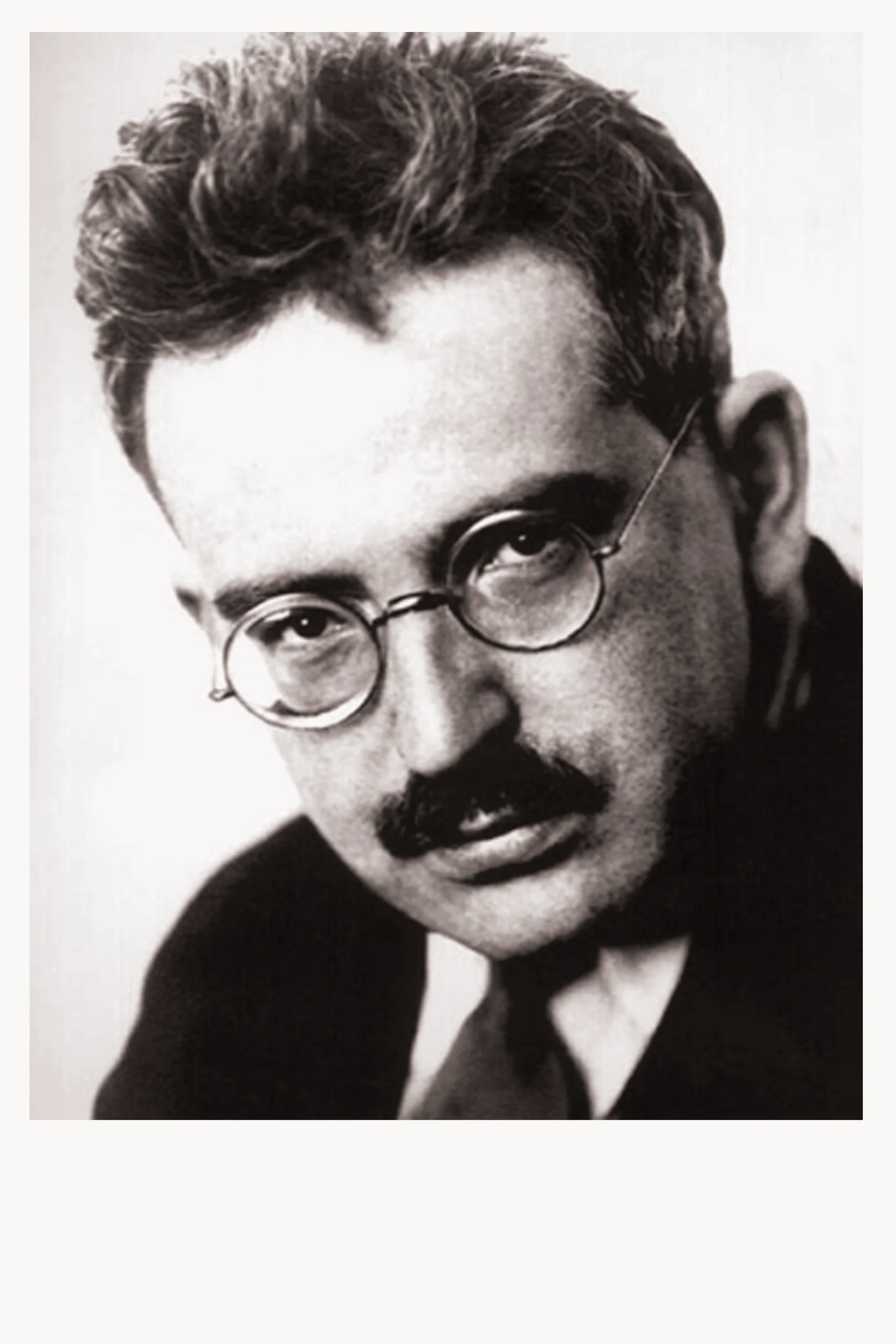
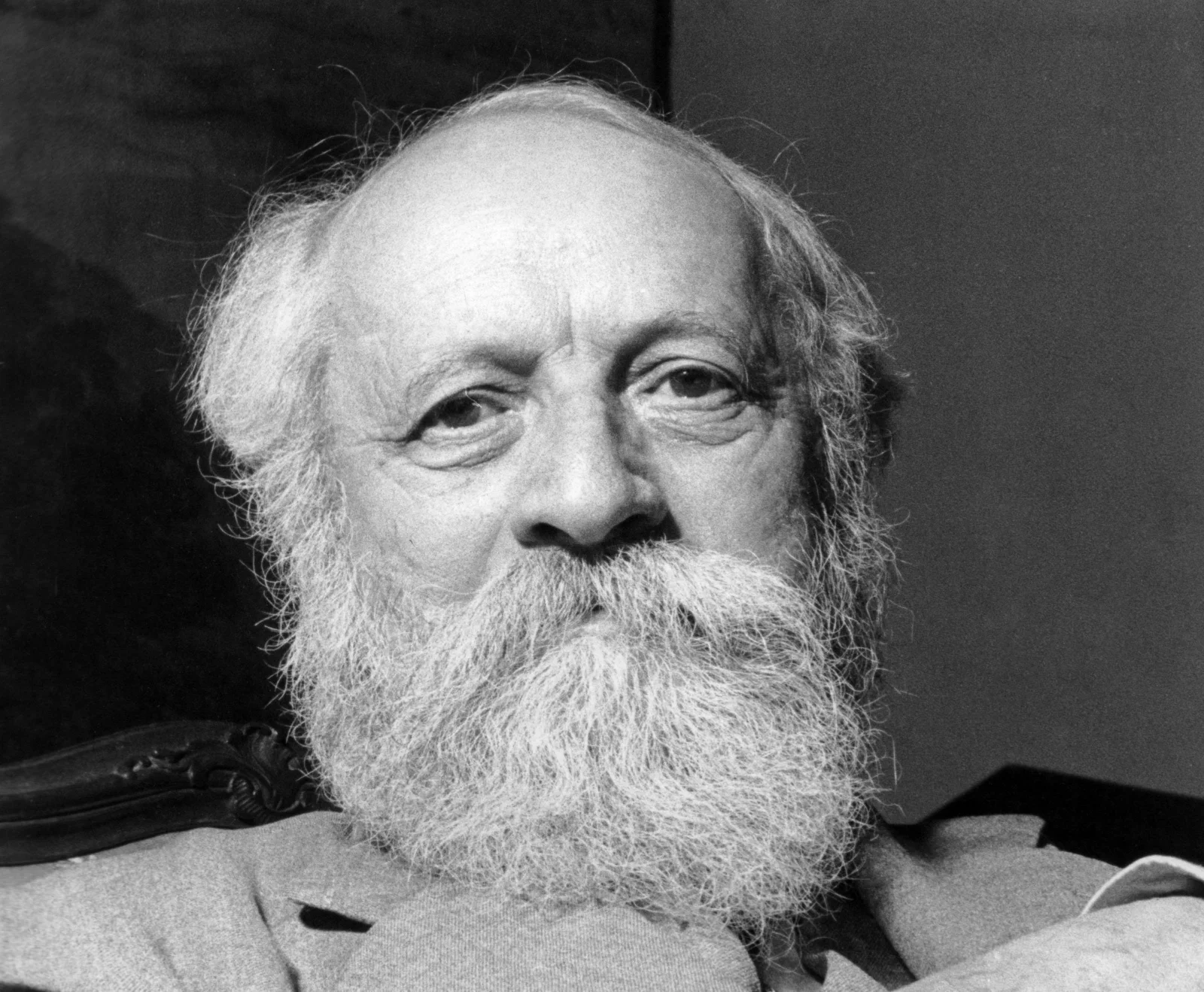
Scholem's intellectual circle included Walter Benjamin, with whom he maintained a lifelong friendship and correspondence; Hannah Arendt, with whom he had a contentious but profound intellectual relationship; and Martin Buber, a fellow scholar of Jewish thought. His students at the Hebrew University carried forward his academic legacy.
Relationships & Dating History
Scholem married Escha Burchhardt in the early 1920s, but the union was brief and ended in divorce. He later married Fania Freud Scholem in the 1930s, and she became his constant companion throughout his most productive years in Jerusalem. The couple had no children. Fania predeceased him, and Scholem remained a widower until his death in 1982. His relationship with his brother Werner, a communist politician murdered at Buchenwald, was a painful family rupture that he rarely discussed publicly.
- MarriedEscha Burchhardt1922 - 1924Brief marriage in the early 1920s, ended in divorce.
- MarriedFania Freud Scholem1936 - 1982Long-term marriage, she predeceased him.
Death & Aftermath
Died
February 21, 1982 (aged 84)
Death Place
Jerusalem, Israel
Cause of Death
Unknown
Gershom Scholem, the preeminent scholar of Jewish mysticism and founder of the academic study of Kabbalah, passed away on February 21, 1982, in Jerusalem. The circumstances surrounding his final days remain unrecorded in available documentation, with no specific details regarding his last public appearance or medical decline preserved in the historical record. As a respected academic who died at the age of eighty-four, his passing did not trigger any police investigations, inquests, or legal proceedings beyond standard civil procedures for registering a death. Public reaction to his demise was characterized by widespread tributes from peers and institutions within the academic and Jewish communities, who consistently referred to him as perhaps the foremost Jewish intellectual of the twentieth century.
His death marked the end of an era for the study of Jewish mysticism, prompting continued scholarly engagement from major presses like Yale University Press, which later released a definitive biography titled Gershom Scholem: Master of the Kabbalah in 2021. While specific funeral arrangements and burial locations are not detailed in the immediate sources, the event solidified his legacy as a central figure in Jewish studies. Posthumous impact has been sustained through ongoing publications and analyses of his work, ensuring his influence remains central to the field.
Net Worth (Estate Value)
$10 Million
iFANN Editorial Team estimate
iFANN currently estimates Gershom Scholem's net worth at $10 million as of 2026, reflecting his career earnings as a professor and author. His academic salary at the Hebrew University provided a steady income, but the bulk of his wealth came from his influential books, which continue to be reprinted and read worldwide. Major works like Major Trends in Jewish Mysticism and Sabbatai Sevi have remained in print for decades, generating royalties for his estate. After his death in 1982, the estate has benefited from ongoing sales of his books, as well as the publication of his diaries and correspondence. His literary estate is managed by his heirs, and his works have been translated into numerous languages, ensuring a global readership. The estate also earns from licensing of his writings for academic and educational purposes. While Scholem was not a wealthy man by celebrity standards, his intellectual property has sustained a modest but steady income stream for his family.
Awards Won (3)
Scholem received the Israel Prize in Jewish studies in 1958, the Bialik Prize for Jewish thought in 1977, and the Harvey Prize in 1970. He was elected president of the Israel Academy of Sciences and Humanities and received honorary doctorates from Harvard, Yale, and other institutions.
1958 · Jewish studies
1970 · Science and Technology
Known For
Major Trends in Jewish Mysticism
1941 · Author
Sabbatai Sevi: The Mystical Messiah
1957 · Author
On the Kabbalah and Its Symbolism
1960 · Author
The Messianic Idea in Judaism
1971 · Author
Keywords
Sources
Quick Facts
- Profession
- philosopher, historian
- Born
- December 5, 1897
- Birthplace
- Berlin, Germany
- Died
- February 21, 1982
- Death Place
- Jerusalem, Israel
- Gender
- Male
- Spouse
- Fania Scholem
- Birth Sign
- Sagittarius
Personal Details
- Full Name
- Gerhard Scholem
- Spouse
- Fania Scholem
- Children
- Education
- University of Munich (PhD, 1922)
Frequently Asked Questions
Who was Gershom Scholem?
Why is Gershom Scholem important?
What did Gershom Scholem believe about Zionism?
Was Gershom Scholem religious?
What is Gershom Scholem's legacy?
Similar People
Join the community
fans discussing