Part of the Metroid series
Series community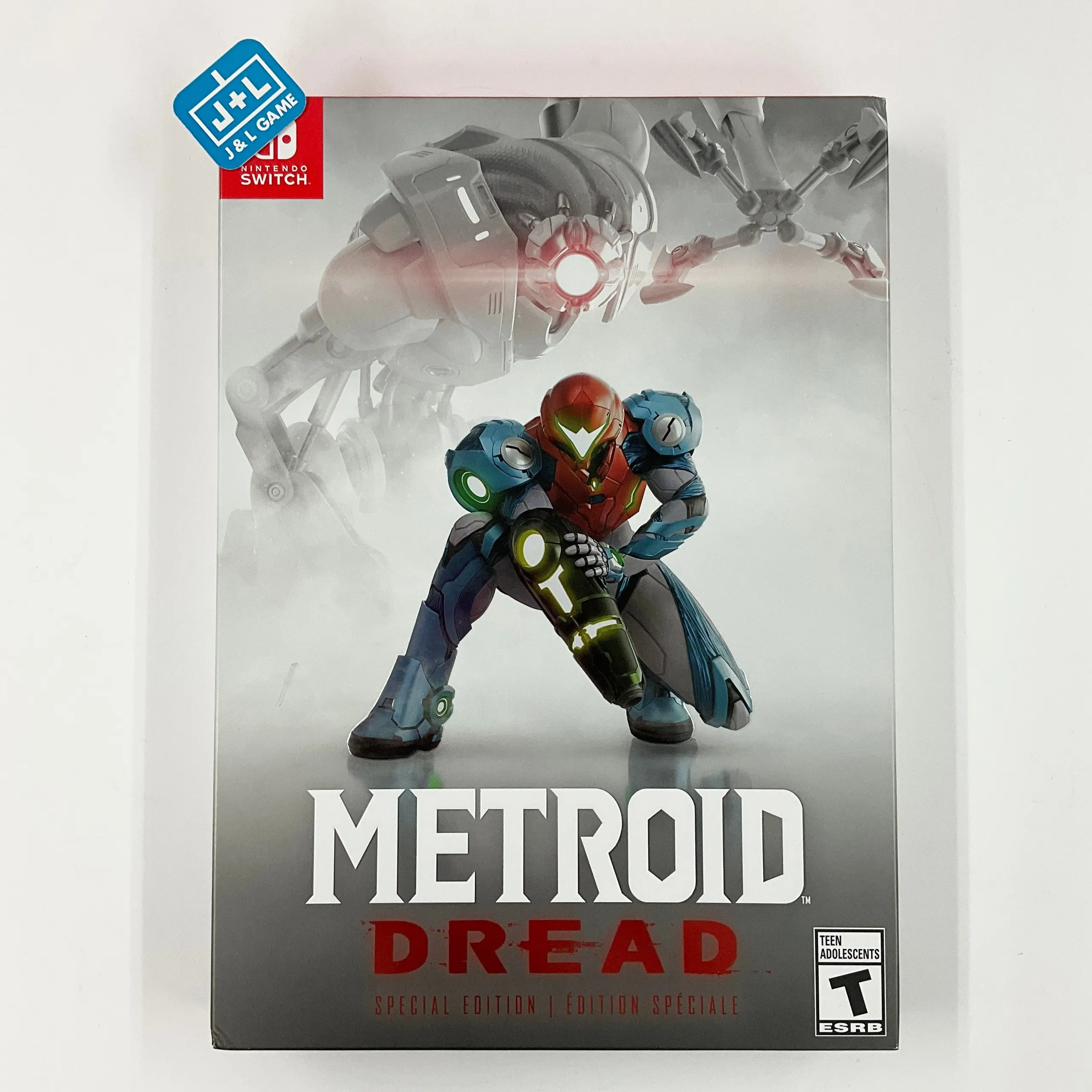
Metroid Dread
"Samus returns, and something is hunting her."
Score
89.0/10
Overview
A transmission pulls Samus Aran to the planet ZDR, and the welcome is brutal. Within minutes she loses her abilities and finds herself stalked by E.M.M.I. research robots whose touch means instant death. Metroid Dread turns that fear into a design principle: you sneak through patrol zones with the Phantom Cloak, you pick fights carefully, and you only hit back once you've claimed an Omega Cannon. Around that tension sits the classic Metroid loop of exploration, upgrades, and backtracking through a map that keeps folding back on itself.
Nintendo EPD and Spanish studio MercurySteam built the game together, with producer Yoshio Sakamoto finally reviving a concept he had pitched for the Nintendo DS back in the mid-2000s. Technical limits killed it then. The Switch made it possible. It landed on October 8, 2021, as the ninth mainline entry and the first new 2D Metroid story in 19 years, picking up directly after Metroid Fusion.
The reception was strong enough to reset expectations for the series. It took Best Action/Adventure Game at The Game Awards 2021 and earned a Game of the Year nomination, and it became the fastest-selling Metroid in Japan, the UK, and the US. Lifetime sales passed three million, the best in franchise history. A sequel, Metroid Ravenous, is slated for 2027 on the Nintendo Switch 2.
Gameplay
The E.M.M.I. zones are where Dread earns its name. Step into one of those sealed corridors and a robot locks on, and ordinary beams do nothing to it. Your options are the Phantom Cloak, which muffles Samus's presence, and the doors and crawlspaces that let you slip between patrol areas. Beat an E.M.M.I. and you absorb its core for the Omega Cannon, a temporary weapon that can actually put one down.
Everything else is the Metroid toolkit sharpened up. MercurySteam's melee parry from Samus Returns returns as the backbone of combat, letting Samus counter a charge and open enemies up for a kill. The Spider Magnet lets her cling to special walls, the Slide gets her through tight gaps at speed, and the Grapple Beam and Speed Booster open up routes you'll recognize from older games. The map is one continuous planet split into regions, so a door you can't open in Artaria at hour one is a shortcut at hour six.
Two free updates reshaped the difficulty after launch. Dread Mode turns the whole campaign into a one-hit-death run, and Rookie Mode eases the damage numbers for players who want the exploration without the punishment. There's no multiplayer and no paid DLC. It's a single-player game from start to finish.
Story
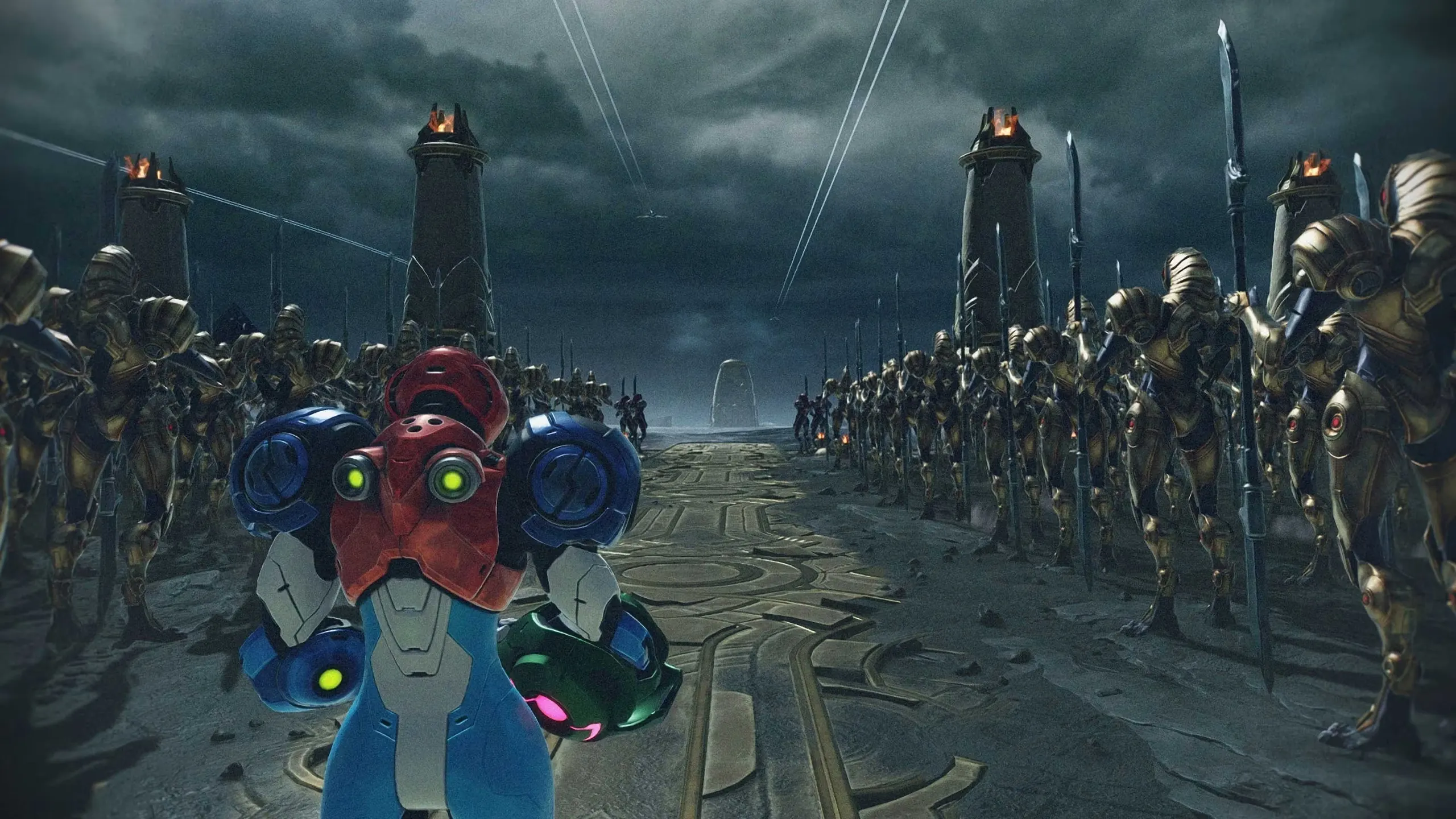
ZDR is not a friendly planet. Samus arrives chasing a signal and gets ambushed almost immediately, separated from her suit's abilities and forced downward through a series of distinct biomes: Artaria's caverns, Cataris's magma works, the flooded halls of Burenia, the overgrown Ghavoran, and the Chozo ruins of Ferenia and Elun before the final stretch in Hanubia. Each region hands back a piece of her arsenal, and each one hides another E.M.M.I.
The plot reaches back into the Chozo and X parasite mythology that ran through Fusion, and it puts Raven Beak at the center of things, a Chozo warlord with his own plans for Samus and her Metroid DNA. The ending resolves threads that had been dangling since the Game Boy Advance era, which is part of why longtime fans treated the release as an event rather than just another sequel.
Trailers


Awards & Acclaim
The Game Awards: Best Action/Adventure Game: (2021)
The Game Awards: Game of the Year: (2021)
BAFTA Games Awards: Best Game: (2022)
D.I.C.E. Awards: Action Game of the Year: (2022)
Keywords
Sources
Game Info
- Developer
- Nintendo Entertainment Planning & Development, MercurySteam
- Publisher
- Nintendo
- Engine
- Proprietary Nintendo engine
- Release Date
- 2021-10-08
- Age Rating
- ESRB T
- Modes
- Single-player
- Platforms
- Nintendo Switch
- Platform
- Nintendo Switch
- Director
- Jose Luis Marquez, Fumi Hayashi
- Producer
- Yoshio Sakamoto
- Frame Rate
- 60 FPS docked at 900p, handheld at 720p
- Lifetime Sales
- Over 3 million copies
- ESRB Rating
- T for Teen
- Sequel
- Metroid Ravenous (2027, Switch 2)
Join the community
fans discussing