 DR Congo
About
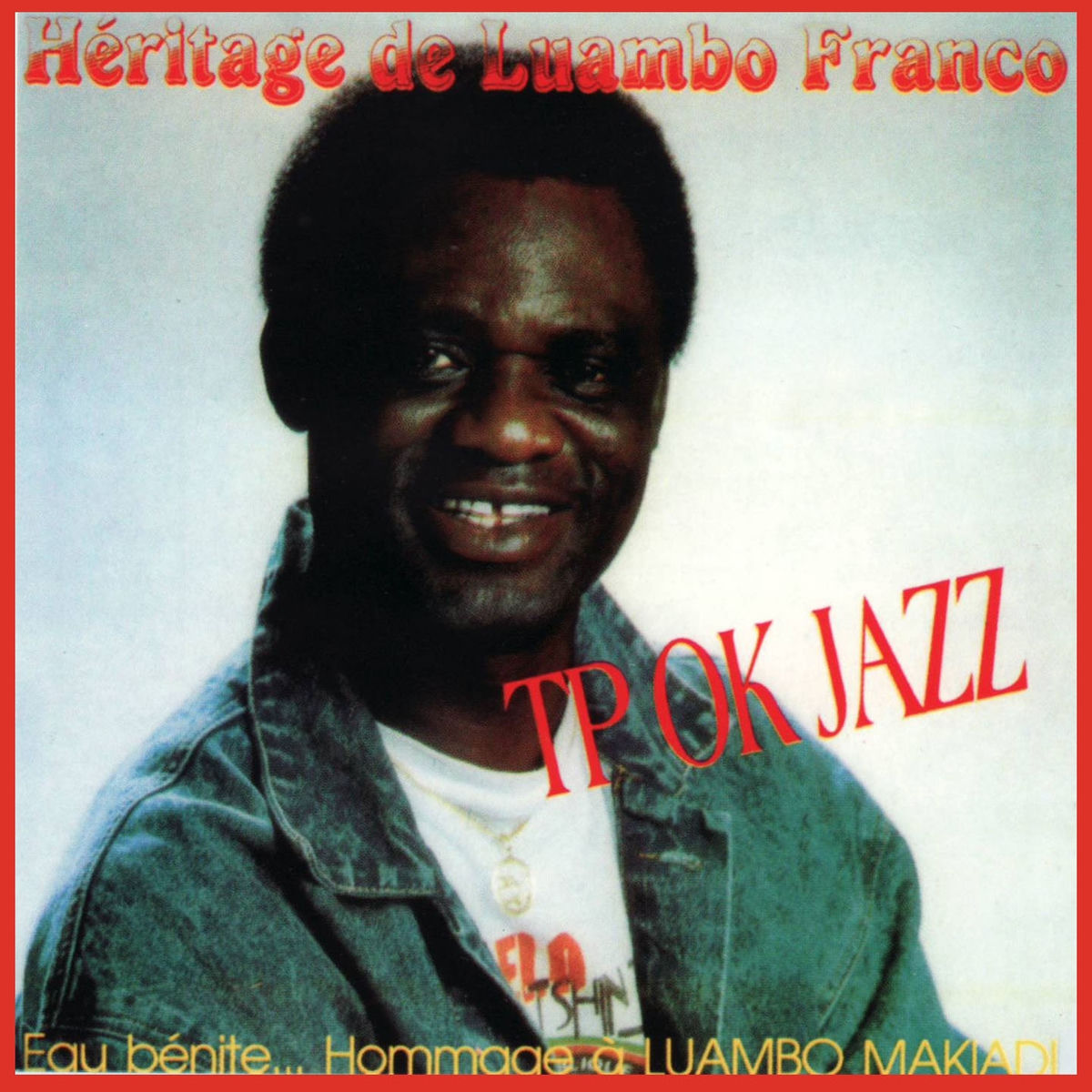
François Luambo Luanzo Makiadi, known to the world as Franco, was a Congolese guitarist, singer-songwriter, and bandleader whose influence on African music is hard to overstate. For over two decades, he led TPOK Jazz, the most popular and influential band on the continent. His mastery of Congolese rumba earned him nicknames like "Sorcerer of the Guitar" and "Grand Maître of Zairean Music." AllMusic called him "the big man in African music," and in 2023, Rolling Stone ranked him 71st on its list of the 250 Greatest Guitarists of All Time.
Franco's legacy lives on through his extensive catalog, which includes over 150 albums and more than 1,000 songs. His music continues to be streamed worldwide, and his innovative guitar style, particularly his approach to the sebene, remains a blueprint for generations of African musicians. Fans still commemorate his death each year, and his songs about love, politics, and social issues remain as relevant today as when they were recorded.
Early Life & Background
Franco was born on July 6, 1938, in Sona-Bata, a small town in Kongo Central, then part of the Belgian Congo. He was raised in Kinshasa, where his family settled in modest circumstances. His musical talent emerged early, and he found mentors in two prominent Congolese musicians: Paul Ebengo Dewayon and Albert Luampasi. Luampasi led the band Bandidu, and Franco got his first performing experience with them alongside Dewayon.
Later, he joined Dewayon's band Watam, which operated under the Loningisa label, managed by Greek music executive Basile Papadimitriou. Franco's big break came when he auditioned for producer Henri Bowane, who signed him to a long-term contract with Loningisa. In 1954, Franco joined LOPADI, the house band at Loningisa, and it was Bowane who started calling him simply "Franco." His early influences included rumba odemba, a rhythmic tradition from the Mongo people of Mbandaka, which would shape his signature sound.
Career Growth
In 1956, Franco co-founded OK Jazz, which would become the defining force in Congolese and African popular music. As lead guitarist, he developed a distinctive style marked by polyrhythmic sophistication and intricate multi-string plucking, creating what became known as the "OK Jazz School." His innovative approach to the sebene, positioning it at the song's climax with a syncopated thumb-and-forefinger technique, revolutionized the genre.
Early hits like "Bato Ya Mabe Batondi Mboka," "Joséphine Naboyi Ye," and "Da Da De Tu Amor" helped define Congolese rumba across Central and Eastern Africa. "On Entre O.K., On Sort K.O." became the band's motto. By 1967, Franco was co-leading OK Jazz with Vicky Longomba, and when Longomba left in 1970, Franco took full control. The band was renamed Tout-Puissant Orchestre Kinois de Jazz (TPOK Jazz) in 1971.
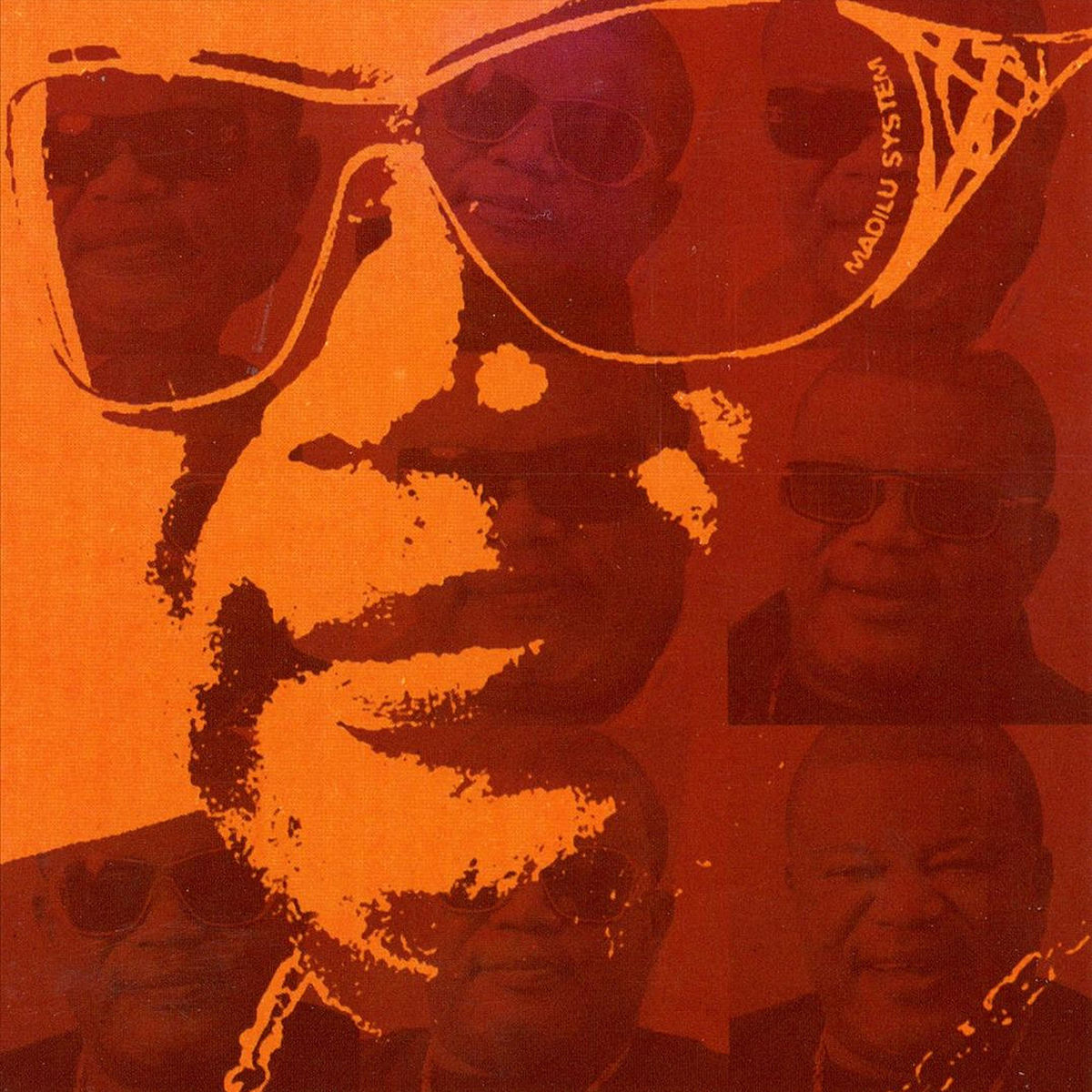
During the 1970s, Franco aligned himself with President Mobutu Sese Seko's Authenticité campaign, writing songs that praised the regime. Despite many members relocating to Europe in the early 1980s, the band stayed productive, releasing hits like "12 600 Lettres" (1984) and "Non" (1983). Franco's collaborations with Madilu System produced standout tracks such as "Mamou" (1984), "Mario" (1985), and "La Vie des Hommes" (1986). In his final years, he addressed rumors of AIDS in the song "Les Rumeurs (Baiser ya Juda)" (1988) and recorded the public health message "Attention Na SIDA."
Career Timeline
Public Image & Style
Franco was revered as "the big man in African music," a figure of immense respect and influence. His public persona combined musical genius with a larger-than-life presence. He was known for his elaborate guitar solos and his ability to capture the social and political mood of his time. His alignment with Mobutu's regime in the 1970s was controversial, but his music transcended politics. Fans across generations and continents still celebrate his work, with annual commemorations of his death.
Fame & Fandom (iFAMOUS Rankings)
Franco Luambo Makiadi remains a towering figure in the annals of African music, his influence stretching far beyond the borders of Zaire. As the 32nd most famous person in Afrobeats, he holds a steady position that reflects decades of enduring relevance and global cultural impact. This ranking places him among the elite architects of the genre, recognized for a sound that defined a nation and inspired generations. His status is not merely historical; it is an active force in how modern listeners engage with Congolese rumba.
The reverence for Franco manifests differently than the frenetic energy of Western pop fandoms. There is no single formalized name for his supporters, who are instead identified by their devotion to TPOK Jazz or the broader tradition of Congolese Rumba. Their loyalty is woven into the fabric of daily life and community memory rather than digital campaigns. Fans gather annually to mark the anniversary of his passing, transforming remembrance into a ritual of collective mourning and celebration. These gatherings, held in Kinshasa and across the diaspora, honor a man who introduced every band member by name during performances, fostering an intimacy that turned audiences into family.
His legacy is further cemented by verified stories of personal tragedy and artistic triumph. The loss of his brother Bavon Marie-Marie in 1970 became a defining moment, inspiring sorrowful compositions like "Kinsiona" that humanized the "Grand Master." When Franco died on October 12, 1989, the unraveling of TPOK Jazz underscored his irreplaceable role as the band's anchor. Today, his music serves as a living archive, studied and celebrated by those who recognize him as the sorcerer of the guitar.
Interesting Facts and Legends
Fans affectionately called him "Franco de Mi Amor," a term of endearment reflecting his deep connection with female admirers. He earned the title "Sorcerer of the Guitar" for his near-mystical playing ability. The song "On Entre O.K., On Sort K.O." provided the original name OK Jazz for his band, establishing a motto that stuck throughout his career. His repertoire covered a vast array of topics including love, marriage, decorum, politics, rivalries, mysticism, and commercialism. He pioneered the "shout-out" practice in Kinshasa rumba, where musicians named patrons in songs for payment. During the AIDS crisis, his track "Attention Na SIDA" served as a notable public health intervention.
A poignant story fans still retell involves the death of his younger brother and musical prodigy, Bavon Marie-Marie, in August 1970. Accounts describe Franco weeping openly over this loss, a moment that humanized the "Grand Master" and led to the composition of the epitaph "Kinsiona." Another legendary aspect of his live shows was the ritual of introducing every one of his orchestra members, often numbering over 50, by name and role. This practice created a unique concert experience where the audience knew every player's identity, fostering immense loyalty to the band.
Family & Personal Life
Franco was twice married, though the names of his spouses and the dates of his marriages are not well documented. His personal life was often marked by well-known infidelities that made headlines. He had children, but specific details about them are scarce. His family life was a recurring theme in his music, which often explored the complexities of love and relationships.
Notable Connections
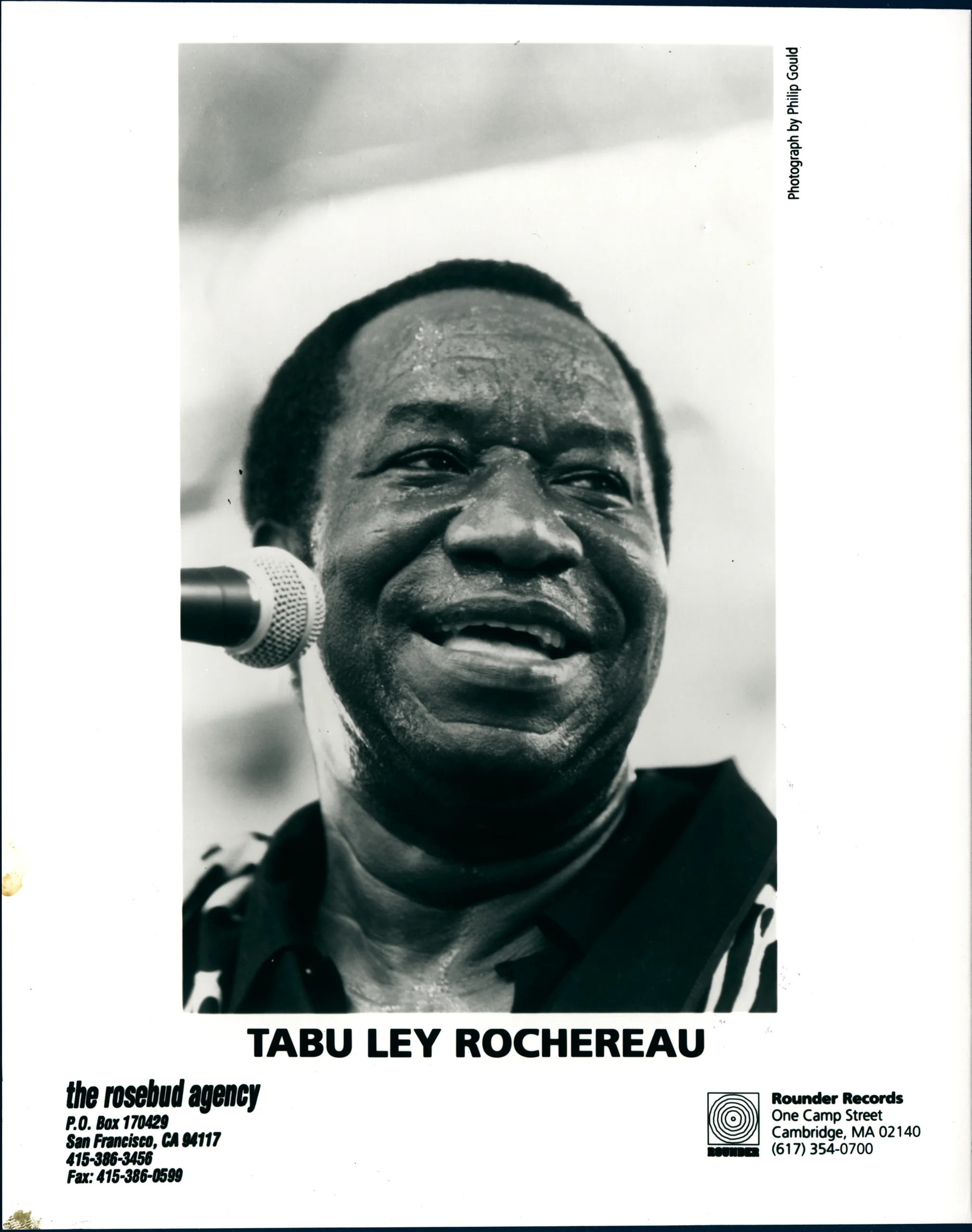
Franco's early mentors included Paul Ebengo Dewayon and Albert Luampasi. Producer Henri Bowane gave him the name "Franco." Vicky Longomba co-led OK Jazz with him from 1967 to 1970. Madilu System was his most frequent collaborator in the 1980s. He also worked with Tabu Ley Rochereau on the 1983 track "Lettre à Mr. Le Directeur Général."
Relationships & Dating History
Franco was twice married, though the names of his spouses and the exact dates of his marriages are not well documented. His personal life was frequently in the headlines due to his well-known infidelities. He was often pursued by female fans, who called him "Franco de Mi Amor." At the time of his death in 1989, he was married, though his wife's name is not recorded in available sources.
- MarriedFranco was married twice, but details are not documented.
Death & Aftermath
Died
October 12, 1989 (aged 51)
Death Place
Brussels, Belgium
Cause of Death
Illness believed to be AIDS
Mobutu Sese Seko, the dictator of Zaire, declared four days of national mourning following the death of François Luambo Luanzo Makiadi, a rare honor that underscored Franco's status as a cultural icon. The Grand Maître passed away on October 12, 1989, in Brussels, Belgium, at the age of 51. Contemporary accounts and retrospective analyses state that he died of an illness believed to be AIDS, a condition linked to his public advocacy; in the late 1980s, he released the song "Attention Na SIDA" to warn his audience about the disease, a move that preceded his own diagnosis and death by months. Specific details regarding the exact medical cause, hospital statements, or autopsy reports have not been made public, leaving the circumstances surrounding his final days generally described as a period of illness rather than a sudden event requiring official inquiry.
The public reaction across Zaire was immediate and profound, with the nation entering a state of collective grief over the loss of the "Congo Colossus." Tributes from institutions and officials were extensive, cementing his legacy as a central figure in 20th-century African music. His funeral took place shortly after his death in Brussels before his remains were likely repatriated to the DRC for a public event of significant magnitude attended by high-ranking officials and thousands of grieving citizens. Decades later, anniversaries of his death continue to be marked by fan gatherings, indicating enduring reverence among rhumba fans who planned to mark the 36th anniversary of his passing in October 2025.
In the posthumous era, Franco's estate has remained active through various releases and honors, including a notable compilation titled Franco Luambo Makiadi Presents Les Editions Populaires (1968-1970) released in February 2024. His legacy is further preserved through documentaries detailing his 40-year career and tributes like the 30th-anniversary feature in 2019, while artists ranging from The Smiths to Fally Ipupa cite his influence.
Net Worth (Estate Value)
$5 Million
iFANN Editorial Team estimate
Franco Luambo's net worth at the time of his death in 1989 is not well documented, but his estate continues to earn from his vast musical catalog. Over his roughly 40-year career, he released more than 150 albums with over 1,000 songs, which still generate royalties from streaming platforms like Spotify and YouTube. A compilation titled "Franco Luambo Makiadi Presents Les Editions Populaires (1968-1970)" was released in 2024, bringing new attention to his early work. Per iFANN's editorial analysis, the estate's value is estimated at around $5 Million as of 2026, based on ongoing royalty income and the enduring popularity of his music. His catalog remains a vital part of African music heritage, and his influence continues to be studied and celebrated.
Awards Won (2)
Franco received two major individual honors: the Officer of the National Order of the Leopard in 1976, a national distinction from Zaire, and the Maracas d'Or in 1982 for his influence on Francophone music. These awards recognized his immense contribution to African music and culture.
1976 · National Honor
Lifetime achievement in music
1982 · Music
Influence on Francophone music
Known For
TPOK Jazz
1956-1989 · Founder and bandleader
Mamou
1984 · Collaboration with Madilu System
Les Rumeurs (Baiser ya Juda)
1988 · Songwriter and performer
Keywords
Sources
Quick Facts
- Profession
- singer, composer, guitarist
- Born
- +1938-07-06
- Birthplace
- Sona-Bata, Kongo Central
- Died
- +1989-10-12
- Death Place
- Mont-Godinne, Belgium
- Gender
- Male
- Birth Sign
- Cancer
Personal Details
- Full Name
- François Luambo Luanzo Makiadi
Frequently Asked Questions
What was Franco Luambo's cause of death?
How many songs did Franco Luambo record?
What is Franco Luambo's net worth in 2026?
Who was Franco Luambo's wife?
What is TPOK Jazz?
Similar People
Join the community
fans discussing