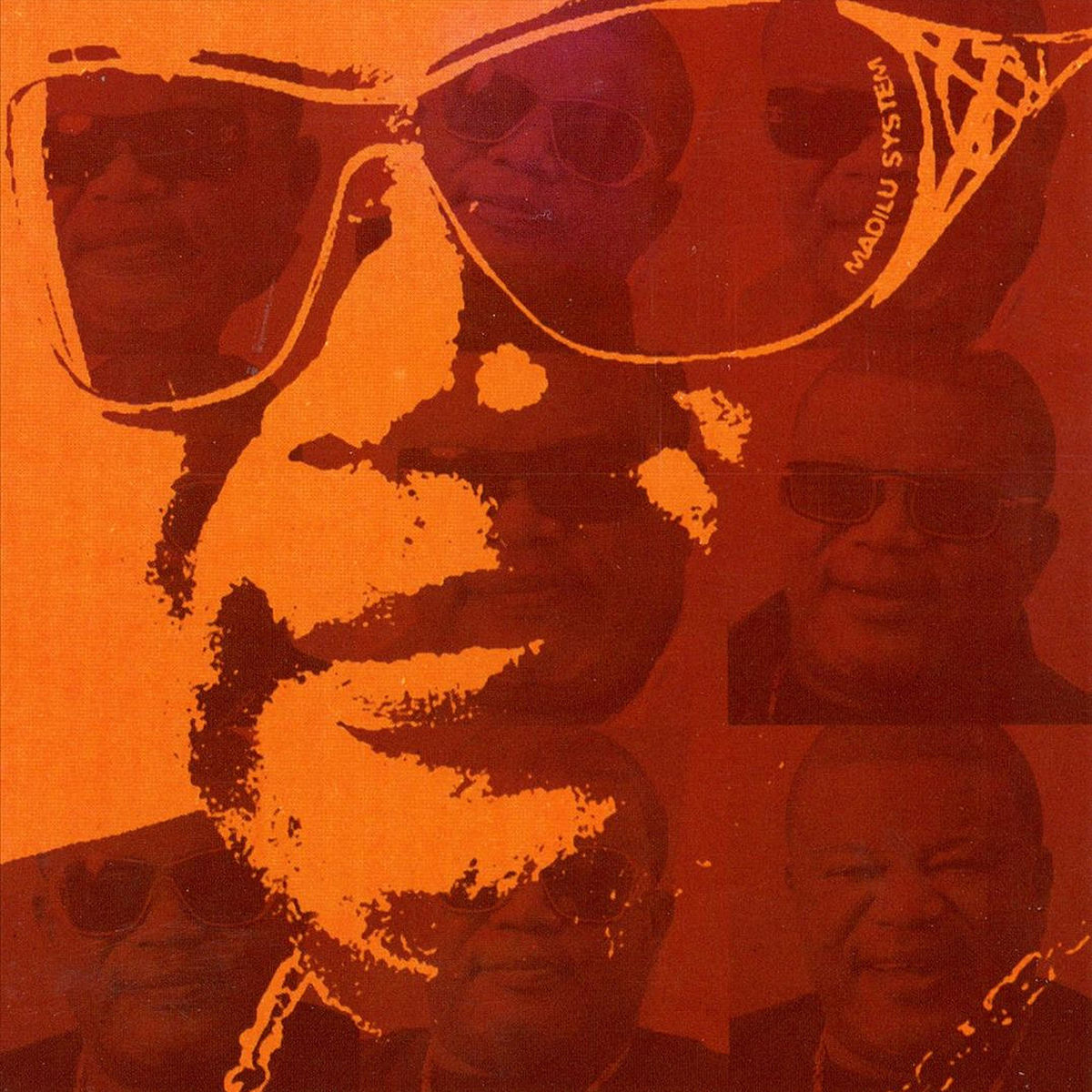
Madilu System
 DR Congo
singer-songwriter•singer•songwriter
Also known as: Madilu Système, Jean de Dieu Makiese, Madilu Multi System, Grand Ninja
Birthday
May 28, 1950
Birth Sign
Sagittarius
Birthplace
Kinshasa, Democratic Republic of the Congo
Age
Died at 57
About
Jean de Dieu Bialu Makiese, known professionally as Madilu System, was a Congolese singer-songwriter and bandleader, widely recognized as a towering figure in Congolese rumba. His rich, husky tenor and disciplined musicality made him one of the genre's most distinctive voices, earning him nicknames like "Madilu Multi System" and "Grand Ninja." Over a career spanning nearly four decades, he moved from backup singer to frontman, leaving an indelible mark on African music. His music continues to resonate with fans across Africa and the diaspora, and his death in 2007 is still commemorated annually. His birth sign is Sagittarius.
Madilu's fame rests on his work with TPOK Jazz, where he became the favorite singer of bandleader Franco Luambo, delivering lead vocals on classics like "Mamou (Tu Vois)" and "Mario." After Franco's death, he launched a successful solo career, releasing albums such as Sans Commentaire and Bonheur. His music continues to influence and connect with audiences, particularly within the rhumba genre, and he is frequently honored through retrospectives and "best of" compilations shared by fans and DJs.
Early Life & Background
Madilu System was born on May 28, 1950, in Kinshasa, then part of the Belgian Congo. Growing up in the bustling capital, he was surrounded by the vibrant sounds of rumba and soukous that filled the city's bars and dance halls. His musical journey began in 1969 when he joined Orchestre Symba, a local band that gave him his first taste of performing. He later moved to Orchestre Bella Bella, another prominent group, honing his skills as a vocalist.
In the early 1970s, Madilu co-founded Orchestre Bakuba Mayopi, where he gained early recognition with the hit "Pamba-Pamba." The song's success showcased his talent and led to a brief tenure with Tabu Ley Rochereau's Afrisa International. However, it was his move to Franco Luambo's TPOK Jazz in the early 1980s that would define his career. Initially relegated to backup vocals, his powerful voice soon caught Franco's ear, and by 1983 he was featured prominently on the pivotal track "Non."
Career Growth
Madilu's breakthrough came with the 1983 TPOK Jazz track "Non," where his lead vocals stood out. The following year, he delivered the enduring hit "Mamou (Tu Vois)," and in 1985 he duetted with Franco on "Mario," a song that became a classic. Franco's trust in Madilu was evident; he often referred to him as his favorite singer, and Madilu's voice became synonymous with TPOK Jazz's golden era.
After Franco's death in 1989 and internal shifts within TPOK Jazz, Madilu embarked on a solo career. He formed his own band, Tout Puissant Multi-Système, and divided his time between Kinshasa and Europe. During this period, he released several albums, including Sans Commentaire (1993), Album '95 (1995), L'eau (1998), Pouvoir (1999), Bonheur (2001), and La Bonne Humeur (2007). He also collaborated with artists like Nyboma and Zaïko Langa Langa, and contributed to the Afro-salsa collective Africando.
Career Timeline
Public Image & Style
Madilu System's public image was that of a refined, disciplined artist in a genre often associated with flamboyance. He was known for his smooth, husky tenor and his ability to convey deep emotion through song. Fans admired his humility and his dedication to his craft, which earned him respect across generations. In Kenya, where he was a regular visitor to the coast, he was particularly beloved, and his death anniversaries are still marked with tributes and retrospectives. His music, characterized by its melodic richness and lyrical depth, continues to be celebrated in rumba circles.
Fame & Fandom (iFAMOUS Rankings)
Madilu System cultivated a fanbase that operates without a formal name, relying instead on the organic reverence of Congolese music enthusiasts and the pan-African diaspora who preserve his legacy through independent curation and annual remembrances. His audience does not mobilize for branded campaigns but sustains his catalog via grassroots playlists and DJ sets that blend his classics with contemporary sounds, ensuring his voice remains a staple in clubs and radio across generations. This enduring connection is reflected in global metrics where Madilu System is currently the 86th most famous person in Afrobeats, a position down from 84th last cycle according to the iFANN Global Fame Rankings. The authority of this standing places him among the genre's most recognized figures, cementing his status as a Rumba King alongside historical legends like Franco Luambo.
The narrative of his fandom is defined by deep emotional bonds rather than organized structures, with admirers often grouping him within the collective celebration of the Golden Age of Congolese rumba. While no specific acronyms or centralized digital movements exist, the consistent rotation of his work in modern mixes demonstrates a sustained cultural footprint. These rankings confirm that his influence extends far beyond his lifetime, maintaining relevance through the sheer volume of his output and the timeless quality of his songwriting.
Interesting Facts and Legends
Madilu's nickname "System" originated from his meticulous, systematic approach to music, a discipline that distinguished him from peers. He was also known as "Grand Ninja," a reference to his stealthy vocal control. Despite his fame, he remained humble, frequently crediting Franco for his success. A lifelong football supporter, he backed AS Vita Club, a Kinshasa-based team. In his later years, he lived part-time in Switzerland, where he married, blending his African roots with European life. A central pillar of his legend involves his tenure with TPOK Jazz in the mid-1980s, where he transitioned from Franco's protégé to his favorite singer before launching a solo career that rivaled his mentor's commercial success. Fans widely retell the story of his departure as a pivotal moment in Soukous history that marked the end of an era. Another recurring theme in his lore is his connection to the working class; stories describe how he wrote songs based on conversations with ordinary people in markets and street corners, ensuring his music remained accessible. His death in 2007 triggered massive public mourning, with thousands attending his funeral in Kinshasa, an event remembered as a moment when the nation paused to honor a single artist.
Notable Quotes
“Music is my life, and I give it everything I have.”
“Franco taught me that discipline is the key to greatness.”
“I sing for the people, and their joy is my reward.”
Family & Personal Life
Madilu System was married to Biya Madilu, and they had children together. He kept his family largely out of the public eye, but those close to him described him as a devoted father who valued his role as a provider. His family remained in Kinshasa, where they continue to honor his memory.
Notable Connections
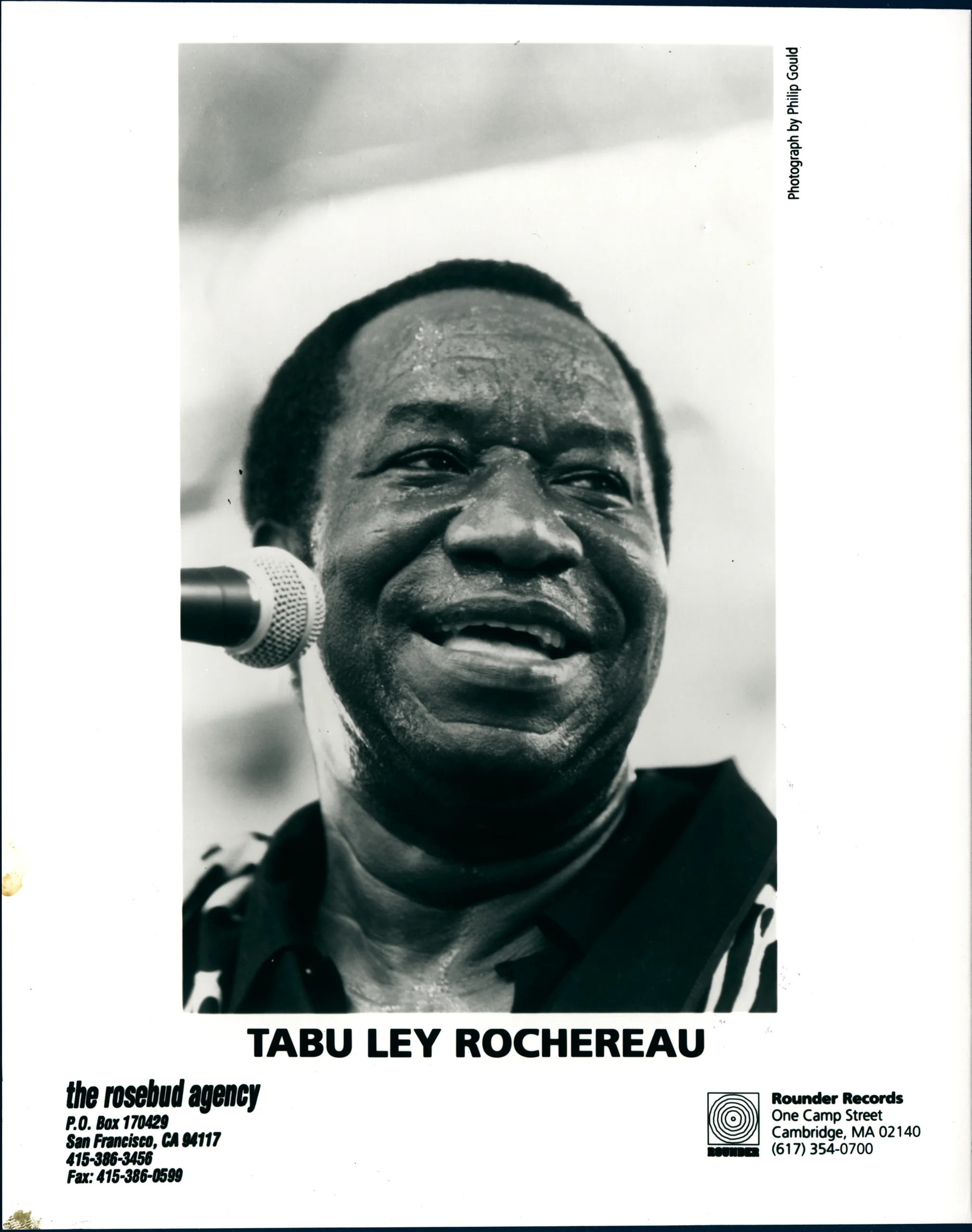
Madilu System is closely associated with Franco Luambo, the legendary leader of TPOK Jazz, who considered him his favorite singer. He also collaborated with Tabu Ley Rochereau, another rumba giant, and worked with artists like Nyboma and the Afro-salsa collective Africando. His influence extends to modern rumba artists who cite him as an inspiration.
Relationships & Dating History
Madilu System's personal life was relatively private. In August 1995, he wedded an older Swiss woman, a union that drew attention due to the age difference and cross-cultural nature. This second marriage was part of his life as he divided his time between Kinshasa and Europe. At the time of his death on August 11, 2007, he was married to Biya Madilu, who survived him.
- MarriedBiya MadiluCurrentMarried to Biya Madilu, with whom he had children.
- MarriedUnknown Swiss woman1995 - presentMarried an older Swiss woman in August 1995.
Death & Aftermath
Died
August 11, 2007 (aged 57)
Death Place
Kinshasa, Democratic Republic of the Congo
Cause of Death
Unknown
Jean de Dieu Bialu Makiese, professionally known as Madilu System, died on August 11, 2007, in Kinshasa, Democratic Republic of the Congo. He was 57 years old at the time of his death following nearly four decades of activity as a performer. Reports simply state that he died without elaborating on the medical circumstances.
Thousands of mourners gathered in the streets of Kinshasa on August 23, 2007, to honor the singer, marking one of the largest public displays of grief for a Congolese artist. The BBC reported on the massive turnout of mourners who took to the streets to honor his legacy as the king of rumba. Funeral arrangements were conducted in Kinshasa following his death, serving as a de facto memorial service given the scale of the street demonstrations. His wife, Biya Madilu, and their children are noted as survivors present during these proceedings. Annual remembrances by African media outlets and the continued release of his music in mixes and compilations by DJs preserve his status as a superstar.
Posthumously, his estate continues to be managed through digital streaming platforms where he maintains approximately 188,800 monthly listeners on Spotify, with his catalog featured on major music services globally. Media retrospectives later commemorated his legacy through anniversaries in 2020, 2024, and 2025, highlighting his status as a superstar and Franco Luambo Makiadi's favorite singer.
Net Worth (Estate Value)
$5 Million
iFANN Editorial Team estimate
Madilu System's financial legacy is anchored in his extensive discography and the enduring popularity of his music throughout nearly four decades of activity. During his career, he earned revenue from album sales, live performances, and royalties, though exact contemporary figures were rarely disclosed. Per iFANN's editorial analysis, the total value of his estate stands at $5 Million. As of 2026, his estate continues to generate income through streaming platforms like Spotify and YouTube, where his songs have accumulated millions of plays. His music remains a staple in rumba playlists, ensuring a steady stream of royalties for his family. The estate is managed by his heirs, who have kept his catalog active and visible to new audiences.
Awards & Accolades
Known For
Mamou (Tu Vois)
1984 · Lead vocalist with TPOK Jazz
Mario
1985 · Duet with Franco Luambo
Non
1983 · Lead vocalist with TPOK Jazz
Keywords
Sources
Quick Facts
- Profession
- singer-songwriter, singer, songwriter
- Born
- May 28, 1950
- Birthplace
- Kinshasa, Democratic Republic of the Congo
- Died
- August 11, 2007
- Death Place
- Kinshasa, Democratic Republic of the Congo
- Gender
- Male
- Birth Sign
- Sagittarius
Personal Details
- Full Name
- Jean de Dieu Bialu Makiese
- Spouse
- Biya Madilu
Frequently Asked Questions
Who was Madilu System?
How did Madilu System die?
What is Madilu System's net worth?
Why is Madilu System famous?
Was Madilu System married?
Similar People
Join the community
fans discussing