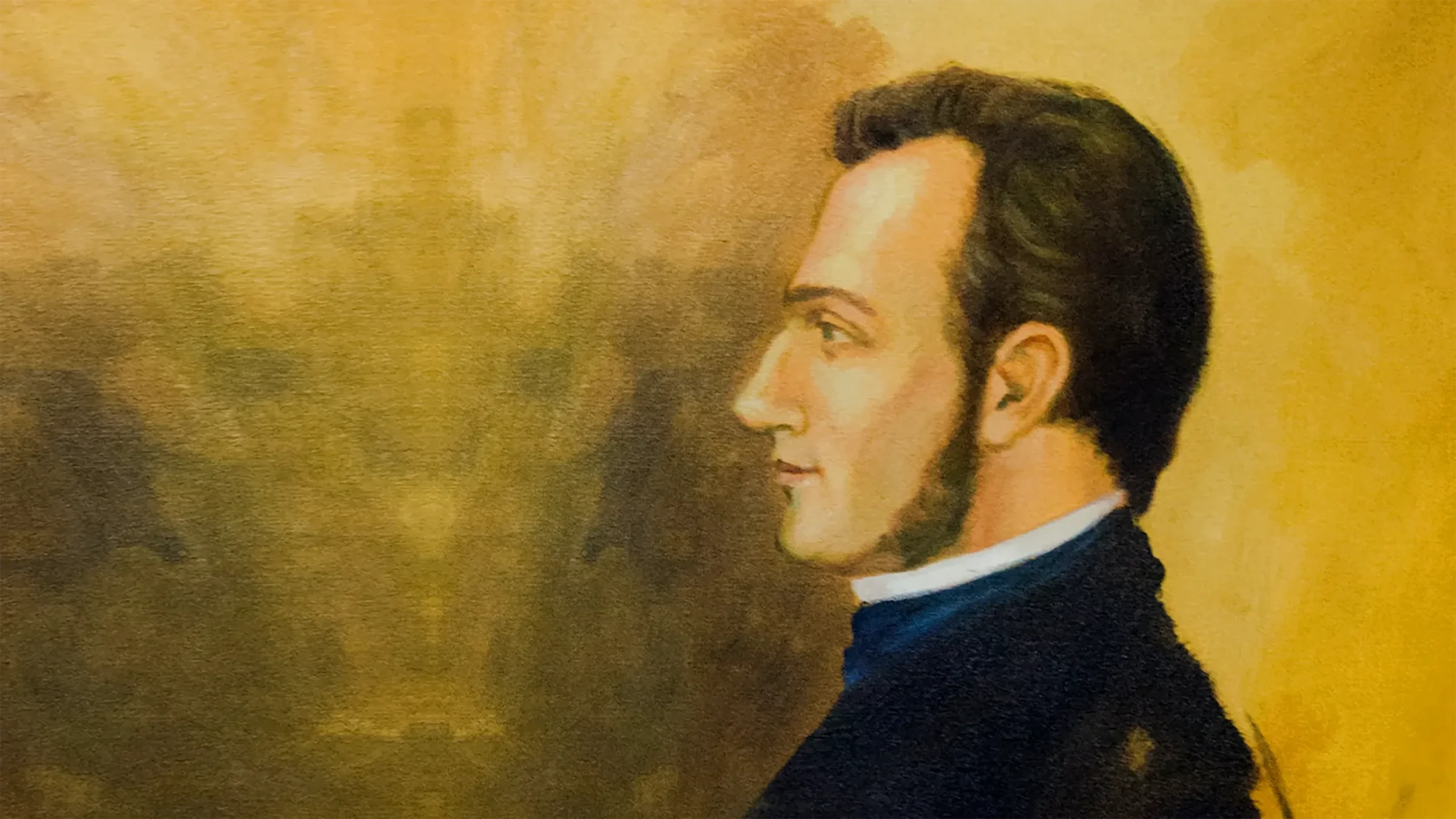
Francisco Morazán
 Guatemala
Also known as: Don Paco, The Liberator of Central America
Birthday
October 3, 1792
Birth Sign
Libra
Birthplace
Tegucigalpa, Captaincy General of Guatemala
Age
Died at 49
Height
5 ft 7 in (170 cm)
About
José Francisco Morazán Quezada was a Central American statesman, military officer, and visionary leader who served as the president of the Federal Republic of Central America on three separate occasions between 1829 and 1839. Born in Tegucigalpa, he is widely remembered as the "Liberator of Central America" for his relentless efforts to unite the five nations of the region into a single federal republic. His career was defined by a series of rapid political rises and dramatic military campaigns that reshaped the geopolitical landscape of the isthmus during the early nineteenth century.
Morazán implemented sweeping liberal reforms that challenged the traditional power structures of the time, including the separation of church and state, freedom of the press, and secular marriage. Although his dream of a unified Central America ultimately collapsed under the weight of regional conservatism and civil war, his legacy endured long after his execution. He remains a towering figure in Latin American history, celebrated for his intellect, courage, and unwavering commitment to democratic ideals.
Early Life & Background
Francisco Morazán entered the world on October 3, 1792, in Tegucigalpa, then part of the Spanish Empire's Captaincy General of Guatemala. His early years were marked by significant hardship; his father died when he was young, leaving the family in poverty. Despite these financial struggles, Morazán displayed a sharp aptitude for learning and strategy. He faced steep obstacles in obtaining a formal education because schools were scarce in his hometown and because, as a criollo born in the New World, he was denied the same opportunities afforded to those born in Spain.
His entry into public life began in 1810 when he joined a local militia as a lieutenant. This initial step set the stage for his future dominance in the region's politics. By 1821, he had become a vocal opponent of Mexico's attempt to annex Central America, fighting fiercely to preserve the area's independence. His pivotal moment arrived at the Battle of La Trinidad on November 11, 1827, where he defeated conservative forces loyal to the Mexican annexationist government. This victory secured his reputation as a brilliant strategist and propelled him onto the national stage just as the newly independent states began to fracture along ideological lines.
Career Growth
Following his breakthrough at La Trinidad, Morazán rose through the ranks with incredible speed. He was elected President of the State of Honduras in 1826 and began implementing liberal reforms that separated church and state. In 1829, he was elected President of the Federal Republic of Central America, a position he held until 1830. He served two more terms between 1830 and 1839, during which he enacted some of the most progressive legislation in the hemisphere, including freedom of speech, secular marriage, and the abolition of tithing.
His leadership was not without conflict. He traveled extensively throughout El Salvador, Costa Rica, and Nicaragua to enforce central authority and suppress regional separatism. However, by 1837, the Federal Republic had become irreparably fractured due to bitter infighting between liberals and conservatives. Conservative forces led by Rafael Carrera in Guatemala eventually defeated him, forcing him to resign and flee into exile. He briefly returned to serve as Head of State of El Salvador in 1840 before being forced out again. His final attempt to restore the federation in 1842 ended in his capture and subsequent execution, marking the end of his political career but the beginning of his legendary status.
Career Timeline
Public Image & Style
Morazán is portrayed as the ideal of the selfless patriot, brave, intelligent, and willing to sacrifice everything for the greater good. Media portrayals emphasize his tragedy as a man ahead of his time who was destroyed by the very forces he tried to unite. His image is consistently associated with military precision, intellectual depth, and an unwavering moral compass. He is rarely depicted as a flawed human being but rather as a stoic hero who embodied the highest aspirations of the liberal cause in the nineteenth century.
Fame & Fandom (iFAMOUS Rankings)
iFANN has not yet collected fame data for this person. While there are no modern rankings or pop-culture metrics, Morazán maintains a devoted legacy base consisting of historians, students, and political activists across Central America. His birthday, October 3rd, is celebrated annually as "Francisco Morazán Day" in Honduras and other parts of the region, marked by parades, school events, and official ceremonies. The story of his refusal to be blindfolded and his final shout is a staple of folklore, often retold to schoolchildren as a lesson in courage and patriotism. There is no formal fandom name documented for his supporters, but his influence permeates the cultural identity of the region.
Interesting Facts and Legends
Historical accounts describe Morazán as a man of exceptional eloquence who spoke both Spanish and French fluently. He was known for wearing his military uniform even in civilian settings to project authority and maintain a sense of discipline. One enduring legend states that he refused to be blindfolded before his execution, choosing to face his fate with dignity while shouting his final slogan. Despite his tragic end, his vision of a unified Central America continues to inspire political movements seeking regional integration today. He is often compared to Simón Bolívar, earning the title "the Simon Bolívar of Central America." His name now graces the department containing the capital city of Honduras, as well as numerous universities and cities across the region.
Notable Quotes
“I am a soldier of liberty, and I will die for it.”
“The only way to save the country is to unite it.”
“¡Viva la República!”
“Liberty is the foundation of all happiness.”
Family & Personal Life
Francisco Morazán was married to María Josefa Lastiri, the daughter of a prominent local family in Tegucigalpa. Their union was both personal and deeply political, as she was a staunch supporter of his liberal ideals and managed his household and correspondence while he was away on military campaigns. They had several children together, though historical records focus less on their individual names and more on their role as symbols of the nation's future. Upon Morazán's execution in 1842, his wife did not survive long; she died shortly after from grief and illness, cementing her place in history as a tragic figure alongside him.
Notable Connections
Relationships & Dating History
Francisco Morazán's romantic life was centered entirely around his marriage to María Josefa Lastiri. They met in Tegucigalpa, where she was the daughter of a prominent local family. Their relationship was deeply intertwined with his political career, as she actively supported his liberal ideals and managed his affairs while he campaigned across Central America. They remained married until his death in 1842. There are no recorded instances of other romantic relationships or flings; Morazán was a man consumed by his public duties and the struggle for national unity. After his execution, María Josefa died shortly thereafter, reportedly from grief, leaving no further chapters to their shared story.
- MarriedMaría Josefa Lastiri1815 - 1842Married until his death; she died shortly after from grief.
Death & Aftermath
Died
September 15, 1842 (aged 49)
Death Place
San José, Costa Rica
Cause of Death
Execution by firing squad
On September 15, 1842, the man who had dedicated his life to unifying Central America met a tragic end near San José, Costa Rica. Morazán had returned to the region hoping to rally support for a final campaign to restore the Federal Republic, but he was betrayed by local leaders and arrested shortly after landing. Despite pleas from international figures and former political rivals to spare his life, the conservative authorities in Costa Rica ordered his immediate execution. He faced his death with remarkable composure, walking calmly to the firing squad in his military uniform and refusing to be blindfolded.
As the shots rang out, he reportedly shouted "¡Viva la República!" before falling. The event sent shockwaves across the isthmus and turned him into an instant martyr for the liberal cause. His body was initially buried in an unmarked grave, a deliberate attempt to erase his legacy, but it was later exhumed and reinterred with honors. In the years following his death, the narrative of his sacrifice fueled the liberal movement for decades. Statues were erected in his name throughout the region, and his birthday became a national holiday in Honduras. Just one year after his execution, the Federal Congress officially declared him a "Benefactor of the Homeland," cementing his status as the foundational myth of modern Central American nationalism.
Net Worth (Estate Value)
$0
iFANN Editorial Team estimate
As a historical figure from the nineteenth century, Francisco Morazán does not have a net worth in the modern financial sense. He lived during an era where wealth was measured in land and political influence rather than liquid assets. There are no records of personal fortune accumulation comparable to contemporary celebrities. His estate value is effectively zero as he left behind no significant financial legacy for his descendants. The economic impact of his life is purely symbolic, reflected in the naming of institutions and geographical locations rather than monetary holdings.
Awards & Accolades
View 7 records, honours and achievementsKnown For
Federal Republic of Central America
1829 · President
Battle of La Trinidad
1827 · Military Commander
Honduran Independence Movement
1821 · Leader
Keywords
Sources
Quick Facts
- Profession
- politician, writer, soldier
- Born
- October 3, 1792
- Birthplace
- Tegucigalpa
- Died
- September 15, 1842
- Death Place
- San José, Costa Rica
- Gender
- Male
- Spouse
- María Josefa Lastiri
- Birth Sign
- Libra
Personal Details
- Full Name
- José Francisco Morazán Quezada
- Height
- 5 ft 7 in (170 cm)
- Spouse
- María Josefa Lastiri
- Children
- Several children with María Josefa Lastiri
- Education
- Limited formal education; self-taught in military strategy and law
Frequently Asked Questions
Who was Francisco Morazán?
When did Francisco Morazán die?
Why is Francisco Morazán famous?
What is the significance of Francisco Morazán Day?
Did Francisco Morazán have children?
Join the community
fans discussing