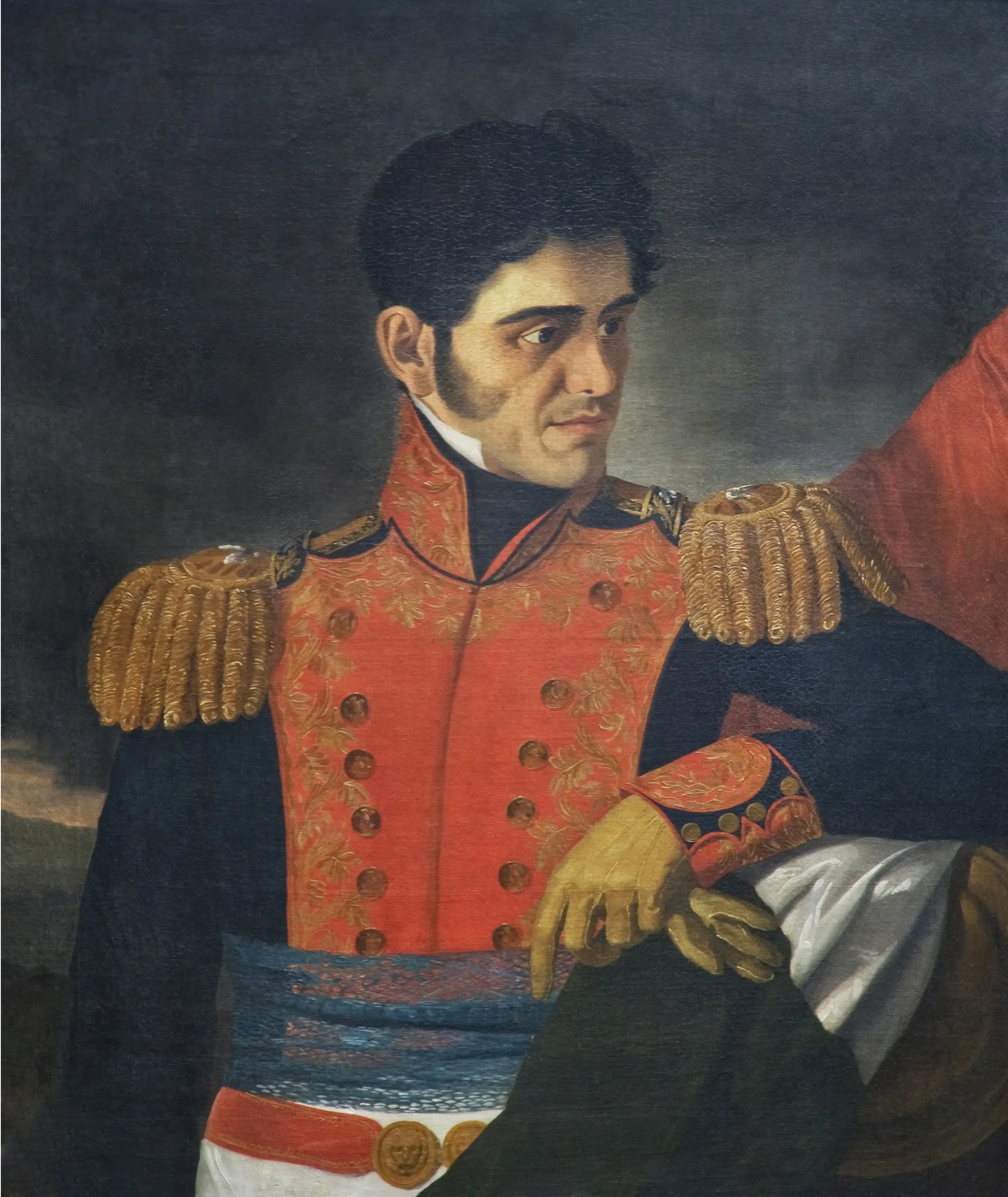
Antonio López de Santa Anna
 Mexico
Also known as: Don Antonio, The Victor of Tampico, His Most Serene Highness
Birthday
February 21, 1794
Birth Sign
Sagittarius
Birthplace
Xalapa, Veracruz, Mexico
Age
Died at 82
Height
5 ft 10 in (178 cm)
About
Antonio López de Santa Anna was a Mexican general and politician who served as president eleven times between 1833 and 1855. Born into a prominent colonial family in Xalapa, he became the central figure of 19th-century Latin American politics. His career defined the volatile "Age of Santa Anna," characterized by constant shifts between liberal and conservative factions. He stood approximately 5 feet 10 inches tall, considered tall for a Mexican man of his era. Known for his flamboyant dress and elaborate uniforms, he adopted grandiose titles like "His Most Serene Highness." He died on June 21, 1876, in Mexico City at the age of 82, having spent his final years in obscurity after losing power to Benito Juárez.
Early Life & Background
Born Antonio de Padua María Severino López de Santa Anna y Pérez de Lebrón on February 21, 1794, in Xalapa, Veracruz, Santa Anna entered the world into a society still under Spanish rule. His father, José María López de Santa Anna, held a minor official post, while his mother, Manuela Pérez de Lebrón, came from a well-to-do local family. This background provided him with access to basic schooling, though he would eventually rely heavily on his own ambition and self-education to master military strategy. As a young man, he joined the Spanish colonial militia in 1810, initially fighting against the very independence movement led by Miguel Hidalgo that would eventually define his legacy.
His early allegiance to the crown was short-lived. By 1821, the political winds had shifted dramatically, and Santa Anna switched sides to support Agustín de Iturbide's Plan of Iguala. This strategic pivot played a key role in securing Mexico's independence from Spain. Before his rise to national prominence, he was known for his charisma and flair for the dramatic. His first major breakthrough occurred during the political upheavals of the 1820s, where he leveraged his military influence to become a kingmaker. In 1822, he helped overthrow Iturbide, establishing himself as a leader capable of shifting allegiances to suit the prevailing political winds. He also played a pivotal role in the establishment of the First Mexican Republic in 1823.
Career Growth
Santa Anna's career was marked by a pattern of rising to power, consolidating authority, and being forced out, only to return again. In 1829, he defeated the Spanish invasion at Tampico, earning the title "The Victor of Tampico" and significant public adoration. He was elected President of Mexico for the first time in 1833, though he often delegated daily governance to his vice president, Valentín Gómez Farías. The period from 1835 to 1836 saw him lead Mexican forces during the Texas Revolution. He besieged the Alamo in February 1836 and defeated the Texian army, but was captured at the Battle of San Jacinto on April 21, 1836, just 18 days later.
During the Pastry War with France in 1838, Santa Anna lost his left leg below the knee defending Veracruz. He buried the limb with full military honors. He returned to power as a dictator in 1841, adopting the title "His Most Serene Highness." His leadership during the Mexican-American War (1846–1848) resulted in the loss of over half of Mexico's territory to the United States following the Treaty of Guadalupe Hidalgo. His final presidency ended in exile in 1855 after the liberal revolution led by Juan Álvarez and Ignacio Comonfort, culminating in the Plan of Ayutla. He was awarded the Grand Cross of the Order of Guadalupe and named "Libertador del Sur" for his earlier victories.
Career Timeline
Public Image & Style
Viewed as a caudillo (strongman) who prioritized personal power over national interest, Santa Anna is often remembered as the villain of the Alamo in the U.S. In Mexico, opinions are mixed; some view him as a defender of sovereignty, while others blame him for the loss of territory. He was known for his flamboyant dress, including elaborate uniforms and a distinctive hat. After losing his leg, he wore a wooden prosthesis, which he reportedly used as a prop for public appearances. His style of rule was often described as ostentatious and dictatorial, with the military frequently used to dissolve legislative bodies. Legend dictates that he kept other prosthetic legs in a trunk and sold them as souvenirs after his death, though historical evidence suggests he only had one.
Fame & Fandom
The 190th anniversary of the Alamo siege in February 2026 saw new bronze artifacts unearthed, yet the man behind the siege remains a figure of historical gravity rather than modern adoration. Antonio López de Santa Anna holds no formal fanbase or organized following; his legacy is one of cautionary tales and national origin stories rather than celebrity worship. Despite the absence of a dedicated cult, his name carries immense weight across the Americas. He stands as the 44th most famous person in Mexico, a ranking that has held steady through shifting political tides. This prominence extends beyond his birthplace, placing him as the 32nd most famous individual from Mexico globally. These placements within the iFANN Global Fame Rankings reflect a deep, enduring resonance that tracks global attention across media coverage, search, and consumption signals worldwide. The data confirms his status as a central character in the region's narrative, even if the story he tells is often one of conflict. There are no birthday billboards, no fan-funded campaigns, and no rituals where followers gather to honor his memory. Instead, the public engagement with Santa Anna manifests through educational pilgrimages and archaeological discoveries that keep the physical evidence of his campaigns alive. His fame is not driven by the whims of a contemporary audience but by the sheer scale of his impact on the formation of nations.
Interesting Facts and Legends
While in exile in Florida in the 1830s, Santa Anna attempted to commercialize chicle (gum sap) as a substitute for rubber. Although he failed commercially, his efforts laid the groundwork for the chewing gum industry, popularized later by Thomas Adams. Historical accounts verify that he buried his amputated leg with full military honors, though folklore suggests he kept other prosthetic legs in a trunk and sold them as souvenirs after his death. Legend dictates that after leading his forces to victory at the Alamo, Santa Anna was captured just 16 days later at the Battle of San Jacinto. Folklore describes this defeat as an 18-minute battle, a staple of Texan storytelling that cemented his role as the antagonist in the founding mythology of Texas. In 2026, archaeological discoveries at the Alamo site, including an intact four-pound bronze cannonball dated directly to the 1836 battle, reinforced these narratives in public discourse. Additionally, his prosthetic leg returned to display at the Illinois State Military Museum in August 2026. He changed his name and titles frequently, sometimes adding grandiose epithets. He was also awarded the Legion of Honor by France, though this was likely honorary given the conflict.
Notable Quotes
“I am the man.”
“My policy is to be a liberal when I can be a liberal and a conservative when I must be a conservative.”
Family & Personal Life
Santa Anna was married twice. His first wife, Inés García de López de Santa Anna, was a wealthy widow from Veracruz whom he married in 1825. They met through social circles in Xalapa, and the marriage was arranged to consolidate his financial standing and social connections. They had several children together, including Manuel López de Santa Anna, who later became a general. Inés died in 1844, leaving Santa Anna widowed. Shortly after her death, he married María Dolores Tosta, a young woman from a prominent family. This union provided him with emotional stability during his later years of exile and poverty. She accompanied him into exile in Cuba, Colombia, and finally back to Mexico City. They remained married until his death in 1876.
Notable Connections
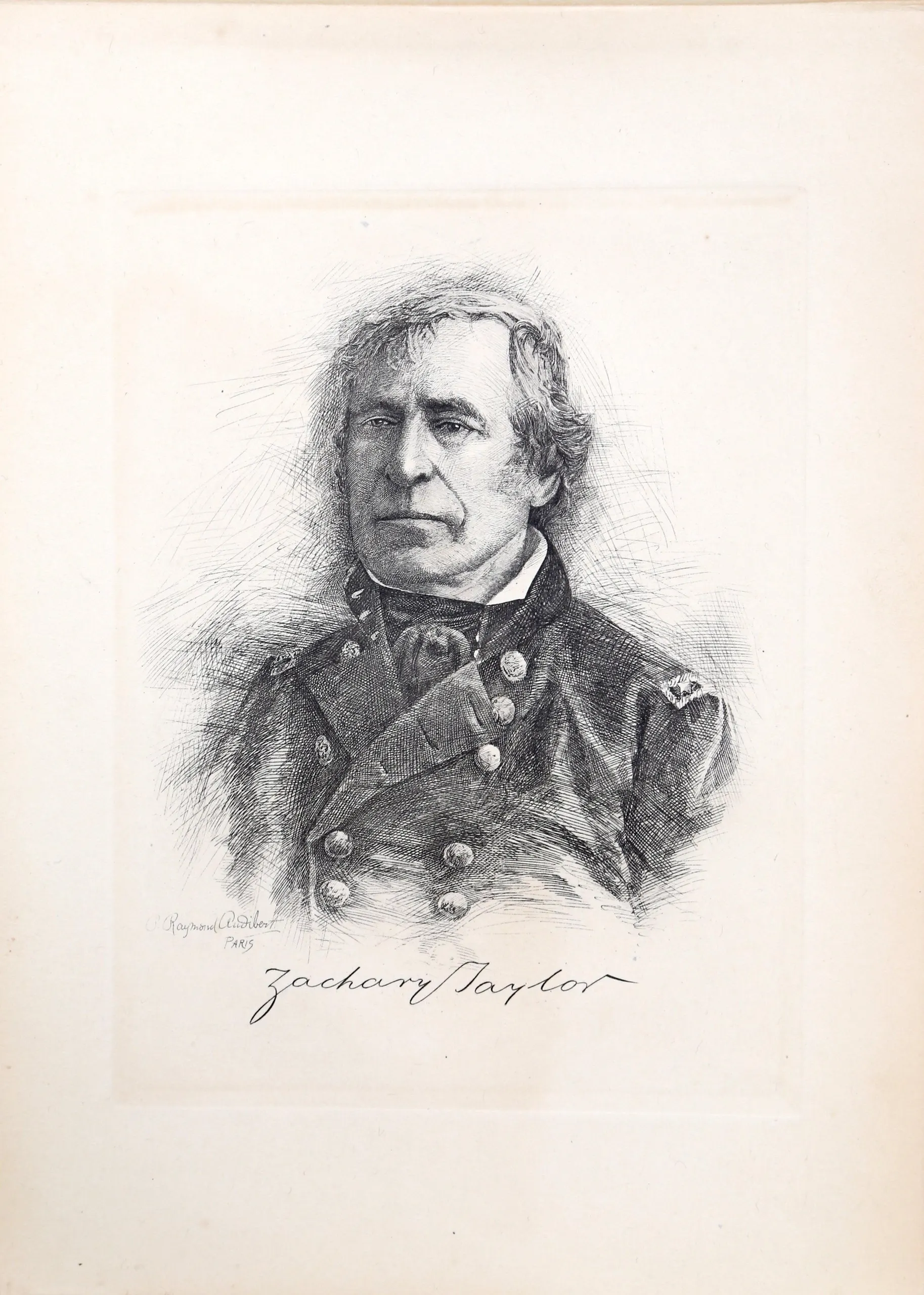
Inés García, María Dolores Tosta, Manuel López de Santa Anna, Benito Juárez, Sam Houston, Zachary Taylor, Miguel Hidalgo, Agustín de Iturbide.
Relationships & Dating History
Santa Anna's romantic life was relatively conventional compared to his political volatility, though his marriages were politically strategic. He married Inés García de López de Santa Anna in 1825. Inés was a wealthy widow from Veracruz whom he met through social circles in Xalapa. The marriage was arranged to consolidate his financial standing and social connections. They had several children together, including Manuel López de Santa Anna, who later became a general. Inés died in 1844, leaving Santa Anna widowed. Shortly after Inés's death, Santa Anna married María Dolores Tosta, a young woman from a prominent family. This union provided him with emotional stability during his later years of exile and poverty. She accompanied him into exile in Cuba, Colombia, and finally back to Mexico City. They remained married until his death in 1876.
- MarriedInés García1825 - 1844Wealthy widow from Veracruz; they had several children together.
- MarriedMaría Dolores Tosta1844 - 1876Young woman from a prominent family; accompanied him into exile.
Death & Aftermath
Died
June 21, 1876 (aged 82)
Death Place
Mexico City
Cause of Death
Natural causes following physical decline
By the summer of 1876, Antonio López de Santa Anna dwelled in a modest residence in Mexico City. The man who had ruled Mexico a dozen times spent his final years in a state of embittered obscurity. On June 21, 1876, he passed away at the age of 82 within these quiet walls. The precise medical cause of his passing remains unrecorded in any surviving autopsy report or coroner's ruling, though historical accounts describe a body worn down by financial ruin and physical decline. Public reaction to his demise reflected the deep polarization of his legacy; the former hero was viewed by many as a failed caudillo responsible for national instability. His funeral details remain sparse, with records confirming only that the burial took place in Mexico City. Specifics regarding attendees or the nature of the service are lost to time. His estate dissolved into poverty, leaving behind little more than the remnants of a once-mighty empire built on shifting allegiances. Decades later, history has preserved him through museum exhibits and educational texts rather than mourning his person. One tangible artifact of his military career, a prosthetic leg lost during the Pastry War, recently returned to display at the Illinois State Military Museum. The exact location of his grave remains a subject of historical interest.
Net Worth (Estate Value)
$0
iFANN Editorial Team estimate
Santa Anna died in poverty. Despite accumulating vast wealth during his various presidencies, often through corruption, land grants, and selling government assets, he squandered much of it on lavish lifestyles, military campaigns, and failed investments. By the time of his death in 1876, his estate was essentially insolvent. Historical records indicate he left behind little more than personal effects and debts. Modern valuation of his estate is negligible as he does not have a net worth in 2026. His "value" is cultural and historical. Any posthumous revenue from licensing his name or image is minimal and managed by museums or educational institutions rather than an estate. Wealth sources historically included land holdings in Veracruz, bribes, government salaries, and speculative ventures. He famously owned a plantation and a large hacienda, which he eventually lost. His estate dissolved into poverty, leaving behind little more than the remnants of a once-mighty empire built on shifting allegiances.
Awards & Accolades
View 6 records, honours and achievementsKnown For
Battle of the Alamo
1836 · Commander of Mexican Forces
Mexican-American War
1846 · President and General
Pastry War
1838 · Commander
Keywords
Sources
Quick Facts
- Profession
- politician, military officer
- Born
- February 21, 1794
- Birthplace
- Xalapa, Veracruz, Mexico
- Died
- June 21, 1876
- Death Place
- Mexico City
- Gender
- Male
- Spouse
- María Dolores Tosta
- Birth Sign
- Sagittarius
Personal Details
- Full Name
- Antonio de Padua María Severino López de Santa Anna y Pérez de Lebrón
- Height
- 5 ft 10 in (178 cm)
- Spouse
- María Dolores Tosta
- Children
- Manuel López de Santa Anna, Francisca López de Santa Anna, and others
- Education
- Basic education; largely self-taught in military strategy
Frequently Asked Questions
How many times was Santa Anna president?
Why did Santa Anna lose his leg?
What happened at the Alamo?
Did Santa Anna invent chewing gum?
Where is Santa Anna buried?
Similar People

Join the community
fans discussing