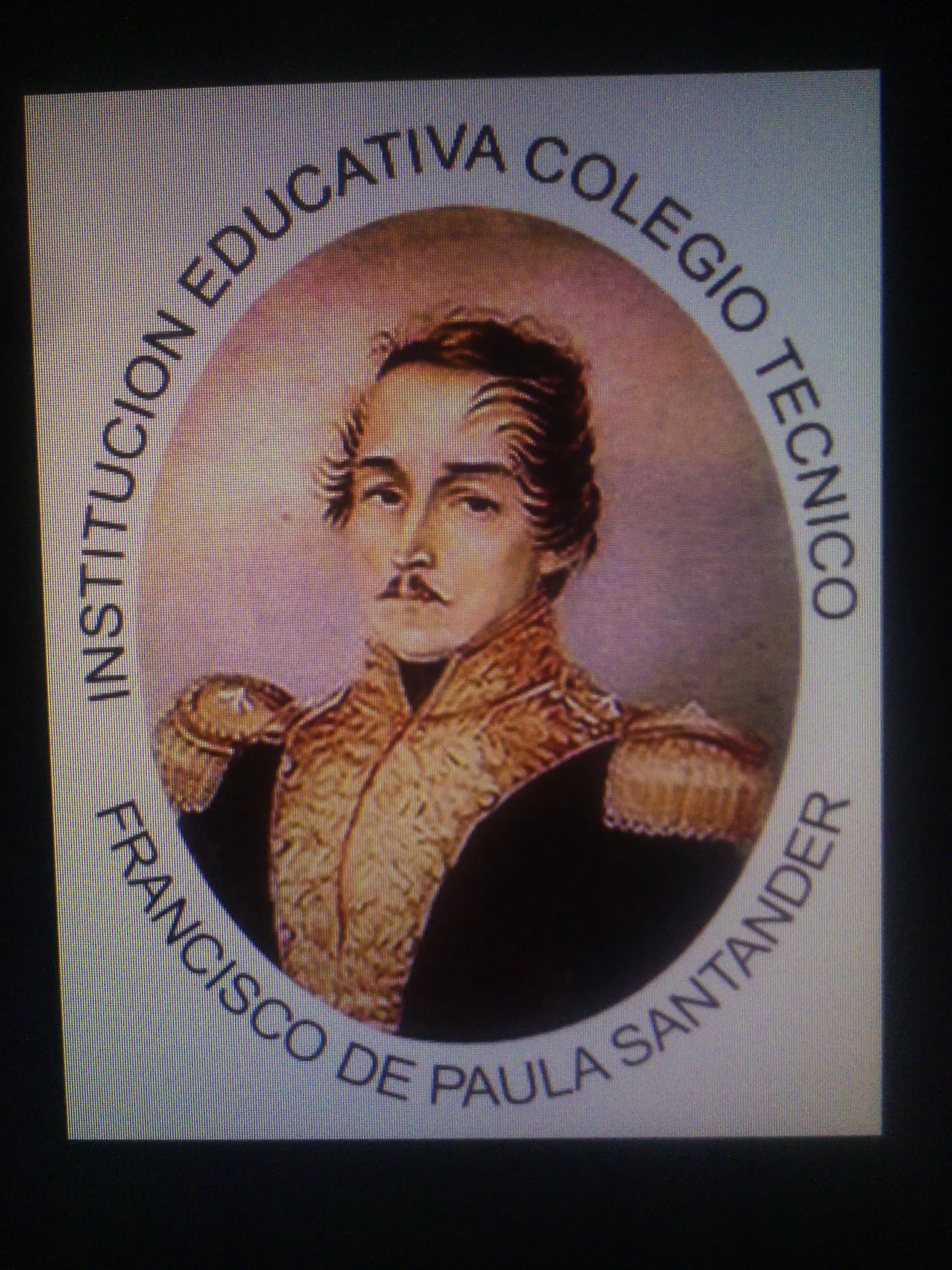
Francisco de Paula Santander
 Colombia
Birthday
+1792-04-02
Birth Sign
Aries
Birthplace
Villa del Rosario
Age
Died at 47
About
Born in Villa del Rosario on April 2, 1792, Francisco de Paula Santander emerged as a pivotal figure in the tumultuous birth of modern Colombia. He was a soldier and a statesman, shaping the nation's destiny through both military campaigns and shrewd governance. Santander's early years were marked by the revolutionary fervor sweeping through New Granada, prompting him to abandon his studies in 1810 to join the fight for independence. He rose through the ranks of the Patriot forces, initially aligning with the Centralists before becoming an officer in the Federalist United Provinces of New Granada.
Fame & Fandom (iFAMOUS Rankings)
Francisco de Paula Santander's fame is not measured in fan mail or box office receipts, but in the enduring weight of his name across Colombian institutions. As of August 2026, iFANN's Global Fame Engine has evaluated him, but he does not currently hold a placement in the published rankings, whether in the Global Top 1,000 or any Top-100 scope list. His renown is instead woven into the fabric of a nation: a major aqueduct, an international bridge, universities, and schools all bear his name, ensuring his presence in daily life.
His fanbase, if it can be called that, has no formal name. There are no organized fan clubs, no birthday billboards, no streaming campaigns. What exists is a civic and historical reverence, expressed through public works and military commemorations. In June 2023, the Colombian army marked the 204th anniversary of military logistics with a ceremony tied directly to his legacy as a military organizer. His portrait remains a staple in stock photography, a reflection of his enduring visual currency.
Yet the most potent form of his fame is the debate that still rages: hero or traitor? The 1828 assassination attempt on Simón Bolívar, for which Santander was tried and exiled, remains a cultural touchstone. It is a story told and retold, in documentaries and history books, fueling a fascination that transcends mere historical interest. Santander's fame is not the fleeting kind; it is the slow-burning kind, embedded in the legal and educational foundations of a nation, and in the questions that still haunt its collective memory.
Interesting Facts and Legends
Santander's nickname, the "Man of Laws," was earned during his tenure as Vice-President of Gran Colombia, when he prioritized legal and educational reforms over military might. He founded universities and championed civil law, a legacy that still shapes Colombian institutions.
The most enduring legend is the "Hero or Traitor" debate. On September 25, 1828, an assassination attempt on Simón Bolívar shook Bogotá. Santander was accused of complicity, sentenced to death, but ultimately exiled. The question of his guilt has never been settled in public opinion, and it fuels documentaries and historical arguments to this day.
His rivalry with Bolívar was ideological: Santander favored constitutional civilian rule, while Bolívar leaned toward a strong central presidency. This clash defined early Colombian politics and culminated in the 1828 conspiracy.
After Bolívar's death, Santander returned from exile to serve as President of the Republic of New Granada from 1833 to 1837, focusing on establishing the rule of law. His legacy is so pervasive that in 2022, the government delivered the Metropolitan Aqueduct "Francisco de Paula Santander" with a $391 million investment, ensuring his name flows through Colombian homes.
Death & Aftermath
Died
+1840-03-06 (aged 47)
Death Place
Bogotá
Cause of Death
Tuberculosis (consumption)
The announcement came from the physicians attending him and his family on the morning of May 6, 1840, confirming that Francisco de Paula Santander had passed away in his Bogotá residence. For years he had battled a slow decline known at the time as consumption, a condition that eventually claimed the life of the man who had served as Vice-President of Gran Colombia and President of New Granada. His final days were spent in quiet solitude within his home, far removed from the political storms that once threatened to execute him.
Public reaction across the newly formed Republic of New Granada was defined by profound national grief. As a central figure in the independence movement and the symbol of constitutional order known as the "Man of Laws," his passing was met with tributes from peers and officials alike. The funeral became a significant public event attended by government leaders, military commanders, and citizens who gathered to honor a founding father of the nation. He was laid to rest in the Basilica of Our Lady of Mercy, a site of deep religious and historical importance where his legacy would remain permanently enshrined.
Posthumously, Santander received numerous honors that cemented his place in Colombian identity. He was named a National Hero of Colombia, and his name now adorns the department of Santander, the city of Cúcuta, and the Santander International Airport. Scholarships, foundations, and statues continue to dedicate themselves to his memory, while his famous assertion that weapons grant independence but laws grant freedom remains a staple of political discourse regarding the rule of law.
Awards & Accolades
Keywords
Quick Facts
- Profession
- politician, military personnel
- Born
- +1792-04-02
- Birthplace
- Villa del Rosario
- Died
- +1840-03-06
- Death Place
- Bogotá
- Gender
- Male
- Spouse
- Sixta Pontón de Santander
- Birth Sign
- Aries
Personal Details
- Spouse
- Sixta Pontón de Santander
Join the community
fans discussing