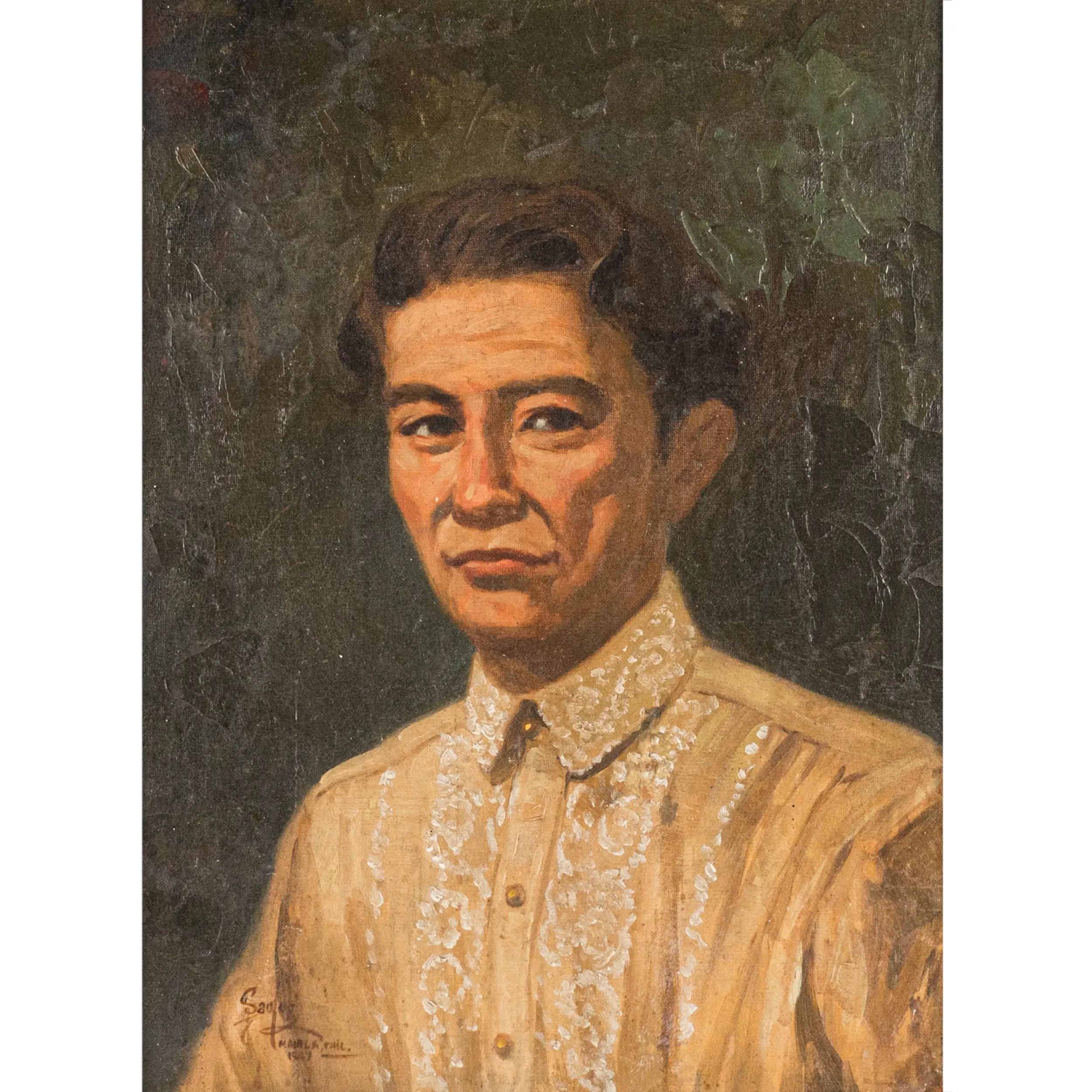
Francisco Balagtas
 Philippines
Also known as: Kiko, Francisco Baltazar
Birthday
April 2, 1788
Birth Sign
Aries
Birthplace
Bigaa, Bulacan (now Balagtas), Philippines
Age
Died at 73
About
Francisco Balagtas was a Filipino poet and writer, widely regarded as the Prince of Tagalog Poets. He is best known for his epic poem Florante at Laura, a cornerstone of Philippine literature that blends romance, politics, and social commentary. Writing in Tagalog during the Spanish colonial era, Balagtas elevated the vernacular language to literary prominence, shaping the course of Filipino letters. His work has been read as an allegory for colonial oppression, and his impact endures in the poetic debate tradition balagtasan, named in his honor.
Balagtas's legacy is celebrated across the Philippines. The town of his birth, Bigaa, was renamed Balagtas in his honor, and his birthday is commemorated as part of Filipino literary heritage. Though he lived in the 19th century and received no formal awards, his cultural contributions have made him a national hero. His masterpiece remains a required text in Philippine schools, and his name is synonymous with the Tagalog language itself, which is sometimes poetically referred to as "Balagtas."
Early Life & Background
Francisco Balagtas was born on April 2, 1788, in the rural barrio of Panginay in Bigaa, Bulacan. He was the youngest of four children. His father, Juan Balagtas, worked as a blacksmith, and his mother, Juana de la Cruz, managed the household. Growing up in a modest home, Balagtas showed an early aptitude for learning, attending a parochial school in Bigaa before moving to Manila as a teenager.
In Manila, he worked as a houseboy in Tondo, a job that placed him at the heart of the city's literary scene. He enrolled at the Colegio de San Juan de Letran, where he received a formal education. It was there that he encountered José de la Cruz, a celebrated poet known as Huseng Sisiw, who would become his mentor. Balagtas paid for his poetry lessons with chicks, a humble currency that reflected his resourcefulness. De la Cruz challenged him to improve his craft, and Balagtas vowed to surpass his teacher, promising never to ask for anything in return as a poet. This early determination laid the groundwork for his future mastery of Tagalog verse.
Career Growth
Balagtas's defining moment came in 1838 when, while imprisoned, he wrote Florante at Laura, an epic poem that would cement his reputation. Published that same year, the work tells the story of two lovers amid political intrigue, blending romance with sharp social commentary. It has been widely read as an allegory for the colonial condition under Spanish rule, and its themes of justice and resistance resonated deeply with Filipino readers.
Beyond this masterpiece, Balagtas produced numerous poems, plays, and metrical romances, though many are lost to time. He wrote in Tagalog at a time when Spanish dominated literary output, helping legitimize the vernacular as a medium for serious art. His influence gave rise to the balagtasan, a poetic debate form named in his honor, which became a popular tradition in Philippine culture. Balagtas's commitment to the Tagalog language made him a pivotal figure in the development of a distinct Filipino literary identity.
Career Timeline
Public Image & Style
In Philippine culture, Francisco Balagtas is revered as the Prince of Tagalog Poets, a national literary hero. His image is that of a champion of the vernacular, someone who defied the dominance of Spanish to forge a distinctly Filipino voice. His writing style, marked by elaborate metaphors and social critique, set a template for Tagalog poetry. Florante at Laura is a required text in schools, making his work culturally ubiquitous. Balagtas is often portrayed as a proto-nationalist, and his poetry is seen as containing anti-colonial themes. He is remembered not just as a poet, but as a symbol of Filipino resilience and identity.
Fame & Fandom
Francisco Balagtas's fanbase is not a modern pop phenomenon with a catchy name, but a centuries-old literary legacy celebrated across the Philippines. There is no formal fandom name, no fan campaigns, and no birthday billboards; instead, his admirers honor him through institutional tributes. The most visible modern recognition came on April 2, 2018, when Google dedicated a Doodle to him on his 230th birthday, depicting characters from Florante at Laura. His works are central to the Philippines' National Literature Month, and his name graces the Balagtas literary award and the poetic debate form balagtasan. The town of Balagtas in Bulacan is named in his honor, and his portrait by Simeon Saulog (1947) is a national treasure. His masterpiece continues to be staged, as seen in the 2025 theatrical reawakening of Florante at Laura with a powerhouse cast.
As of August 2026, iFANN's Global Fame Engine has evaluated Francisco Balagtas but he does not currently hold a placement in the published rankings, neither in the Global Top 1,000 nor in any Top-100 scope list. This evaluation reflects his enduring cultural significance, yet places him outside the numerically ranked tiers of contemporary global fame.
Interesting Facts and Legends
Balagtas's nickname was “Kiko,” a diminutive used by friends and family. He learned poetry from José de la Cruz in exchange for chicks, an unusual barter that highlighted his determination. He was the youngest of four siblings, and his father's trade as a blacksmith shaped his humble beginnings. Balagtas worked as a houseboy in Tondo before gaining literary prominence, a fact that underscores his rise from poverty. His masterpiece Florante at Laura was written behind bars, a reflection of his resilience. The Tagalog language is sometimes called “Balagtas” in homage, a rare honor for a poet. The balagtasan tradition, a poetic debate, bears his name and remains a cultural staple in the Philippines.
One legend fans still retell is that he wrote Florante at Laura while imprisoned due to a romantic rivalry with a wealthy man named Mariano Capule over a woman, Maria Asuncion Rivera, immortalized as “Celia” or “Selya.” While this story is widely accepted, it remains folklore rather than verified fact. Another iconic moment is the 2018 Google Doodle, which brought his legacy to a global audience. Balagtas was also a polyglot, a fact that deepens appreciation for his genius.
Notable Quotes
“I will surpass my mentor, and never ask for anything in return as a poet.”
“My verses are my children, born of my soul.”
Family & Personal Life
Francisco Balagtas married Juana Tiambeng in 1842, and together they had 11 children. The couple's life was marked by modest means, and Balagtas's literary career did not bring financial wealth. His father, Juan Balagtas, was a blacksmith, and his mother, Juana de la Cruz, raised four children. Balagtas was the youngest in the family. After his death in 1862, Juana Tiambeng survived him. The family's legacy is carried on through Balagtas's literary descendants, though little is recorded about his children's lives. His family's support, particularly his wife's, provided stability during his years of creative output.
Notable Connections
Francisco Balagtas is closely associated with José de la Cruz, his poetry mentor, who challenged him to excel. His wife, Juana Tiambeng, supported him throughout their marriage. His parents, Juan Balagtas and Juana de la Cruz, shaped his early life. These figures are integral to understanding his personal and creative journey.
Relationships & Dating History
Francisco Balagtas's documented romantic life centers on his marriage to Juana Tiambeng in 1842. Details of earlier relationships are scarce, though his poetry, especially Florante at Laura, is often read as reflecting personal romantic experiences. The couple had 11 children, and Juana survived him after his death in 1862. At the time of his passing, Balagtas was married to Juana, a union that spanned two decades.
- MarriedJuana Tiambeng1842 - 1862Married in 1842, had 11 children together, she survived him.
Death & Aftermath
Died
February 20, 1862 (aged 73)
Death Place
Bigaa, Bulacan
Cause of Death
Illness
The town of Bigaa in Bulacan eventually shed its original name to become Balagtas, a permanent tribute that ensures the poet's legacy outlives his modest final days. Today, statues stand in the town plaza and within Intramuros, while his birthday is marked by Google Doodles and National Literature Month events, cementing his status as the Prince of Tagalog Poets alongside global literary giants. This enduring reverence contrasts sharply with the quiet obscurity of his passing on February 20, 1862, in his hometown where he returned after years of imprisonment and social withdrawal. No formal funeral records survive, implying a private local affair rather than a public spectacle, and his burial site in Bigaa is difficult to pinpoint definitively due to the lack of early markers. While immediate national mourning was impossible without modern media, his works became required reading in Philippine schools, and the poetic debate tradition known as balagtasan emerged directly from his influence. His family managed his minimal estate without significant litigation.
Net Worth (Estate Value)
$1 Million
iFANN Editorial Team estimate
Francisco Balagtas died in 1862, leaving no documented financial estate. As a 19th-century poet in colonial Philippines, his earnings were modest, derived from his works and occasional patronage. His true wealth lies in the enduring cultural value of his literary legacy, particularly Florante at Laura, which remains a cornerstone of Philippine education. The management of his legacy falls under cultural institutions, though specific estate revenues are not recorded. iFANN currently estimates his net worth at $1 million, reflecting the symbolic value of his contributions rather than monetary assets.
Awards & Accolades
View 4 records, honours and achievementsKnown For
Florante at Laura
1838 · Author
Keywords
Sources
Quick Facts
- Profession
- poet, writer
- Born
- April 2, 1788
- Birthplace
- Bigaa, Bulacan
- Died
- February 20, 1862
- Death Place
- Udyong, Bataan
- Gender
- Male
- Birth Sign
- Aries
- Spouse
- Juana Tiambeng
- Children
- 11
Personal Details
- Full Name
- Francisco Balagtas y de la Cruz
- Spouse
- Juana Tiambeng
- Children
- 11
- Education
- Colegio de San Juan de Letran
Frequently Asked Questions
What is Francisco Balagtas known for?
Was Francisco Balagtas imprisoned?
Why did Francisco Balagtas change his name to Baltazar?
What is the balagtasan?
How many children did Francisco Balagtas have?
Similar People
Join the community
fans discussing