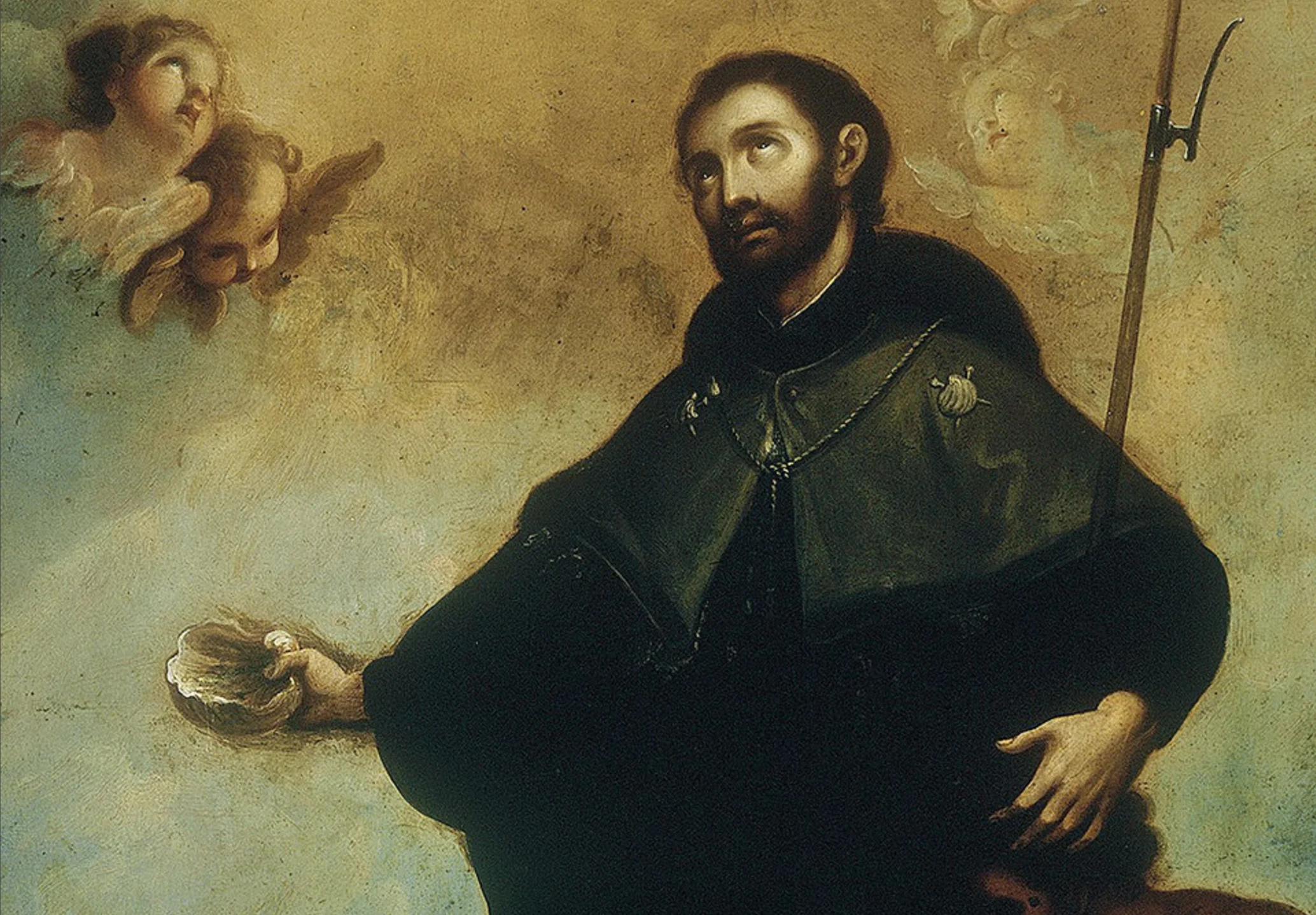
Francis Xavier
 Spain
SpainAlso known as: Saint Francis Xavier, Francisco de Jasso y Azpilicueta, Franciscus Xaverius, Francisco Javier, Franz Xaver, Frantzisko Xabierkoa, Francesco Saverio, François Xavier, St. Francis Xavier
Birthday
April 7, 1506
Birth Sign
Aries
Birthplace
Javier, Kingdom of Navarre
Age
Died at 46
About
Francis Xavier stands as a seminal figure in Christian history, renowned globally as the "Apostle of the Indies" and a founding member of the Society of Jesus. Born Francisco de Jasso y Azpilicueta in the Kingdom of Navarre, he is historically verified as the first Apostle of the Philippines and the greatest missionary since the time of the Apostles. His life was defined by relentless travel and evangelization across Asia, adapting his methods to local cultures and languages while spreading Christianity throughout the Portuguese Empire. He established the first Catholic churches in Japan and laid the foundational groundwork for the faith in the Philippines, leaving an indelible mark on religious history that spans centuries.
Xavier's legacy is characterized by his unwavering dedication to his mission, which concluded tragically on Shangchuan Island in 1552 just as he attempted to enter China. Today, he remains a central figure in global religious consciousness, with his incorrupt body venerated in Goa and his feast day celebrated annually. His influence permeates the lives of billions of Catholics and members of the Society of Jesus, ensuring his story continues to be told with reverence.
Early Life & Background
Francis Xavier was born on April 7, 1506, into a noble family in the village of Javier, Navarre. As the youngest of seven children, he grew up under the care of his father, Juan de Jasso, who served as the hereditary chamberlain of the Castle of Xavier. This position provided the young Francis with access to high-quality education and a stable upbringing within a household that valued nobility and learning. From an early age, he displayed remarkable intellectual promise, distinguishing himself among his peers in the region.
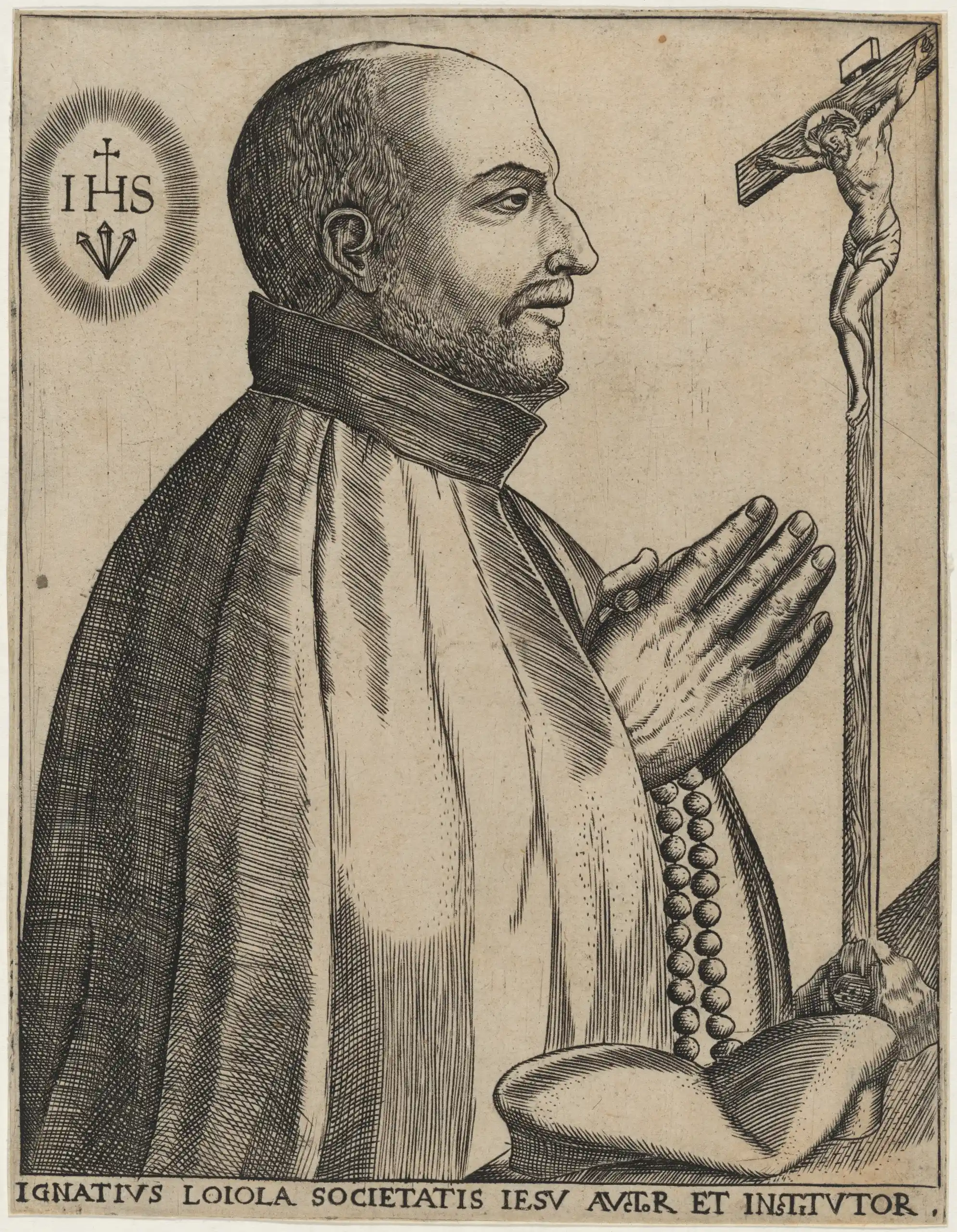
In 1528, he enrolled at the University of Paris to study arts and theology, where he would encounter the person who would shape the rest of his life. At the university, Xavier met Ignatius of Loyola, a former soldier who had undergone a profound spiritual conversion. The two became close friends and roommates, sharing a deep commitment to religious life and a desire to serve God. Their bond grew stronger over the years, leading them to gather a group of six other companions. In 1534, they gathered in Montmartre, Paris, to take vows of poverty and chastity, laying the foundational stones for the Society of Jesus. This decision marked the end of his secular studies and the beginning of a life entirely devoted to religious service.
Career Growth
After being ordained a priest in Venice in 1537, Xavier joined the first group of Jesuit missionaries sent to the East in 1541. He arrived in Goa, India, in 1542, where he immediately began reforming the local clergy and establishing schools. He traveled extensively along the Malabar Coast, preaching to fishermen and converting thousands of locals. Between 1545 and 1548, he undertook a second journey to India, expanding his mission to the southern regions and the island of Ceylon (Sri Lanka), facing significant hardships including shipwrecks and tropical diseases. His work in India was so significant that he wrote to King John III of Portugal in 1546, proposing measures to bolster the Christian faith in the region.
In 1549, Xavier arrived in Japan, becoming the first Christian missionary to set foot there. He adapted his methods to Japanese culture, learning the language and engaging with Buddhist monks in debate. He established the first Catholic church in Japan, marking a pivotal moment in the religion's spread to the Far East. Between 1551 and 1552, he returned to India to report on his success in Japan and recruit more missionaries. He then attempted to enter mainland China, which was closed to foreigners at the time. His mission ended when he fell ill on Shangchuan Island, dying just before he could be granted entry into the country.
Career Timeline
Public Image & Style
Francis Xavier is portrayed as a tireless traveler, a courageous pioneer, and a man of deep piety. Media and religious institutions depict him as the archetype of the missionary, willing to endure extreme hardship for his faith. His aesthetic is consistently represented by the black Jesuit habit and the cross. He is remembered not for wealth or power but for his humility and unwavering dedication to his beliefs. His image evokes a sense of adventure and spiritual courage, inspiring generations of Catholics and missionaries to follow in his footsteps.
Fame & Fandom
Francis Xavier commands a vast, enduring global attention that spans centuries and transcends the ephemeral nature of modern celebrity cycles. His historical footprint remains so substantial that he currently holds the 15th most famous person in Religious Leaders in the iFANN Global Fame Rankings, a standing he has maintained steadily through the previous cycle. Additionally, he is recognized as the 84th most famous person from Spain, also holding steady from the prior period. This placement reflects a legacy measured not by fleeting social media trends but by deep institutional presence and liturgical observance across continents. While his influence permeates the lives of billions of Catholics and members of the Society of Jesus, his following does not coalesce around a formalized fandom name or organized fan clubs typical of contemporary pop culture figures. Instead, his adherents are defined by their religious devotion, identifying primarily as Catholics, Jesuits, or missionaries who honor his memory through prayer and the veneration of relics. The absence of a specific fandom moniker underscores the distinction between his status as a saint and that of an entertainer; there are no birthday campaigns, viral hashtag movements, or commercial merchandising drives driven by a fanbase seeking direct interaction. Rather, the collective engagement with his life manifests in the annual celebration of his feast day on December 3 and the ongoing operation of institutions bearing his name, from universities to parishes. These structures serve as the permanent vessels for his reputation, ensuring that his story continues to be told with reverence rather than the fervor of fandom.
Interesting Facts and Legends
The name "Xavier" comes from the Basque word *etxeberri*, meaning "new house," which was the name of his family castle. He was known for his rapid acquisition of languages, mastering Portuguese, Spanish, Latin, Malay, Japanese, and various Chinese dialects to communicate with diverse populations. A defining legend surrounding him is that his body remained uncorrupted for centuries, a phenomenon attributed to divine intervention that has drawn millions of pilgrims to the Basilica of Bom Jesus in Goa. In a modern twist to his legend, a controversy arose when a Hindu YouTuber named Gautam Khattar was arrested in India for calling the saint a terrorist, highlighting the enduring sensitivity of his legacy in post-colonial discourse. Stories of his miracles, such as healing the sick and surviving storms, served as the viral incidents of the pre-modern era to inspire converts. He died just short of entering China, the largest unreached nation for Christianity at the time, fulfilling his wish only decades later.
Notable Quotes
“I am resolved to give my life for the salvation of souls.”
“Lord, if it be your will, I would die here in China.”
“We must not be afraid of labor, but rather of the sloth of the soul.”
Family & Personal Life
Francis Xavier was born into a noble family in the village of Javier, Navarre. His father, Juan de Jasso, was the hereditary chamberlain of the Castle of Xavier. He was the youngest of seven children, growing up in a household that valued education and nobility. Despite his noble background, Xavier chose a life of extreme poverty upon joining the Society of Jesus. He never married and had no romantic relationships, dedicating his entire existence to his faith and missionary work. His siblings are not widely documented in historical records beyond their existence within the family structure.
Notable Connections
Relationships & Dating History
Francis Xavier never married and had no romantic relationships, dating history, or children. As a Roman Catholic cleric who took vows of poverty and chastity upon co-founding the Society of Jesus in 1534, his entire life was dedicated to his faith and missionary work. He maintained close friendships with fellow Jesuits, particularly Ignatius of Loyola, but these were platonic bonds formed in the pursuit of religious goals. His status as a celibate priest meant he had no spouse or partner to report on in 2026.
Death & Aftermath
Died
December 3, 1552 (aged 46)
Death Place
Shangchuan Island, Guangdong, China
Cause of Death
Fever, likely dysentery or malaria
Francis Xavier died on December 3, 1552, at the age of 46 while staying in a small hut on Shangchuan Island off the coast of Guangdong. He had been attempting to enter mainland China to preach but fell ill with a severe fever that left him too weak to move. Contemporary accounts recorded by Gaspar Barzaeus describe how he lay on a bed of straw and leaves before a fellow Jesuit priest managed to administer the last rites just moments before his death. The official cause was attributed to a tropical fever, likely exacerbated by dysentery or malaria contracted during months of relentless travel through Southeast Asia. Two years after his passing, his remains were exhumed from the island and transported to Goa, India, where they were enshrined in the Basilica of Bom Jesus. This event sparked an immediate wave of devotion that evolved into a global tradition celebrated annually on his feast day, December 3. He was beatified in 1619 and canonized as a saint by Pope Gregory XV in 1622. The Jesuit order took charge of his legacy, naming him patron saint of missions, Japan, the Philippines, jewelers, and sailors. His body is famously known as "incorrupt," remaining largely intact despite centuries of exposure, drawing millions of pilgrims to Goa. The estate he left behind consisted only of religious vestments and books, which the Society of Jesus managed and distributed among its educational institutions worldwide.
Net Worth (Estate Value)
$0
iFANN Editorial Team estimate
As a 16th-century saint, Francis Xavier did not accumulate personal wealth in the modern sense. Historical records indicate his estate consisted only of religious vestments, books, and personal items. He lived a life of extreme poverty, adhering to the Jesuit vow of poverty. Consequently, there is no net worth to report for the individual. However, the institutions bearing his name (universities, parishes, the Society of Jesus) possess significant assets. The Basilica of Bom Jesus, housing his relics, generates revenue through tourism and donations, estimated in the millions annually, though these funds belong to the Church and the basilica, not the saint personally. Specific physical measurements like height and weight are not recorded in historical documents.
Awards Won (3)
Francis Xavier was canonized as a saint by Pope Gregory XV in 1622. He was named Patron Saint of Missions, Japan, the Philippines, Jewelers, and Sailors. His legacy is further honored by the annual celebration of his feast day on December 3 by the Catholic Church and the Society of Jesus.
1622 · Religious Honor
Society of Jesus
1622 · Religious Honor
Catholic Church
Known For
Missionary Work in Asia
1542-1552 · Apostle of the Indies
Founding of the Society of Jesus
1534 · Co-founder
Keywords
Sources
Quick Facts
- Profession
- missionary, writer, explorer
- Born
- April 7, 1506
- Birthplace
- Javier, Navarre
- Died
- December 3, 1552
- Death Place
- Shangchuan Island, China
- Gender
- Male
- Birth Sign
- Aries
Personal Details
- Full Name
- Francisco de Jasso y Azpilicueta
- Children
- Education
- University of Paris (1528–1536)
Frequently Asked Questions
What is the birth date of Francis Xavier?
How did Francis Xavier die?
Where is Francis Xavier buried?
Why is Francis Xavier called the Apostle of the Indies?
Is Francis Xavier still alive?
Similar People
Join the community
fans discussing