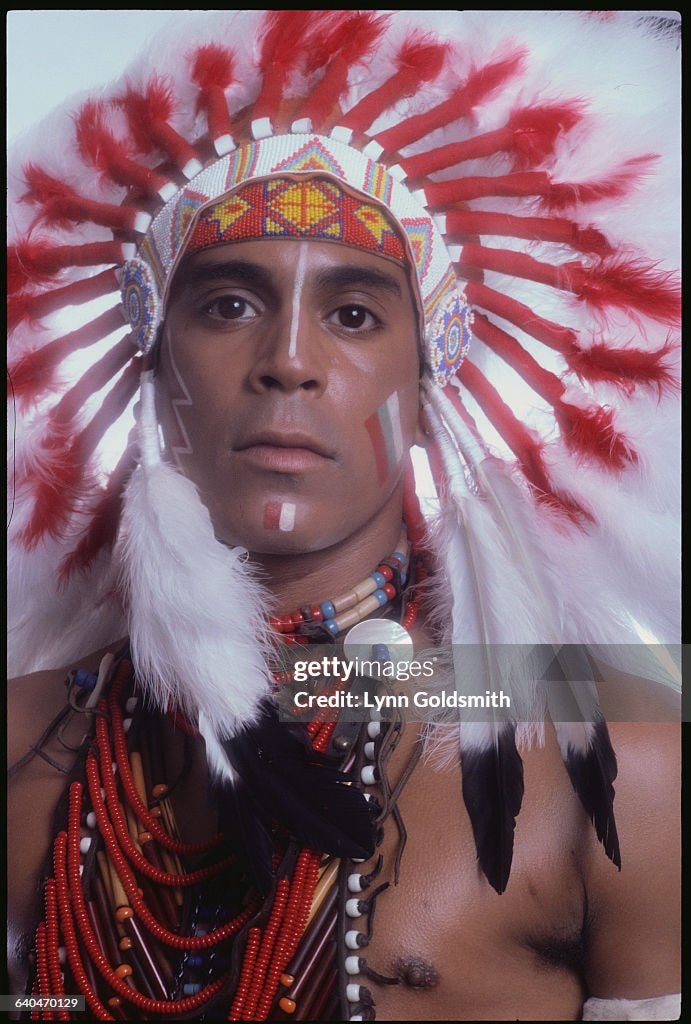
Felipé Rose
 United States
Member of Village People
Also known as: Felipe Ortiz Rose
Birthday
January 12, 1954
Birth Sign
Capricorn
Birthplace
New York City, New York, USA
Age
72 years old
Height
5 ft 8 in (173 cm)
About
Felipe Ortiz Rose, born January 12, 1954 in New York City, is an American singer best known as an original member of the disco group the Village People. For 40 years, from 1977 to 2017, he performed as the group's iconic "Indian" character, donning a beaded war bonnet, loincloth, and theatrical face paint. Rose helped shape the group's flamboyant, costume-driven image that became synonymous with 1970s disco culture.
The Village People sold over 100 million records worldwide, making them one of the best-selling music acts of all time. Rose's character became a lasting symbol of the disco era, referenced in films, TV shows, and pop culture for decades. After leaving the group in 2017, he released his first solo single, "Going Back to My Roots," in 2018. As of 2026, Rose is semi-retired but occasionally performs at nostalgia events and disco-themed shows.
Early Life & Background
Rose grew up in New York City, immersed in a culturally rich urban environment. His Puerto Rican heritage played a significant role in shaping his identity. He attended local public schools and discovered a passion for music and performance early on, taking part in school and community theater productions.
Before joining the Village People, Rose worked as a dancer and performer in New York's underground club scene. That world, vibrant with disco and gay club culture, directly led to his big break. In 1977, producers Jacques Morali and Henri Belolo were casting for a new concept group designed to embody masculine archetypes from gay fantasy and American culture. Rose was recruited to play the Native American character, completing the original lineup alongside Victor Willis, Randy Jones, Glenn Hughes, David Hodo, and Alex Briley.
Career Growth
The Village People's breakthrough came with the 1978 single "Macho Man," which reached No. 25 on the Billboard Hot 100. But the defining moment arrived later that year with the release of "Y.M.C.A." The song peaked at No. 2 on the Billboard Hot 100 in early 1979 and has sold over 12 million copies worldwide. It remains one of the best-selling singles of all time.
In 1979, the group released the album Go West, which went platinum and included hits like "In the Navy." That same year, Rose appeared in the film Can't Stop the Music. Through the 1980s and 1990s, the Village People toured constantly, playing major venues and events including Super Bowl halftime shows. In the 2000s, they held a Las Vegas residency and continued international tours.
In 2017, after 40 years, Rose and the other original members transferred the Village People name to lead singer Victor Willis. Rose then launched a solo career, releasing the single "Going Back to My Roots" in 2018 at age 64. He has not released a full solo album but occasionally performs at nostalgia events.
Career Timeline
Public Image & Style
Rose's signature look, a feathered war bonnet, beaded vest or bare chest, loincloth, and theatrical face paint, is one of the most recognizable costumes in music history. Media often refers to him simply as the "Indian" member of the Village People. His public persona is friendly and professional, but intensely private. Fans connect with him through Village People nostalgia events, disco parties, and the universal "Y.M.C.A." dance. Rose maintains a low social media presence and rarely engages in public debates or controversies.
Fame & Fandom (iFAMOUS Rankings)
Felipé Rose holds no current placement in the iFANN Global Top 1,000 or any scope-specific ranking lists. The iFANN Global Fame Engine has evaluated his standing but determined he does not currently occupy a published position among the world's most famous figures. While the Village People remain a global phenomenon with enduring chart presence, Rose himself operates outside the top-tier fame metrics that track active pop culture dominance. His audience is a dedicated, organic collective rather than a formalized movement. There is no official name for his specific fanbase; instead, admirers identify as part of the broader Village People community, spanning LGBTQ+ advocates, disco enthusiasts, and nostalgia collectors. These fans actively preserve the group's history, often engaging in discussions about the cultural impact of their archetypes and the legacy of songs like "Y.M.C.A." Rose maintains a professional distance from his followers, interacting primarily through social media updates and occasional public appearances at Native American music events. Unlike stars who inspire organized chart campaigns or fan-funded billboard projects, Rose's supporters celebrate his work through shared appreciation of the group's catalog and his activism for Indigenous causes. His digital presence remains low-key, focused on historical preservation rather than viral engagement, creating a relationship with his audience built on mutual respect for the era he helped define.
Interesting Facts and Legends
Felipé Rose's stage name frequently includes an accent, written as Felipé, though his legal name is Felipe Ortiz Rose. He served as the longest-tenured original member of the Village People, performing for 40 consecutive years before departing in 2017. Although he portrayed a Native American character, Rose is of Puerto Rican heritage, a fact that has sparked significant cultural discussion in recent decades. His costume evolved over time but consistently featured a war bonnet, loincloth, and theatrical face paint. As of 2026, he has never released a full solo album despite making his debut at age 64. A persistent legend surrounds his identity, with many believing he was genuinely Native American due to his authentic portrayal; however, research confirms he is of Puerto Rican descent, not Lakota Sioux or Taino as some folklore suggests. Another enduring story involves the song "Y.M.C.A.," which fans often claim was written specifically as a gay anthem. While the songwriters did not explicitly design it solely for that purpose, its lyrics and choreography resonated deeply within the gay community, turning it into an unofficial anthem while maintaining its original intent. This duality remains a favorite topic of debate among fans today.
Notable Quotes
“After 40 years, it was time to pass the torch. Victor is the heart of the group, and the Village People will continue. I'm proud of what we built.”
“We knew it was special when we recorded it. You could feel it in the studio. But nobody could have predicted it would still be played at every wedding, every baseball game, every party, 40 years later.”
“I played the Indian with pride and joy. It was a character, a fantasy. We were all playing characters. That was the whole point of Village People.”
Family & Personal Life
Rose has kept his family life extremely private. He is of Puerto Rican descent, but he has not publicly named his parents or siblings. He has no known children and has never been married. As of 2026, he lives a quiet, low-profile life away from the spotlight.
Notable Connections
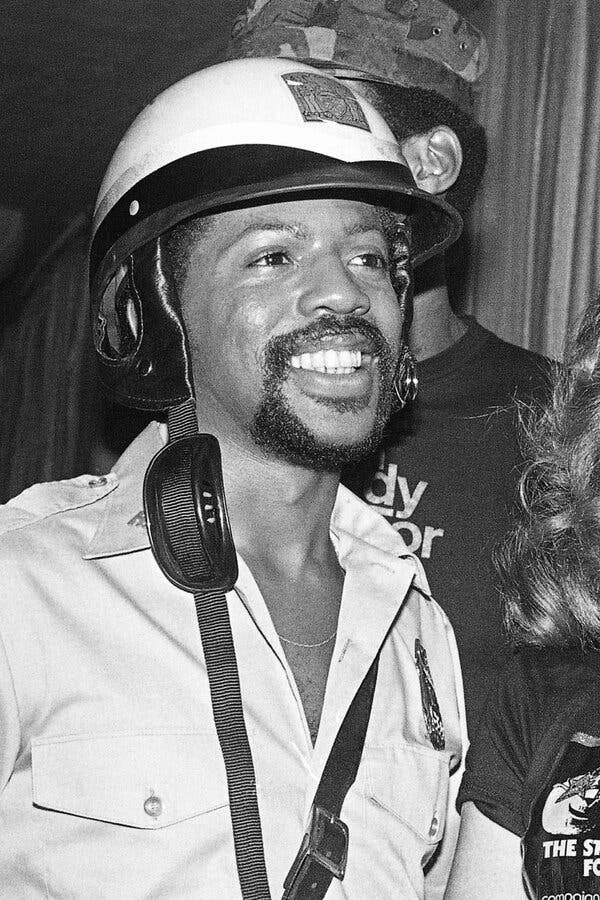
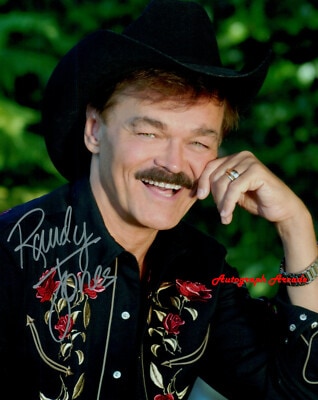
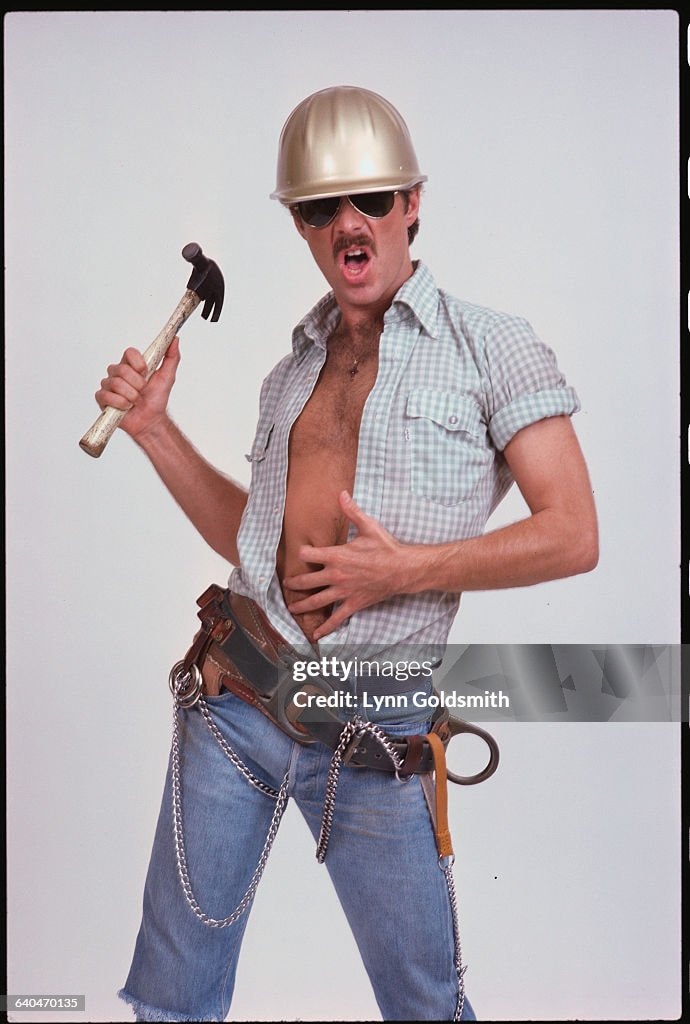
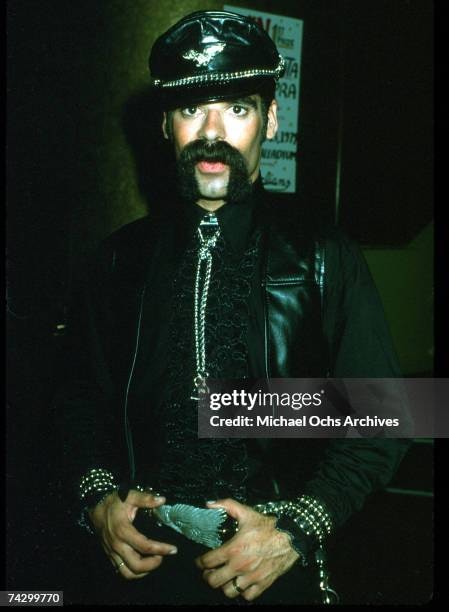
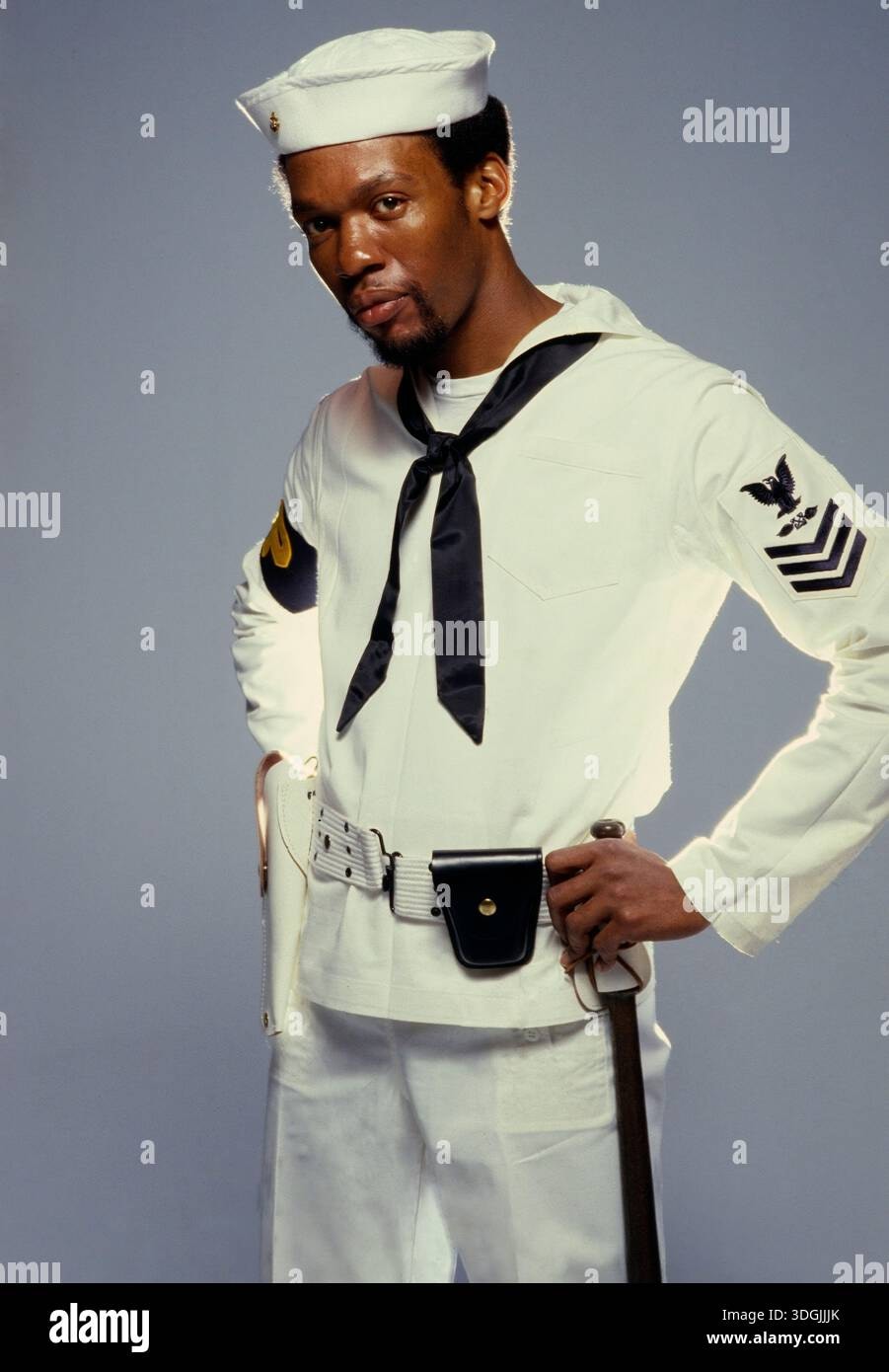
Rose performed alongside Victor Willis (lead singer, police officer), Randy Jones (cowboy), David Hodo (construction worker), Glenn Hughes (biker, deceased 2001), and Alex Briley (soldier). The group was created by producers Jacques Morali (deceased 1991) and Henri Belolo (deceased 2019).
Relationships & Dating History
Felipé Rose has kept his romantic life entirely private throughout his career. No public relationships, marriages, or engagements have ever been confirmed by credible sources. As of 2026, he is not known to be dating anyone and has never been married. He has no publicly known children.
Salary, Net Worth In 2026
$4 Million
iFANN Editorial Team estimate
Per iFANN's editorial analysis, Felipé Rose's net worth stands at $4 Million as of 2026. This financial standing reflects four decades of touring with the Village People, including lucrative Las Vegas residencies and corporate engagements. Ongoing royalties from the group's massive catalog, which has sold over 100 million records worldwide, provide a steady income stream, particularly from hits like "Y.M.C.A." that continue to generate licensing fees for films, commercials, and sporting events. Merchandise sales and branding deals further bolster his earnings. Since leaving the group in 2017, Rose has released a single solo track and accepts occasional paid appearances at nostalgia events, though his revenue has naturally decreased following his retirement from full-time touring.
Awards & Accolades
View 6 records, honours and achievementsKnown For
Going Back to My Roots
2018 · Solo single
Keywords
Quick Facts
- Profession
- singer
- Born
- +1954-01-12
- Birthplace
- New York City
- Gender
- Male
- Birth Sign
- Capricorn
Personal Details
- Full Name
- Felipe Ortiz Rose
- Height
- 5 ft 8 in (173 cm)
Filmography
1
Total
1
Film
0
TV
Frequently Asked Questions
Is Felipé Rose still alive?
What happened to the Indian from Village People?
Is Felipé Rose married?
How old is Felipé Rose?
What is Felipé Rose's net worth?
Social Media
Similar People
Join the community
fans discussing