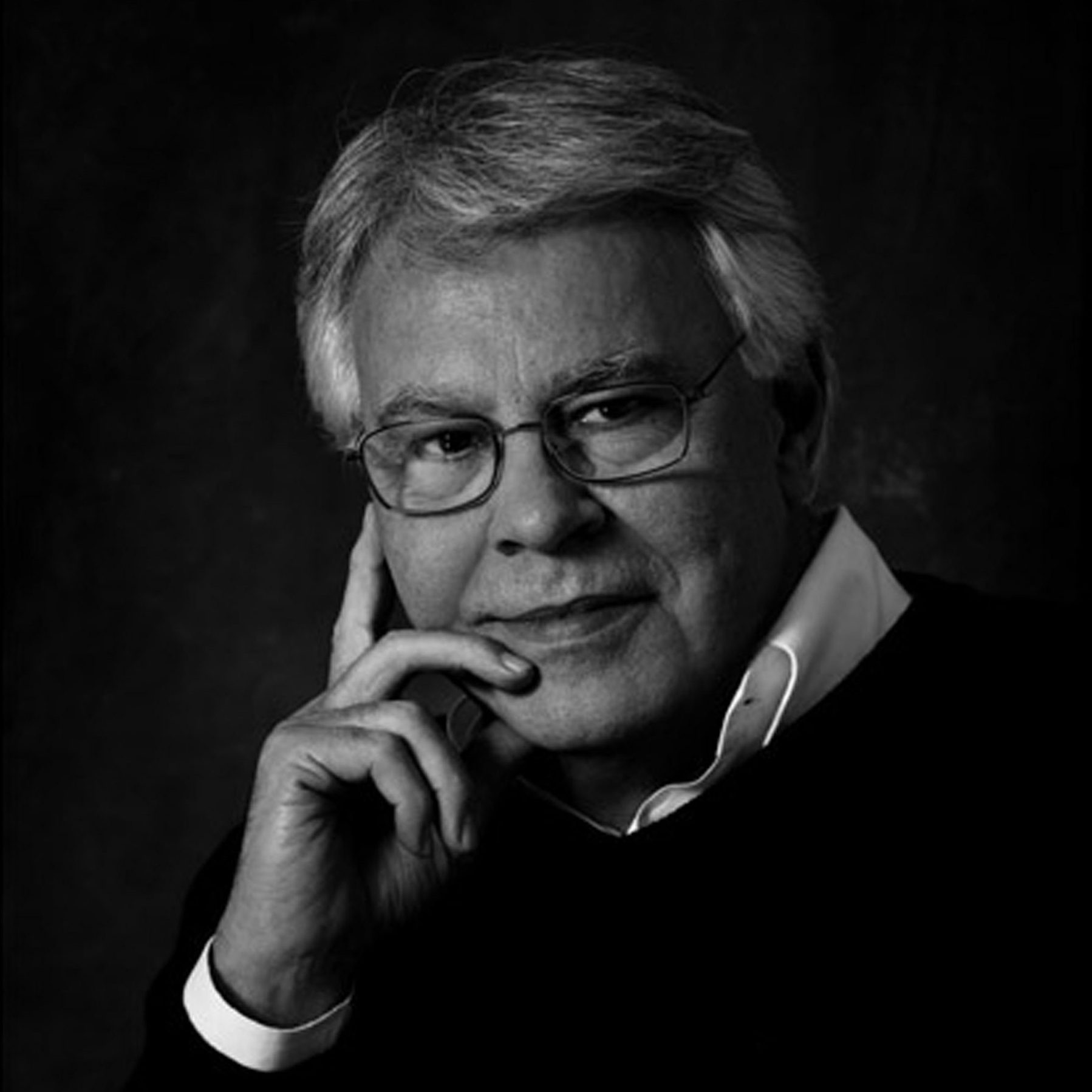
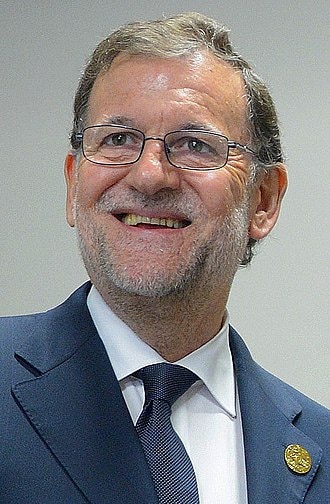
Felipe González
 Colombia
politician•labor law specialist•writer
Also known as: Felipe González Márquez, Isidoro
Birthday
March 5, 1942
Birth Sign
Pisces
Birthplace
Seville, Spain
Age
84 years old
About
Felipe González Márquez is a distinguished retired Spanish politician, renowned for his tenure as Prime Minister of Spain from 1982 to 1996. This period marks the longest leadership by any democratically elected official in the nation's history. He led the Spanish Socialist Workers' Party (PSOE) for over two decades, from 1974 to 1997, playing an instrumental role in guiding Spain's transition to democracy following the Franco era. Under his influential leadership, Spain achieved significant milestones, including its accession to the European Economic Community in 1986, successfully hosting the 1992 Barcelona Olympic Games and the Seville Expo, and undergoing profound economic and social modernization. As of 2026, González continues to be a pivotal figure in European and Latin American affairs, contributing his expertise to the Colombia Peace Agreement verification commission and participating as a member of the Club of Madrid, an esteemed organization comprising former democratic leaders. His legacy is cemented by his transformative impact on modern Spain.
Early Life & Background
Born on 5 March 1942, in the Bellavista district of Seville, Felipe González Márquez spent his formative years in a lower-middle-class environment during the restrictive period of Francisco Franco's dictatorship. His father, Felipe González Helguera, worked as a cattle dealer and small dairy farmer. His mother, Juana Márquez Domínguez, was described by González himself as "the driving force of the family." He was the second of four siblings, including a sister named Lola González Márquez. The family resided in Seville, a city shaped by the political climate of the time, marked by the aftermath of the Spanish Civil War, which had seen widespread political repression.
González pursued his legal education at the University of Seville, completing his studies in 1965. He began his professional journey as an attorney specializing in labor law. During his university years, his political consciousness was ignited through encounters with members of the clandestine socialist trade union UGT and the underground PSOE. Formally embarking on his political path, he joined the Socialist Youth Movement in 1962 and became a member of the PSOE in 1964, at a time when the party operated illegally under the Franco regime. To evade detection, he adopted the alias "Isidoro" and relocated to Madrid. His early activism led to his arrest in 1971 for participating in protests against the Franco government.
His political trajectory advanced significantly in October 1974 at the Suresnes Congress in France, where he was elected Secretary General of the PSOE. A pivotal move during this period was his leadership in removing Marxism from the party's platform, a strategic decision that modernized the PSOE and expanded its appeal to a broader electorate, setting the stage for his future leadership.
Career Growth
Felipe González's political ascent culminated in a decisive victory in the 1982 general election, where the PSOE secured a resounding 202 out of 350 seats in the Congress of Deputies, marking a significant turning point for Spain. At the age of 40, he became one of Europe's youngest heads of government, ushering in a new era for the nation. He further solidified his leadership by winning three consecutive elections in 1986, 1989, and 1993, accumulating a total of thirteen and a half years as Prime Minister, the longest tenure of any democratically elected leader in Spain's history. His administration was marked by transformative policies and achievements, including Spain's pivotal entry into the European Economic Community in 1986, the establishment of diplomatic relations with Israel in the same year, the expansion of universal and free education, the introduction of a 40-hour workweek and extended paid holidays, and the creation of the National Health Service. Furthermore, his government was responsible for expanding unemployment protection and establishing a national education system for children under six. Spain also successfully hosted the prestigious 1992 Barcelona Olympic Games and the Seville Expo under his leadership. In 1996, after a distinguished period in office, González's party lost the election to José María Aznar of the People's Party.
Following his premiership, González remained an influential figure in international affairs. He chaired the Reflection Group on the Future of the European Union from 2007 to 2010 and served as Senior Ambassador with Ministerial Rank for the 200th Jubilee of the Independence of the Latin American Republics from 2007 to 2011. He also held the position of Participation Chairman of the Doñana Natural Area from 2009 to 2012. Since 2016, he has been an International Member of the Commission for the Follow-up, Impulse and Verification of the Implementation of the Colombia Peace Agreement (CSIVI). He is an active member of the Club of Madrid, an organization of former democratic leaders. In October 2025, King Felipe VI honored him by naming him a Knight of the Order of the Golden Fleece, one of Spain's most prestigious distinctions.
Career Timeline
Public Image & Style
Felipe González is widely recognized for his distinctive strong Andalusian accent, a characteristic often noted as a personal trademark. His public persona is a blend of pragmatic leadership and approachable warmth, qualities that have resonated deeply with many Spaniards. He is widely regarded as a statesman who skillfully navigated Spain through a critical period of modernization and integration into Europe. His public image is further shaped by his intellectual curiosity and his ongoing engagement with complex political and social issues, both domestically and internationally.
In his personal life, González is known for his appreciation of fine dining and his enjoyment of cooking and photography. His deep interest in nature is evident in his well-documented passion for bonsai cultivation. He also finds pleasure in billiards, reading, sculpting, and flamenco music. His official biography emphasizes his enduring curiosity and sharp intellect, underscoring his continued engagement with the world around him. He maintains an official website at felipegonzalez.es, providing a platform for his public engagement.
Fame & Fandom (iFAMOUS Rankings)
Felipe González Márquez is not a pop star, and his public doesn't scream or faint. There's no fandom name, no fan fiction, no birthday billboards. What he commands is something rarer in the celebrity economy: a political following that has lasted decades. In February 2026, when he announced he would cast a blank ballot rather than vote for Pedro Sánchez, the news rippled through Spanish media, a retired leader still able to set the agenda. In March, he shared a stage with the PP candidate for Andalusia, and his fellow socialist Susana Díaz bristled, calling him 'history of the PSOE.' These are the rituals of his tribe: not hashtags, but headlines.
His iconic moments are not viral clips but milestones of statecraft. The 1982 election victory that made him prime minister. The 1986 accession to the European Economic Community. The 1992 Barcelona Olympics. Each one is a story Spaniards still tell. The closest thing to modern legend is his public break with the current PSOE leadership, a political stance, not a fan campaign, but retold with the same fervor.
iFANN's Global Fame Engine has evaluated Felipe González, but as of August 2026 he holds no placement in the published rankings, neither the Global Top 1,000 nor any Top-100 scope list. His fame is not measured in chart positions but in the enduring weight of his name in Spanish political memory.
Interesting Facts and Legends
Beyond politics, Felipe González is a man of quiet, varied passions. He cooks with skill, photographs the world through his lens, and tends bonsai trees with a devotion that borders on art. His intellectual curiosity extends to jewellery and furniture design, and he enjoys billiards, reading, sculpting, and flamenco music. He has authored several books, including What is Socialism (1976), Memories of the Future (2003), My Idea of Europe (2010), and In Search of Answers (2013), each reflecting an inquiring mind.
One story from his time in office still circulates among political insiders: his habit of slipping away from formal dinners to smoke a cigarette and talk with ordinary citizens, a gesture that endeared him to many. Another tale, from the 1992 Seville Expo, tells of him personally guiding a group of schoolchildren through the pavilions, unannounced and unhurried. These are not verified in official records, but they persist as part of his public lore.
Notable Quotes
“Socialism may be defined in broad terms as the extension of the concept of democracy.”
“We have to be able to combine efficiency with solidarity.”
“Democracy is not just a matter of voting; it is a way of living together.”
Family & Personal Life
Felipe González Márquez was born into a family where his father, Felipe González Helguera, worked as a cattle dealer and small dairy farmer. His mother, Juana Márquez Domínguez, was a significant influence, whom González described as "the driving force of the family." He was the second of four siblings and grew up in the Bellavista district of Seville.
González married Carmen Romero López on 16 July 1969. Together, they had three children: Pablo, David, and María. The marriage concluded with separation and eventual divorce around 2008, after nearly four decades together.
In 2012, Felipe González married Mar García Vaquero. He is the father of three children and has seven grandchildren.
Notable Connections
Felipe González is associated with Carmen Romero López, his first wife and mother of his three children, and Mar García Vaquero, his second wife. He was a political rival of José María Aznar, who succeeded him as Prime Minister. He has supported Venezuelan opposition leader Leopoldo López and has worked with former leaders through the Club of Madrid.
Relationships & Dating History
Felipe González's first marriage was to Carmen Romero López, whom he wed on 16 July 1969. Their union lasted nearly four decades, during which they had three children: Pablo, David, and María. The marriage experienced a separation and eventually concluded with a divorce around 2008.
In 2012, González married Mar García Vaquero. As of 2026, they remain married.
- MarriedCarmen Romero López1969 - 2008Mother of his three children; marriage ended in divorce.
- MarriedMar García Vaquero2012 - presentCurrentCurrent wife as of 2026.
Salary, Net Worth In 2026
$10 Million
iFANN Editorial Team estimate
As a retired politician, Felipe González's precise net worth is not publicly disclosed. His income streams primarily consist of government pensions, book royalties, and fees from speaking engagements. He is listed as a speaker with All American Speakers, indicating his capacity to command fees for appearances. His continued involvement with organizations such as the Fundación Microfinanzas BBVA and other foundations suggests ongoing professional activities. iFANN's editorial analysis currently estimates his net worth at $10 million, a figure reflective of his extensive career in public service and sustained professional engagements.
Awards Won (3)
Felipe González has received several honours for his political career, including the Carlos V Prize from the Academia Europea of Yuste in 2000 and the Distinguished Leadership Award for Public Service in the Americas from the Inter-American Dialogue in 2015. In 2017, he received the Athens City Democracy Award.
2000 · European achievement
Lifetime achievement
2015 · Leadership
Public service
Known For
Prime Minister of Spain
1982-1996 · Prime Minister
Secretary General of PSOE
1974-1997 · Party Leader
Keywords
Sources
Quick Facts
- Profession
- politician, labor law specialist, writer
- Born
- March 5, 1942
- Birthplace
- Seville, Spain
- Gender
- Male
- Spouse
- Mar García Vaquero
- Children
- Pablo, David, María
- Education
- Law degree, University of Seville
Personal Details
- Full Name
- Felipe González Márquez
- Spouse
- Mar García Vaquero
- Children
- Pablo, David, and María
- Education
- Law degree from the University of Seville (1965)
Frequently Asked Questions
How old is Felipe González?
Is Felipe González married?
How many children does Felipe González have?
How long was Felipe González Prime Minister of Spain?
What is Felipe González's net worth?
Join the community
fans discussing