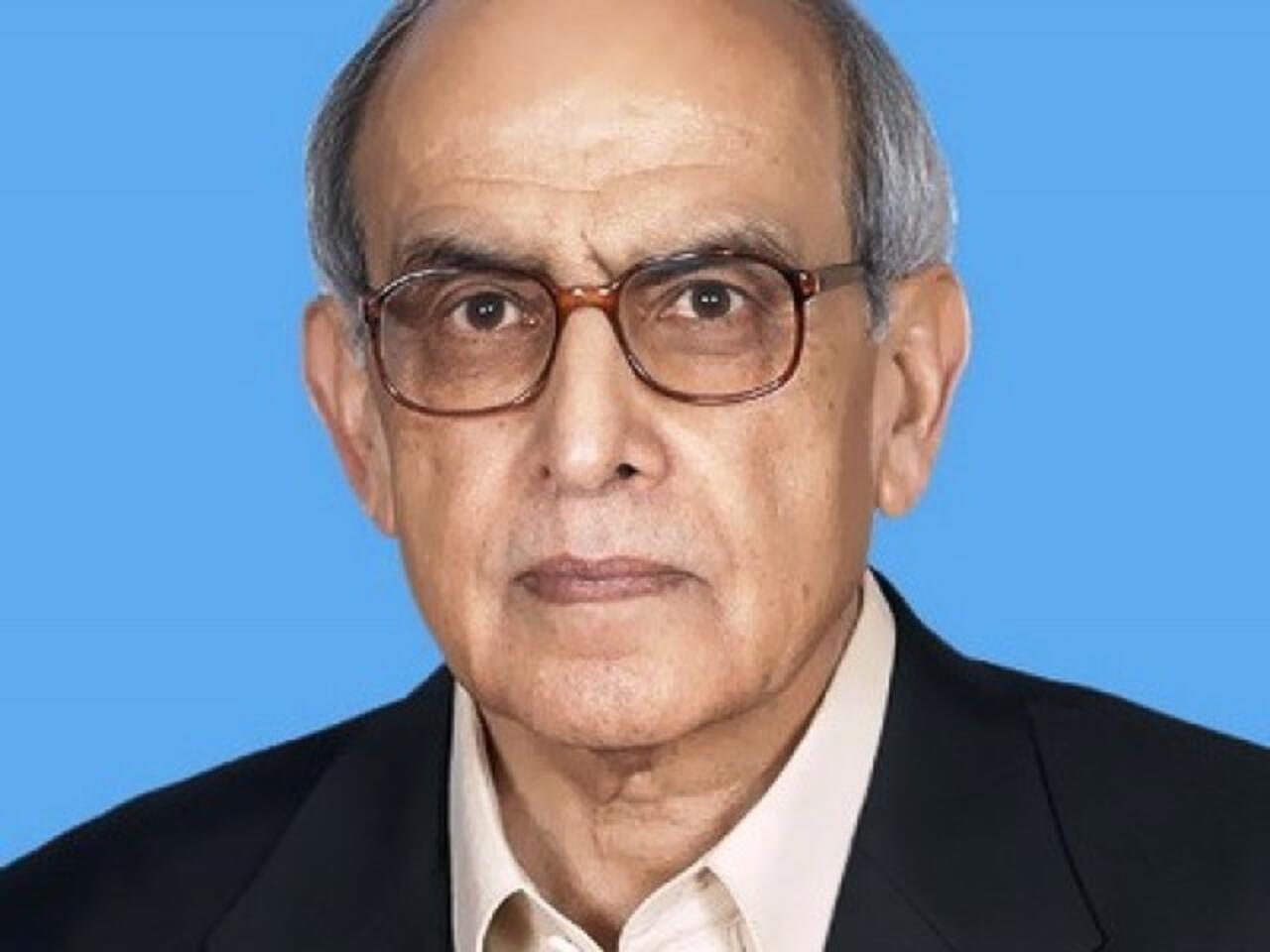
Farooq Leghari
 Pakistan
Also known as: Sardar Farooq Ahmad Khan Leghari, Farooq Ahmed Khan Leghari
Birthday
May 29, 1940
Birth Sign
Gemini
Birthplace
Choti Zareen, Dera Ghazi Khan District, Punjab, British India
Age
Died at 70
Height
6 ft 1 in (185 cm)
About
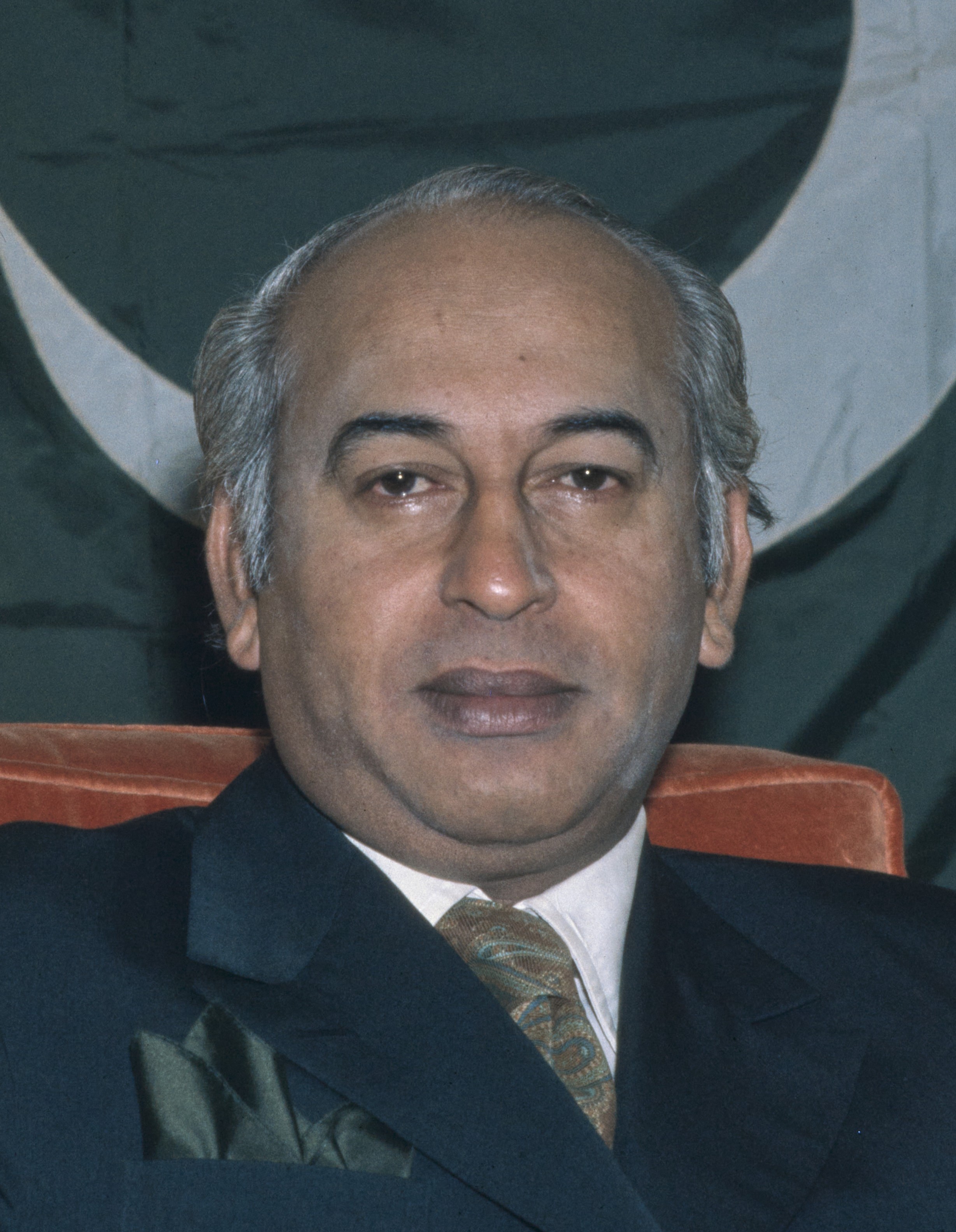
Farooq Ahmad Khan Leghari was a Pakistani politician who served as the eighth President of Pakistan from November 1993 until his resignation in December 1997. He was the first ethnic Baloch to hold the office, a distinction that marked a significant moment in the country's political history. Educated at Aitchison College, Forman Christian College, and Oxford University, Leghari brought a blend of aristocratic pedigree and academic achievement to public life.
Before the presidency, he had a varied career in the civil service and politics, including stints as a senator, federal minister, and a key figure in the Pakistan People's Party. His presidency was defined by a dramatic falling out with Prime Minister Benazir Bhutto, whom he dismissed in 1996, and a subsequent clash with Nawaz Sharif that led to his own resignation. He later founded the Millat Party and remained active in politics until his death in 2010.
Early Life & Background
Born into the prominent Leghari tribe, a Baloch feudal family in the Dera Ghazi Khan district of Punjab, Farooq Leghari grew up in an atmosphere of privilege and political involvement. His father, Nawabzada Muhammad Khan Leghari, served as a cabinet minister after independence, and his grandfather, Sir Muhammad Jamal Khan Leghari, was a respected political leader. The family's estates were vast, reportedly spanning over 115,000 acres, and Leghari was raised with a sense of duty toward his community.
He received his early education at Aitchison College in Lahore, where he was head boy and won the Rivaz Gold Medal for Best Graduating Student in 1957. He then studied economics at Forman Christian College, earning a BA with honours in 1960. Leghari went on to St Catherine's College, Oxford, where he completed a master's degree in Philosophy, Politics and Economics (PPE). At Oxford, he was an accomplished polo player and earned a 'blue' for the sport.
Returning to Pakistan, he joined the civil service in 1964, serving in various administrative roles. The death of his father in 1973 marked a turning point: he succeeded as chief of the Leghari tribe and resigned from the civil service to enter politics, aligning with Zulfikar Ali Bhutto's Pakistan People's Party as a founding member.
Career Growth
Leghari's political career gained momentum in the mid-1970s. He was elected to the Senate in 1975 and won a National Assembly seat in 1977. His opposition to General Zia-ul-Haq's martial law led to a four-year imprisonment from 1977 to 1981 as part of the Movement for Restoration of Democracy. After his release, he served as Minister for Water and Power from 1988 to 1990.
In 1993, Leghari briefly served as Minister of Foreign Affairs before being nominated by Benazir Bhutto as the presidential candidate. He won the election on November 14, 1993, becoming the eighth President. His presidency was turbulent; in 1996, he dismissed Bhutto's government over differences on army appointments and Supreme Court changes. His relationship with Nawaz Sharif also soured, leading to his resignation on December 2, 1997.
Post-presidency, he founded the centrist Millat Party and was elected to the National Assembly in 2002. He later joined the Pakistan Muslim League (Q), serving until his death.
Career Timeline
Public Image & Style
Leghari was perceived as a commanding and principled figure, known for his commitment to justice and his country. He was often described as 'pious and noble' and 'never proud' despite reaching the highest office. His public persona was that of a feudal aristocrat who nonetheless championed democratic causes, as seen in his opposition to martial law and his advocacy for electoral reforms in F.A.T.A.
He was known for his love of hunting and shooting, hobbies that reflected his traditional upbringing. In the media, he was portrayed as a decisive leader who did not shy away from confrontation, as evidenced by his dismissal of Benazir Bhutto's government. His legacy is remembered with respect in political circles, particularly in his home district.
Fame & Fandom
Farooq Leghari navigated the turbulent waters of Pakistani politics as a statesman whose legacy is defined by constitutional crises rather than celebrity adulation. Unlike entertainers who cultivate devoted followings, his public life was confined to formal state functions and high-stakes political maneuvering, resulting in an audience that respects his historical role without engaging in the rituals typical of modern fandoms. There are no documented fan-funded projects, organized campaigns, or specific social media movements dedicated to him, nor does his base possess a formal collective name. The cultural memory surrounding him consists almost entirely of verified historical events, most notably his dramatic resignation in December 1997 following a bitter clash with Prime Minister Benazir Bhutto over constitutional amendments. This event remains the cornerstone of his political narrative, often retold as the moment he chose to step down rather than compromise on democratic principles, though some accounts also highlight his earlier decision to dissolve the National Assembly twice during his tenure. His death in 2010 drew hundreds of mourners, reflecting his status as a tribal leader and national figure, yet these gatherings were expressions of mourning rather than fan worship. While allegations of corruption surfaced during his administration, they remain political accusations rather than elements of a mythological legend. As an eighth President serving from 1993 until 1997, Leghari is remembered for his aristocratic pedigree and his commitment to justice, but he did not generate the viral folklore or performance-based anecdotes that characterize pop culture icons. Farooq Leghari is currently evaluated by the iFANN Global Fame Engine but holds no placement in the published rankings, meaning he does not appear in the Global Top 1,000 or any scope-specific list. The evaluation confirms that while his historical significance is undisputed, his current global fame metric falls outside the thresholds required for a ranked position.
Interesting Facts and Legends
Farooq Leghari was an avid hunter and enjoyed shooting sports, a pastime common among the feudal elite of his era. He was known for his punctuality in prayers, described as a pious man who never missed a prayer. At Aitchison College, he was not only academically brilliant but also excelled in sports, being a prefect and head boy. He had a granddaughter named Maziyah Jamal Leghari. His family's commemorative website, legharigroup.com, includes a tribute using Laurence Binyon's poem 'For the Fallen' in his memory. He also initiated development projects in his home district, including the Dera Ghazi Khan Airport and bridges over hill torrents. His most iconic moment was his resignation in December 1997, after a bitter clash with Prime Minister Nawaz Sharif over constitutional amendments that stripped the presidency of its power to dismiss governments. This event is the cornerstone of his political legacy. Earlier, in November 1996, he had used that very power to dismiss Prime Minister Benazir Bhutto's government, a decision that remains controversial. His identity as a Sardar of the Leghari tribe was central to his political base, and his funeral in 2010 drew hundreds of mourners, reflecting his status as both a national figure and a tribal leader. The story of his resignation is widely cited as the pivotal turning point where he refused to be a figurehead, choosing instead to leave office when his constitutional powers were eroded.
Notable Quotes
“They shall grow not old, as we that are left grow old: Age shall not weary them, nor the years condemn. At the going down of the sun and in the morning, we will remember them.”
Family & Personal Life
Farooq Leghari was born into the influential Leghari tribe, the son of Nawabzada Muhammad Khan Leghari, a cabinet minister, and a Pashtun mother from Mardan. His grandfather, Sir Muhammad Jamal Khan Leghari, was a progressive political leader. One of his sisters married into the Nawab of Kalabagh's family.
He was married and had at least two sons, Awais Leghari and Jamal Leghari. Awais followed him into politics, continuing the family's political legacy. Leghari also had a granddaughter, Maziyah Jamal Leghari. The family's vast landholdings in Punjab were a defining aspect of their status, and Leghari maintained strong ties to his tribal roots throughout his life.
Notable Connections
Farooq Leghari's political career was intertwined with several key figures. He was a founding member of the Pakistan People's Party under Zulfikar Ali Bhutto. Benazir Bhutto nominated him for the presidency, but their relationship soured, leading to his dismissal of her government. He clashed with Nawaz Sharif, which resulted in his resignation. He also hosted Queen Elizabeth II during her 1997 state visit to Pakistan.
Relationships & Dating History
Farooq Leghari's marriage is not extensively documented in public sources. He was married, and his wife's name is not prominently recorded. The couple had at least two sons, Awais and Jamal, who have been mentioned in public records. Given his traditional background, his personal life remained private.
His political relationships were more public and consequential. He had a close alliance with Benazir Bhutto, who nominated him for the presidency, but their relationship deteriorated, leading to her dismissal in 1996. He also clashed with Nawaz Sharif, which culminated in his resignation. At the time of his death, he was married, and his wife survived him.
- MarriedMarried, wife's name not publicly documented.
Death & Aftermath
Died
October 20, 2010 (aged 70)
Death Place
Rawalpindi, Punjab, Pakistan
Cause of Death
Complications from a long illness
Sardar Farooq Ahmad Khan Leghari died on October 20, 2010, at a military hospital in Rawalpindi following a long illness. Contemporary reports from major outlets such as The Tribune, Dawn, and Pakistan Television confirmed the event occurred in the early hours of Wednesday morning, though one account later cited by The National incorrectly placed the date on October 21. Tributes flowed from political peers and international media, with the BBC noting his foundational role in the Pakistan People's Party while domestic publications like The Daily Times later reflected on his complex legacy regarding state institutions. A retrospective book titled A President, A Prime Minister and A Party: Interactions with Farooq Leghari by Javed Jabbar was subsequently released in September 2022 to document his interactions with Benazir Bhutto and the party leadership. While specific details regarding the funeral service or burial arrangements remain unrecorded in available sources, the national attention afforded to his death underscored his status as the eighth President of Pakistan.
Net Worth (Estate Value)
$5 Million
iFANN Editorial Team estimate
As a politician from a wealthy feudal family, Farooq Leghari's personal net worth was not publicly documented in detail. His family's landholdings were extensive, with estimates of over 115,000 acres, which provided substantial income. During his lifetime, his primary sources of income were his family's agricultural estates and his political salary. After his death in 2010, his estate continued to be managed by his family. The Leghari Group, a family enterprise, maintains his legacy and assets. As of 2026, iFANN's editorial analysis estimates the estate's value at around $5 million, considering the land and other holdings. However, this figure is speculative due to the lack of public financial records.
Awards Won (1)
Farooq Leghari received Pakistan's highest civil awards, including the Nishan-i-Pakistan, which he presented to Queen Elizabeth II during her 1997 state visit. His educational achievements were also recognized with the Rivaz Gold Medal for Best Graduating Student at Aitchison College. He earned a sports blue at Oxford University for polo.
1997 · Civil Award
State Visit of Queen Elizabeth II
Known For
President of Pakistan
1993-1997 · President
Minister of Foreign Affairs
1993 · Minister
Minister for Water and Power
1988-1990 · Minister
Keywords
Sources
Quick Facts
- Profession
- Politician
- Born
- May 29, 1940
- Birthplace
- Choti Zareen, Dera Ghazi Khan District, Punjab, British India
- Died
- October 20, 2010
- Death Place
- Rawalpindi, Pakistan
- Gender
- Male
- Birth Sign
- Gemini
- Height
- 6 ft 1 in (185 cm)
- Education
- Aitchison College, Forman Christian College, St Catherine's College, Oxford
Personal Details
- Full Name
- Sardar Farooq Ahmad Khan Leghari
- Height
- 6 ft 1 in (185 cm)
- Children
- Awais Leghari, Jamal Leghari
- Education
- Aitchison College, Forman Christian College, St Catherine's College, Oxford
Frequently Asked Questions
How did Farooq Leghari become President of Pakistan?
Why did Farooq Leghari resign as President?
Was Farooq Leghari the first Baloch president of Pakistan?
What was Farooq Leghari's relationship with Benazir Bhutto?
Who are Farooq Leghari's children?
Join the community
fans discussing