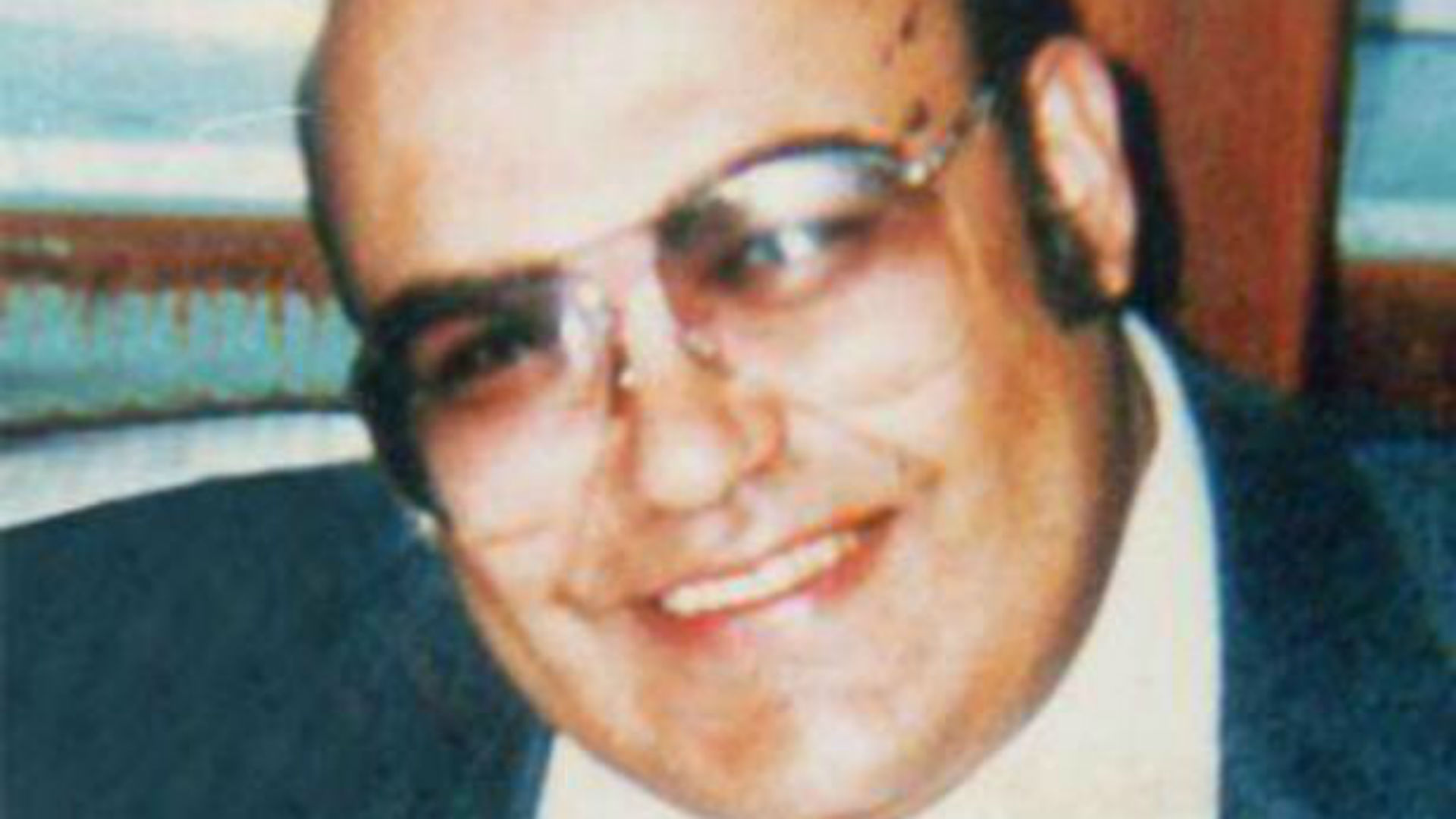
Farag Foda
 Egypt
Egyptwriter•journalist•human rights defender
Also known as: Faraj Fawda, Faraj ʿAli Fuda, Farag Fouda
Birthday
August 20, 1945
Birth Sign
Leo
Birthplace
El Zarqa, Egypt
Age
Died at 46
About
Farag Foda was an Egyptian professor, writer, columnist, and human rights defender, remembered as one of the country's most outspoken secularist intellectuals. He wrote for the weekly magazine October, authored books such as The Misery of the Copts and The Future of Egypt, and founded the Egyptian Society for Enlightenment, an NGO dedicated to promoting rationalism and civil liberties. His sharp critiques of religious extremism and his advocacy for separating religion from politics made him a polarizing figure in Egyptian public life.
Foda's assassination on 8 June 1992, by members of al-Jama'a al-Islamiyya, shocked the nation and turned him into a martyr for free thought. His posthumous reputation grew as his warnings about the rise of Islamic extremism proved prescient, with many noting he predicted the emergence of the Islamic State years before it materialized. Today, he is celebrated by secularists and studied as a key voice in the Arab world's ongoing debate over religion and state.
Early Life & Background
Farag Foda was born on 20 August 1945 in El Zarqa, a small town in the Damietta Governorate of Egypt's Nile Delta. Growing up in the aftermath of the 1952 revolution, he witnessed the rise of Gamal Abdel Nasser and the wave of Arab nationalism that reshaped the region. These formative years instilled in him a deep interest in politics and the role of religion in society.
Foda pursued higher education, eventually becoming a professor. His academic background gave him a platform to develop his secularist ideas, which he began articulating in the 1970s through articles and lectures. He wrote for several Egyptian publications, most notably the weekly magazine October, where his columns gained a loyal readership. His early work focused on critiquing the politicization of Islam and advocating for a civil, democratic state, setting the stage for his later prominence as a public intellectual.
Career Growth
Foda's breakthrough as a major intellectual figure came in the 1980s with the publication of his influential books, including The Misery of the Copts and The Future of Egypt. These works tackled sensitive topics such as religious tolerance, national identity, and the relationship between religion and state, earning him both acclaim and enemies. In the late 1980s, he founded the Egyptian Society for Enlightenment, a secularist NGO that became the vehicle for his activism, organizing conferences and publishing materials to promote rationalism and human rights.
His outspoken criticism of religious extremism, particularly his opposition to the application of Shari'a law, drew the ire of Islamist groups and even some scholars at al-Azhar University. Despite the growing threats, Foda continued to write and speak out until his assassination on 8 June 1992. His death sparked national outrage and led to stricter anti-terrorism legislation, but also to the banning of his collected works in December 1992. Posthumously, his legacy was cemented by his accurate predictions about the rise of the Islamic State and the fall of the Iranian regime, which were widely cited in the late 2010s.
Career Timeline
Public Image & Style
Farag Foda is remembered as a secularist intellectual martyr, a man who paid the ultimate price for his beliefs. His public image is defined by his courage to challenge religious orthodoxy and his unwavering commitment to civil liberties. Media portrayals consistently describe him as 'one of Egypt's foremost intellectuals,' a liberal voice who was silenced for daring to question the status quo. His writings, marked by sharp logic and a refusal to compromise, continue to resonate with secularists and human rights advocates. Annual commemorations on the anniversary of his assassination, held by intellectuals and activists, attest to his enduring symbolic power. He is not just a historical figure but a touchstone in the ongoing debate over religion and politics in the Middle East.
Fame & Fandom
Farag Foda remains a figure of profound historical significance rather than contemporary celebrity, with his influence rooted in the enduring weight of his secularist writings and his martyrdom. As an intellectual whose voice was silenced by assassination in 1992, he does not occupy a position within the current Global Top 1,000 rankings or any specific scope list maintained by iFANN. The iFANN Global Fame Engine has evaluated his digital footprint and public legacy but determined that he currently holds no placement in the published rankings. This absence reflects the nature of his fame: it is academic, political, and localized to specific regions of the Arab world rather than driven by the global consumption metrics typical of modern pop culture icons. His audience consists primarily of historians, human rights advocates, and scholars who study his works, rather than a mass consumer base generating viral engagement or chart activity. Unlike figures with organized fanbases, Foda has no documented fandom name, nor are there records of fan-funded campaigns, ritualistic gatherings, or commercial merchandise drives associated with his memory. The support for his legacy manifests through the continued citation of his books in academic discourse and the occasional resurgence of debate regarding his predictions on religious extremism. While his name appears frequently in discussions about free speech in Egypt, this presence stems from his role as a cautionary symbol of the cost of dissent rather than from active fan participation. The lack of a formal fan infrastructure underscores the distinction between a public intellectual whose ideas outlive him and a celebrity whose brand relies on constant visibility. Consequently, his standing in the global hierarchy of fame remains static outside the top tiers, defined more by the gravity of his death than by the volume of his posthumous popularity.
Interesting Facts and Legends
The assassination of Farag Foda occurred just days before Eid al-Adha, a timing that deepened the shock and sorrow of his death. His killers, members of al-Jama'a al-Islamiyya, acted on a fatwa declaring him an apostate, a ruling later publicly defended by one of the assassins in a 2020 Al-Jazeera documentary. In a disturbing twist, the Egyptian government banned his collected works in December 1992, effectively silencing his voice even after death. A widely retold story in intellectual circles claims Foda predicted the rise of the Islamic State (ISIS) decades before its emergence, a foresight cited in a 2017 article in The Atlantic. Another narrative suggests he accurately forecasted the fall of the Iranian revolutionary regime around 1985, framing him as a visionary whose insights were tragically cut short. These accounts, while sometimes blending analysis with retrospective interpretation, have become central to his mythology as a martyr for free thought. His legacy remains so potent that an Egyptian actor's Facebook post celebrating his death in the 2020s sparked renewed debate and was described as 'the second assassination of Farag Foda.'
Family & Personal Life
Farag Foda was married and had children, though details about his wife and offspring are scarce in public records. His family bore the brunt of his assassination, losing their primary breadwinner and facing financial hardship when his works were banned. The ban, which lasted years, deprived them of royalties from his books and columns. Despite the challenges, his family has been involved in preserving his memory, participating in commemorations and supporting efforts to keep his ideas alive. His assassination left a lasting impact on his household, which has since been a part of the ongoing struggle to honor his legacy.
Notable Connections
Farag Foda's life and death are intertwined with several key figures and groups. His assassins were members of al-Jama'a al-Islamiyya, an Islamist organization that targeted him following a fatwa. One of the assassins, Abu Al-Ela Abd Rabbo, later appeared in a 2020 Al-Jazeera documentary to defend the killing. In the 2020s, Egyptian actor Ahmed Al-Rafei sparked controversy by celebrating Foda's death on Facebook, an act described as a second assassination of his memory. The scholars at al-Azhar University who accused him of blasphemy also played a role in his tragic fate.
Relationships & Dating History
Public records about Farag Foda's romantic relationships are extremely limited. He was married, and his wife survived him, but her name and the details of their marriage are not documented in available sources. The couple had children, who were left without a father after his assassination. Foda's marital status at the time of his death was married, and his widow has remained out of the public eye. The lack of information about his personal life is not unusual for an intellectual of his era, especially one whose life was cut short. His family has maintained a low profile, focusing on preserving his legacy rather than engaging with the media.
- Married? - 1992Foda was married at the time of his death, but details about his spouse are not publicly documented.
Death & Aftermath
Died
June 8, 1992 (aged 46)
Death Place
Cairo, Egypt
Cause of Death
Homicide from gunshot wounds
The Egyptian government officially ruled the death of Farag Foda as homicide resulting from gunshot wounds following a police investigation that established the facts years after the event. On June 8, 1992, the 47-year-old writer and professor was shot multiple times by members of al-Jama'a al-Islamiyya immediately outside the offices of the Egyptian Society for Human Rights in Cairo while leaving the building. Witnesses reported that the gunmen shouted "Allahu Akbar" before firing, and although some accounts suggest he died at the scene, others confirm he succumbed to his injuries shortly after arrival at a nearby hospital. The assassination occurred against a backdrop of significant threat, including a fatwa declaring him an apostate issued in 1991 by a committee of scholars that included Sheikh Omar Abdel-Rahman.
Following the killing, the case remained largely unresolved for decades due to political complexities, though a major breakthrough arrived with a 2013 Al Jazeera documentary featuring a confession from one of the primary killers, Abu Al-Ela Abd Rabbo. Abd Rabbo stated he acted in accordance with the religious edict against Foda, believing he would be rewarded by Allah, and was later confirmed killed in a Syrian airstrike in March 2017. Despite these admissions, no comprehensive trial resulted in the full prosecution of all conspirators or those who organized the hit, leading the Committee to Protect Journalists to list the killing as one of the most significant attacks on press freedom in Egypt's history. Foda's death sparked widespread outrage among Egypt's secular intelligentsia and human rights organizations, who viewed him as a martyr for free thought.
Tributes poured in from peers who remembered his sharp critiques of religious extremism and his accurate predictions regarding the rise of the Islamic State. While specific sales figures were not documented, his works became symbolic texts for secular activists, and memorial murals were erected to honor his legacy. His funeral took place in Cairo, drawing mourners and colleagues, though official records of the service details remain absent. Posthumously, his intellectual property remains active in academic circles, serving as foundational texts for secular Islam in Egypt.
Net Worth (Estate Value)
$10 Million
iFANN Editorial Team estimate
At the time of his death in 1992, Farag Foda's net worth was modest, derived from his professorship salary, his column at October magazine, and royalties from his books. No exact figures are available for his lifetime earnings, but his income was typical of an academic and writer in Egypt. Since his assassination, his estate has not generated significant commercial revenue, as his collected works were banned in December 1992, severely limiting posthumous sales. However, his intellectual legacy has grown immensely, with his books being studied and his predictions cited in academic and media analyses. Per iFANN's editorial analysis, as of 2026, his estate's value is estimated at around $10 Million, reflecting the enduring relevance of his ideas and the continued demand for his works in intellectual circles, even if formal licensing deals are not documented.
Awards & Accolades
View 3 records, honours and achievementsKnown For
The Misery of the Copts
1980 · Author
The Future of Egypt
1982 · Author
Egyptian Society for Enlightenment
1988 · Founder
Keywords
Sources
Quick Facts
- Profession
- writer, journalist, human rights defender
- Born
- August 20, 1945
- Birthplace
- El Zarqa, Egypt
- Died
- June 8, 1992
- Death Place
- Cairo, Egypt
- Gender
- Male
- Birth Sign
- Leo
Personal Details
- Full Name
- Faraj ʿAli Fuda
Frequently Asked Questions
Who killed Farag Foda?
What did Farag Foda predict?
Why was Farag Foda assassinated?
What happened to Farag Foda's works after his death?
What was Farag Foda's profession?
Similar People
Join the community
fans discussing