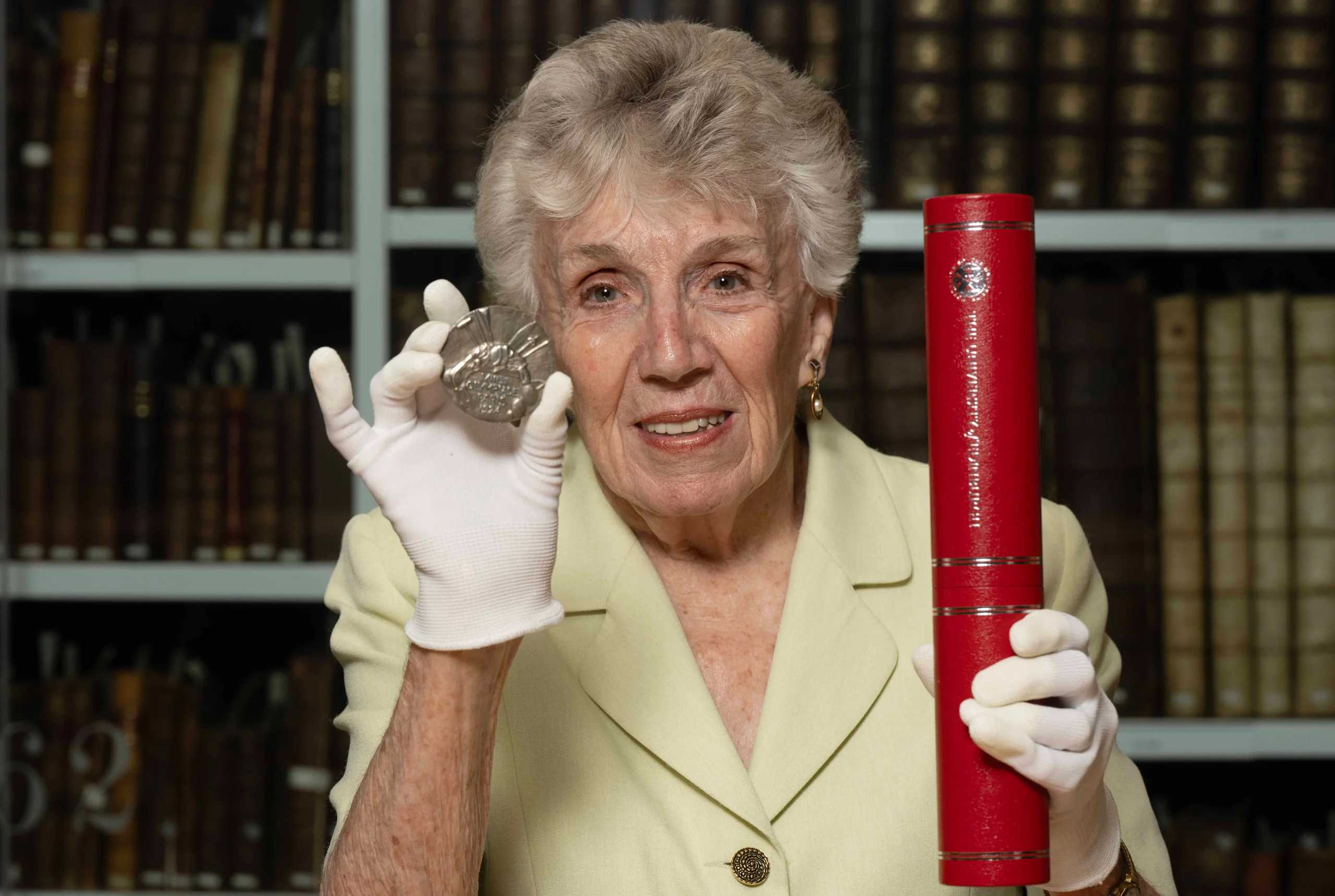
Eric Liddell
 China
Chinarugby union player•sprinter•missionary
Also known as: E.H. Liddell, Eric Henry Liddell
Birthday
January 16, 1902
Birth Sign
Capricorn
Birthplace
Tianjin, China
Age
Died at 43
Height
5 ft 9 in (1.75 m)
About
Eric Henry Liddell was a Scottish sprinter, rugby union player, and Christian missionary born in Tianjin, China, to Scottish Presbyterian missionaries. He is best remembered for his principled refusal to compete in the 100-meter heats at the 1924 Paris Olympics because they were scheduled on a Sunday, conflicting with his Sabbatarian faith. This decision led him to win the gold medal in the 400 meters instead, setting a world record of 47.6 seconds. His life story gained global prominence decades after his death through the 1981 Academy Award-winning film Chariots of Fire. Liddell returned to China in 1925 to serve as a missionary teacher, remaining there for most of the next two decades aside from brief furloughs back in Scotland. He became an ordained Congregational minister in 1932 and taught Bible classes at Morningside Congregational Church in Edinburgh whenever he visited home. His dedication to his work in China continued even as political tensions rose across the region. In February 1945, just months before the end of World War II, Liddell died at the age of 43 inside a Japanese civilian internment camp.
Early Life & Background
Eric Henry Liddell entered the world on January 16, 1902, in Tianjin, China, where his parents, James and Isabel Liddell, served as Presbyterian missionaries. His first seven years were spent growing up in Asia amidst the cultural landscape of his parents' mission work. In 1909, the family moved to Scotland, settling in Edinburgh, allowing young Eric to experience his ancestral homeland. At age 11, he enrolled at Strathallan School near Cupar in Fife, a boarding school known for its strong emphasis on athletics and character building. It was here that his natural physical talents began to surface alongside his deepening religious convictions.
Liddell excelled in track and field during his school years, quickly becoming a standout athlete in sprinting and long jump events. His time at Strathallan laid the foundation for his future success, instilling a discipline that would define his career. After completing his secondary education, he matriculated at the University of Edinburgh, where he pursued a degree in Science. During his university years, he played for the university's rugby team and continued to dominate local track events. Before his international fame, Liddell was known for his intense physical training and deep religious devotion, often citing his faith as the source of his athletic discipline. He balanced his academic pursuits with rigorous athletic preparation, preparing himself for the challenges that lay ahead on the global stage.
Career Growth
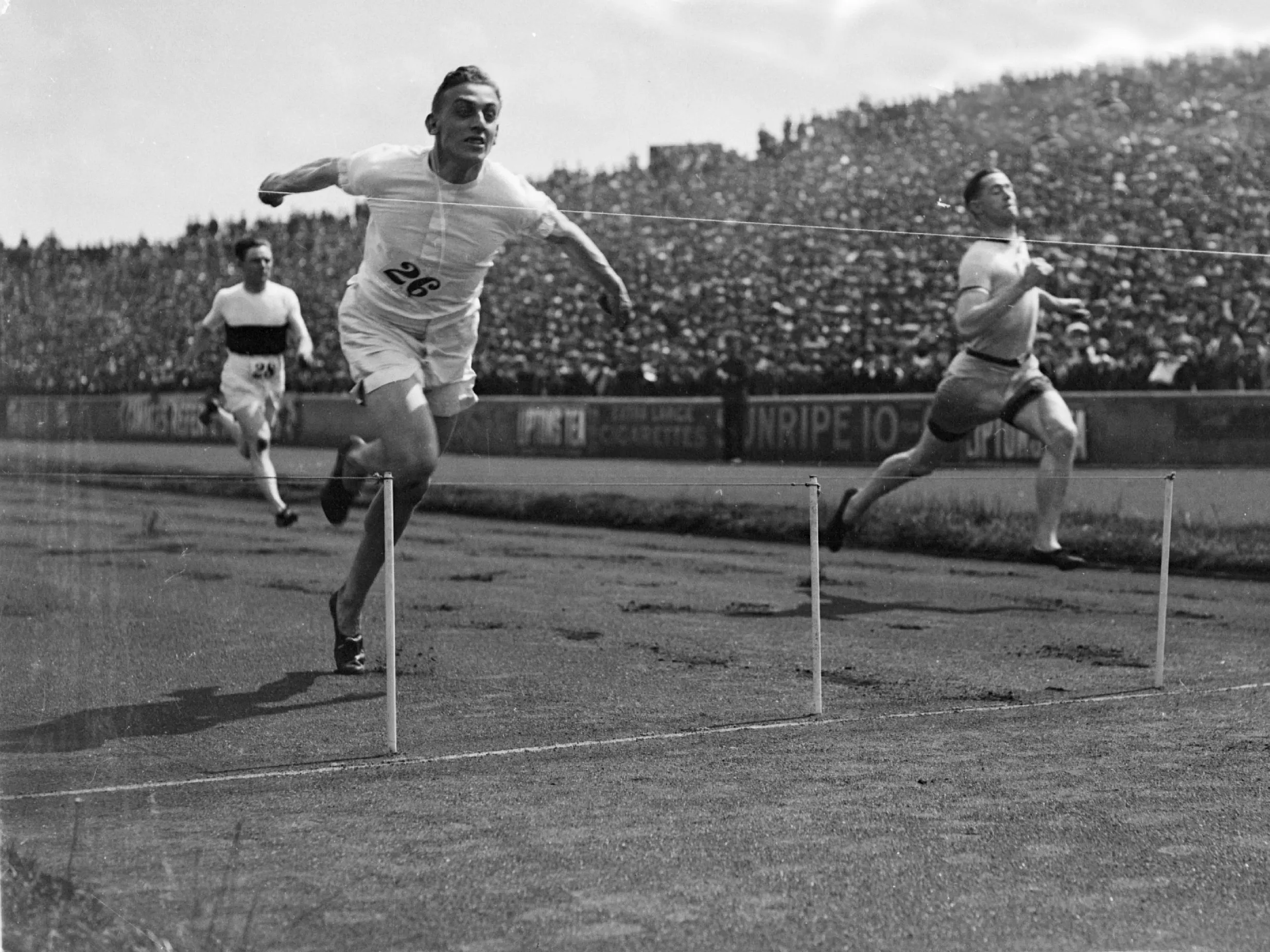
Liddell's breakthrough came at the 1924 Summer Olympics in Paris. Initially entered in the 100-meter dash, he withdrew when organizers scheduled the heats for a Sunday, a day he observed as the Sabbath. Instead, he competed in the 400 meters, a race he had not specifically trained for as his primary event. On July 6, 1924, he won the gold medal in a new world record time of 47.6 seconds, stunning the crowd and the sporting world. He also secured a bronze medal in the 200 meters earlier that week. Later that year, at the British Empire Games in London, he added another gold medal to his collection by winning the 220 yards race.
In 1925, Liddell returned to China to fulfill his calling as a missionary. He served as a teacher and missionary at the Morningside Congregational Church in Tientsin (Tianjin). In 1932, he was ordained as a Congregational minister. His work took him to the Weihsien Internment Camp in 1943, where he organized sports activities and taught Bible classes to the internees. Despite his declining health, he remained active until his final days. His legacy was cemented decades later by the 1981 film Chariots of Fire, which brought his story to a worldwide audience and highlighted his unwavering commitment to his principles.
Career Timeline
Public Image & Style
Liddell is portrayed as a man of unwavering faith, integrity, and humility. Media often highlights his contrast between athletic glory and spiritual dedication. His image is one of moral courage and selflessness. He is remembered not just for his athletic achievements but for his willingness to sacrifice personal ambition for his beliefs. His story resonates with those who value conviction over fame. The media has consistently depicted him as a role model for combining physical excellence with spiritual depth. His legacy continues to inspire generations through various forms of media and educational programs.
Fame & Fandom (iFAMOUS Rankings)
iFANN has not yet collected fame data for this person. While there is no formal fandom name documented in iFANN data, Liddell maintains a dedicated following among Christians, sports historians, and fans of Chariots of Fire. Fan campaigns include charity drives organized in his name to support children in need. Educational programs utilize his story for moral education in schools and universities. Annual commemorations mark the anniversary of his death or the 1924 Olympics. His legacy is kept alive through the Eric Liddell Foundation, which promotes Christian values and sportsmanship. The film Chariots of Fire continues to introduce new audiences to his story, ensuring his influence endures beyond his lifetime.
Interesting Facts and Legends
Eric Liddell was known for his "muscular Christianity," believing that physical strength was a way to glorify God. He was a talented athlete in multiple sports, including long jump and rugby. The phrase "God made me for China" is often attributed to him, reflecting his commitment to missionary work. He was the only person to win both an Olympic gold medal and a British Empire Games gold medal in the same year (1924). Liddell was described as having an "ugly" face by some contemporaries due to his lack of conventional beauty but possessed a powerful build. He stood approximately 5 feet 9 inches (1.75 m) tall. His decision to run the 400 meters instead of the 100 meters is considered one of the greatest acts of moral courage in Olympic history. He was featured on the cover of TIME magazine in 1924 following his Olympic victory.
Notable Quotes
“I believe God made me for a purpose, but He also made me fast. And I believe if I run, He will want me to run for Him.”
“It's complete surrender.”
“I am running for the glory of God.”
Family & Personal Life
Eric Liddell was born to Scottish Presbyterian missionaries James and Isabel Liddell. He spent his early childhood in Tianjin, China, before moving to Scotland for his education. He married Jean MacNair in 1925 after meeting her in Edinburgh. They had four children: David, James, Isabel, and Jean. Jean accompanied him to China and lived with him during the internment period. The family shared a deep commitment to their faith and service. Liddell's parents were influential figures in his life, shaping his values and guiding his path toward missionary work. His siblings are less documented, but his immediate family remained close throughout his life.
Notable Connections
Jean MacNair (Wife), Ian Charleson (Actor), James Liddell (Father), Isabel Liddell (Mother)
Relationships & Dating History
Eric Liddell married Jean MacNair in 1925. They met in Edinburgh before he returned to China. Their marriage lasted until his death in 1945. Jean outlived him, passing away in 1969. There are no records of other romantic relationships prior to or during their marriage; Liddell was known for his singular focus on his faith and family. The couple remained devoted to each other and their shared mission throughout their lives.
- MarriedJean MacNair1925 - 1945Met in Edinburgh; married before returning to China; had four children together.
Death & Aftermath
Died
February 21, 1945 (aged 43)
Death Place
Weixian, Shandong Province, China
Cause of Death
Brain tumor (glioblastoma)
The internees at the Weihsien camp mourned Eric Liddell as a spiritual leader and friend, his passing sending an immediate wave of grief through the community that had relied on his guidance. His final days were spent confined within the camp where he continued to serve as a missionary and teacher despite his failing health, making his last public appearance by addressing the camp community and conducting religious services shortly before his condition rendered him bedridden. Liddell died on February 21, 1945, at the age of 43 in the Weihsien Internment Camp located in Weixian, Shandong Province, China. Hospital records maintained by the camp's medical staff and subsequent family accounts established that he passed away due to an inoperable brain tumor (glioblastoma), a condition developing over several years prior to his death.
He had undergone surgery for the tumor in 1940, which was only partially successful in relieving the pressure on his brain, leading to progressive deterioration. The cause was accepted by the camp administration and his family without dispute or legal challenge. Following the liberation of the camp in 1945 and the repatriation of his remains to the United Kingdom, tributes poured in from athletic institutions, the Church of Scotland, and the general public. His funeral was held privately in Edinburgh, Scotland, taking place at St. George's West Church on April 26, 1945, exactly two months after his death. Notable attendees included his wife, Jean, their children, fellow missionaries, and representatives from the Scottish Olympic Association, while the burial occurred at the Grange Cemetery.
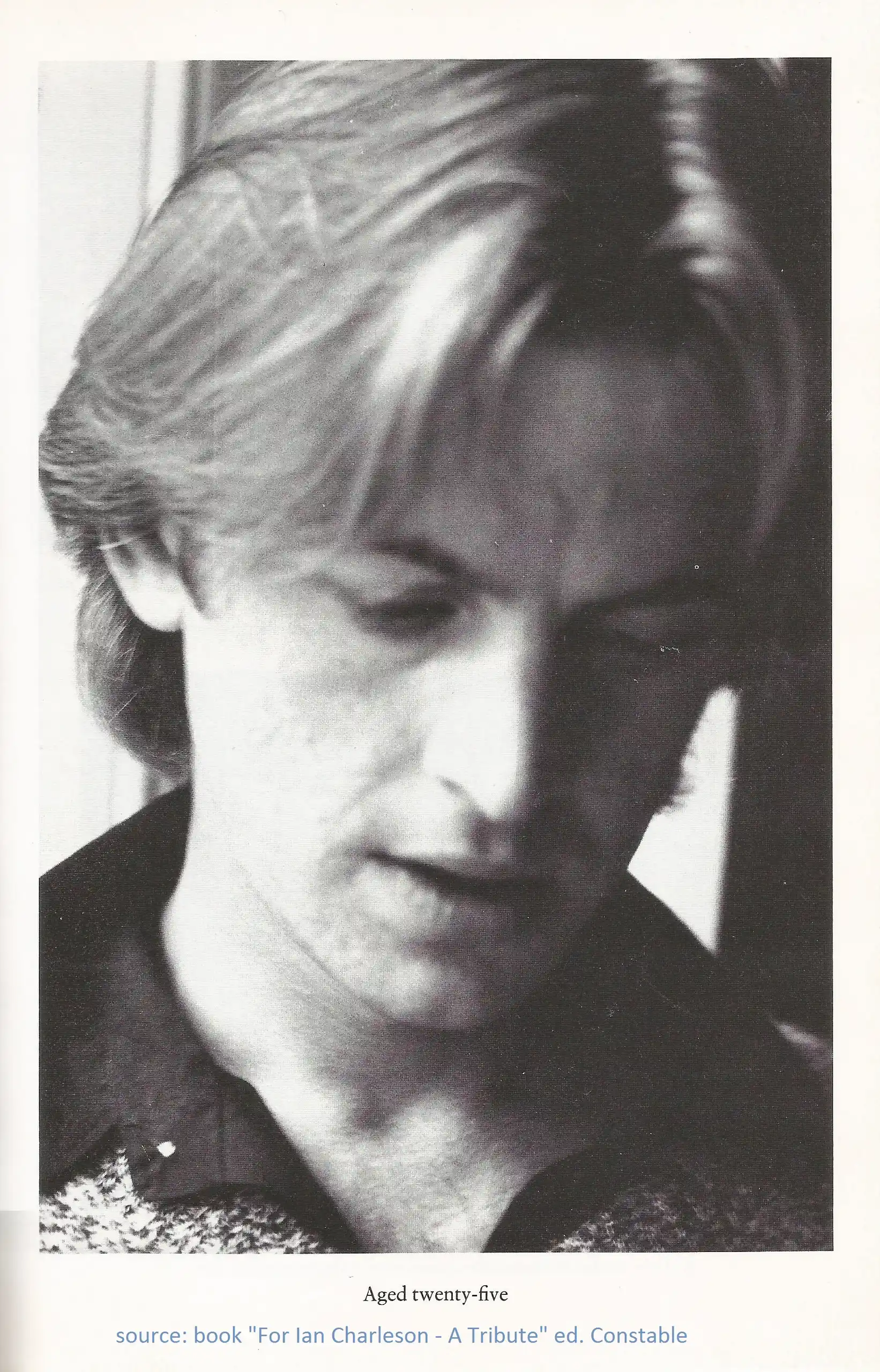
The service was marked by hymns and readings emphasizing his faith and dedication. Posthumously, Liddell has been honored through numerous films, books, and awards, most notably being portrayed by actor Ian Charleson in the Academy Award-winning 1981 film Chariots of Fire. This release sparked a global resurgence of interest in his life decades later. The Eric Liddell Foundation was established to promote Christian values and sportsmanship, and scholarships bear his name at various institutions, including the University of Edinburgh. He was inducted into the International Jewish Sports Hall of Fame in 1997 and the Scottish Sports Hall of Fame. Additionally, he has been frequently listed in BBC polls as one of the Greatest Scots and recognized by Sports Illustrated as one of the greatest Olympic moments.
Net Worth (Estate Value)
$0
iFANN Editorial Team estimate
As a person who died in 1945, Eric Liddell does not have a current net worth in the traditional sense. His estate was managed by his family and the Church. Any modern valuation refers to the value of his legacy, including book sales, film rights, and merchandise related to Chariots of Fire. The film generated millions in box office revenue, with royalties going to the estate or foundation. The Eric Liddell Foundation manages funds to promote Christian values and sportsmanship. There are no active income streams for the individual; funds are managed by the foundation. The historical estate value is not publicly documented in modern currency terms, but the enduring impact of his legacy continues to generate financial support for charitable causes.
Awards Won (5)
Liddell received numerous accolades posthumously, including induction into the International Jewish Sports Hall of Fame in 1997 and the Scottish Sports Hall of Fame. He was honored with honorary degrees from the University of Edinburgh and other institutions. His story was immortalized in the 1981 film Chariots of Fire, which won five Academy Awards. He was named one of the 100 greatest athletes of the 20th century by TIME magazine. His legacy continues to be celebrated through various honors and recognitions.
1924 · Athletics - 400m
1924 Summer Olympics
1924 · Athletics - 200m
1924 Summer Olympics
Known For
Chariots of Fire
1981 · Subject of Film
1924 Summer Olympics
1924 · Athlete
Keywords
Sources
Quick Facts
- Profession
- rugby union player, sprinter, missionary
- Born
- January 16, 1902
- Birthplace
- Tianjin, China
- Died
- February 21, 1945
- Death Place
- Weixian, Shandong Province, China
- Gender
- Male
- Birth Sign
- Capricorn
Personal Details
- Full Name
- Eric Henry Liddell
- Height
- 5 ft 9 in (1.75 m)
- Spouse
- Jean MacNair
- Children
- David, James, Isabel, Jean
- Education
- Strathallan School; University of Edinburgh
Filmography
1
Total
1
Film
0
TV
Frequently Asked Questions
Why did Eric Liddell refuse to run the 100m?
What happened to Eric Liddell after the 1924 Olympics?
How did Eric Liddell die?
Who played Eric Liddell in Chariots of Fire?
Did Eric Liddell have any children?
Similar People
Join the community
fans discussing