 Spain
SpainAbout
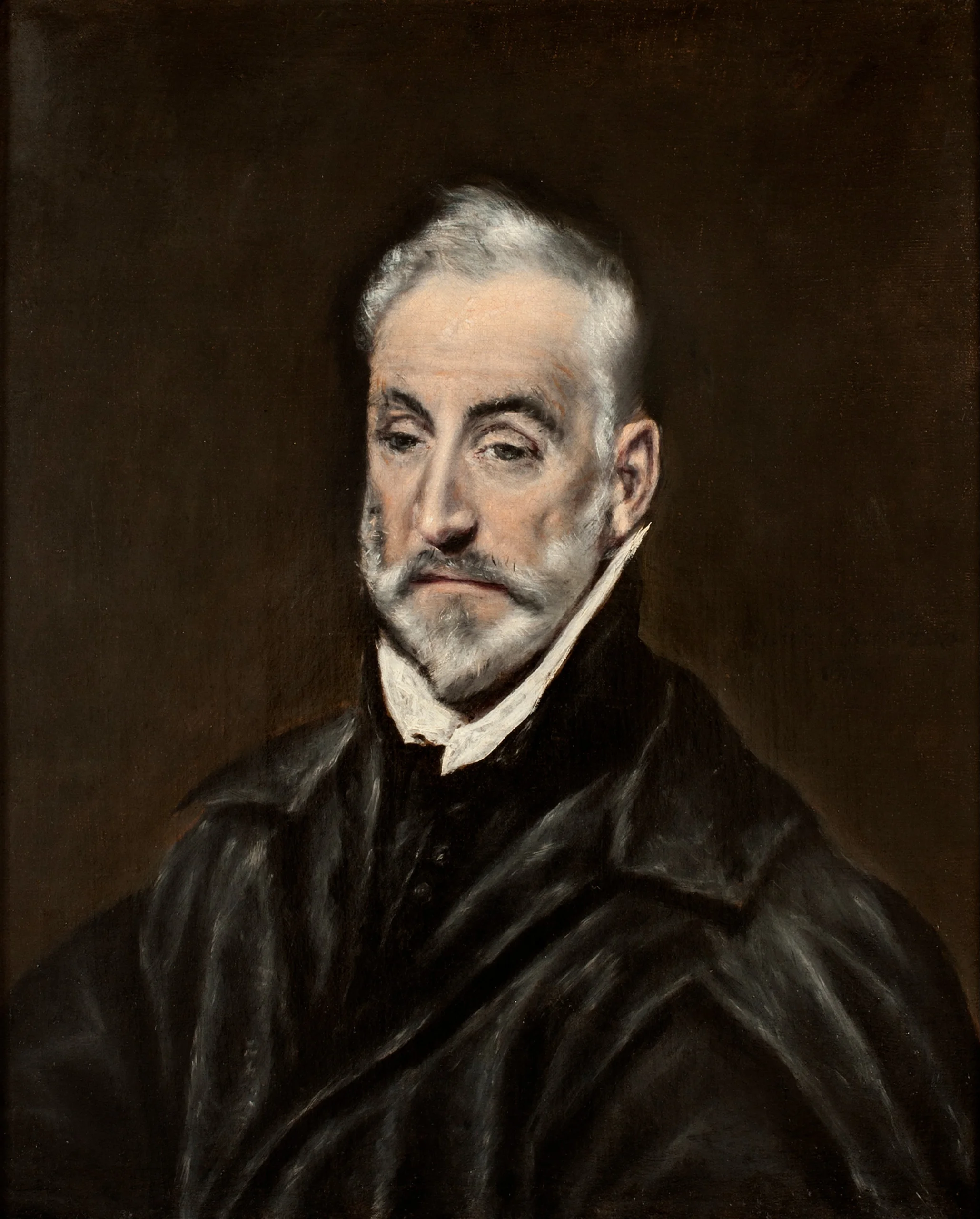
Born Doménikos Theotokópoulos in Heraklion, Crete, on October 1, 1541, El Greco became one of the most distinctive painters of the Spanish Renaissance. He was also a sculptor and architect, trained in the Post-Byzantine art tradition prevalent in his native land. After honing his craft, he embarked on a journey that would shape his unique artistic vision. At 26, he traveled to Venice, following a path taken by many Greek artists of the era. Italy proved to be a transformative period; by 1570, he had settled in Rome, establishing his own workshop and producing a series of works. During his time in Italy, El Greco absorbed the influences of Venetian Renaissance masters like Tintoretto and Titian, and incorporated elements of Mannerism into his evolving style.
Fame & Fandom
The long shadow cast by Doménikos Theotokópoulos stretches across centuries, yet his presence remains startlingly specific in modern metrics. He holds the 92nd most famous person in Spain, a steady rank that underscores his enduring status as a national icon. In the broader realm of creative history, he stands as the 45th most famous person in Art & Design. These placements within the iFANN Global Fame Rankings reflect a global attention span that tracks cultural consumption and media coverage worldwide. His fame is not a fleeting trend but a structural constant in how we measure historical influence. Unlike modern stars who cultivate a tribe with a specific moniker, El Greco's admirers have no formal name. There are no fan clubs or organized campaigns; the audience consists of scholars, museum visitors, and art historians who keep his legacy alive through study rather than social media rituals. This lack of a branded fandom highlights the unique nature of his posthumous existence, he is revered for the work left behind, not for a personality to be idolized. The silence of his fanbase speaks louder than any cheerleading squad could, proving that true mastery requires no applause to remain significant.
Interesting Facts and Legends
Born Doménikos Theotokópoulos in Heraklion, Crete, on October 1, 1541, the artist adopted the nickname El Greco after moving to Spain. He trained in the Post-Byzantine tradition before traveling to Venice and Rome, where he absorbed influences from Tintoretto and Titian. A defining chapter of his biography involves his fall into obscurity for nearly two hundred years after his death in 1614, only to be rediscovered by late 19th-century critics who recognized his visionary style. Modern scholarship has added new layers to this narrative. In March 2026, experts uncovered a previously unknown painting titled The Redeemer hidden beneath a forgery in the Vatican collection. Later that year, an AI brushstroke detection tool helped authenticate The Baptism of Christ, resolving decades of debate regarding its authorship. These discoveries have fueled major immersive exhibitions in Madrid and Castel Gandolfo, bringing his elongated figures and vibrant colors back to the forefront of public consciousness.
Death & Aftermath
Died
+1614-04-07 (aged 72)
Death Place
Toledo, Castile, Spain
Cause of Death
Unknown
The official record from the archives of Toledo marks the end of Doménikos Theotokópoulos on April 7, 1614. His final days unfolded within the quiet confines of his home in the Spanish city where he had made his life for decades. Funeral rites were conducted locally, and he was buried in Toledo, though the exact location within the church remains a matter of historical silence rather than documented fact. The immediate aftermath of his passing was not marked by public tributes or state memorials but by a gradual fading of his reputation among his contemporaries.
While his workshop continued to operate under the stewardship of his son Jorge Manuel and his daughter Juana, the artistic world slowly turned away from his distinctive style. His work fell into obscurity for nearly two centuries, ignored by critics who found his elongated figures and intense colors too strange for the prevailing tastes of the Baroque era. It was not until the late 19th century that painters like El Greco would be rediscovered and celebrated as pioneers of modern expression.
Awards & Accolades
Keywords
Quick Facts
- Profession
- painter, sculptor, architect
- Born
- +1541-10-01
- Birthplace
- Heraklion
- Died
- +1614-04-07
- Death Place
- Toledo
- Gender
- Male
- Birth Sign
- Libra
Join the community
fans discussing