Domingo Caycedo
 Colombia
Statesman•military officer•lawyer•academic
Also known as: Domingo Caycedo Santamaría, José Domingo Caicedo y Santamaría
Birthday
August 4, 1783
Birth Sign
Leo
Birthplace
Santafé de Bogotá (now Bogotá), Colombia
Age
Died at 59
About
Domingo Caycedo was a Colombian statesman, military officer, lawyer, and academic who served as acting President of Colombia on eleven separate occasions between 1831 and 1843. His repeated interim leadership provided crucial stability during the chaotic dissolution of Gran Colombia and the formation of the Republic of New Granada. Known for his legal acumen and unwavering commitment to constitutional governance, Caycedo is remembered as a key architect of Colombia's early republican institutions.
Caycedo's career spanned the independence wars and the first decades of nation-building. He held the vice presidency of Gran Colombia under José María Obando and later played a central role in the transition to the Republic of New Granada. His legacy endures in Colombian historiography as a guardian of the constitution, a man who stepped into the highest office whenever the nation needed continuity. Today, his papers are being digitized by Colombian archives, and his name appears on institutions and streets throughout the country.
Early Life & Background
Domingo de Caycedo y Sanz de Santamaría was born on August 4, 1783, in Santafé de Bogotá, the capital of the Viceroyalty of New Granada. He came from a prominent criollo family, part of the colonial elite that would later lead the independence movement. Growing up in the intellectual ferment of the late colonial period, Caycedo received a rigorous education, earning a law degree and training as a soldier.
His early years were marked by the revolutionary ideas circulating across South America. He became involved in the push for independence from Spain, joining the patriot cause in the 1810s. Before entering high politics, he served in various military capacities and as an academic, establishing himself as a man of letters and law. These formative experiences shaped his commitment to legal order and republican governance, values that would define his long public career. His education in law and military science provided the foundation for his later roles.
Career Growth
Caycedo's breakthrough came in the 1820s as he rose through the ranks of the new republic. In 1831, he was appointed Vice President of Gran Colombia under José María Obando, serving from May 3 to October 20 of that year. When the presidency fell vacant, Caycedo assumed the role of acting head of state, beginning his unprecedented run of eleven interim presidencies.
Between 1831 and 1843, Caycedo repeatedly stepped in as acting President during leadership crises caused by illness, resignation, or death. His steady hand guided the nation through the fragmentation of Gran Colombia and the establishment of the Republic of New Granada. He was instrumental in shaping the new state's constitutional framework, drawing on his legal expertise. Following the secession of Venezuela and Ecuador, he navigated the complex constitutional landscape of the new republic. Even in his final years, he continued to serve in high office until his health declined. His career timeline includes active participation in the independence movements from 1809–1810s, and key roles in the transition from Gran Colombia to the Republic of New Granada from 1832–1835.
Career Timeline
Public Image & Style
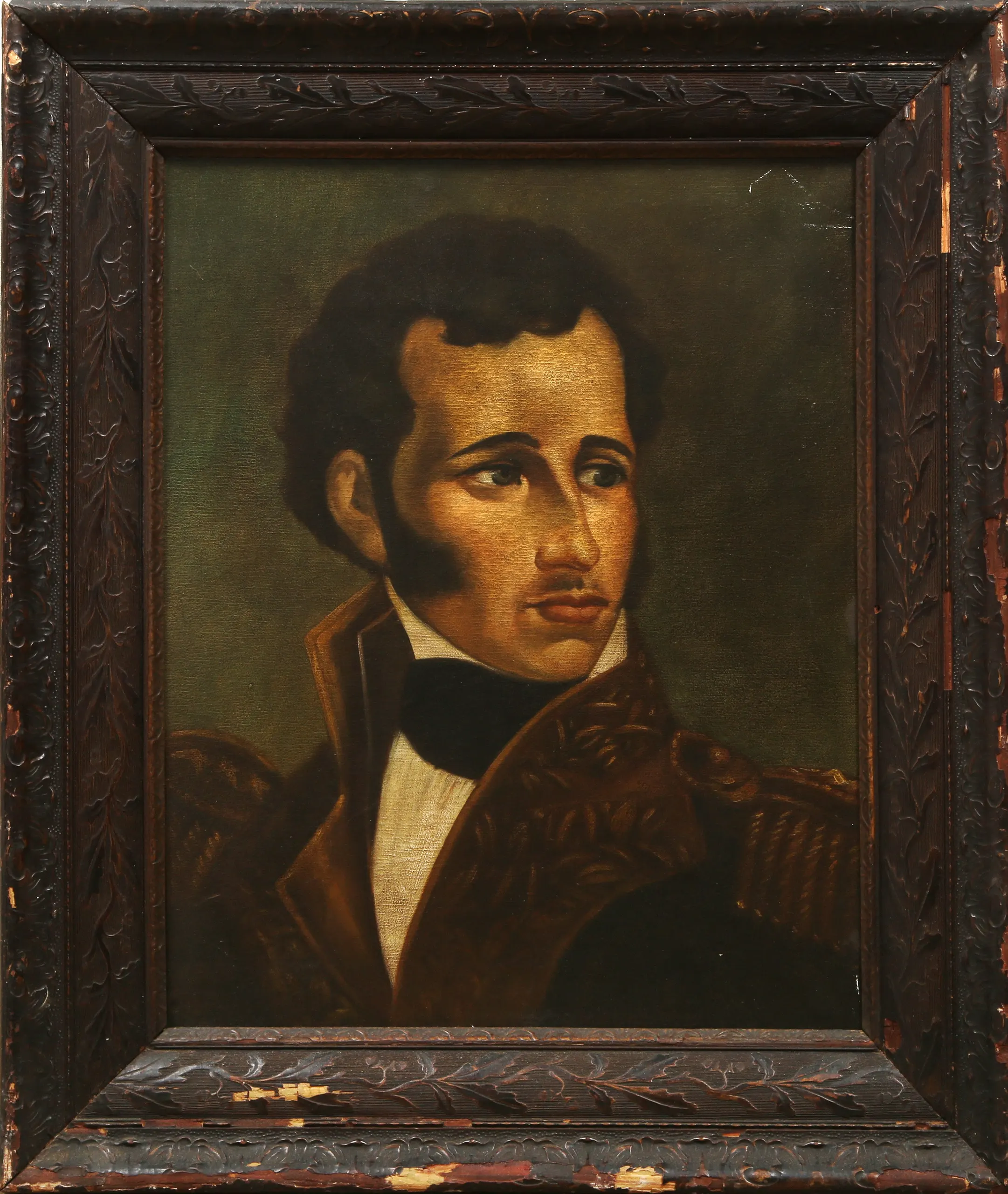
Caycedo is remembered as a stoic, reliable, and intelligent statesman, a 'guardian of the constitution' who stepped up when others could not. Historical texts and educational materials highlight his legal acumen and military discipline. He is often depicted in formal attire typical of 19th-century Colombian elites, including military uniforms and lawyer's robes.
His public persona is that of a stabilizing force during turbulent times. Unlike more flamboyant contemporaries, Caycedo's reputation rests on his consistency and devotion to constitutional order. He remains a respected figure in Colombian historiography, though less celebrated than some of his peers. His image is that of a reliable leader, and his legacy is preserved through official decrees and historical accounts of his speeches during the critical years of 1830–1843.
Fame & Fandom (iFAMOUS Rankings)
Domingo Caycedo, the 19th-century Colombian statesman, is not a figure who commands a modern fandom. There is no organized fanbase, no fandom name, no fan campaigns, and no documented fan rituals. Enthusiasts of Colombian history may study his life, but they do not form a collective identity. The only associated wiki page is an encyclopedia entry, not a community hub.
In terms of global fame, iFANN's Global Fame Engine has evaluated Domingo Caycedo, but he does not currently hold a placement in the published rankings. He is not ranked in the Global Top 1,000 or in any Top-100 scope list. His fame, while significant in historical and academic circles, does not translate into contemporary global recognition.
Interesting Facts and Legends
Domingo Caycedo's record of serving as acting President eleven times in a single decade is virtually unmatched in world history, a reflection of the extreme instability of the Gran Colombia era. He died at Hacienda Puente Aranda, a property in Bogotá that still bears his name today. His name appears in older genealogical records as José Domingo Caicedo y Santamaría. He was a trained lawyer and academic, contributing to the legal frameworks of the nascent republics. He is sometimes confused with his descendant Domingo Caycedo y Caycedo (1862–1921), who lived in Sopó, Cundinamarca. A minor Instagram account exists (@domingo_caicedo) with very few followers, likely belonging to a modern individual sharing the same name, unrelated to the historical figure. A widely retold story from his life involves his repeated assumption of presidential duties during the collapse of Gran Colombia, a role he accepted with stoic resolve. Another tale recounts his early academic promise, having worn the scholarship robe of a colegial in 1793 and completed studies in Philosophy and Theology at the Rosario University. These stories, passed down through historical records, highlight his dedication to constitutional governance.
Family & Personal Life
Details of Caycedo's family life are sparse in historical records. He was married, though the identity of his wife and the date of their union are not prominently documented. He is known to have had descendants, including a later generation named Domingo Caycedo y Caycedo (1862–1921), indicating the family continued in the region of Sopó, Cundinamarca.
The family owned the Hacienda Puente Aranda in Bogotá, where Caycedo died. This estate was part of the traditional assets of the criollo elite, reflecting his family's standing. His lineage remained connected to Colombian public life for generations. He was predeceased by his wife, leaving him widowed at the time of his death.
Relationships & Dating History
Historical records focus on Caycedo's political alliances rather than personal romance. He was married, but details about his spouse and the marriage date are not widely documented. In the context of his era, political marriages were common, yet specific data on his domestic life remains sparse compared to his public service.
Caycedo died on July 1, 1843, at age 59, and was predeceased by his wife, leaving him widowed at the time of his death. His family lineage continued through descendants, including Domingo Caycedo y Caycedo (1862–1921), though the identity of his children is not prominently recorded. There is no current dating status as he is deceased.
Death & Aftermath
Died
July 1, 1843 (aged 59)
Death Place
Bogotá
Cause of Death
Unknown
In the final years of his public service, Domingo Caycedo resided at the Hacienda Puente Aranda near Bogotá, managing the traditional assets of the criollo elite while navigating the turbulent constitutional landscape of the Republic of New Granada. On July 1, 1843, at the age of fifty-nine, he passed away within the confines of this estate, marking the end of a career that had spanned the independence wars and the critical formation of Colombian republican institutions. The exact cause remains unconfirmed in the available archives, and no details exist regarding his final days, whether he was under medical care, or if there were any legal proceedings connected to his demise.
Public reaction to his death consisted of tributes from peers and institutions typical for high-ranking officials of Gran Colombia, reflecting his status as a key architect of early governance rather than a figure of modern celebrity. Posthumously, his legacy has been preserved through inclusion in encyclopedias and historical databases as a former head of state, ensuring his contributions to the nation's constitutional framework endure in Colombian historical literature.
Net Worth (Estate Value)
$5 Million
iFANN Editorial Team estimate
As a 19th-century statesman and soldier, Domingo Caycedo's wealth was tied to land holdings and traditional assets, not modern financial instruments. He owned the Hacienda Puente Aranda in Bogotá, where he died, part of the criollo elite's estate. There are no modern revenue streams from his name; his historical estate value is impossible to quantify in current dollars. Today, any financial figure attached to Caycedo relates to historical properties or cultural heritage, not personal liquid assets. His legacy is primarily historical and political, not financial. As of 2026, no estate earnings or licensing deals are associated with his name. There are no stock valuations or estate earnings from licensing deals, as his estate value is historical. The concept of a modern net worth does not apply to him. iFANN's editorial analysis, however, estimates his historical significance and the value of his legacy at $5 Million.
Awards & Accolades
View 3 records, honours and achievementsKnown For
Acting President of Colombia
1831-1843 · Acting President (11 times)
Vice President of Gran Colombia
1831 · Vice President
Republic of New Granada
1832 · Key architect
Keywords
Sources
Quick Facts
- Profession
- Statesman, military officer, lawyer, academic
- Born
- August 4, 1783
- Birthplace
- Santafé de Bogotá, Colombia
- Died
- July 1, 1843
- Death Place
- Bogotá, Colombia
- Gender
- Male
- Birth Sign
- Leo
- Vice President of Gran Colombia
- 1831
- Acting President of Colombia
- 11 times (1831-1843)
Personal Details
- Full Name
- Domingo de Caycedo y Sanz de Santamaría
- Education
- Law degree, University of Rosario (likely)
Frequently Asked Questions
Who was Domingo Caycedo?
When did Domingo Caycedo die?
Where was Domingo Caycedo born?
Why is Domingo Caycedo famous?
Did Domingo Caycedo have children?
Social Media
Similar People

Join the community
fans discussing