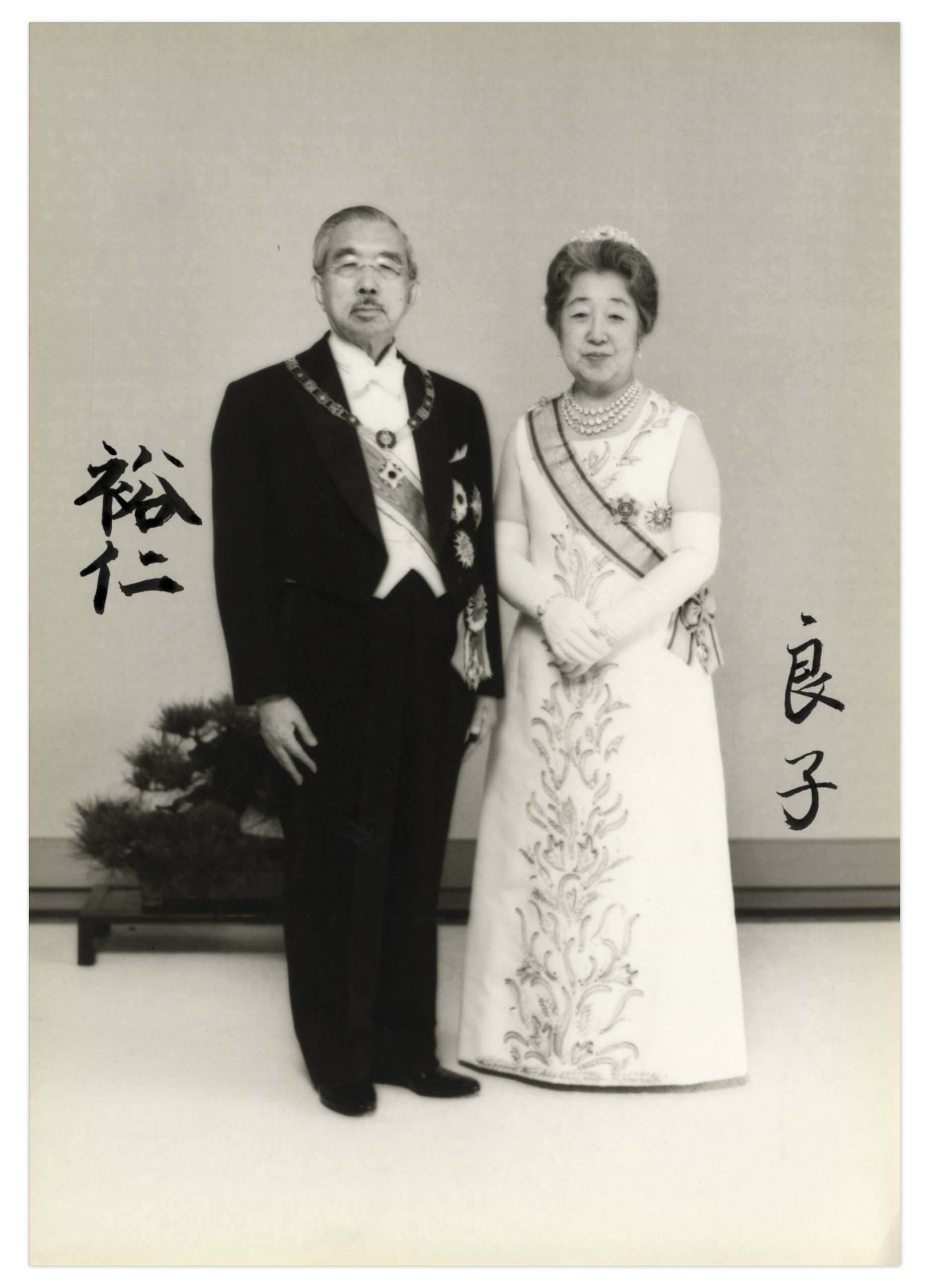
Deng Yingchao
 China
ChinaBirthday
February 4, 1904
Birth Sign
Aquarius
Birthplace
Nanning, Guangxi, China
Age
Died at 88
About
Deng Yingchao was a pioneering Chinese feminist leader, a veteran Chinese Communist Party official, and the wife of Zhou Enlai, the first Premier of the People's Republic of China. Born on February 4, 1904, in Nanning, Guangxi, she dedicated over six decades to the CCP and the women's rights movement. She is remembered as one of the most prominent women in modern Chinese political history.
Her political career was marked by a steadfast commitment to gender equality and social reform. She was instrumental in shaping China's Marriage Law, promoting family planning, and encouraging women's participation in land reform. From 1983 to 1988, she served as Chairwoman of the Sixth National Committee of the Chinese People's Political Consultative Conference, a significant leadership role. Deng Yingchao passed away on July 11, 1992, in Beijing, at the age of 88, leaving behind a legacy of revolutionary dedication and advocacy for women's rights.
Early Life & Background
Deng Yingchao was born into an impoverished family in Nanning, Guangxi, in 1904. Some sources cite her birth year as 1903, but the widely accepted date is February 4, 1904. She spent her formative years in Beijing and Tianjin, where she received a quality education between 1913 and 1920. This period of intellectual growth coincided with the social upheaval of early 20th-century China, which deeply shaped her political consciousness.
In the 1920s, Deng emerged as a pioneer of the feminist movement in Tianjin. She founded women's organizations and publications, championing education and employment for women. She actively opposed practices such as arranged marriages and foot-binding, which were prevalent at the time. After completing her education, she worked as a teacher before fully committing to revolutionary activities. Her early activism laid the groundwork for her lifelong dedication to gender equality and social justice.
Career Growth
Deng Yingchao's political career was intertwined with the Chinese Communist Party for over sixty years. After marrying Zhou Enlai in 1925, she participated in significant historical events, including the Long March and efforts during the Second Sino-Japanese War. Following the establishment of the People's Republic of China in 1949, she took on influential roles in shaping the nation's policies.
She was instrumental in shaping China's Marriage Law, which was a landmark piece of legislation for women's rights. She also encouraged women's involvement in land reform initiatives and promoted family planning policies. During the Reform Era, she served on the CCP Politburo and engaged in international diplomacy until her health began to decline in the late 1980s. From 1983 to 1988, she held the position of Chairwoman of the Sixth National Committee of the Chinese People's Political Consultative Conference, a significant leadership role. She dominated the party's women's program for decades, leaving an indelible mark on Chinese politics.
Career Timeline
Public Image & Style
Deng Yingchao's public image is that of a revolutionary matriarch and a champion of women's rights. She is portrayed in Chinese media and official histories as a dedicated party loyalist, a hard-liner, and a tireless advocate for gender equality. Her signature style was one of modest, revolutionary dress, consistent with CCP norms of her era. There is no formal fandom name or fan culture in the Western sense; instead, she is venerated in official state narratives. Her legacy is preserved in museums, posters, and state-sponsored historical accounts. In the West, she is primarily known through historical biographies and as the wife of Zhou Enlai.
Fame & Fandom (iFAMOUS Rankings)
Deng Yingchao's renown rests not on a conventional fanbase but on institutional veneration and the enduring romanticization of her marriage to Zhou Enlai. There is no formal fandom name; her admirers are diffuse, drawn to her as a revolutionary feminist icon and as half of a legendary political partnership. The closest to organized devotion are the state-run memorials, such as the Zhou Enlai and Deng Yingchao Memorial Museum in Tianjin, which serve as pilgrimage sites for those who revere the couple.
Public fascination often centers on her love story with Zhou, a narrative that has taken on folkloric dimensions in Chinese popular memory. Their childless marriage, conducted under the pressures of revolutionary life, is idealized as a union of comrades and lovers, and their preserved letters are cherished artifacts. This romanticized framing, however, overshadows her substantive political achievements, a dynamic noted by scholars.
As of August 2026, the iFANN Global Fame Engine has evaluated Deng Yingchao but she does not currently hold a placement in the published rankings, including the Global Top 1,000 or any Top-100 scope list. Her fame, while significant in historical and cultural terms, is not quantified within iFANN's current ranking system. No numeric rank or score is available.
Interesting Facts and Legends
Deng Yingchao was an Esperantist, a speaker and proponent of the constructed international language Esperanto. She and Zhou Enlai had no biological children, a fact often highlighted in discussions of their personal sacrifices for the revolution. Despite sharing a surname, she was not related to Deng Xiaoping. She was a key figure in shaping China's Marriage Law, which was a landmark piece of legislation for women's rights. Her legacy is preserved in museums and state-sponsored historical accounts, reflecting her status as a revered party figure.
One enduring legend is the story of her marriage to Zhou Enlai, which began when they met as student activists in Tianjin during the May Fourth Movement. Their relationship, which lasted over five decades, is often romanticized in Chinese popular culture as the epitome of revolutionary partnership. The couple's extensive correspondence, though often practical and political, is sometimes exaggerated in retellings as purely romantic.
Another iconic element is her role in publicizing China's Marriage Law in the 1980s, where she appeared in official posters, cementing her image as the grandmother of Chinese women's liberation. Her political hard-line reputation, noted in some Western sources, contrasts with the hagiographic portrayal in Chinese state media, adding a layer of scholarly debate.
Family & Personal Life
Deng Yingchao was born to an impoverished family in Nanning, Guangxi. Her parents' names are not widely recorded, but her upbringing in poverty influenced her later advocacy for social equality. She married Zhou Enlai in 1925, and their partnership was one of revolutionary comradeship. They had no biological children, a choice often attributed to their dedication to the revolution. Deng was widowed upon Zhou's death in 1976. She did not remarry and remained devoted to his memory and the party's cause until her own death in 1992.
Notable Connections
Deng Yingchao was closely associated with Zhou Enlai, her husband and the first Premier of the People's Republic of China. Their partnership was central to her public life. She also worked alongside Deng Xiaoping, a contemporary party leader, though they were not related. Her legacy is commemorated in the Memorial to Zhou Enlai and Deng Yingchao in Tianjin.
Relationships & Dating History
Deng Yingchao's personal life was marked by a single, lifelong marriage. She married Zhou Enlai in 1925, and their partnership was one of revolutionary comradeship that lasted until his death in 1976. They had no biological children, a fact that is well-documented and often noted in historical accounts. After Zhou's death, Deng retained considerable status as his widow. She did not remarry and remained devoted to his memory and the party's cause until her own death in 1992. As of 2026, she is deceased, having passed away on July 11, 1992, at the age of 88.
- MarriedZhou Enlai1925 - 1976Married in 1925, their partnership was one of revolutionary comradeship until Zhou's death in 1976. They had no biological children.
Death & Aftermath
Died
July 11, 1992 (aged 88)
Death Place
Beijing, China
Cause of Death
Natural causes due to advanced age
The Zhou Enlai and Deng Yingchao Memorial Museum in Tianjin stands as a primary site of visitation, where the legacy of the revolutionary couple is preserved for future generations. This enduring commemoration followed a period of national mourning that treated the passing of the veteran Communist Party official and widow of Premier Zhou Enlai as a matter of state significance rather than public controversy. Tributes from party institutions honored her decades of service to the women's movement, while international outlets noted her dual identity as a Party Leader and the spouse of the nation's first Premier. Deng Yingchao passed away on July 11, 1992, in Beijing, at the age of eighty-eight.
While contemporary reports confirmed her death, no specific medical details regarding the cause were released by the family or hospital authorities. Official Chinese state media characterized the event as resulting from natural causes associated with advanced age and long-term health issues. Her funeral arrangements adhered to standard protocols for high-ranking officials, culminating in cremation and the scattering of ashes, a practice reflecting the shared preference of the couple against elaborate tombs. Posthumous recognition has continued through various educational initiatives and the renovation of her former residence, which was unveiled to the public in April 2024.
Net Worth (Estate Value)
$1 Million
iFANN Editorial Team estimate
Deng Yingchao lived a life of revolutionary austerity, and as a Chinese political figure, her personal wealth was not a matter of public record. iFANN currently estimates her net worth at $1 Million, reflecting the minimal personal wealth typical of revolutionary leaders. Her legacy is primarily cultural and political rather than financial. The estate, if any, would be managed by the Chinese state, given her status as a top party official. There are no reported figures for estate earnings or management. The primary "revenue" associated with her name is the cultural capital of the memorials and museums dedicated to her and her husband, such as the Zhou Enlai and Deng Yingchao Memorial Museum in Tianjin, which serves as a site of political tourism and education. There are no commercial licensing deals, merchandise, or posthumous releases to report. As of 2026, her net worth is estimated at $1 Million.
Awards & Accolades
View 2 records, honours and achievementsKnown For
Chairwoman of the CPPCC
1983 · Chairwoman
Women's rights advocacy
1920 · Pioneer
Keywords
Sources
Quick Facts
- Profession
- politician, Esperantist
- Born
- +1904-02-04
- Birthplace
- Nanning
- Died
- +1992-07-11
- Death Place
- Beijing
- Gender
- Female
- Spouse
- Zhou Enlai
- Birth Sign
- Aquarius
Personal Details
- Spouse
- Zhou Enlai
- Children
- None
- Education
- Educated in Beijing and Tianjin, 1913–1920
Frequently Asked Questions
Was Deng Yingchao related to Deng Xiaoping?
Did Deng Yingchao have children?
When did Deng Yingchao die?
Who was Deng Yingchao's husband?
What was Deng Yingchao's role in the Chinese Communist Party?
Similar People
Join the community
fans discussing