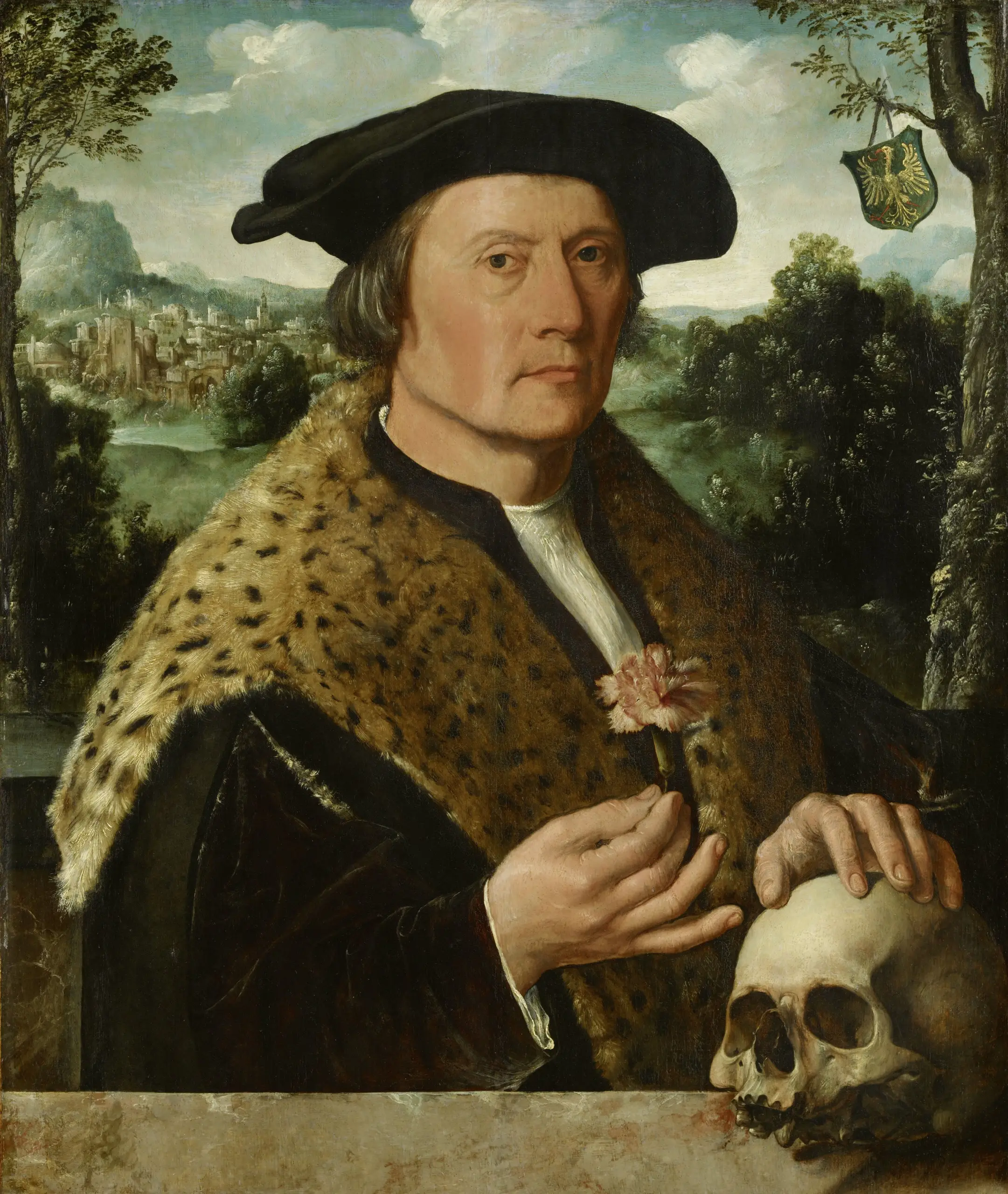
Cornelis Jacobus Langenhoven
 South Africa
poet•writer•journalist•politician
Also known as: C.J. Langenhoven, Sagmoedige Neelsie, Kerneels
Birthday
August 13, 1873
Birth Sign
Leo
Birthplace
Hoeko, Western Cape Colony
Age
Died at 58
About
Cornelis Jacobus Langenhoven, universally known by his initials C.J. Langenhoven and affectionately as "Sagmoedige Neelsie" (Gentle Neelsie), was a seminal South African poet, writer, journalist, playwright, and politician who played a foundational role in the development of Afrikaans literature and culture. Born on August 13, 1873, in Hoeko near Ladismith, he died suddenly on July 15, 1932, at the age of 58 in Oudtshoorn. His life's work was dedicated to elevating Afrikaans from a colloquial dialect into a language of high literary and official standing, a struggle that culminated in his most enduring legacy: the poem "Die Stem van Suid-Afrika," which became part of South Africa's national anthem in 1957. He is best remembered for transforming the linguistic landscape of the nation, bridging rural Afrikaner life with national political discourse. While he never held modern celebrity status in the commercial sense, his influence remains profound, cementing his place as a cultural architect whose words continue to define South African identity in the 21st century.
Early Life & Background
Langenhoven was born into a farming family in the small settlement of Hoeko, located near Ladismith in the Western Cape Colony. His early environment was steeped in the Dutch and emerging Afrikaans linguistic traditions of the region. He attended school in Ladismith before moving to Oudtshoorn, a town that would eventually become his lifelong home and professional base. As a youth, he demonstrated an early aptitude for languages and literature, influenced significantly by his childhood friend Hans Conrodius van Zyl, who encouraged his poetic pursuits. Before achieving fame, Langenhoven worked as a teacher and later as a journalist, positions that allowed him to hone his craft and advocate for the Afrikaner cause. He initially pursued a career in the civil service but found his true calling in journalism and the literary arts. His early writing was characterized by humor and satire, which eventually evolved into more serious political and cultural commentary. These formative years in Oudtshoorn provided the foundation for his later advocacy, allowing him to understand the needs of the local community while developing the voice that would eventually reach a national audience. He also wrote the collection Mof en sy mense during this period of artistic maturation.
Career Growth
Langenhoven's career was remarkably versatile, spanning multiple disciplines within the public sphere. In 1915, he co-founded the newspaper Die Burger, which became the primary organ for the Afrikaner nationalist movement and the promotion of the Afrikaans language. This publication was instrumental in shifting public opinion toward recognizing Afrikaans as an official language alongside English. His political career reached a peak in 1920 when he was elected as the mayor of Oudtshoorn, a position he held until his death. He used this platform to push for the recognition of Afrikaans in government and education, engaging personally with citizens to promote Afrikaans culture in daily municipal affairs. The pivotal moment of his career occurred in May 1918 when he wrote the lyrics to "Die Stem van Suid-Afrika." Set to music by Reverend Marthinus Lourens de Villiers, the song resonated deeply with the Afrikaner community. It was officially adopted as one of South Africa's national anthems in 1957, a status it retained through the apartheid era and continues to hold today as part of the combined national anthem. His literary output included poetry, novels, plays, and translations, with his comic novel Brolloks en Bittergal (1925) and the short story collection Sonnestraaltjies remaining classics of Afrikaans humor. His efforts were vindicated in 1925 when Afrikaans was granted equal status with English in the South African Parliament, a victory largely attributed to his tireless campaigning.
Career Timeline
Public Image & Style
Langenhoven was universally known by his initials C.J. Langenhoven and affectionately as "Sagmoedige Neelsie" (Gentle Neelsie). This nickname reflected his gentle, unassuming nature despite his powerful public persona. He was perceived as a fierce advocate for the use of Afrikaans in schools and government, often engaging in heated debates with English-speaking counterparts to ensure the language's survival. Despite his serious political goals, he could write with great humor, as seen in his comic novel Brolloks en Bittergal. His public image was that of a cultural architect who bridged the gap between rural Afrikaner life and national political discourse. Known for his sharp wit and satirical edge, he was a man of principle who prioritized the soul of the nation over personal gain. His reputation as "Kerneels" endures among scholars and educators who revere him as a guardian of the Afrikaans language.
Fame & Fandom (iFAMOUS Rankings)
There is no formal name for the devoted admirers of C.J. Langenhoven, no hashtag, no official fan club, yet their devotion is written into the very landscape of South African culture. They call him 'Sagmoedige Neelsie' (Gentle Neelsie) or simply 'Kerneels,' and they honor him not with billboards or streaming parties, but with institutions. The C.J. Langenhoven Museum in Oudtshoorn preserves his home; Stellenbosch University's student center, 'The Neelsie,' carries his nickname into the daily lives of thousands of students. This is a fandom of scholars, educators, and heritage pilgrims, bound by a shared reverence for the man who gave Afrikaans its literary voice. Their devotion is also custodial. After his sudden death in 1932, his secretary Sarah Eva Goldblatt, a Jewish woman who became his literary executor, devoted herself to cataloguing his vast unpublished output, ensuring nothing was lost. She is the closest thing to a superfan this fandom has, a keeper of the flame. Yet for all this institutional weight, iFANN's Global Fame Engine has evaluated Langenhoven and found that he does not currently hold a placement in the published rankings, neither the Global Top 1,000 nor any Top-100 scope list. He stands outside the numbered lists, but his fame is not diminished; it is simply of a different kind, measured in the enduring power of a language and a song. The narrative of Sarah Eva Goldblatt protecting his legacy has become a quiet legend within these circles, serving as a focal point for stories about his dedication and the care taken to preserve his work.
Interesting Facts and Legends
Langenhoven's most enduring legacy is the poem "Die Stem van Suid-Afrika," written in May 1918, which became South Africa's national anthem in 1957 and remains part of the combined anthem today. In July 2024, Sports, Arts and Culture Minister Gayton McKenzie affirmed that the anthem's Afrikaans verse will stay, keeping Langenhoven's words in the national conversation. A story fans still retell is the devotion of Sarah Eva Goldblatt, his secretary and literary executor, who after his unexpected death at 58 took it upon herself to preserve his manuscripts, ensuring his work survived. Her dedication is a quiet legend in Afrikaans literary circles. His comic novel Brolloks en Bittergal (1925) remains a beloved classic, its title a byword for his humor. Langenhoven also co-founded the newspaper Die Burger and was a key advocate for Afrikaans becoming an official language in 1925, a victory that cemented his place as a cultural architect. Specific physical attributes such as height are not recorded in standard biographical sources. In September 2025, the "Neelsie" student center at Stellenbosch University celebrated its 50th anniversary, marking another milestone in the ongoing institutionalization of his memory. The widely retold story is that Langenhoven wrote the poem in a single burst of inspiration in May 1918, driven by a deep love for his country and language. This event is considered the birth of a national symbol. The opening lines of "Die Stem van Suid-Afrika" serve as his most famous declaration: "Die land wat ons erf het, die land waar ons bly" (The land we inherited, the land where we dwell).
Notable Quotes
“Die land wat ons erf het, die land waar ons bly”
“Without a distinct language, a nation cannot truly exist as a sovereign entity.”
Family & Personal Life
Cornelis Jacobus Langenhoven never married and had no children. Historical accounts do not document any formal romantic relationships or engagements. While he was known to be warm, approachable, and beloved by his community, earning the nickname "Sagmoedige Neelsie", his personal life was entirely consumed by his work and his devotion to the Afrikaner cause. He lived in Oudtshoorn, where he maintained a household focused on his literary and political activities. There are no records of siblings, parents, or extended family members playing a significant role in his adult life beyond his upbringing in Hoeko. His closest non-family relationship was with Sarah Eva Goldblatt, his secretary and literary executor, who dedicated her life to preserving his manuscripts following his death. The absence of a traditional family unit meant his legacy was carried forward not by descendants, but by the institutions he helped build and the people he inspired.
Notable Connections
Relationships & Dating History
Cornelis Jacobus Langenhoven never married and had no recorded romantic relationships, engagements, or children. While he was known to be warm, approachable, and beloved by his community, earning the nickname "Sagmoedige Neelsie", historical accounts do not document a spouse or partner. His personal life was entirely consumed by his work and his devotion to the Afrikaner cause. The story often cited regarding his personal connections involves Sarah Eva Goldblatt, a Jewish woman who served as his secretary and literary executor. Following his sudden death, she dedicated her life to preserving his manuscripts and ensuring his legacy survived, a relationship described as one of profound professional and custodial loyalty rather than romance. His childhood friend Hans Conrodius van Zyl also played a significant role in his early development, encouraging his poetic pursuits, but no other intimate relationships are recorded in historical archives. The bond with Goldblatt remains the most prominent example of his personal connections, highlighting a cross-cultural respect that transcended the political divides of his time.
Death & Aftermath
Died
July 15, 1932 (aged 58)
Death Place
Oudtshoorn, South Africa
Cause of Death
Sudden illness (specific cause undisclosed)
Cornelis Jacobus Langenhoven died unexpectedly on July 15, 1932, in Oudtshoorn at the age of 58. The exact medical cause of death is not detailed in available historical records, though it is generally noted as a sudden passing. The news was received with deep sorrow by the community and the broader Afrikaner nation. A funeral was held, though specific details of the ceremony are absent from modern archives. His death left a void in the literary and political landscape of South Africa. However, his legacy was immediately secured by Sarah Eva Goldblatt, who catalogued his vast unpublished works, preventing them from being lost to history. Decades after his death, his influence continued to grow rather than fade. His poem "Die Stem van Suid-Afrika," written in May 1918, was officially adopted as one of South Africa's national anthems in 1957. It served as the sole anthem during the apartheid era and remains a key component of the unified national anthem today. In July 2024, Sports, Arts and Culture Minister Gayton McKenzie publicly reaffirmed the government's commitment to retaining the Afrikaans verse of the anthem, explicitly framing the decision as a tribute to Langenhoven's enduring contribution to national identity. The C.J. Langenhoven Museum in Oudtshoorn continues to preserve his home and personal effects, while Stellenbosch University established the Langenhoven Student Centre, colloquially known as "The Neelsie," as a hub for student life, cementing his place in the educational and cultural fabric of the nation. His tenure as mayor of Oudtshoorn is legendary for his hands-on approach to local governance, where he personally engaged with citizens and used his position to promote Afrikaans culture in daily municipal affairs. The story of Sarah Eva Goldblatt, a Jewish woman who preserved the works of an Afrikaner icon after his death, is a testament to cross-cultural respect and dedication, often cited as a "quiet legend" in literary circles. In 2026, his legacy is secure, protected by institutions and reaffirmed by the state, continuing to shape the cultural fabric of South Africa.
Net Worth (Estate Value)
$0
iFANN Editorial Team estimate
As a figure who lived and died in the early 20th century, Cornelis Jacobus Langenhoven does not have a modern net worth or estate value in the traditional sense. His "wealth" was measured in cultural capital rather than financial assets. Any royalties or licensing fees associated with "Die Stem" historically went to the state or the relevant cultural bodies rather than a private estate. Today, the economic value of his legacy is reflected in tourism to the C.J. Langenhoven Museum and academic research, but there are no specific figures for an estate managed by heirs. The iFANN Editorial Team estimates his estate value at $0, as his assets were primarily intellectual and cultural, with no significant financial holdings recorded in modern terms. There are no documented bank accounts, property portfolios, or investment vehicles left behind by his direct descendants, as he had none. The economic impact of his work is realized through the continued relevance of the institutions he founded and the cultural tourism generated by his museum.
Awards & Accolades
View 4 records, honours and achievementsKnown For
Die Stem van Suid-Afrika
1918 · Lyricist
Brolloks en Bittergal
1925 · Author
Die Burger
1915 · Co-founder
Keywords
Sources
Quick Facts
- Profession
- poet, writer, translator
- Born
- August 13, 1873
- Birthplace
- Hoeko
- Died
- July 15, 1932
- Death Place
- Oudtshoorn
- Gender
- Male
- Birth Sign
- Leo
Personal Details
- Full Name
- Cornelis Jacobus Langenhoven
- Children
- Education
- Schools in Ladismith
Frequently Asked Questions
What is C.J. Langenhoven most famous for?
When did Cornelis Jacobus Langenhoven die?
Did C.J. Langenhoven have a wife or children?
What is the "Neelsie"?
Is "Die Stem" still part of the South African anthem?
Similar People
Join the community
fans discussing