 Mexico
About
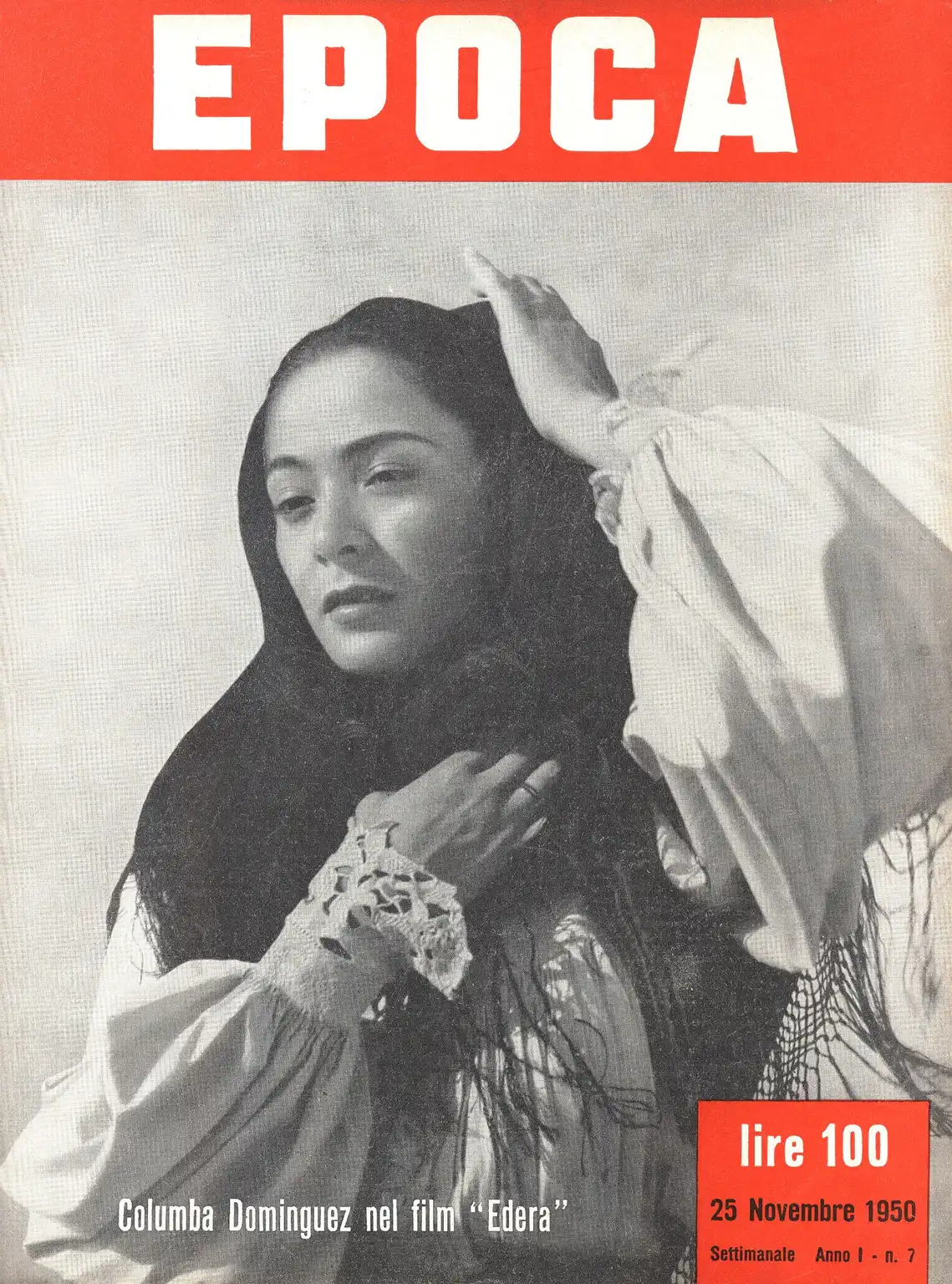
Columba Domínguez Alarid was a Mexican actress, singer, and painter whose work defined the Golden Age of Mexican cinema. Born in Guaymas, Sonora, she moved to Mexico City as a child and went on to appear in more than sixty films over a career that spanned seven decades. She is best remembered for her starring role in Pueblerina (1949), and for her collaborations with director Emilio Fernández, to whom she was married from 1947 to 1952.
Domínguez's talent extended beyond acting: she was also a singer and a painter. Her dramatic presence and versatility made her one of the most recognizable faces of Mexican cinema's most celebrated era. She received the Ariel Award for Best Supporting Actress for Maclovia (1948) and later the Gold Ariel for lifetime achievement. She passed away on August 13, 2014, in Mexico City, at the age of 85.
Early Life & Background
Columba Domínguez was born on March 4, 1929, in the port city of Guaymas, Sonora, on the Gulf of California. Her family moved to Mexico City when she was young, and she grew up in the capital during the 1930s and 1940s. Little is documented about her childhood, but she was drawn to the arts early on, and she and her sister attended parties and gatherings where they mingled with the city's film crowd.
At one such party, she was introduced to director Emilio Fernández, who was struck by her looks and poise. He encouraged her to try acting, and she soon began taking small roles in his films. Her first screen appearance was in La perla (1945), followed by a credited debut in Pepita Jimenez (1946). She also appeared in Río Escondido (1947). These early parts put her in front of the camera and taught her the craft, but they were modest beginnings compared to what would come next.
Career Growth
Domínguez's breakthrough came in 1948 when she won the Ariel Award for Best Supporting Actress for her role in Maclovia. That same year she starred in Pueblerina, a drama directed by Emilio Fernández that became one of her most celebrated works. The film's success established her as a leading lady of the Golden Age.
Throughout the 1950s and 1960s, she worked with some of Mexico's most important directors. She appeared in La malquerida (1949), Reportaje (1953), and El río y la muerte (1955), the latter directed by Luis Buñuel. Her filmography also includes Los hermanos del hierro (1961) and Ánimas Trujano (1962).
After a long hiatus from the screen, she returned in 2008 with Paloma and made her final appearance in En el último trago (2014). In 2013, she received the Gold Ariel from the Mexican Academy of Film Arts and Sciences for her lifetime of work.
Career Timeline
Public Image & Style
Domínguez was regarded as an icon of the Golden Age of Mexican cinema, celebrated for her dramatic intensity and natural beauty. Her roles often portrayed strong, passionate women, and she became a favorite of director Emilio Fernández, who cast her in several of his films. Fans and critics praised her ability to convey deep emotion with subtle gestures. Her personal style, both on and off screen, influenced fashion trends of the era. She remained a beloved figure in Mexican popular culture long after her retirement, and her films continue to be shown on television and at retrospectives.
Fame & Fandom (iFAMOUS Rankings)
The devotion to Columba Domínguez has never coalesced into a formal movement with a specific name or organized campaigns, as her legacy rests on the quiet reverence of those who cherish the Golden Age of Mexican cinema rather than modern fan rituals. Admirers gather at film festivals like Morelia to celebrate her work, honoring a star whose era demanded a different kind of distance between icon and audience. While she remains a beloved figure in popular culture, there is no documented fanbase that engages in chart pushes, social media trends, or charitable drives in her name today. Her story is one of enduring artistic respect rather than viral frenzy. In the broader landscape of global celebrity, iFANN has evaluated her standing with precision. The data indicates that Columba Domínguez is currently unranked in the Global Top 1,000 or any Top-100 scope list, meaning she does not hold a published placement in the current rankings. This evaluation reflects a status where her fame is deeply historical and culturally specific rather than measured by contemporary global consumption signals. She remains a titan of her genre without a numeric score attached to her worldwide reach in this specific dataset. Her influence persists through the sheer weight of her filmography and her association with giants like Diego Rivera. The 2014 passing of the actress marked the end of a direct link to Mexico's cinematic golden years, prompting retrospectives that reaffirmed her place among the most recognizable faces of an era defined by dramatic intensity and natural beauty.
Interesting Facts and Legends
Beyond her celebrated acting career, Domínguez was a painter whose work found exhibition spaces in Mexico City. She possessed a distinctive contralto voice that carried her to radio and television stages alongside her film work. A charming personal detail often shared is her pet parrot, which she successfully taught to speak her own name. Her life after her divorce from Emilio Fernández remained solitary; she never remarried. Fans still retell the legend of her passionate romance with 'El Indio' Fernández, a love story as dramatic as the films they made together, with their collaboration on Pueblerina often cited as the peak of both their careers. A verified moment cementing her status as a muse occurred in 1950 when Diego Rivera painted her portrait. This artwork gained renewed attention decades later when it sold at Sotheby's in 2021, proving her enduring appeal to art collectors. Another iconic snapshot captures her photographed alongside Marilyn Monroe during the American star's visit to Mexico in the 1960s. Her death in 2014 triggered worldwide retrospectives, leaving behind a legacy that continues to define the Golden Age of Mexican cinema for new generations.
Family & Personal Life
Domínguez was born to a family in Guaymas; details about her parents and siblings are scarce. She had at least one sister, who accompanied her to the party where she met Emilio Fernández. She was married to Fernández from 1947 to 1952, and the marriage ended in divorce. They had no children together. She lived in Mexico City for most of her life and was buried at Mausoleos del Ángel after her death.
Notable Connections
Relationships & Dating History
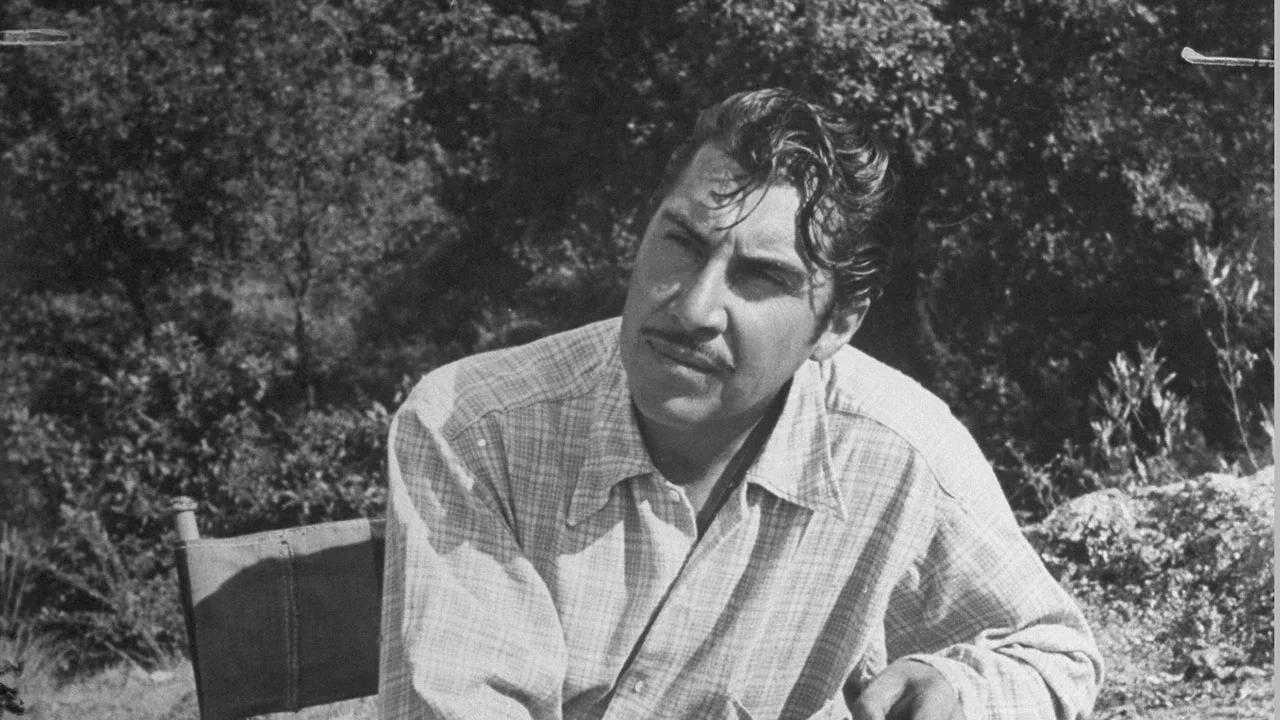
Domínguez's most significant relationship was with director Emilio Fernández. They met in the early 1940s when he discovered her at a party, and he cast her in several films. They married in 1947, but the marriage was turbulent and ended in divorce in 1952. After that, she did not remarry. There is little public record of other romantic relationships, and she kept her personal life private in later years.
- MarriedEmilio Fernández1947 - 1952Fernández discovered Domínguez and launched her career; they married in 1947 and divorced in 1952.
Death & Aftermath
Died
August 13, 2014 (aged 85)
Death Place
Mexico City, Mexico
Cause of Death
Unknown
The film community and cultural institutions across Mexico and beyond marked the passing of Columba Domínguez with an outpouring of tributes that celebrated her status as a defining icon of the Golden Age. Major publications like The Guardian, The Hollywood Reporter, and EFE highlighted her enduring legacy, specifically noting her collaborations with Luis Buñuel and her receipt of a lifetime achievement award. While specific details of public vigils or memorial murals remain unrecorded in available reports, the sheer volume of obituaries from outlets such as Cinema Tropical and Latino Times signaled a broad mourning for one of Mexican cinema's most recognizable faces. Columba Domínguez Alarid passed away on August 13, 2014, at her home in Mexico City at the age of eighty-five.
Although the date and location are well-documented, the family explicitly kept the medical cause of death private, stating only that she had passed away peacefully. Funeral arrangements were conducted privately, with no public service or attendee lists made available to maintain the family's desired discretion regarding the final rites. In the years since, her legacy has been preserved through the continued availability of her extensive filmography, including classics like Maclovia, Rio Escondido, and Pueblerina. A portrait painted by Diego Rivera in 1950 remains a notable piece of art associated with her life, while her estate continues to be managed by her family who have chosen to keep financial matters and future projects at a low profile.
Net Worth (Estate Value)
$5 Million
iFANN Editorial Team estimate
As of 2026, iFANN's editorial research estimates Columba Domínguez's estate at approximately $5 million. This figure reflects her earnings from a career spanning over 60 films, as well as her work in television, radio, and theater. During her peak years in the 1940s and 1950s, she was one of Mexico's highest-paid actresses. Royalties from her films continue to generate income, and her work remains popular in Latin America and among classic film enthusiasts. The estate also benefits from licensing deals for her image and film appearances.
Awards Won (3)
Domínguez won the Ariel Award for Best Supporting Actress for Maclovia in 1948. In 1984, she received the Virginia Fábregas medal from the National Association of Actors for 25 years of artistic work. In 2013, she was honored with the Gold Ariel for her lifetime contribution to Mexican cinema.
2013 · Lifetime Achievement
Career
1984 · Career Achievement
Career
Known For
Pueblerina
1949 · Lead Actress
Maclovia
1948 · Supporting Actress
La malquerida
1949 · Actress
El río y la muerte
1955 · Actress
Keywords
Sources
Quick Facts
- Profession
- Actress, Singer, Painter
- Born
- March 4, 1929
- Birthplace
- Guaymas, Sonora, Mexico
- Died
- August 13, 2014
- Death Place
- Mexico City
- Gender
- Female
- Birth Sign
- Pisces
Personal Details
- Full Name
- Columba Domínguez Alarid
- Spouse
- Emilio Fernández (1947–1952)
Filmography
60
Total
60
Film
0
TV
Frequently Asked Questions
Who was Columba Domínguez?
How did Columba Domínguez die?
What is Columba Domínguez's net worth?
Was Columba Domínguez married?
What are Columba Domínguez's most famous films?
Similar People
Join the community
fans discussing