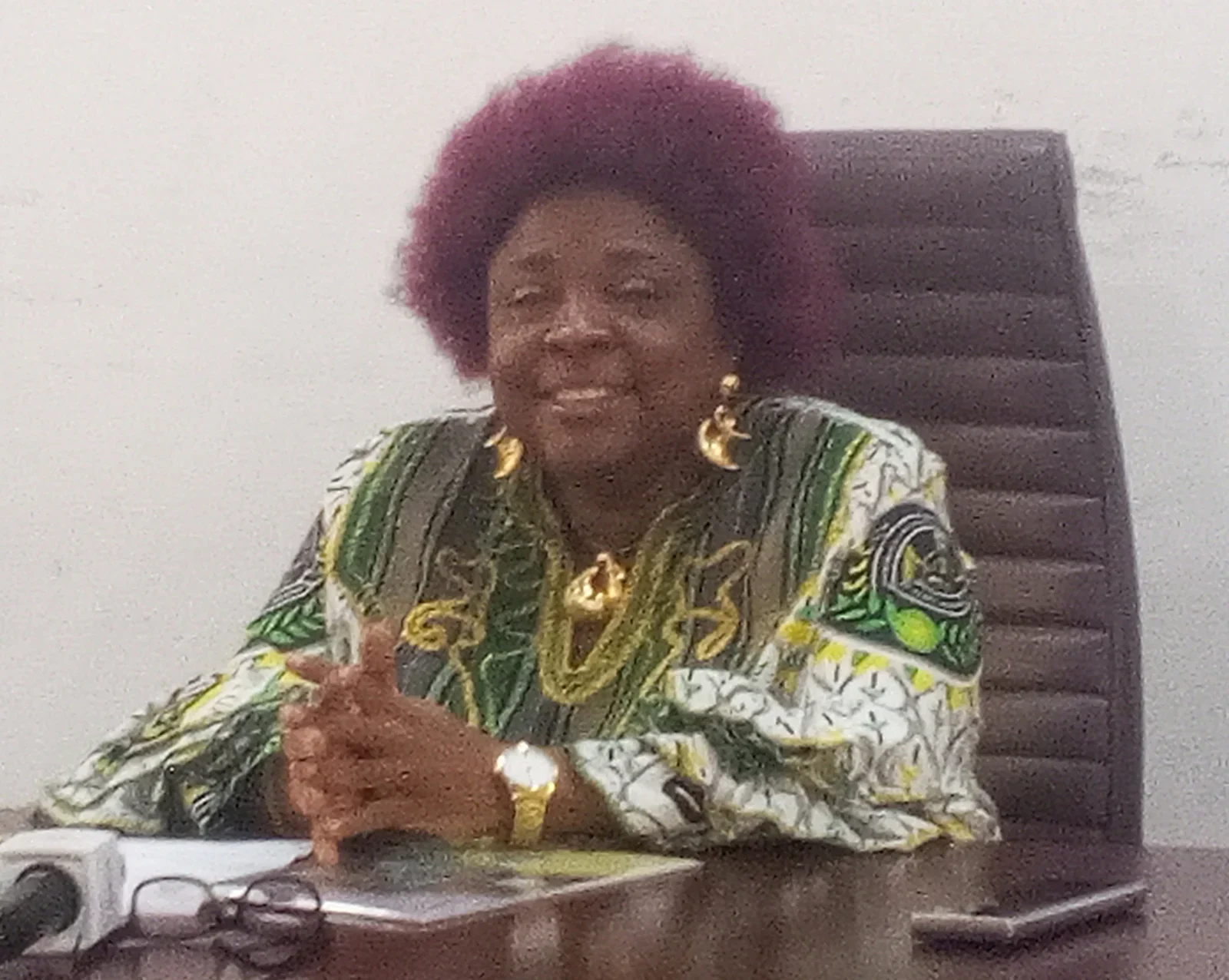
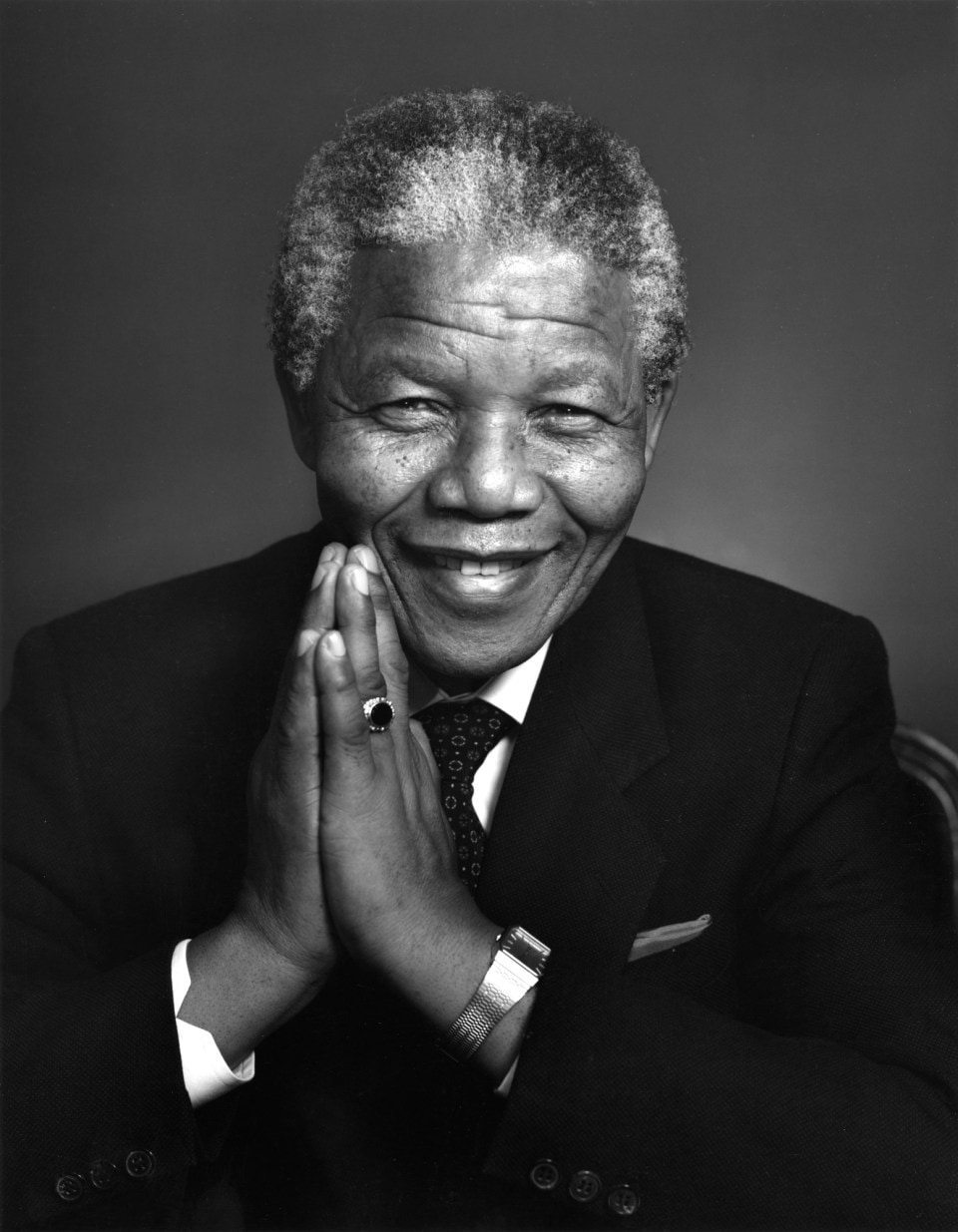
Chukwuemeka Odumegwu Ojukwu
 Nigeria
Also known as: Ikemba, Chukwuemeka Odumegwu Ojukwu
Birthday
November 4, 1933
Birth Sign
Scorpio
Birthplace
Zungeru, British Nigeria
Age
Died at 78
About
Chukwuemeka Odumegwu Ojukwu, widely known by his Igbo title Ikemba (The Great Lion), was a Nigerian military officer and politician who served as the Head of State of the secessionist Republic of Biafra from 1967 to 1970. A towering figure in African history, he transformed from an Oxford-educated aristocrat into a revolutionary leader who commanded one of Africa's most significant conflicts. His legacy is defined by a complex duality: revered by many as a hero who fought for self-determination against perceived genocide, while criticized by others for the devastating humanitarian crisis that followed the declaration of independence. Ojukwu remains a polarizing yet indispensable icon in the narrative of modern Nigeria, symbolizing both the struggle for regional autonomy and the painful costs of civil war.
His leadership style was characterized by sharp wit, eloquent oratory, and a commanding presence that often manifested in his military uniform. He effectively utilized foreign media to turn the Nigerian Civil War into one of the first globally televised conflicts, leveraging images of famine to garner international sympathy. The scale of his impact is quantified by rigorous global tracking; according to the iFANN Global Fame Rankings, he currently holds the position of the 90th most famous person from Nigeria, a status holding steady from the previous cycle. This ranking reflects his enduring influence on political discourse, historical study, and cultural identity within the Igbo diaspora and beyond.
Ojukwu's career spanned decades of intense political volatility, from his early days in the colonial elite to his final years advocating for national restructuring. Despite facing exile and political stigma, he returned to Nigeria to champion reconciliation, delivering the historic "No Victor, No Vanquished" speech. Today, his life story continues to be analyzed through academic studies, documentaries, and biographies, cementing his place as a central character in the geopolitical history of West Africa. His widow, Ambassador Bianca Ojukwu, continues to manage his legacy, ensuring his contributions to education and social justice remain visible in contemporary Nigerian society.
Early Life & Background
Chukwuemeka Odumegwu Ojukwu entered the world on November 4, 1933, in Zungeru, British Nigeria, born into the elite class of the Igbo people. His father, Louis Odumegwu Ojukwu, was a prosperous businessman who amassed significant wealth through trade and owned vast tracts of land, securing a privileged upbringing for young Chukwuemeka. This financial power ensured access to the finest educational institutions available in colonial Nigeria. He began his formal schooling at King's College in Lagos, a prestigious boarding school known for grooming the future leaders of the nation. His performance there was strong enough to warrant further education abroad, a rare opportunity for an African child at the time.
In 1950, he traveled to England to attend Epsom College in Surrey, where he completed his secondary education. The experience exposed him to British culture and political systems, shaping his worldview before he even returned home. He continued his higher education at Lincoln College, Oxford University, graduating with a Master of Arts degree in Modern History in 1955. Upon his return to Nigeria, he initially joined the civil service as an administrative officer. However, the political instability of the era and his growing interest in military affairs led him to enlist in the Nigerian army. He quickly rose through the ranks, demonstrating leadership qualities that would soon define his career.
By the mid-1960s, Ojukwu was a Lieutenant Colonel with a reputation for competence and charisma. The political landscape of Nigeria was volatile, marked by ethnic tensions and corruption within the civilian government. The first military coup in January 1966 brought Major General Johnson Aguiyi-Ironsi to power, but his rule was short-lived. A counter-coup in July 1966 resulted in the assassination of many Northern officers and the death of Aguiyi-Ironsi. The new leadership, dominated by Northerners, appointed Ojukwu as the Military Governor of the Eastern Region in May 1966. This appointment was a strategic move to placate the Igbo population, but it also placed Ojukwu at the epicenter of a brewing storm. The violence against Igbos in the North intensified, leading to a mass exodus of refugees back to the East. Ojukwu found himself governing a region in chaos, tasked with protecting his people from what they perceived as an existential threat.
Career Growth
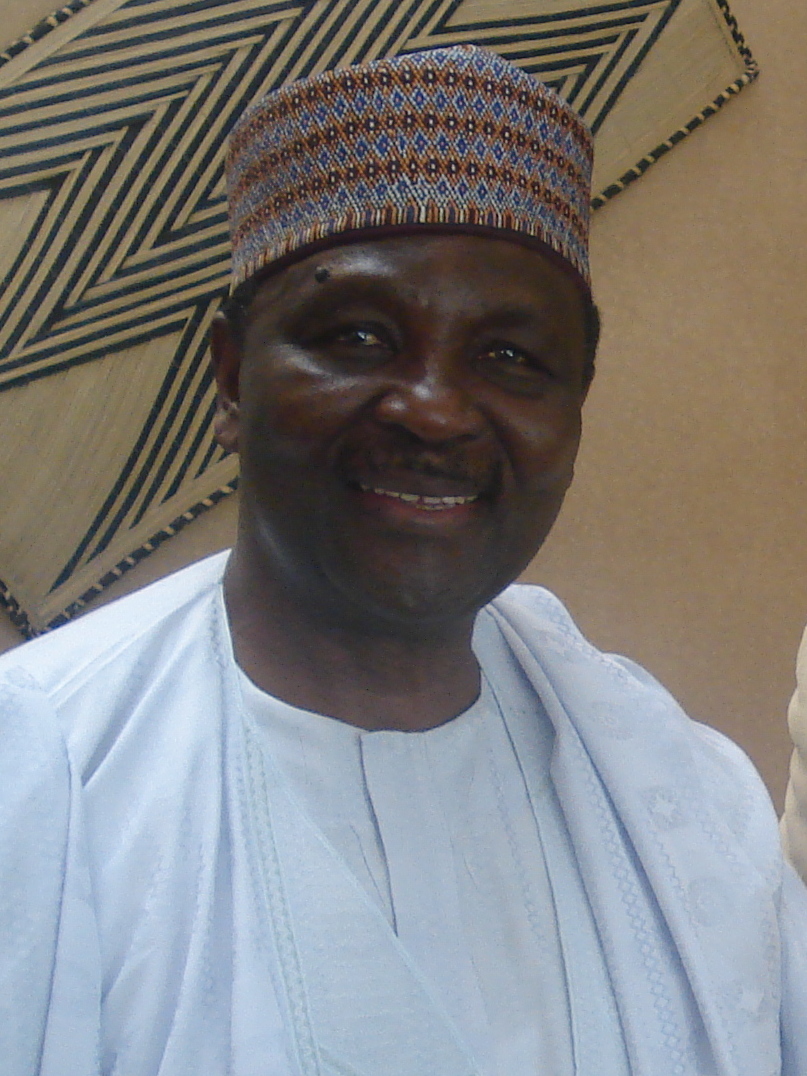
The trajectory of Chukwuemeka Odumegwu Ojukwu's career shifted dramatically in 1966 when he assumed the role of Military Governor of the Eastern Region. The situation deteriorated rapidly as rumors of another coup circulated and reports of massacres against Igbos in the North reached the East. In a bold move to secure the safety of his people, Ojukwu refused to recognize the authority of the Federal Military Government under Yakubu Gowon. On May 30, 1967, he unilaterally declared the independence of the Republic of Biafra. This declaration transformed him from a regional administrator into the head of a breakaway state and a symbol of resistance for millions of Nigerians.
The ensuing Nigerian Civil War lasted for three years and became one of the most tragic conflicts in African history. Ojukwu utilized foreign media effectively, turning the conflict into one of the first globally televised wars. He leveraged the images of starving children and the humanitarian crisis to garner international sympathy and support. The Biafran airlift, organized by Western charities, became a lifeline for the besieged region. Despite the overwhelming military superiority of the Nigerian forces, supported by the United Kingdom and the Soviet Union, Ojukwu's leadership kept Biafra alive for nearly three years. During this period, he was featured on the cover of Time magazine in 1969, highlighting the global interest in the Biafran conflict.
The war ended in January 1970 when Ojukwu fled to Ivory Coast to avoid capture, leaving his generals to negotiate a surrender. He lived in exile for over a decade, spending time in Ghana, Côte d'Ivoire, and Nigeria's diplomatic missions. In 1982, President Shehu Shagari granted him amnesty, allowing him to return to Nigeria without facing prosecution. His return was marked by the famous "No Victor, No Vanquished" speech, delivered via radio, calling for reconciliation and national unity. Ojukwu spent the rest of his life trying to re-enter Nigerian politics as a democratically elected leader, but his efforts were largely unsuccessful due to lingering political stigma. He remained a respected elder statesman and a vocal advocate for restructuring the Nigerian federation until his death in 2011. Posthumously, he was awarded the Commander of the Order of the Federal Republic (CFR) by the Nigerian government, recognizing his contributions to the nation.
Career Timeline
Public Image & Style
Ojukwu's public image is defined by his role as a charismatic leader and a symbol of self-determination. He is often portrayed as a complex figure, revered by some as a hero who acted to protect his people from genocide, while others view the secession as unnecessary and blame him for the war's devastation. His signature style was that of a military leader, often seen in uniform, projecting strength and determination. He was known for his sharp wit and rhetorical skills, which he used effectively in both political and military contexts. Media portrayals of him vary, with some depicting him as a tragic hero and others as a reckless separatist. His legacy remains a subject of intense debate in Nigerian society. Specific physical attributes such as height are not widely documented, but he was generally described as a tall, imposing figure with a commanding presence, fitting his role as a military leader.
Fame & Fandom
Chukwuemeka Odumegwu Ojukwu commanded a reverence that transcended modern celebrity worship, anchoring his legacy in the political consciousness of southeastern Nigeria and the global Igbo diaspora. His supporters were never a fanbase in the commercial sense; they were Ndigbo, pan-Igbo nationalists, and Biafran separatists who viewed him as an enduring symbol of resistance and self-determination. Organized affection manifested through political activism, historical preservation societies, and the establishment of Chukwuemeka Odumegwu Ojukwu University in Anambra State, a living monument to his life rather than a stream of consumer-driven projects. While he lacked a formal fandom name or organized birthday campaigns, his charisma once mobilized masses through eloquent oratory, turning radio broadcasts into psychological weapons during the civil war. The narrative of his survival, exile, and eventual return to Nigeria remains a cultural touchstone, celebrated by descendants who honor his memory through annual commemorations and civic discourse. This unique form of devotion persists decades after his death in London in 2011, where thousands attended his requiem mass, viewing him as the last great voice of pre-civil war Igbo nationalism. Today, his standing among global historical figures is quantified by rigorous tracking of media coverage, search trends, and consumption signals worldwide. Chukwuemeka Odumegwu Ojukwu is currently the 90th most famous person from Nigeria, a position holding steady from the previous cycle according to the iFANN Global Fame Rankings.
Interesting Facts and Legends
Chukwuemeka Odumegwu Ojukwu was known for his eloquence and charisma, often using radio broadcasts as psychological weapons during the civil war. He was the first African leader to be featured on the cover of Time magazine in 1969, highlighting the global interest in the Biafran conflict. His transition from an Oxford-educated aristocrat to a war commander is often metaphorically described as a walking stick becoming a rifle. The "No Victor, No Vanquished" speech delivered upon his return to Nigeria in 1982 is now cited as a cornerstone of Nigerian political reconciliation. Folklore surrounds him with stories of his survival, exile, and eventual return, which remain a cultural touchstone for the Igbo community. His ability to mobilize masses through eloquent oratory during the civil war is a well-documented aspect of his leadership. Notable quotes include "We are not going to be slaves again," spoken during the war to emphasize the desire for self-determination.
Notable Quotes
“We are not going to be slaves again.”
“No Victor, No Vanquished.”
Family & Personal Life
Chukwuemeka Odumegwu Ojukwu was the son of Louis Odumegwu Ojukwu, a wealthy and influential Igbo businessman who played a significant role in the economic development of the region. His mother was Grace Ojukwu, though details about her are less publicized. Ojukwu was married to Bianca Odumegwu-Ojukwu, a former diplomat and ambassador who has remained a prominent public figure since his death. They had several children together, including Nnamdi Ojukwu and Chidiebere Ojukwu, who have been active in various fields. The family resides in Anambra State, Nigeria, where they maintain a significant presence in local politics and business. Bianca Ojukwu continues to manage the family estate and advocate for causes related to education and social justice.
Notable Connections
Relationships & Dating History
Chukwuemeka Odumegwu Ojukwu was married to Bianca Odumegwu-Ojukwu, a former diplomat and ambassador who has remained a prominent public figure since his death. They had several children together, including Nnamdi Ojukwu and Chidiebere Ojukwu, who have been active in various fields. There is no publicly documented history of other romantic relationships or marriages prior to his union with Bianca. As of the current date, Ojukwu is deceased, having passed away on November 26, 2011, in London, England, following a short illness. His widow, Ambassador Bianca Ojukwu, continues to manage his legacy and estate.
- MarriedBianca Odumegwu-Ojukwu1960 - 2011They had several children together including Nnamdi and Chidiebere Ojukwu.
Death & Aftermath
Died
November 26, 2011 (aged 78)
Death Place
London, England
Cause of Death
Short illness
Chukwuemeka Odumegwu Ojukwu died on November 26, 2011, at a private hospital in London, England. He passed away following a short illness that confined him to medical care during his final days in the city where he had resided since returning from exile in 1982. The cause of death was reported as a short illness, though specific medical details were not widely disclosed. The family confirmed the death, citing only the brevity of his sickness. The Nigerian government immediately declared a period of mourning, with President Goodluck Jonathan honoring the former Biafran president as a great son of Nigeria whose role in the nation's history remained pivotal. Tributes poured in from former military leaders and political figures who acknowledged his complex legacy as both a secessionist leader and a later reconciler.
His body was flown back to Nigeria for a state funeral held in Awka, Anambra State, on November 29-30, 2011. High-ranking officials, including the then-President and former heads of state, attended the service which featured full military honors, including a 21-gun salute, befitting his rank as a Lieutenant Colonel in the Nigerian Army. Thousands of mourners gathered to pay their respects. Since his burial in his hometown, Ojukwu cemented his status as a historical figure through numerous books, documentaries, and academic studies analyzing his life and the Biafran War. A scholarship and foundation bearing his name continue to operate in support of education in Anambra State, while the Chukwuemeka Odumegwu Ojukwu University remains a prominent institution named in his honor. His estate is managed by his widow, Ambassador Bianca Ojukwu, who remains active in public life and advocacy. Recent discussions in August 2026 highlighted the rejection of a biopic titled "Other Side of History" by Nigeria's Censorship Board, sparking disquiet among fans and historians.
Net Worth (Estate Value)
$0
iFANN Editorial Team estimate
As a deceased historical figure whose wealth was largely tied to land, business interests, and political influence, there is no precise, publicly audited net worth figure for Ojukwu as of 2026. Estimates vary based on the value of his family's pre-war business empire and the assets accumulated during his time in power. Unlike modern celebrities, his wealth was not publicly tracked in real-time. His estate is managed by his widow, and its value is likely substantial given the family's historical prominence, but specific dollar figures are not available in public records. The iFANN Editorial Team estimates that the estate's value remains significant due to the family's enduring influence in Anambra State and their ongoing involvement in education and philanthropy. The estate supports a scholarship and foundation bearing his name, which continue to operate in support of education in Anambra State.
Awards & Accolades
View 4 records, honours and achievementsKnown For
Republic of Biafra
1967 · Head of State
Keywords
Sources
Quick Facts
- Profession
- politician, military personnel
- Born
- November 4, 1933
- Birthplace
- Zungeru
- Died
- November 26, 2011
- Death Place
- London
- Gender
- Male
- Spouse
- Bianca Odumegwu-Ojukwu
- Birth Sign
- Scorpio
Personal Details
- Full Name
- Chukwuemeka Odumegwu Ojukwu
- Spouse
- Bianca Odumegwu-Ojukwu
- Children
- Nnamdi Ojukwu, Chidiebere Ojukwu
- Education
- King's College Lagos; Epsom College, Surrey; Lincoln College, Oxford (MA Modern History)
Frequently Asked Questions
Who was Chukwuemeka Odumegwu Ojukwu?
When did Chukwuemeka Odumegwu Ojukwu die?
What was Chukwuemeka Odumegwu Ojukwu's cause of death?
How many children did Chukwuemeka Odumegwu Ojukwu have?
What is the legacy of Chukwuemeka Odumegwu Ojukwu?
Join the community
fans discussing