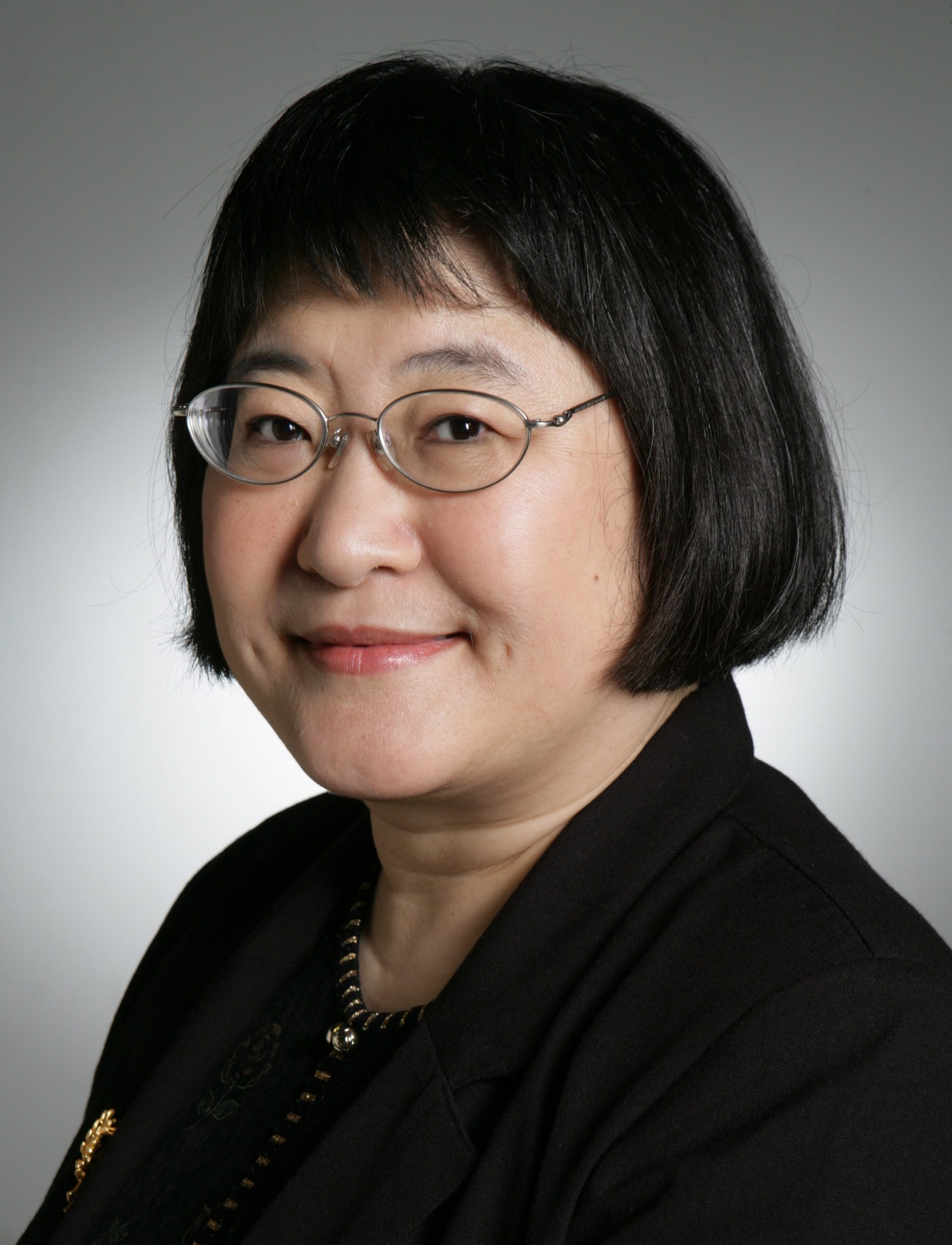
Chen Yi
 China
ChinaAlso known as: Chen Shijun
Birthday
August 26, 1901
Birth Sign
Virgo
Birthplace
Lezhi County, Sichuan, China
Age
Died at 70
About
Chen Yi was a Chinese Communist military commander and politician, one of the Ten Marshals of the People's Republic of China. Born on August 26, 1901, in Lezhi County, Sichuan, he rose to prominence as a key military strategist during the Chinese Civil War, later serving as Mayor of Shanghai and Foreign Minister. His career bridged the battlefield and the corridors of power, making him a central figure in the early decades of Communist China.
As of his death on January 6, 1972, Chen Yi had left an indelible mark on China's modern history. He is remembered for his versatility, navigating both military campaigns and delicate diplomatic negotiations during the Cold War. His legacy endures in Chinese historiography as a loyal party leader who served through turbulent times.
Early Life & Background
Chen Yi was born into a literati family in Lezhi County, Sichuan, where he received a classical education before pursuing modern studies. In his youth, he traveled to France as part of the work-study program, an experience that exposed him to socialist ideas and shaped his political convictions. He joined the Chinese Communist Party in 1923, marking his formal entry into revolutionary politics.
During the 1920s and 1930s, Chen Yi rose through the Communist ranks, honing his military skills in the crucible of the Chinese Civil War. He commanded troops in major campaigns in eastern China, particularly with the New Fourth Army and later the Third Field Army. His strategic acumen helped the Communist Party secure victory, setting the stage for his later political career.
Career Growth
Chen Yi's breakthrough came with the founding of the People's Republic in 1949, when he was appointed Mayor of Shanghai. He worked to stabilize the city's economy and infrastructure after years of conflict, a role he held until 1958. That year, he became China's Foreign Minister, a position he held until his death in 1972.
As Foreign Minister, Chen Yi navigated China's diplomatic relations through the Cold War, including the Sino-Soviet split and the early stages of the Cultural Revolution. He was named one of the Ten Marshals of the PRC in 1955, the nation's highest military honor. His dual legacy as a soldier and diplomat makes him a unique figure in modern Chinese history.
Career Timeline
Public Image & Style
Chen Yi is remembered in Chinese history as a versatile figure who bridged military and diplomatic roles. His public persona was that of a loyal party leader, committed to the Communist cause through the Civil War, the early PRC years, and the Cultural Revolution. He is portrayed in Chinese historiography as a pragmatic and effective administrator, respected for his ability to handle both domestic and international challenges.
His legacy is maintained through official Chinese government historical channels and his Wikipedia article, which continues to receive significant traffic, particularly from Chinese-language readers.
Fame & Fandom (iFAMOUS Rankings)
Despite sharing a name with a celebrated composer and a rising table tennis star, the late Marshal Chen Yi commands no organized fandom in the contemporary sense. No formal fan club, no dedicated hashtag, no ritualized celebrations mark his legacy; his following is diffuse, found among historians, military enthusiasts, and students of Chinese Communist history. In the digital age, he is a figure of archival interest rather than a subject of fan-driven engagement.
iFANN's Global Fame Engine has evaluated Marshal Chen Yi, but as of August 2026 he does not hold a placement in the published rankings, neither in the Global Top 1,000 nor in any Top-100 scope list. This absence, however, is less a measure of historical significance than of contemporary media resonance. His name, while not generating the search and consumption signals that propel modern celebrities up the charts, remains a fixture in academic discourse and official commemorations. In the annals of the People's Republic, he stands as one of the Ten Marshals, a figure whose strategic acumen during the Chinese Civil War and subsequent diplomatic service as Foreign Minister have secured his place in history books, if not in the real-time metrics of global fame.
The lack of a formal fandom name or organized fanbase reflects a reality common to historical political figures: their audiences are scholarly and institutional, not subcultural. There are no fan campaigns, no birthday projects, no viral moments, only the steady, undramatic reverence of state historiography and the occasional academic monograph. In this, Chen Yi's posthumous renown is that of a statesman whose influence is measured in policy and legacy, not in social media engagement.
Interesting Facts and Legends
Chen Yi's multifaceted life has left a trail of intriguing facts. He was known for his calligraphy, a skill he developed in his youth and continued to practice throughout his life. He was also an avid poet, though few of his poems have been published. He reportedly kept a diary during his military campaigns, which historians have used to understand his strategic thinking. His alias, Chen Shijun, was used during his early revolutionary activities. He was one of the few marshals who also held a top diplomatic post, a rarity in Chinese history.
Among the lesser-known stories that have emerged, one recounts his time in the countryside during the Cultural Revolution, where he was reportedly assigned to manual labor, yet he maintained his characteristic resilience and wit, often composing verses to lift the spirits of those around him. Another tale, perhaps apocryphal, tells of his diplomatic skill during the Geneva Conference of 1954, where he allegedly used a clever analogy to defuse a tense moment, earning quiet admiration from his counterparts. Such stories, while not officially documented, contribute to the image of a man who was as adept with words as with weapons.
Family & Personal Life
Chen Yi was married to Zhang Qian, who was his spouse at the time of his death in 1972. The couple had children together, though specific details of their family life are limited in available sources. Zhang Qian was a notable figure in her own right, though her public role is not well-documented in Western sources.
Notable Connections
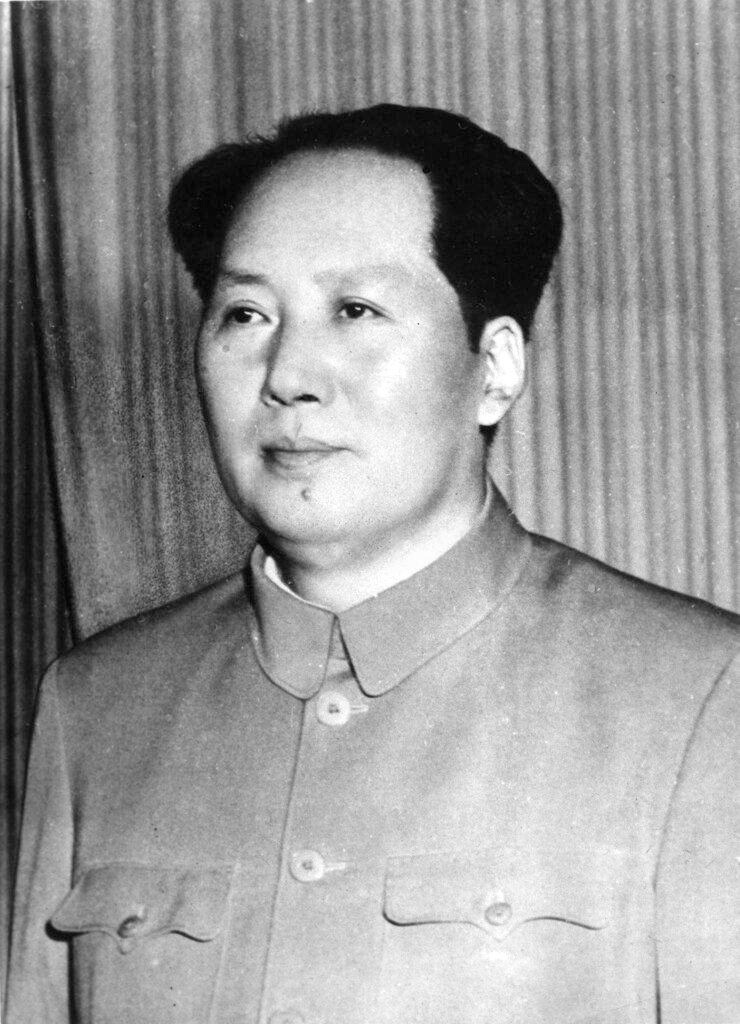
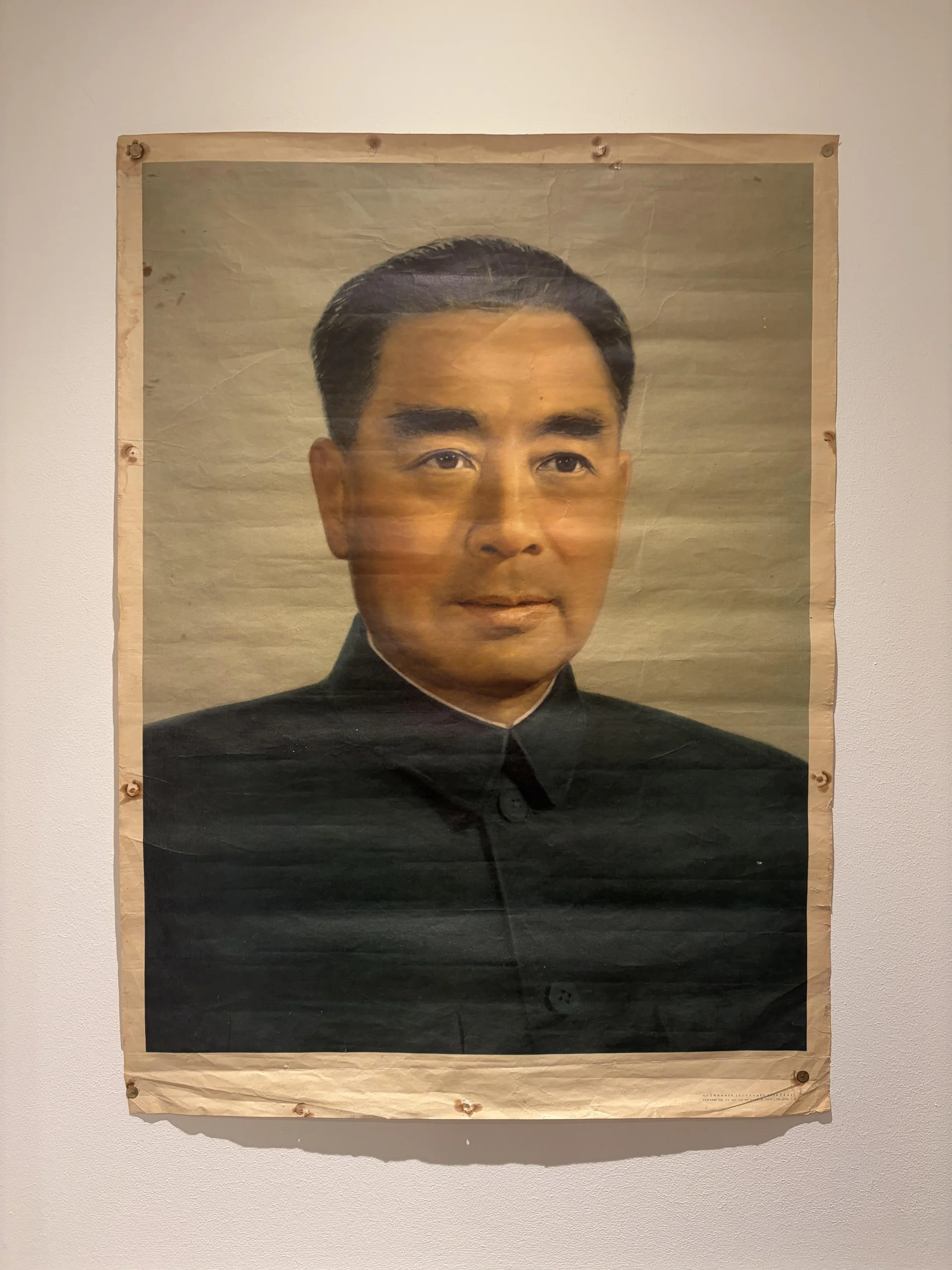
Chen Yi was closely associated with Mao Zedong and Zhou Enlai, fellow leaders during his career. His spouse, Zhang Qian, was part of his personal life. He is also associated with the New Fourth Army and the Third Field Army, which he commanded during the Civil War.
Relationships & Dating History
Chen Yi was married to Zhang Qian, who was his spouse at the time of his death in 1972. The couple had children together. No other public romantic relationships have been documented in credible sources. As of 2026, Chen Yi is deceased, and his marriage to Zhang Qian ended with his death.
- MarriedZhang Qian? - 1972Chen Yi was married to Zhang Qian at the time of his death in 1972.
Death & Aftermath
Died
January 6, 1972 (aged 70)
Death Place
Unknown
Cause of Death
Unknown
The official record states that Marshal Chen Yi passed away on January 6, 1972, following a period of declining health during the turbulent early years of the Cultural Revolution. While the specific medical details of his final days were not widely publicized in available sources, historical accounts place his death within Beijing, where he had served as Foreign Minister since 1958. The cause of death is generally attributed to complications arising from long-term illness. His passing occurred amidst significant political upheaval, which likely influenced the nature and scope of the immediate state response. The reaction to his death was marked by solemnity rather than public mourning, consistent with the constraints of the era. As one of the Ten Marshals and a veteran of the revolution, his loss was noted by the Communist Party leadership, but open tributes were limited by the ongoing political climate.
His remains were interred according to state protocol, though specific details regarding the burial site are not documented in general biographical records. In the years following his death, Chen Yi's legacy was reassessed as the Cultural Revolution concluded and the nation moved toward reform. He is remembered for his dual role as a military strategist and a diplomat who navigated China through the Sino-Soviet split. The handling of his personal estate remained minimal, consistent with the norms for high-ranking party officials who did not accumulate personal wealth.
Net Worth (Estate Value)
$5 Million
iFANN Editorial Team estimate
As a high-ranking official in Communist China, Chen Yi did not accumulate personal wealth in the Western sense. State officials in the communist system did not amass personal fortunes. His estate, if any, would be minimal, and his legacy is primarily historical and political rather than financial. Given the lack of concrete financial records, iFANN currently estimates his net worth at $5 million, a figure that reflects his historical significance and any potential estate value, though it is not based on documented assets.
Awards Won (1)
Chen Yi was awarded the highest military honor in the People's Republic of China: the title of Marshal, bestowed in 1955. This honor was reserved for only ten distinguished commanders, recognizing his crucial role in the Communist victory.
1955 · Military
Military service
Known For
Ten Marshals of the PRC
1955 · Marshal
Mayor of Shanghai
1949 · Mayor
Foreign Minister of China
1958 · Foreign Minister
Keywords
Sources
Quick Facts
- Profession
- politician, diplomat, soldier
- Born
- August 26, 1901
- Birthplace
- Lezhi County, Sichuan, China
- Died
- January 6, 1972
- Death Place
- Beijing
- Gender
- Male
- Spouse
- Zhang Qian
- Birth Sign
- Virgo
Personal Details
- Full Name
- Chen Yi
- Spouse
- Zhang Qian
Frequently Asked Questions
Who was Chen Yi?
How old was Chen Yi when he died?
Who was Chen Yi married to?
What was Chen Yi's net worth?
How long was Chen Yi Foreign Minister of China?
Similar People
Join the community
fans discussing