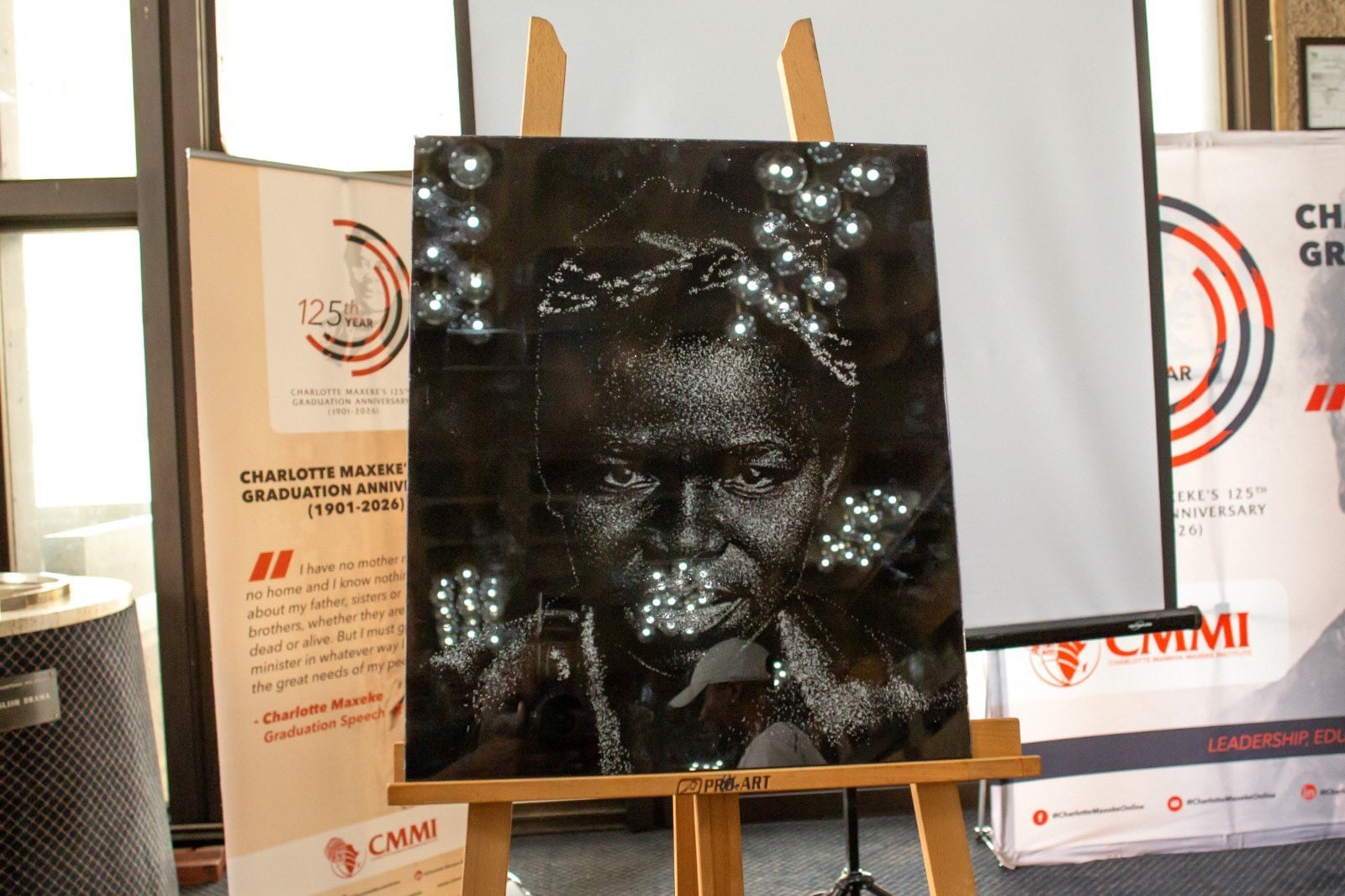
Charlotte Maxeke
 South Africa
politician•social activist•missionary
Birthday
+1871-04-07
Birth Sign
Aries
Birthplace
Fort Beaufort
Age
Died at 68
About
Charlotte Makgomo Maxeke, born Charlotte Mannya on 7 April 1871 in Fort Beaufort, South Africa, was a pioneering religious leader, social activist, and politician. She is best remembered as the first black South African woman to earn a university degree, a milestone she achieved in 1903 when she graduated with a B.Sc. from Wilberforce University in Ohio, also becoming the first African woman to graduate from an American university. Her life's work spanned education, faith, and the fight for racial and gender equality, making her a towering figure in South Africa's early liberation movement.
Fame & Fandom
Charlotte Maxeke's renown, though rooted in a life that ended in 1939, continues to register across global measures of attention, which track the resonance of her name in media coverage, academic citation, and public discourse worldwide. In the most recent assessment, she holds a place among the most recognized figures of her nation: the 97th most famous person in South Africa, a position that has held steady from the previous cycle. This placement, drawn from the iFANN Global Fame Rankings, reflects the enduring weight of her legacy in a country that still invokes her name in political and educational contexts.
Her following is not a fandom in the contemporary sense, there is no formal name for her admirers, no fan clubs, and no digital campaigns. Instead, her reverence is expressed through institutional commemoration: the Charlotte Maxeke Johannesburg Academic Hospital bears her name, and state events, such as the 2026 'Portraits of Power' exhibition, honor her contributions. Her legacy is carried by the African National Congress and feminist historiography, which frame her as a foundational figure in the struggle for racial and gender equality. The absence of a coined fandom name is itself a reflection of the nature of her impact, she is remembered as a pioneer, not a celebrity, and her 'fans' are the historians, activists, and citizens who continue to draw inspiration from her life.
Interesting Facts and Legends
Charlotte Maxeke's life is rich with stories that have become part of South African lore. The most retold is her historic achievement as the first black South African woman to earn a university degree, a B.Sc. from Wilberforce University in 1903, a fact verified across academic sources. Another iconic moment is her leadership of the 1913 anti-pass campaign in the Orange Free State, where black women protested the pass laws, a story of extraordinary courage that is still celebrated. She also founded the Bantu Women's League in 1918, the precursor to the ANC Women's League, marking the origin of organized black women's political activism in the country. In popular culture, she is sometimes called the 'Mother of Black Liberation,' an honorific that, while not from her lifetime, reflects the deep reverence later generations hold for her. More recently, a different kind of story has emerged around the hospital named after her: the 2021 fire and subsequent operational crises have become a recurring narrative in South African public discourse, symbolizing systemic challenges in public healthcare.
Death & Aftermath
Died
+1939-10-16 (aged 68)
Death Place
Johannesburg, Gauteng, South Africa
Cause of Death
Unknown
Immediate tributes emerged from peers within the African National Congress and religious communities, recognizing Charlotte Maxeke as a foundational figure in the struggle for black freedom and women's rights. She passed away on 16 October 1939 in Johannesburg at the age of 68, concluding a life dedicated to activism and missionary work without a documented public last appearance immediately preceding her end. Contemporary accounts describe her passing after a long life of service. While specific funeral details such as the exact venue or notable attendees remain unspecified in available texts, burial is implied by the absence of cremation references common in other contexts. Posthumously, she received numerous accolades including recognition as the mother of black freedom in South Africa and an ANC nursery school named in her honor in Tanzania.
Her legacy has been continuously honored through institutional dedications, notably the establishment of the Charlotte Mannya-Maxeke Institute to focus on the voice of women in politics and social change. In August 2026, the South African Reserve Bank launched two commemorative R2 circulation coins to mark 125 years since her historic graduation and 70 years since the 1956 Women's March. The Charlotte Maxeke Johannesburg Academic Hospital stands as a major landmark bearing her name, though it has faced operational challenges in the 21st century. Estate handling is not detailed in the sources, yet her legacy remains preserved through academic institutions, museum exhibits, and national commemorations rather than a singular family-managed estate.
Awards & Accolades
Keywords
Quick Facts
- Profession
- politician, social activist, missionary
- Born
- +1871-04-07
- Birthplace
- Fort Beaufort
- Died
- +1939-10-16
- Death Place
- Johannesburg
- Gender
- Female
- Birth Sign
- Aries
Join the community
fans discussing