 France
About
Charles Perrault was a French author, poet, and lawyer born in Paris who fundamentally shaped the literary fairy tale genre. He is best known for his 1697 collection Histoires ou contes du temps passé, which polished oral folk traditions into enduring classics like Cinderella, Sleeping Beauty, and Puss in Boots. His versions codified the stories that later inspired the Brothers Grimm and countless modern adaptations.
Beyond storytelling, Perrault served as a prominent member of the Académie Française and played a central role in the Quarrel of the Ancients and the Moderns. He championed the idea that contemporary French culture could surpass the achievements of ancient Greece and Rome. He died in Paris on May 16, 1703, leaving behind a legacy that continues to define children's literature worldwide.
Early Life & Background
Charles Perrault was born into a prosperous bourgeois family in Paris on January 12, 1628. His father, Pierre Perrault, was a wealthy master of works at the Grand Council, and his mother was Paquette Lefèvre. As the seventh child in the household, Charles received an education designed to prepare him for a career in law rather than literature. He studied jurisprudence at the University of Orléans and was admitted to the bar in Paris.
His early professional life followed the expectations of his social class. He worked as a successful lawyer and held various administrative posts within the French royal government, including roles in the Ferme générale tax collection agency. Despite his legal success, his true passion lay in writing. In 1659, he published his first major work, Le Siècle de Louis le Grand, a poem celebrating the reign of King Louis XIV. This publication established him as a significant voice in French letters and eventually led to his election to the prestigious Académie Française in 1671.
Career Growth
Perrault's literary career reached its zenith with the publication of Histoires ou contes du temps passé in 1697, commonly known as Mother Goose Tales. This collection included iconic tales such as Little Red Riding Hood, Cinderella, Puss in Boots, Sleeping Beauty, and Bluebeard. While based on existing folklore, Perrault's specific phrasing and moral endings created the definitive versions known globally today. The book was a massive commercial success, going through multiple editions during his lifetime and influencing subsequent generations of writers, most notably the Brothers Grimm.
Beyond his fairy tales, Perrault was a central figure in the Quarrel of the Ancients and the Moderns, a fierce literary debate of the late 17th century. He championed the Moderns, arguing that contemporary French literature and science had surpassed the achievements of ancient Greece and Rome. This stance cemented his legacy as a progressive intellectual. He also published Parallèle des Anciens et des Modernes in 1694, a key text in this debate. His influence extended to the arts, where he collaborated with composer Jean-Baptiste Lully and supported the development of French opera and theater.
Career Timeline
Public Image & Style
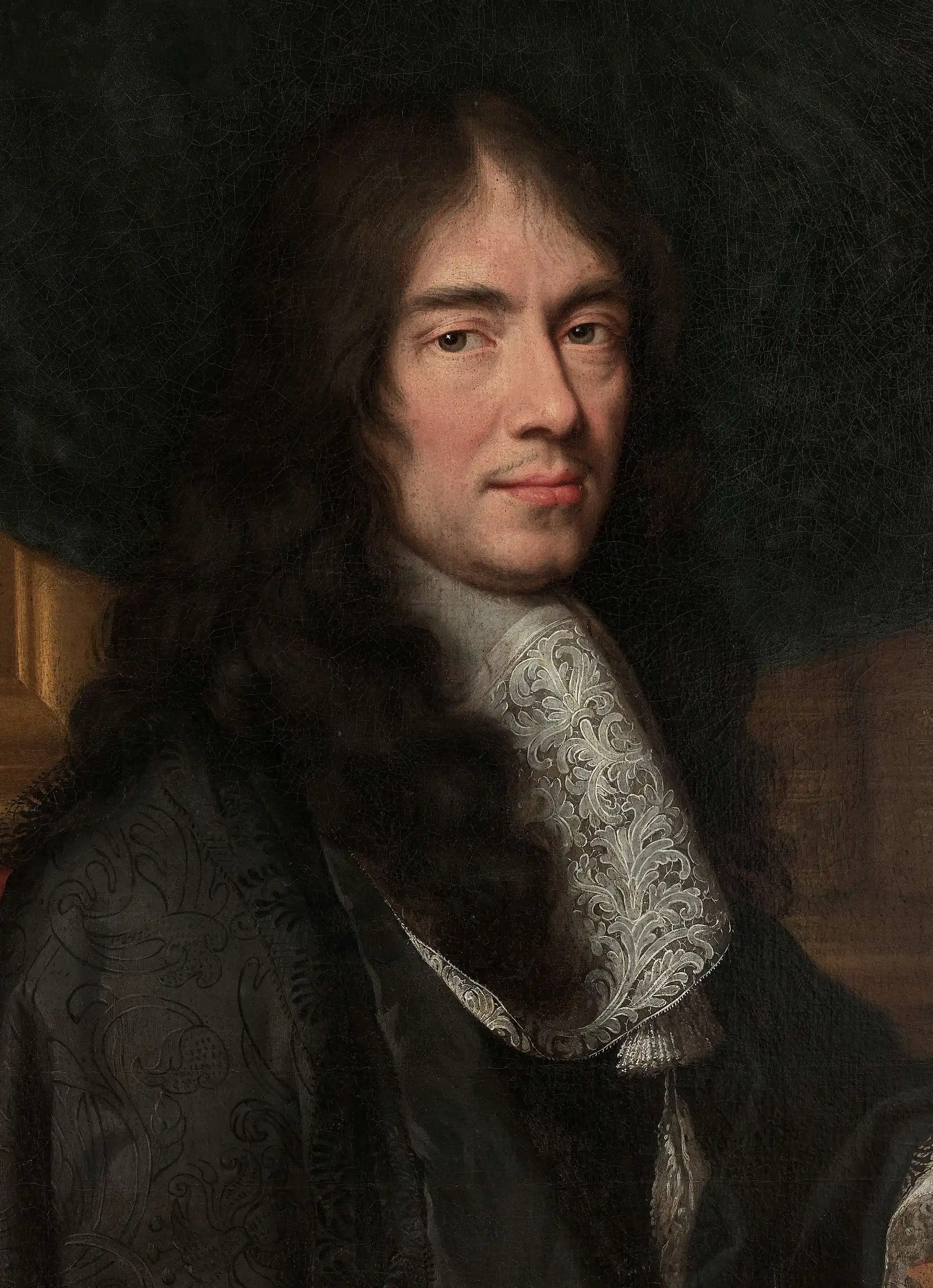
Charles Perrault is remembered as a dignified, scholarly man whose whimsical creations contrasted sharply with his serious legal and academic career. He is often portrayed in art wearing the formal attire of a 17th-century French gentleman, sometimes holding a quill or a book. His public persona was that of a respected intellectual who challenged traditional hierarchies of knowledge. The media perception of him has evolved from a mere storyteller to a foundational figure in Western literature and a symbol of the Enlightenment's embrace of modern thought.
Fame & Fandom (iFAMOUS Rankings)
As a figure from the 17th century, Charles Perrault does not have an organized fandom in the modern sense. There are no fan clubs, social media followings, or dedicated fan campaigns. His audience consists of the global population of children and adults who consume his stories through adaptations. Institutional tributes, such as the Google Doodle in 2016 and the continued operation of the Château de Breteuil, serve as the closest equivalents to fan engagement, representing a cultural reverence rather than a subculture.
iFANN's Global Fame Engine evaluated Charles Perrault as of October 2026, but he does not currently hold a placement in the published rankings. He is not featured on the September 2026 iFAMOUS Rankings flagship list. His fame, while immense in cultural terms, is not quantified in the current ranking system. This absence of a numeric rank reflects the evaluation's focus on contemporary measurable signals rather than historical impact.
Interesting Facts and Legends
The character of Bluebeard was likely inspired by Gilles de Rais, a French nobleman and companion of Joan of Arc who was executed for the murder of children. Perrault's story serves as a fictionalized moral allegory rather than a direct biography. Another interesting fact is that the title Mother Goose was popularized by Perrault's collection, although the connection between the name and the English nursery rhyme tradition was solidified later by British publishers.
Historical records indicate that Perrault initially published his famous fairy tales under his son's name, Pierre Perrault d'Armancour. This decision was likely made to maintain the dignity of his status as a member of the Académie Française, as the genre of fairy tales was considered frivolous for serious scholars. The ambiguity regarding the true authorship has fueled scholarly debate for centuries.
Notable Quotes
“It is necessary to please the children, but also to instruct them.”
“The Moderns are superior to the Ancients in many things.”
Family & Personal Life
Charles Perrault married Marie Guichon in 1651. They remained together until his death in 1703, raising several children. One of their sons, Pierre Perrault d'Armancour, is historically significant not for his own fame but because Perrault published his fairy tales under his name. The couple lived in Paris, where they were part of the city's intellectual and bureaucratic circles. Family values emphasized education and service to the state, reflecting the background of his father, Pierre Perrault, a master of works at the Grand Council.
Notable Connections
Marie Guichon, Pierre Perrault, Louis XIV, Brothers Grimm, Jean-Baptiste Lully
Relationships & Dating History
Charles Perrault married Marie Guichon in 1651. They remained married until his death in 1703. The couple had several children, including Pierre Perrault d'Armancour and Claudine Perrault. There is no record of divorce or separation; the couple stayed together throughout their lives. As a historical figure from the 17th century, there is no dating history beyond this primary marriage, nor any modern romantic relationships. His wife Marie Guichon outlived him, managing their household and family affairs after his passing.
- MarriedMarie Guichon1651 - 1703Married until his death; they had several children together.
Death & Aftermath
Died
May 16, 1703 (aged 75)
Death Place
Paris, France
Cause of Death
Natural causes
He died in Paris on May 16, 1703, at the age of seventy-five, concluding a long life that had spanned the reigns of Louis XIII and Louis XIV. The circumstances surrounding his final days remain unrecorded in detail, autopsy report, or legal proceeding to define the specific medical event that ended his life. Historical consensus attributes his death to natural causes consistent with advanced age. The handling of his estate and any family statements made following his departure were never documented in the surviving historical record. While his immediate circle may have mourned quietly, the broader reaction to his death was one of quiet absorption rather than public ceremony. His works, including Histoires ou contes du temps passé, continued to circulate without interruption, eventually entering the public domain where they generated immense cultural value for centuries.
Posthumous recognition arrived gradually, transforming him from a prominent member of the Académie Française into the acknowledged Father of the Fairy Tale. Modern commemorations include a Google Doodle on January 12, 2016, which celebrated his birth date by depicting scenes from Cinderella, Sleeping Beauty, and Mother Goose. Contemporary cultural references such as the film project Fairy Tales: The Origins and lodging experiences inspired by his tales at the Château de Breteuil stand as distant echoes of his legacy rather than immediate responses to his mortality.
Net Worth (Estate Value)
$0
iFANN Editorial Team estimate
Because Charles Perrault lived over three centuries ago, he does not have a net worth in the modern sense, nor does he have a current estate managed for active revenue generation in the way a contemporary celebrity would. However, his intellectual property has generated immense value since his death. His works are in the public domain, meaning they generate no royalties for heirs, but they have been the foundation of countless adaptations, films, stage productions, and merchandise worldwide. The Château de Breteuil in Choisel, often linked to his stories, continues to operate as a tourist attraction featuring wax figures of his characters, generating local economic activity, though this is not attributed directly to a personal estate fund.
Awards & Accolades
View 4 records, honours and achievementsKnown For
Histoires ou contes du temps passé
1697 · Author
Cinderella
1697 · Writer
Sleeping Beauty
1697 · Writer
Puss in Boots
1697 · Writer
Little Red Riding Hood
1697 · Writer
Keywords
Sources
Quick Facts
- Profession
- writer, poet, lawyer
- Born
- January 12, 1628
- Birthplace
- Paris, France
- Died
- May 16, 1703
- Death Place
- Paris, France
- Gender
- Male
- Spouse
- Marie Guichon
- Birth Sign
- Capricorn
Personal Details
- Full Name
- Charles Perrault
- Spouse
- Marie Guichon
- Children
- Pierre Perrault d'Armancour · Claudine Perrault
- Education
- University of Orléans (Law)
Frequently Asked Questions
What is Charles Perrault famous for?
When and where did Charles Perrault die?
Did Charles Perrault write the original versions of Cinderella and Sleeping Beauty?
Who was Charles Perrault married to?
Why did Charles Perrault publish his fairy tales under his son's name?
Join the community
fans discussing