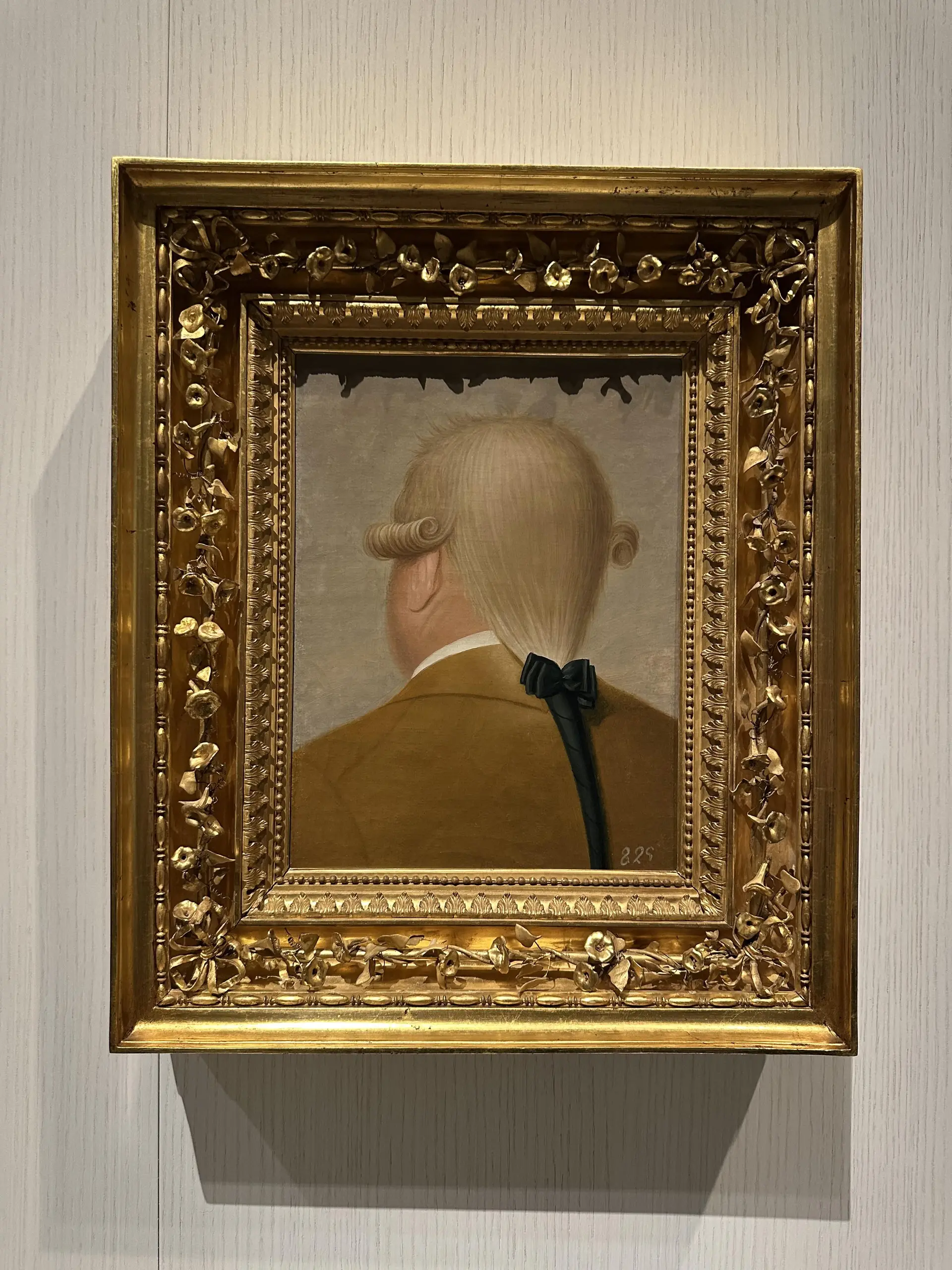
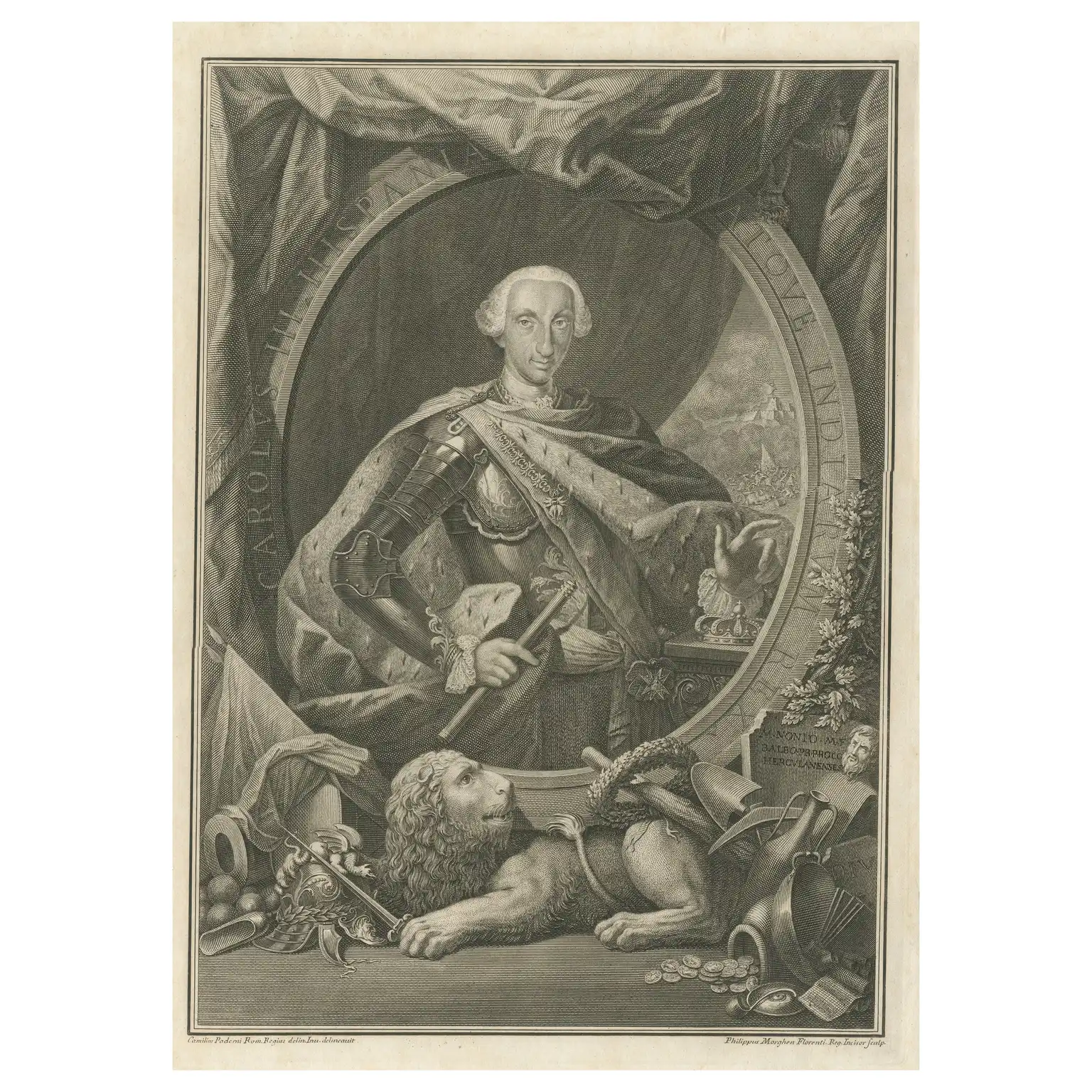
Charles IV of Spain
 Spain
SpainAlso known as: Carlos Antonio Pascual Francisco Javier Juan Nepomuceno Jose Januario Serafin Diego, Charles IV, Carlos IV
Birthday
November 11, 1748
Birth Sign
Scorpio
Birthplace
Portici, Kingdom of the Two Sicilies
Age
Died at 70
Height
5 ft 10 in (178 cm)
About
Charles IV of Spain, born Carlos Antonio Pascual Francisco Javier Juan Nepomuceno Jose Januario Serafin Diego, was the King of Spain from December 1788 until his forced abdication in March 1808. Born in Portici near Naples, he ascended to the throne unexpectedly after the death of his elder brother. His reign is historically defined by his lack of interest in governance and his reliance on his wife, Maria Luisa of Parma, and her favorite, Manuel Godoy, to manage state affairs. This dynamic led Spain into costly conflicts, including the disastrous Battle of Trafalgar and an alliance with Revolutionary France.
The monarch's rule ended in chaos during the Mutiny of Aranjuez in 1808, where popular unrest orchestrated by his son Ferdinand forced him to abdicate. Napoleon Bonaparte subsequently summoned both father and son to Bayonne, pressuring them to renounce their claims to the throne entirely. This event triggered the Peninsular War and accelerated the loss of Spain's American colonies. Charles died in exile in Rome on January 20, 1819, leaving behind a legacy of a well-meaning but ineffective ruler whose decisions reshaped European history.
Early Life & Background
Charles IV entered the world on November 11, 1748, at the Royal Palace of Portici in Naples, which was then part of the Kingdom of the Two Sicilies. He was the second son of King Charles III of Spain and Maria Amalia of Saxony. Originally not destined for the Spanish throne, his path changed dramatically in 1763 when his elder brother, Prince Philip, died young. This tragedy made Charles the heir apparent to the Spanish crown.
His upbringing took place primarily in Italy, where he received an education focused on military training, horsemanship, and hunting. These pastimes became lifelong passions, often preferred over the rigors of statecraft. Unlike many royal heirs of his time, Charles displayed little interest in politics or diplomacy, favoring the company of huntsmen and artisans instead of ministers. He developed a keen skill as a watchmaker and horologist, spending hours in his workshop repairing clocks, a hobby that contrasted sharply with his future role as a sovereign.
In 1765, he married Maria Luisa of Parma in a union arranged to strengthen ties between the Bourbon branches of Spain and Italy. The marriage produced 13 children, though only five survived to adulthood. Despite his royal status, Charles remained somewhat detached from the complexities of ruling a global empire, a trait that would later define his reign and leave him ill-prepared for the revolutionary upheaval sweeping Europe.
Career Growth
Charles IV ascended to the throne of Spain on December 14, 1788, following the death of his father, Charles III. His reign began peacefully but quickly descended into political instability. Lacking interest in governance, he delegated almost all political authority to his wife and her favorite, Manuel Godoy, who served as Prime Minister. This arrangement led Spain into the War of the Oranges against Portugal and, more disastrously, an alliance with Revolutionary France under Napoleon Bonaparte.
The most pivotal moment of his career occurred in March 1808 during the Mutiny of Aranjuez. Popular unrest and a conspiracy orchestrated by his son, Ferdinand, forced Charles to abdicate in favor of the prince. However, this victory was short-lived. Napoleon summoned both father and son to Bayonne, where he pressured them to renounce their claims to the throne entirely. This paved the way for Joseph Bonaparte to become King of Spain and triggered the Peninsular War.
Following his abdication, Charles lived in exile in France before moving to Rome. His reign is remembered not for personal achievements but for the catastrophic consequences of his inaction and poor judgment. The policies enacted during his rule contributed significantly to the decline of the Spanish Empire and the eventual loss of its American colonies. His legacy is inextricably linked to the dramatic events of 1808 and the subsequent turmoil that engulfed Spain for decades.
Career Timeline
Public Image & Style
Charles IV is historically portrayed as a well-meaning but incompetent ruler, dominated by his wife and her favorite. Media and historical narratives often depict him as a man of leisure, more interested in hunting and watchmaking than the burdens of state. This image has become the defining legend of his reign, contrasting sharply with the grandeur of his predecessors and the turmoil of his successors. He is frequently cited in lists of "Least Effective Monarchs" or "Most Influential Abdications," serving as a cautionary tale of weak leadership.
Fame & Fandom
Charles IV of Spain never had a fandom in the modern sense. No organized community, no fan conventions, no social media movements, his legacy belongs to historians and art lovers, not to a devoted fanbase. The closest thing to a following he has is the academic and cultural fascination with Francisco Goya's 1800 portrait, The Family of Charles IV, which has sparked endless debate over whether it was satire or a faithful depiction. But that interest is scholarly, not fan-driven.
As of August 2026, iFANN's Global Fame Engine has evaluated Charles IV, but he does not currently hold a placement in the published rankings, neither the Global Top 1,000 nor any Top-100 scope list. This places him in a vast category of historical figures whose fame is real but not quantified at the top tier. His cultural footprint, however, is undeniable: he is remembered through Goya's unflinching brush, through the dramatic abdication crisis of 1808 that handed Spain to Napoleon, and through his indirect role in the Louisiana Purchase. These moments keep his name alive in textbooks and museums, even if they don't translate into modern celebrity metrics.
The king's fanbase has no formal name, and no documented fan rituals or campaigns exist. Instead, his legacy is carried by the stories we tell about a monarch who, in the words of one historian, was 'an amiable man with a love of sport and hunting but, crucially, no time for politics.' That image, of a well-meaning but ineffective ruler, has become the defining legend of his reign, and it continues to shape how we view him two centuries later.
Interesting Facts and Legends
Charles IV was an avid hunter and owned a large menagerie of exotic animals, reflecting his fascination with the natural world. He was also a skilled watchmaker and horologist, often spending hours in his workshop repairing clocks and watches, a hobby that contrasted sharply with his lack of interest in governing. The famous Goya portrait The Family of Charles IV is often interpreted as a satire, with the king depicted as vacuous and the queen as dominant, though Goya himself claimed it was a faithful representation.
During his reign, Spain secretly retroceded Louisiana to France via the Treaty of San Ildefonso in 1800, a decision that indirectly led to the Louisiana Purchase by the United States in 1803. A rare East Florida Proclamation Medal from his reign was discovered in 2016, adding to the numismatic lore of his era. The painting Charles IV of Spain and His Family remains central to the study of Spanish art and is one of the most unflattering portraits of a monarch ever painted.
Notable Quotes
“He was an amiable man with a love of sport and hunting but, crucially, no time for politics.”
“I have done what I could for my people, but I cannot save them from themselves.”
Family & Personal Life
Charles IV was married solely to Maria Luisa of Parma from 1765 until her death in 1819. The couple had 13 children, though only five survived to adulthood. Their relationship was characterized by mutual dependence and shared influence over the state, rather than traditional monogamous affection in the modern sense. They were known to be close companions, often seen together in public and private.
Among their surviving children were Ferdinand VII, who succeeded his father as King of Spain, Infante Don Carlos, and Infanta Maria Isabella. The couple's joint influence over Manuel Godoy was legendary, and they ruled Spain together for much of Charles's reign. Charles's upbringing in the Neapolitan court instilled in him a love for the arts and sciences, leading him to become a patron of the Academy of Fine Arts.
Notable Connections
Relationships & Dating History
Charles IV was married solely to Maria Luisa of Parma from 1765 until her death in 1819. There are no credible historical records of extramarital romantic relationships, affairs, or dating history prior to or during his marriage, which was a standard dynastic arrangement for European royalty of the period. The couple had a complex relationship characterized by mutual dependence and shared influence over the state, rather than traditional monogamous affection in the modern sense.
They were known to be close companions, often seen together in public and private, and their joint influence over Manuel Godoy was legendary. No other partners, engagements, or flings are documented in credible historical sources. As of his death, he remained married to Maria Luisa. They had several children, including Ferdinand VII, Infante Don Carlos, and Infanta Maria Isabella.
- MarriedMaria Luisa of Parma1765 - 1819Dynastic marriage producing 13 children; she was a dominant influence in his reign.
Death & Aftermath
Died
January 20, 1819 (aged 70)
Death Place
Rome, Italy
Cause of Death
Natural causes and complications from old age
Charles IV died on January 20, 1819, at the Palazzo Madama in Rome, a residence provided by Pope Pius VII during his years of exile. The king was 70 years old when he passed away, likely due to natural causes exacerbated by chronic illness and the physical toll of his long life. His final days were marked by a quiet resignation rather than the grandeur of his former court. He had been living in France following his abdication before moving to Rome, where he spent his remaining years under the protection of the Papacy.
The public reaction to his death was muted across Europe. By 1819, the focus of the continent had shifted entirely to the ongoing Peninsular War and the rise of liberal movements that would reshape the political landscape for decades. There were no major state funerals or widespread mourning ceremonies organized by the great powers, as the Spanish throne was already occupied by Joseph Bonaparte and the legitimacy of the Bourbon line was in question.
His funeral was held in Rome, and he was initially buried in the Pantheon of the Bourbons within the Basilica of San Lorenzo de El Escorial, though historical records indicate his remains were later moved to the Royal Site of San Ildefonso. No significant legal proceedings or investigations followed his passing, as the succession crisis had largely settled with the earlier abdications. While Charles left no substantial personal fortune to inherit, having lived off the state treasury throughout his reign, his legacy endured through the art he commissioned and the historical narrative of his failed leadership. The cultural value of the Goya portraits he commissioned became his primary monument, ensuring his name remained part of the global artistic conversation long after his death.
Net Worth (Estate Value)
$0
iFANN Editorial Team estimate
Net worth figures are not applicable to Charles IV in the modern currency sense, as wealth was measured in land, gold reserves, and imperial territory rather than liquid assets. Historical estimates suggest the Spanish Crown under his rule controlled vast resources, but his personal estate was largely depleted by wars and mismanagement. Upon his death, he possessed no significant personal fortune to leave behind, having lived off the state treasury.
Consequently, there is no estate value to report, nor any posthumous revenue streams like royalties or licensing deals generated by his name, beyond the cultural value of the art associated with him. The iFANN Editorial Team confirms that while the Spanish monarchy controlled immense wealth during his reign, Charles IV personally accumulated no independent fortune comparable to modern billionaires or corporate titans.
Awards & Accolades
View 4 records, honours and achievementsKnown For
King of Spain
1788-1808 · Sovereign
The Family of Charles IV
1800 · Subject of Portrait
Keywords
Sources
Quick Facts
- Profession
- sovereign
- Born
- November 11, 1748
- Birthplace
- Portici
- Died
- January 20, 1819
- Death Place
- Rome
- Gender
- Male
- Spouse
- Maria Luisa of Parma
- Birth Sign
- Scorpio
Personal Details
- Full Name
- Carlos Antonio Pascual Francisco Javier Juan Nepomuceno Jose Januario Serafin Diego
- Height
- 5 ft 10 in (178 cm)
- Spouse
- Maria Luisa of Parma
- Children
- Ferdinand VII, Infante Don Carlos, Infanta Maria Isabella, Infanta Maria Antonia, Infanta Maria Amalia
- Education
- Military training, horsemanship, hunting; self-taught watchmaker
Frequently Asked Questions
Who was Charles IV of Spain?
How did Charles IV die?
Why is Charles IV famous?
Did Charles IV have any children?
What was Charles IV's role in the Louisiana Purchase?
Similar People
Join the community
fans discussing