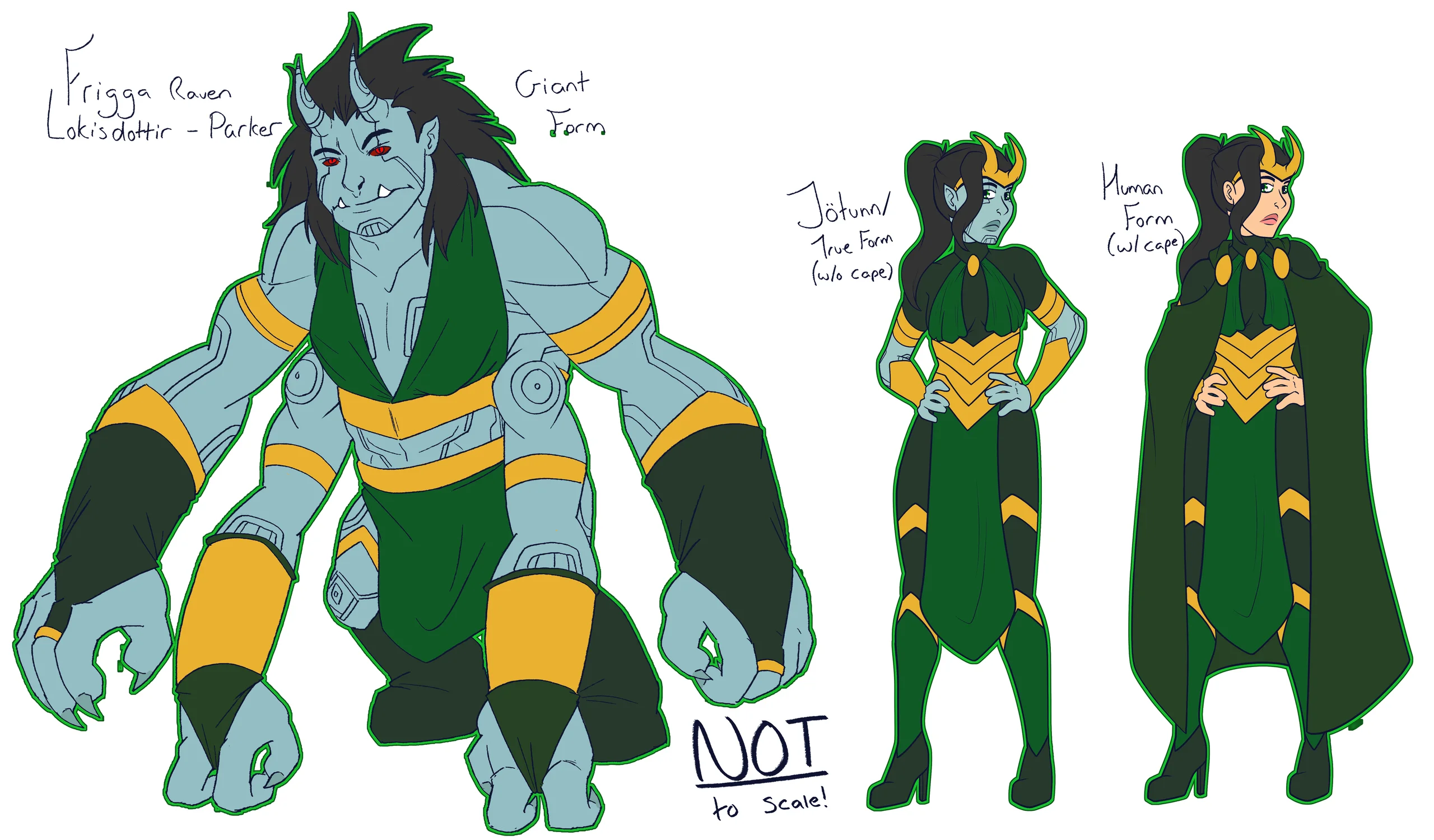
Frigga
Appears In
Marvel Cinematic Universe
Species
Asgardian/Vanir
First Appearance
Journey into Mystery #92 (May 1963)
Occupation
Queen of Asgard
Creator
Stan Lee, Robert Bernstein, Joe Sinnott
Overview
Origin Story
In the Marvel Comics continuity, Frigga serves as the matriarch of Asgard and a powerful deity in her own right rather than just a consort. She originates from the Vanir, a race of gods associated with fertility and magic, before marrying into the Æsir pantheon as the wife of Odin. While she is the biological mother of Balder and Tyr, she is widely recognized as the adoptive mother of Thor and Loki, raising them within the halls of Valaskjalf.
Her character design synthesizes two distinct figures from Norse mythology: Frigg, the goddess of marriage and prophecy, and Freyja, the Vanir goddess of love and war. This blend grants her unique magical abilities that set her apart from other Asgardians, including the power to see visions of the future and weave illusions. Unlike traditional mythological depictions where she remains passive, the Marvel version emphasizes her role as a guardian of the Nine Realms who actively manages the mystical affairs of her kingdom.
Personality
Frigga possesses a calm demeanor that often serves as the moral compass for the volatile natures of her sons. She balances regal dignity with deep maternal warmth, frequently acting as the only one capable of calming Thor's rage or reaching Loki's conscience. Her wisdom extends beyond simple advice; she demonstrates an intuitive understanding of fate and the consequences of actions, often seeing paths that others miss.
Despite her gentle appearance, she harbors a fierce protective streak when her family is threatened. She does not shy away from conflict, having demonstrated combat proficiency and magical defense capabilities when necessary to protect Asgard. Her leadership style relies on mutual respect and partnership rather than fear, fostering a sense of unity among the realms.
Story Arc
Initially appearing as a supportive background figure in early storylines, Frigga gradually gained prominence during arcs dealing with the origins of Thor and the complexities of the Asgardian royal family. Her narrative arc is defined by resilience and eventual sacrifice, culminating in her death at the hands of the dark elf Malekith in Thor: The Dark World.
This event served as a catalyst for Thor's descent into rage and marked a major turning point for the Asgardian saga. Her death stripped Thor of his primary emotional anchor and left a void that influenced the behavior of both him and Loki for years to come. Although she has been subject to resurrection cycles common in comics, her passing remains a defining moment that underscored the vulnerability of even the most powerful beings.
Powers & Abilities
Seidr Magic
Prophecy
Illusion Casting
Matter Manipulation
Divine Longevity
Superhuman Strength
Combat Proficiency
Equipment & Signature Items
Asgardian Robes
Magical Constructs
Relationships
Odin
Love InterestHusband and King of Asgard; their relationship is built on deep mutual respect and partnership.

Thor
FamilyAdoptive son and primary emotional anchor; she frequently mediates between him and Odin.

Loki
FamilyAdoptive son whose deceptive nature she understands deeply; her death drives much of his redemption arc.
Balder
FamilyBiological son who shares her gentle nature and represents her dual heritage.
Malekith
EnemyDark Elf leader who killed her during the events of the Aether crisis.
Memorable Quotes
“You are my son, and I love you.”
“I am not your mother, I am your queen.”
“You must learn to control your anger, Thor.”
Portrayed By
Key Appearances
Thor (2011)
Thor: The Dark World (2013)
Avengers: Age of Ultron (2015)
Thor: Ragnarok (2017)
Avengers: Endgame (2019)
What If...? (2021)
Reception & Legacy
Frigga holds a unique place in pop culture as the All-Mother figure, with her portrayal by Rene Russo receiving widespread praise for its emotional depth and regal presence. Her death in Thor: The Dark World was noted for its significant emotional weight, particularly because it subverted the expectation that the good guys were safe from tragedy.
Following the release of Avengers: Endgame, there was a cultural resurgence of interest in her character, with discussions highlighting how her death impacted Thor's journey and the broader MCU narrative. Fans often cite her as a grounding force in the franchise, appreciating her ability to balance divine power with human-like maternal concerns.
Interesting Facts and Legends
In Norse mythology, Frigg and Freyja are distinct deities, but Marvel Comics often conflates them, identifying Frigga explicitly as the Vanir goddess Freyja.
Rene Russo is the only actress to have voiced Frigga in both live-action and animated formats within the main MCU continuity, including the What If...? series.
A deleted scene from Thor: The Dark World featured a conversation between Thor and Frigga about Loki, providing deeper insight into their family dynamics before her death.
The name Frigga means 'Beloved' in Old Norse, reflecting her role as a nurturing figure in ancient lore.
Her fear of Friday the 13th is sometimes etymologically linked to 'Frigg's Day' and the number 13, though this is folk etymology rather than a direct character reference.
Frequently Asked Questions
Who is Frigga in the Marvel universe?
Does Frigga die in the movies?
Who plays Frigga in the MCU?
Is Frigga related to Loki?
What powers does Frigga have?
Keywords
Sources
Character Info
- Universe
- Earth-616
- First Appearance Date
- May 1963
- Creator
- Stan Lee, Robert Bernstein, Joe Sinnott
Join the community
fans discussing