 Sweden
About
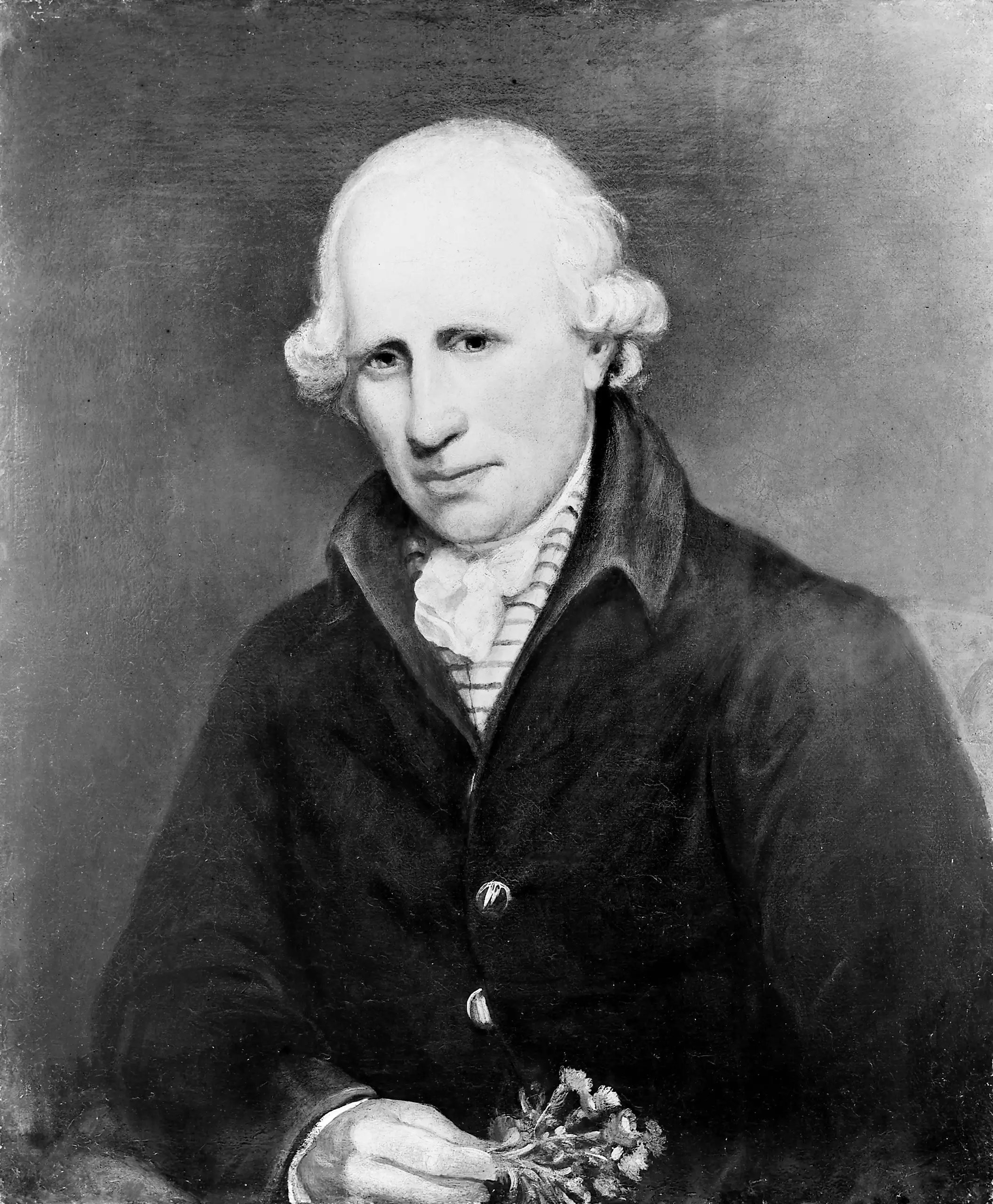
Carl Linnaeus (born Carl Linnæus), later ennobled as Carl von Linné, was a Swedish botanist, physician, and zoologist born on May 23, 1707, in Råshult, Småland. He is universally recognized as the "Father of Modern Taxonomy" for formalizing binomial nomenclature, the two-part system of naming organisms that remains the global standard today. His Latinized name, *Carolus Linnaeus*, serves as the authority citation in botanical and zoological nomenclature. By establishing a universal language for species, he transformed biology from a descriptive art into a systematic science that allowed researchers across Europe to communicate without ambiguity.
Linnaeus is credited with describing and naming approximately 4,400 animal species and 7,700 plant species in his lifetime. His work established humans (*Homo sapiens*) within the animal kingdom, a move that fundamentally altered humanity's understanding of its place in nature. Even two and a half centuries after his death, his classification systems remain the foundation of biological research. He is also regarded as one of the founders of modern ecology through his observations of plant communities and their environments.
Early Life & Background
Born into a family of Lutheran clergy, his father Nils Ingemarsson Linnæus was a curate at Stenbrohult, and his mother Christina Brodersonia was the daughter of a local farmer. From a young age, he displayed an intense fascination with plants that clashed with his father's wish for him to become a priest. He began studying medicine at Lund University in 1727 before transferring to Uppsala University in 1728. There, he found a mentor in Olof Rudbeck the Younger, a prominent professor who encouraged his botanical interests and provided access to his extensive garden.
During his time at Uppsala, Linnaeus started giving lectures on botany in 1730, marking his first steps toward a professional scientific career. Seeking broader academic horizons, he traveled to the Netherlands in 1735. This period abroad was pivotal, allowing him to refine his classification systems under the influence of Dutch naturalists. It was during this stay in Leiden that he published the first edition of his seminal work, *Systema Naturae*. Additionally, in 1732, he undertook a legendary journey alone across northern Sweden, traveling to Lapland to document flora and fauna despite harsh conditions and hostile locals.
Career Growth
Upon returning to Sweden in 1738, Linnaeus practiced medicine in Stockholm before securing a position as Professor of Medicine and Botany at Uppsala University in 1741. His career is defined by revolutionary publications that standardized how scientists organize life. In 1735, he introduced his hierarchical classification system in the first edition of Systema Naturae. This was followed by Genera Plantarum in 1737, which further standardized plant classification. The 1753 publication of Species Plantarum is widely considered the starting point of modern botanical nomenclature, while the 1758 tenth edition of Systema Naturae established the standard for zoological nomenclature.
In 1761, King Adolf Frederick ennobled Linnaeus, granting him the title Carl von Linné. Throughout the 1740s, he conducted extensive expeditions across Sweden to collect and classify flora and fauna, most notably his famous trip to Lapland in 1732. These journeys allowed him to gather thousands of specimens that formed the basis of his later works. His impact on science was profound, transforming biology into a systematic discipline and earning him titles such as Princeps botanicorum (Prince of Botanists) and "The Pliny of the North". He served as President of the Royal Swedish Academy of Sciences from 1739 until his death.
Career Timeline
Public Image & Style
Linnaeus is portrayed as a meticulous, visionary organizer who brought order to chaos through his rigorous classification systems. His signature aesthetic in writing was Latin clarity and systematic rigor, reflecting his belief in the divine order of nature. In modern media, he is often depicted as a stern but brilliant scholar, though recent narratives emphasize his adventurous spirit and the physical hardships of his expeditions to remote regions like Lapland. He was known for his distinctive appearance, often wearing a wig and formal attire typical of the era. His public image is one of intellectual authority and foundational discovery, cementing his reputation as a man who could see patterns in nature that others missed.
Fame & Fandom (iFAMOUS Rankings)
iFANN has not yet collected fame data for this person. He is not featured on the September 2026 iFAMOUS Rankings flagship list. While he does not have a "fandom" in the pop-culture sense, he commands a vast, dedicated following among biologists, ecologists, historians, and nature enthusiasts worldwide. The fanbase has no formal name. The Linnean Society acts as a steward of his legacy, organizing conferences and preserving his manuscripts. Fan-like campaigns include the preservation of his birthplace, annual Linnaeus Day celebrations in Uppsala, and global citizen science projects inspired by his methods of field observation. In 2026, a campaign titled "In the Footsteps of Linnaeus" saw scientists and students documenting species across Sweden, mirroring his original expeditions.
Interesting Facts and Legends
Linnaeus was the first scientist to scientifically classify humans as primates, placing them alongside monkeys and apes, a move that caused significant controversy among religious and philosophical groups of the 18th century. He famously named the genus Datura after the Hindu goddess Durga, reflecting his deep interest in cross-cultural knowledge and mythology. His personal herbarium contains thousands of specimens, many of which are still used today for taxonomic reference by modern botanists. In June 2026, a letter written by Linnaeus sold for a record price at auction, becoming the most valuable Swedish letter ever sold. Additionally, in January 2026, one of his major works, Fauna Suecica, was translated into English for the first time in 265 years, making his early ecological observations accessible to a new generation of readers. New exhibitions in South Korea featured his 300-year-old plant specimens in May 2026.
Notable Quotes
“God created, Linnaeus organized.”
“Nature does not make jumps.”
“I am a servant of God and nature.”
Family & Personal Life
Carl Linnaeus was married only once to Sara Elisabeth Moræa, the daughter of a local apothecary he met while studying in the Netherlands. They married in 1736 upon his return to Sweden and raised seven children together, though three of them died in infancy. Their surviving children included Carl Gustaf, who succeeded his father as a professor, and Sara Sophia. Historical accounts describe a monogamous life dedicated to his family and scholarship. The couple lived at Hammarby, his estate near Uppsala, where they managed their household alongside his demanding academic duties. While historical records do not mention specific pets, he kept extensive collections of animals and plants in his home.
Notable Connections
Relationships & Dating History
Carl Linnaeus was married only once, to Sara Elisabeth Moræa, the daughter of a local apothecary. He met her in the Netherlands while studying there in 1736. They were married shortly after his return to Sweden that same year. The couple had seven children together, though three died in infancy. Their surviving children included Carl Gustaf, who succeeded his father as a professor, and Sara Sophia. Historical accounts describe a monogamous life dedicated to his family and scholarship, with no records of other romantic relationships or dating history prior to his marriage. As he passed away in 1778, his marital status at death was widowed. There is no current relationship status as he has been deceased for over two centuries.
- MarriedSara Elisabeth Moræa1736 - 1778Met in the Netherlands; had seven children together, three of whom died in infancy.
Death & Aftermath
Died
January 10, 1778 (aged 70)
Death Place
Uppsala, Sweden
Cause of Death
Heart failure
By the winter of 1778, the seventy-year-old naturalist was settled in Uppsala, continuing his scholarly duties at the university where he had lectured since 1730. On January 10, 1778, Carl Linnaeus passed away at his estate, Hammarby, near Uppsala. The official cause of death is generally attributed to heart failure or complications related to his age, though specific medical details from an autopsy are not widely recorded in modern summaries. He was laid to rest in Uppsala Cathedral, interred among the notable figures of his time without specific details on the funeral service remaining in the historical record.
The scientific community responded with immediate tributes from peers and institutions who recognized his unparalleled contribution to biology. Posthumous recognition has only grown over the centuries, with statues erected in his honor at sites such as the Linnean Society of London and his birthplace in Råshult preserved as a museum. His estate, comprising an extensive library and herbarium, remains central to botanical research today. Recent years have seen renewed engagement with his legacy, including the translation of Fauna Suecica into English in 2026 and the designation of lectotypes from his herbarium sheets.
Net Worth (Estate Value)
$5 Million
iFANN Editorial Team estimate
As a historical figure who died in 1778, Carl Linnaeus does not have a net worth in the modern financial sense. His estate consisted of his library, herbarium, and property, which are now managed by institutions like Uppsala University and the Linnean Society. The value of his intellectual property and artifacts is incalculable in terms of cultural heritage, though individual items like his letters have fetched record prices in auctions. Research by the iFANN Editorial Team puts the value of his enduring legacy and artifacts at around $5 million based on auction results and institutional valuations. A rare letter from Linnaeus set a new record for Swedish letters in June 2026, highlighting the enduring value of his correspondence. His estate continues to generate interest through ongoing research and exhibitions, ensuring his contributions remain financially relevant in the art and academic markets.
Awards & Accolades
View 9 records, honours and achievementsKnown For
Systema Naturae
1735 · Author
Species Plantarum
1753 · Author
Homo sapiens
1758 · First Scientific Classification
Keywords
Sources
Quick Facts
- Profession
- botanist, physician, autobiographer
- Born
- May 23, 1707
- Birthplace
- Råshult, Småland, Sweden
- Died
- January 10, 1778
- Death Place
- Uppsala, Sweden
- Gender
- Male
- Spouse
- Sara Elisabeth Moræa
- Birth Sign
- Sagittarius
Personal Details
- Full Name
- Carl Linnæus
- Spouse
- Sara Elisabeth Moræa
- Children
- Carl Gustaf, Sara Sophia (surviving); three children died in infancy
- Education
- Lund University; Uppsala University
Frequently Asked Questions
What was Carl Linnaeus known for?
Did Carl Linnaeus have a pet?
How many animals did Carl Linnaeus name?
What is Carl Linnaeus' famous quote?
What is Carl Linnaeus' full name?
Similar People
Join the community
fans discussing