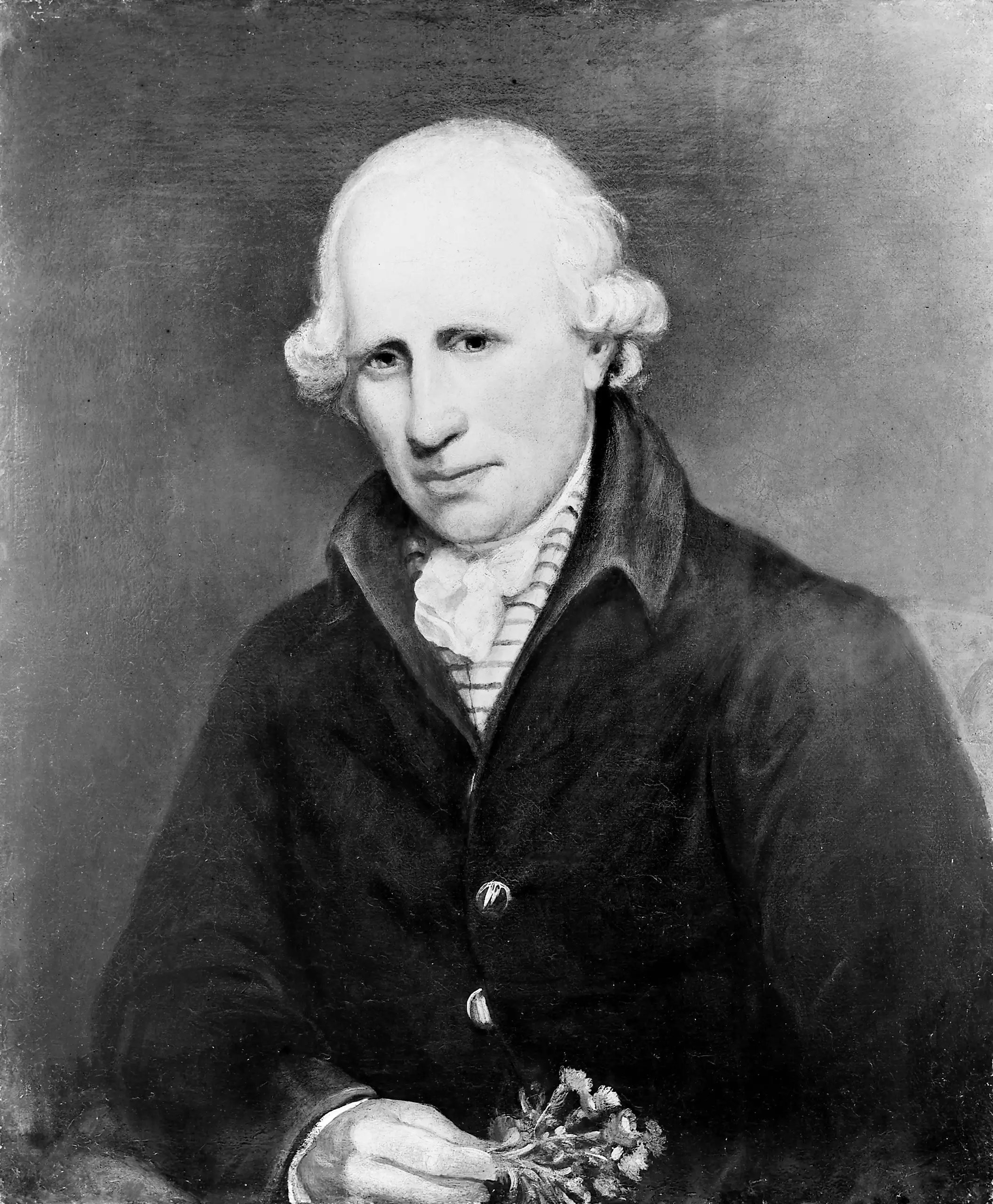
Carl Linnaeus
Awards & Honours
0
Awards Won
4
Honours
2
Rankings
3
Records
Linnaeus stands as a towering figure in the history of science, having fundamentally changed how humanity categorizes life. His creation of binomial nomenclature provided a universal language for biology that remains in use today. He was the first to scientifically classify humans as primates, a groundbreaking move that challenged existing religious and philosophical norms. His work earned him the titles Princeps botanicorum and "The Pliny of the North," reflecting his immense stature in the scientific community. Even centuries after his death, his classification systems continue to serve as the backbone of biological research, proving the enduring power of his organizational genius.
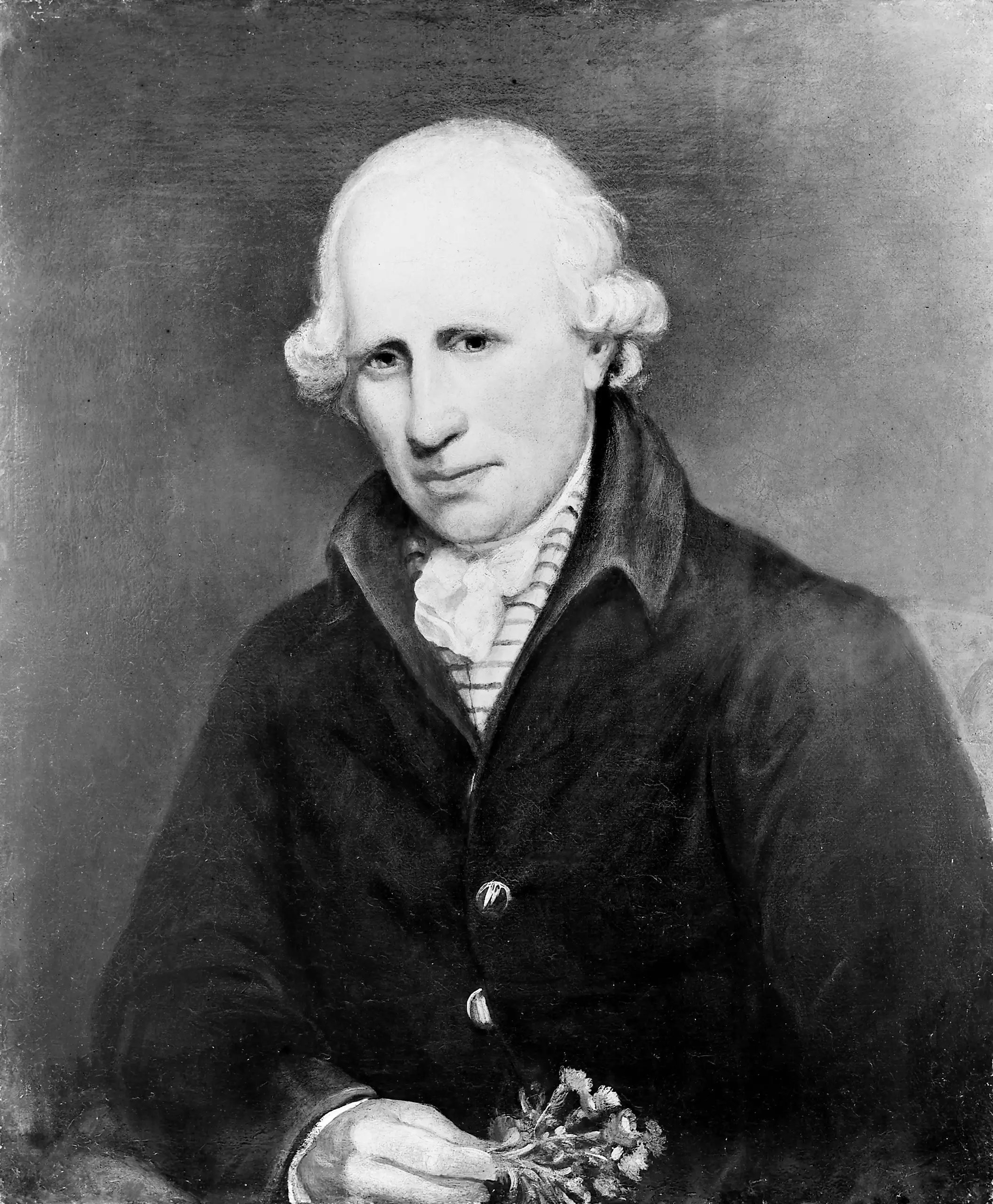
Honours & Distinctions
Ennoblement
Elevated to the nobility as Carl von Linné
President of the Royal Swedish Academy of Sciences
Foundational role in Swedish science
Linnean Society of London
Founded to preserve his memory and promote natural history
Honorary Degrees
Received from multiple institutions during his lifetime
Rankings & Lists
BBC Science & Nature Poll
Discover Magazine: 42 Famous Scientists Who Changed the World
Records & Feats
Father of Modern Taxonomy
Formalized binomial nomenclature, the modern system of naming organisms
First Human Classification as Primate
First scientist to scientifically classify humans as primates
Most Valuable Swedish Letter
A letter written by Linnaeus sold for a record price in June 2026