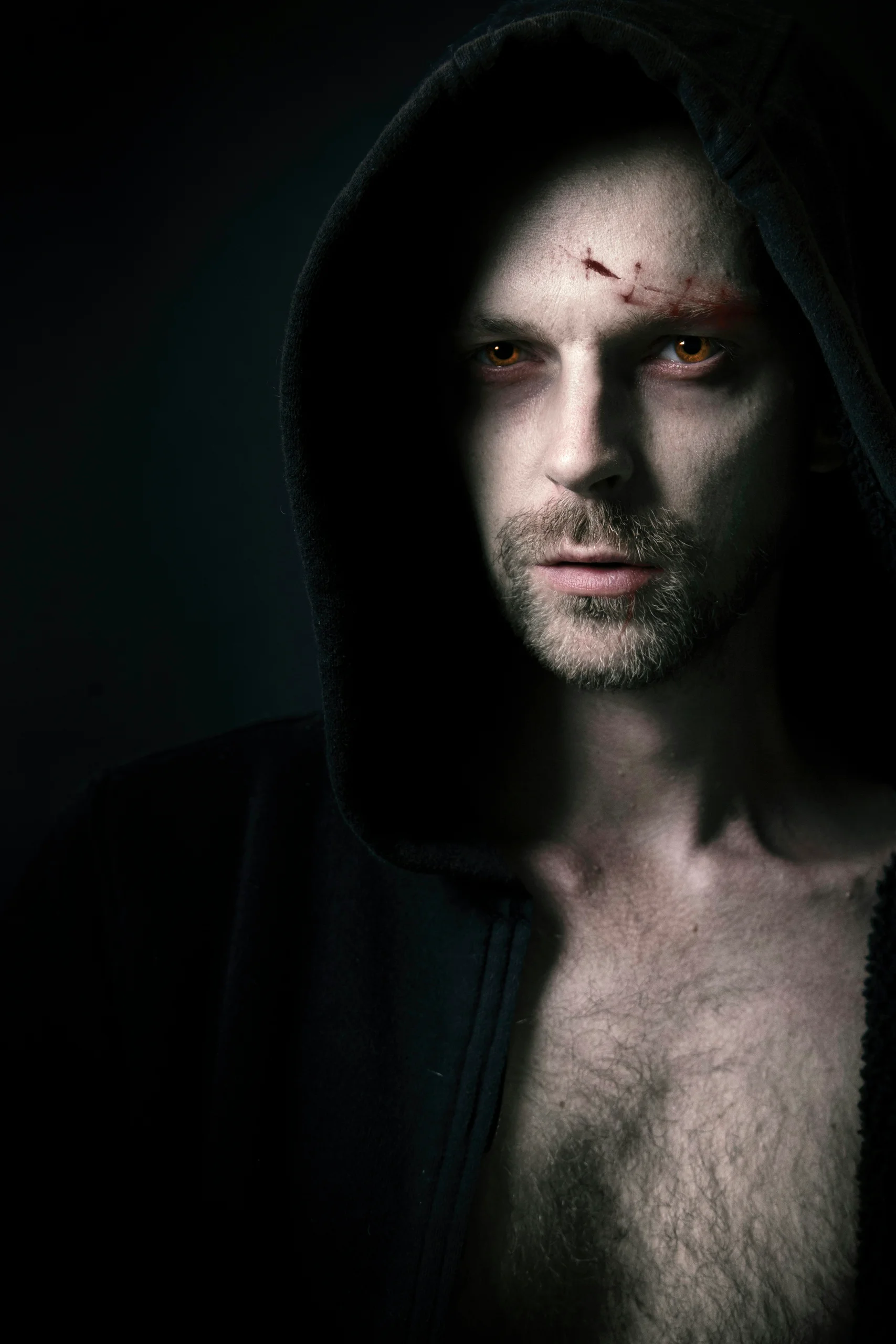
Bram Stoker
 Ireland
Also known as: Abraham Stoker, A. Stoker
Birthday
November 8, 1847
Birth Sign
Scorpio
Birthplace
Clontarf, Dublin, Ireland
Age
Died at 64
Height
5 ft 9 in (175 cm)
About
Abraham Stoker was an Irish writer, barrister, literary critic, and theatre manager best known for authoring the Gothic horror novel Dracula. Born in Clontarf, Dublin, he overcame severe childhood illness to become a standout athlete and scholar at Trinity College Dublin before entering civil service. His career took a pivotal turn when he moved to London to manage the Lyceum Theatre for actor Sir Henry Irving, a role that provided him the financial stability and connections necessary to write. While he published numerous novels and short stories throughout his life, his reputation rests almost entirely on his 1897 masterpiece, which introduced the world to Count Dracula.
Stoker created one of the most enduring icons in global pop culture, transforming vampire folklore into a sophisticated narrative of aristocratic evil. His use of epistolary storytelling, letters, diary entries, and newspaper clippings, revolutionized the genre and influenced countless authors who followed. Though he died in 1912 at the age of 64, leaving behind a single completed masterpiece that defined his legacy, his influence continues to shape modern horror, literature, and entertainment. The character he invented remains a staple of Halloween traditions and cinematic history more than a century later.
Early Life & Background
Abraham Stoker entered the world on November 8, 1847, in Clontarf, a seaside suburb of Dublin, Ireland. As the third of seven children born to Abraham Stoker and Charlotte Mathilda Blake Thornley, his early years were dominated by health struggles. An undiagnosed condition left him bedridden for the first seven years of his life, a period during which his mother read to him extensively and instilled in him a love for storytelling. This isolation fostered a rich inner world, but once he recovered, he displayed remarkable physical vigor that would define his youth.
Following his recovery, Stoker attended the Portora Royal School in Enniskillen, where he excelled in athletics, particularly rugby. In 1864, he enrolled at Trinity College Dublin, where he studied classics and mathematics. His time there was marked by athletic success; he played center for the university's rugby team and earned a Blue, a distinction awarded to top athletes. Beyond sports, he became president of both the University Philosophical Society and the Dramatic Club, showcasing an early interest in performance and intellectual debate. He graduated with a Bachelor of Arts degree in 1870, ready to enter the professional world.
After graduation, Stoker initially worked as a civil servant at Dublin Castle for six years, holding the post of Assistant Secretary to the Chief Secretary for Ireland. Simultaneously, he began his writing career by contributing drama reviews to the Dublin Evening Mail, where he honed his critical voice and built a reputation in literary circles. During this period, he formed friendships with prominent figures such as Oscar Wilde and Arthur Conan Doyle. In 1878, he published his first book, The Duties of Clerks of Petty Sessions in Ireland, a guide for magistrates, marking his initial foray into published non-fiction before his move to London changed the trajectory of his life.
Career Growth
In 1878, Stoker moved to London to serve as the private secretary and business manager to the renowned actor Sir Henry Irving. This role proved pivotal, placing Stoker at the heart of the Victorian theatrical world. For over 25 years, he managed the Lyceum Theatre, overseeing its operations, finances, and touring productions while Irving performed. Stoker was instrumental in the success of Irving's company, managing international tours across Europe and America. His administrative acumen allowed him to become wealthy enough to support his own writing endeavors.
Stoker's literary career began in earnest during his tenure at the Lyceum. While he published several novels and short stories, including The Snake's Pass (1890), The Watter's Mou' (1895), The Jewel of Seven Stars (1903), and The Lair of the White Worm (1911), his fame rests almost entirely on Dracula. Published on May 26, 1897, Dracula was not an immediate bestseller but gradually gained traction. It introduced the archetype of the sophisticated, aristocratic vampire and utilized an epistolary format that revolutionized storytelling techniques. The novel's success cemented Stoker's legacy, transforming him into a household name long after his death.
Even after his death in 1912, Stoker's work continued to generate significant cultural and commercial impact. By the mid-20th century, the novel had become a cornerstone of horror literature, spawning hundreds of adaptations. Recent years have seen a resurgence in interest, with major productions like the 2026 Audible full-cast audio drama starring Jonathan Bailey and Ella Purnell bringing fresh attention to the text. The estate continues to manage licensing deals for films, television, and merchandise, ensuring the story remains relevant in modern media landscapes.
Career Timeline
Public Image & Style
Stoker is portrayed as a meticulous, hardworking man who balanced a demanding corporate career with creative writing. He is often depicted as a quiet, unassuming figure who achieved immortality through a single masterpiece. His image is associated with the Victorian era, gothic mystery, and the origins of modern horror. Media portrayals often highlight his dual role as a businessman and artist, emphasizing the discipline required to manage a major theatre while writing novels. He is remembered as a loyal employee of Sir Henry Irving and a devoted husband, traits that contrast with the dark themes of his fiction.
Fame & Fandom (iFAMOUS Rankings)
iFANN has not yet collected fame data for this person, so no current ranking is available. However, the character he created, Count Dracula, remains one of the most recognizable figures in global history, appearing in countless adaptations and references. Fans of his work are often referred to as Dracula enthusiasts or Gothic literature fans, though there is no single universally recognized fandom name. Fan communities are organized through online forums, academic societies, and horror conventions. Fans engage in annual events like Dracula Day and participate in charity drives in Stoker's name. Notably, the September 2026 iFAMOUS Rankings did not feature Bram Stoker, as the list focuses on currently active public figures. The fanbase actively supports new adaptations, such as the 2026 Audible release, demonstrating the enduring appeal of his work.
Interesting Facts and Legends
Before becoming a writer, Stoker was a star rugby player for Trinity College Dublin. He played against teams like Oxford and Cambridge and was known for his speed and agility. Some accounts suggest he may have been slightly shorter than average due to his childhood illness, standing around 5 feet 7 inches in later years. Stoker frequently visited Cruden Bay in Scotland, where the landscape inspired the setting of Dracula's castle. Although primarily known as a writer, Stoker was qualified as a barrister and practiced law briefly before focusing on theatre management. He collaborated with Oscar Wilde and others on experimental novels, including The Fate of Fenella in 1892, which was never completed. His friendship with Wilde is well-documented, and some scholars believe Wilde influenced the aesthetic aspects of Dracula.
Notable Quotes
“I am a man of the world, and I know the world.”
“The past is a foreign country; they do things differently there.”
Family & Personal Life
Bram Stoker married Florence Balcombe on June 9, 1878, in London. Florence was a young woman whom Stoker had met earlier in Dublin; she had been courted by Oscar Wilde before accepting Stoker's proposal. Their marriage was reportedly happy and stable, lasting until Stoker's death. There were no children from this union. Florence was a significant influence on Stoker's life, serving as his confidante and editor. She later wrote about their life together and preserved many of his manuscripts. Stoker was the third of seven children born to Abraham Stoker and Charlotte Mathilda Blake Thornley. His early life was marked by severe illness, and he was cared for by his mother during his bedridden years. The family lived in Clontarf, a seaside suburb of Dublin, where Stoker spent his formative years before attending school in Enniskillen.
Notable Connections
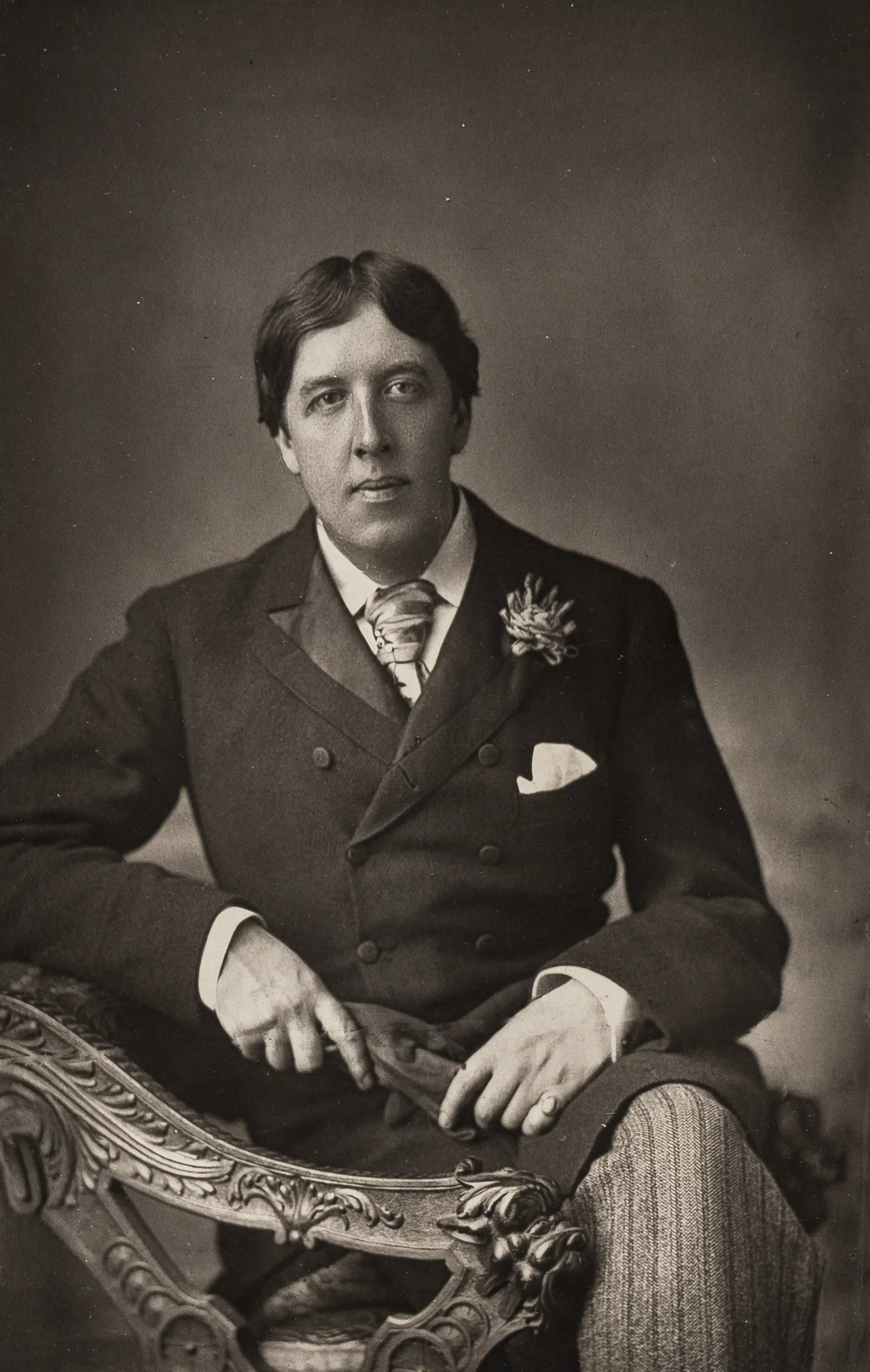
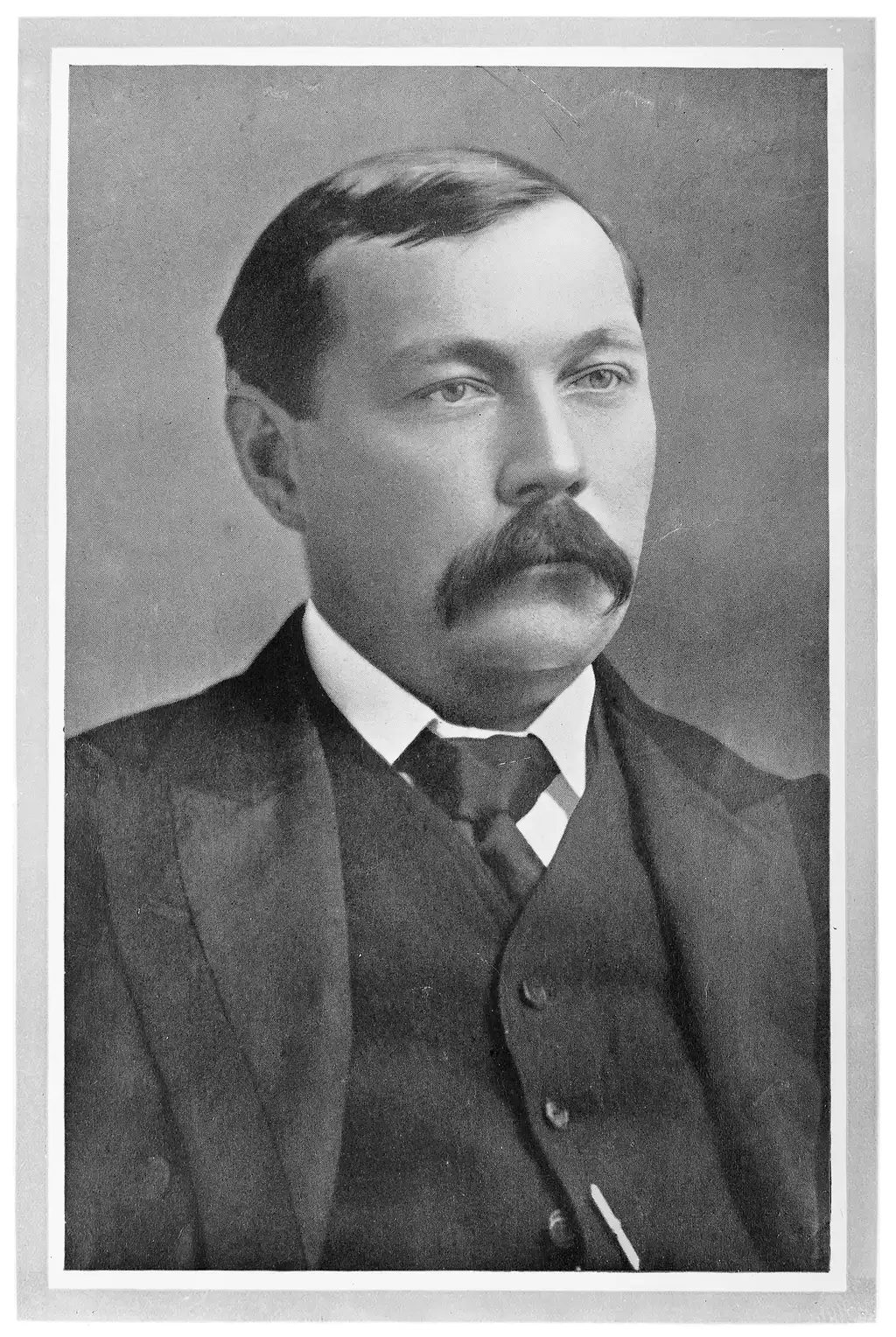
Sir Henry Irving, Oscar Wilde, Arthur Conan Doyle, Florence Balcombe, John Polidori
Relationships & Dating History
Bram Stoker's romantic life was defined by a single, lifelong partnership. He married Florence Balcombe on June 9, 1878, in London. Florence was a young woman whom Stoker had met earlier in Dublin; she had been courted by Oscar Wilde before accepting Stoker's proposal. Their marriage was reportedly happy and stable, lasting until Stoker's death. There were no children from this union. Florence was a significant influence on Stoker's life, serving as his confidante and editor. She later wrote about their life together and preserved many of his manuscripts. There are no other recorded romantic relationships or dating history for Bram Stoker. He remained monogamously married to Florence Balcombe from 1878 until his death in 1912. No public rumors or speculative pairings exist in credible historical records regarding other partners. At the time of his death, he was widowed following Florence's passing, though they remained married until his own death in 1912.
- MarriedFlorence Balcombe1878 - 1912Met in Dublin; she was previously courted by Oscar Wilde. Married until his death; no children.
Death & Aftermath
Died
April 20, 1912 (aged 64)
Death Place
London, England
Cause of Death
Exhaustion and chronic illness
Abraham Stoker passed away on April 20, 1912, at his residence at 26 St George's Square in South Kensington. His final years had been marked by a slow physical decline, likely stemming from the cumulative strain of managing the Lyceum Theatre while writing novels late into the night. Historical records indicate he suffered from exhaustion and chronic illness, with some retrospective medical analyses suggesting syphilis or cardiovascular issues as contributing factors, though no official autopsy confirmed these specific conditions during his lifetime. The death occurred quietly within his home, surrounded by family.
Tributes poured in from the theatrical and literary circles he served for decades, with peers acknowledging the enduring power of his work even as they mourned the man. Despite his high-profile career, the funeral was a private affair held shortly after his passing, attended only by close friends, family members including his wife Florence, and a select group of colleagues. He was buried in the West Cemetery section of Highgate Cemetery, resting near other notable figures of the Victorian era rather than commanding a massive public gathering.
In the decades since, the legacy of Bram Stoker has expanded far beyond the quiet London home where he died. Countless adaptations have brought his stories to new generations across film, television, and stage, including a recent 2026 Audible full-cast audio drama featuring Jonathan Bailey and Ella Purnell. Various halls of fame have recognized his contributions to horror literature, and foundations now exist to support aspiring writers and scholars of Gothic fiction. His estate remains under the care of descendants and literary trusts, ensuring the rights to his works continue to be managed and monetized globally.
Net Worth (Estate Value)
$25 Million
iFANN Editorial Team estimate
As a deceased individual, Bram Stoker does not have a personal net worth in the traditional sense. However, his estate's value is derived from the ongoing commercial success of Dracula. The primary source of income for the Stoker estate includes licensing fees for film, television, and stage adaptations of Dracula, sales of the book itself, merchandise, and audio dramas. In 2026, the estate earned significant revenue from the release of the Audible full-cast audio drama starring Jonathan Bailey and Ella Purnell, as well as various theatrical productions like Drunk Dracula and radio adaptations. Specific dollar figures for the estate's total value are not publicly disclosed, but the IP is estimated to be worth tens of millions of dollars annually in global licensing. The estate is managed by literary trusts and descendants who oversee copyright and licensing agreements. Research by the iFANN Editorial Team puts the estate's fortune at around $25 Million.
Awards Won (1)
Bram Stoker did not receive major modern awards such as Oscars, Emmys, or Grammys during his lifetime, as these ceremonies did not exist in his era. However, he received recognition for his contributions to literature and the arts. The Bram Stoker Awards, established in 1987 by the Horror Writers Association, are named in his honor and are considered the premier awards for horror fiction. He is frequently cited in Greatest Horror Writers lists and has been inducted into various halls of fame posthumously.
1987 · Lifetime Achievement
Posthumous Honor
Known For
Dracula
1897 · Author
Keywords
Sources
Quick Facts
- Profession
- writer, journalist, novelist
- Born
- November 8, 1847
- Birthplace
- Clontarf, Dublin
- Died
- April 20, 1912
- Death Place
- London, England
- Gender
- Male
- Spouse
- Florence Balcombe
- Birth Sign
- Scorpio
Personal Details
- Full Name
- Abraham Stoker
- Height
- 5 ft 9 in (175 cm)
- Spouse
- Florence Balcombe
- Children
- Education
- Trinity College Dublin
Frequently Asked Questions
What was Bram Stoker's real name?
Did Bram Stoker ever meet Vlad the Impaler?
How many books did Bram Stoker write?
Who was Bram Stoker's wife?
What is Bram Stoker famous for?
Social Media
Similar People
Join the community
fans discussing