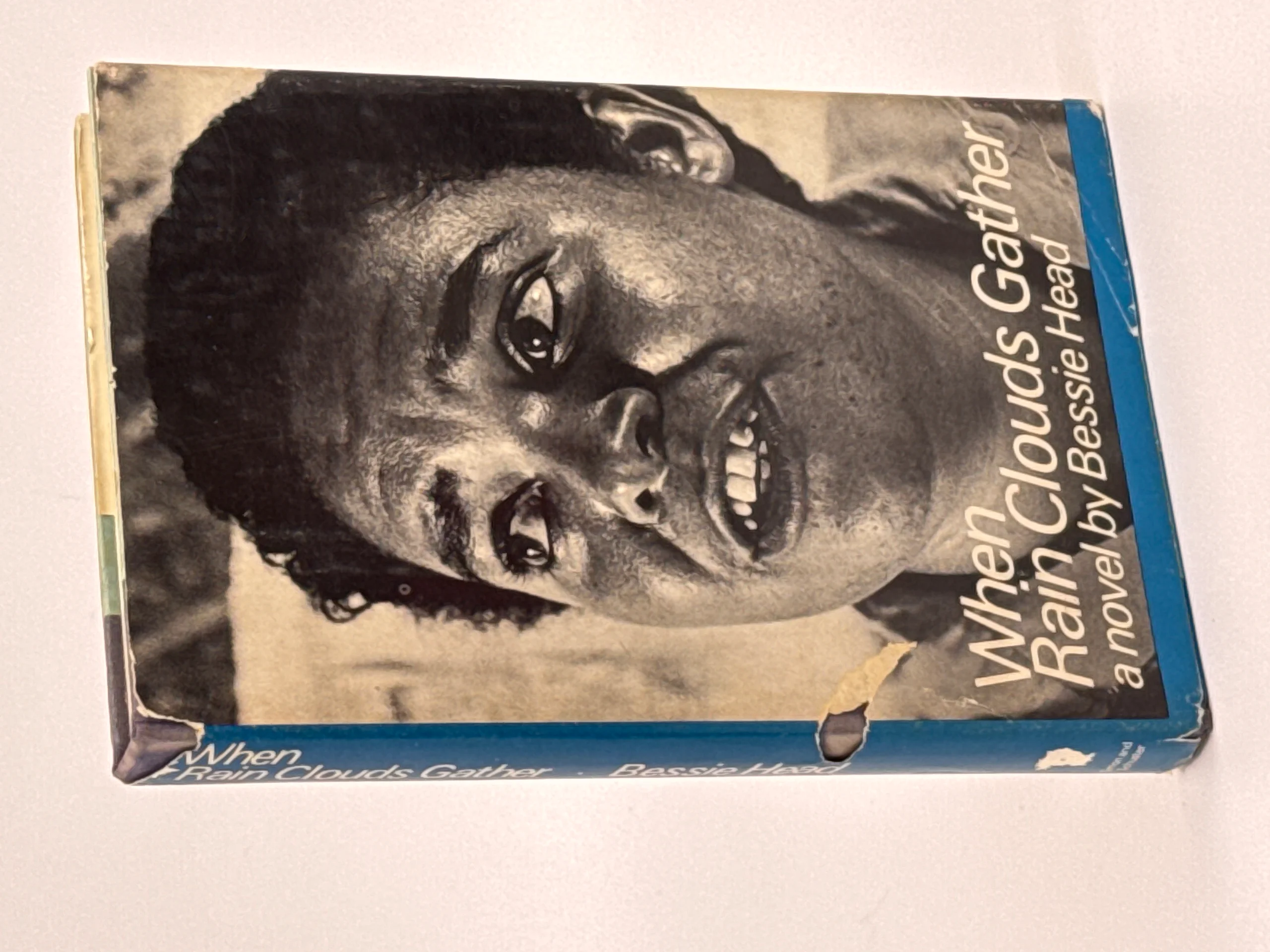
Bessie Head
 South Africa
Also known as: Bessie Amelia Emery Head, Bessie Head
Birthday
July 6, 1937
Birth Sign
Cancer
Birthplace
Pietermaritzburg, South Africa
Age
Died at 48
About
Bessie Amelia Emery Head was a South African-born writer who became Botswana's most influential literary voice. Born in the Fort Napier Mental Institution in Pietermaritzburg on July 6, 1937, she spent her adult life in exile in Botswana where she wrote novels, short stories, and autobiographical works marked by deep spiritual inquiry. Her major books include When Rain Clouds Gather (1968), Maru (1971), and A Question of Power (1973). She died on April 17, 1986, at the age of 48.
Her work frequently explored themes of exile, alienation, sexual oppression, and the search for identity. Despite a relatively small output, her influence endures with her works taught in universities worldwide and analyzed for their insights into gender and power. She transformed from an outcast refugee into what is described as Botswana's literary conscience.
Early Life & Background
Bessie Head's origins were steeped in the harsh realities of apartheid South Africa. She was born inside the Fort Napier Mental Institution in Pietermaritzburg because her white mother, Alice Emery, had been committed there after being declared insane for bearing a child with an unnamed black man. This traumatic birthplace defined her early years as she navigated a world that rejected her existence. She spent her childhood moving between foster care and living with her grandmother before returning to her mother's family.
Education proved difficult as she attended primary school in Pietermaritzburg but faced significant racial discrimination and the trauma of her family's situation. Despite these challenges, she developed a voracious appetite for reading and writing from a young age. By her late teens, she had already begun working as a journalist, becoming one of the first black women to enter the field in South Africa. She worked for the Durban Indian Chronicle and later the African National Congress newspaper, honing her skills in reporting on social injustice while the oppressive environment of apartheid closed in around her.
Career Growth
Head's career began in earnest during her time as a journalist in South Africa, but it was her move to Botswana that defined her literary legacy. In 1964, fleeing persecution and the threat of imprisonment under apartheid laws, she fled to Serowe, Botswana, then a British protectorate. She settled there as a refugee, living in relative isolation in a small house with her son, Francis. It was in this period of exile that she wrote her most famous works.
Her breakthrough came with the publication of When Rain Clouds Gather in 1968. The novel, set in a fictional village in Botswana, tells the story of a political exile who helps transform the community through modern farming techniques. It was critically acclaimed and established her as a major voice in African literature. Following this success, she published Maru in 1971, a novel exploring racial prejudice and the power of love across racial lines. Her most personal and controversial work, A Question of Power, was published in 1973. Semi-autobiographical, the novel details a severe mental breakdown and hospitalization, offering a raw exploration of psychological power dynamics and spiritual struggle.
In 1981, she published Serowe: Village of the Rain Wind, a non-fiction work documenting the history and culture of the village where she lived. Her final collection, The Collector of Treasures and Other Botswana Village Tales, was published posthumously in 1984. Her impact on African literature is immense, bridging two cultures with honesty and grace while giving voice to the marginalized.
Career Timeline
Public Image & Style
Bessie Head is portrayed as a tragic yet resilient figure, a writer who gave voice to the marginalized and who bridged two cultures with honesty and grace. Her image is one of quiet strength and intellectual depth, often associated with the harsh beauty of the Botswana landscape. Media portrayals emphasize her role as a feminist pioneer and a critic of colonialism. Descriptions from those who knew her often emphasize her quiet demeanor, intellectual intensity, and the rugged simplicity of her life in the Botswana bush.
Fame & Fandom (iFAMOUS Rankings)
Bessie Head cultivated a devoted following distinct from modern celebrity culture, rooted in academic study and literary preservation rather than commercial fandom. Her audience consists primarily of scholars, students, and readers engaged with African literature who analyze her themes of exile, alienation, and spiritual inquiry. While she never inspired organized fan clubs or viral social media campaigns during her lifetime, the dedication to her legacy manifests through institutional tributes and archival initiatives. Notable efforts include the 2023 preservation of her literary archives and the establishment of a computer laboratory at the University of Cape Town in her memory. These actions reflect a community committed to protecting her work rather than a grassroots consumer movement driven by chart pushes or birthday billboards. The concept of a specific collective moniker for her supporters does not exist; her influence is measured by her enduring presence in Southern African curricula and critical discourse. Her biographical narrative, spanning birth in an asylum to flight from apartheid and eventual recognition as Botswana's most influential writer, serves as the central mythology for her readership. Despite this profound cultural impact, iFANN's Global Fame Engine has evaluated her status without assigning a placement in the published rankings. She currently holds no position within the Global Top 1,000 or any Top-100 scope list defined by the organization.
Interesting Facts and Legends
Bessie Head was born in a mental institution, a fact that shaped her entire worldview and literary output. She was the first black woman journalist in South Africa, a groundbreaking achievement given the era's racial restrictions. Her novel A Question of Power is considered one of the most honest depictions of mental illness in African literature. Despite her fame today, she lived in relative obscurity in Botswana until her death, often working in isolation. Her garden in Serowe is now a site of pilgrimage for fans and scholars, symbolizing her connection to the land and her critique of colonialism.
Notable Quotes
“I am a writer because I have to write. I have no choice.”
“The world is a place where you can find everything you need if you look hard enough.”
“Exile is a state of mind, not just a place.”
Family & Personal Life
Bessie Head's personal life was marked by solitude and a lack of traditional romantic partnerships. She moved to Botswana with her young son, Francis, whom she had while still in South Africa. The identity of Francis's father remains largely unconfirmed in public records. There are no documented marriages or long-term romantic relationships in her adult life in Botswana. She lived alone with her son in Serowe, cultivating a garden and maintaining a small circle of friends and fellow writers. Her relationship with her son, Francis, was central to her life. He was her companion and support system during her years of exile. After her death, Francis continued to manage aspects of her legacy.
Notable Connections
Relationships & Dating History
Bessie Head's personal life was marked by solitude and a lack of traditional romantic partnerships. She moved to Botswana with her young son, Francis, whom she had while still in South Africa. The identity of Francis's father remains largely unconfirmed in public records, though some sources suggest he may have been a white man she knew in South Africa, or a black man she met there. There are no documented marriages or long-term romantic relationships in her adult life in Botswana. She lived alone with her son in Serowe, cultivating a garden and maintaining a small circle of friends and fellow writers. Her relationship with her son, Francis, was central to her life. He was her companion and support system during her years of exile. After her death, Francis continued to manage aspects of her legacy. There is no evidence of other children or public dating history. Her life was characterized by a deep introspection and a focus on her writing rather than romantic pursuits.
Death & Aftermath
Died
April 17, 1986 (aged 48)
Death Place
Serowe, Botswana
Cause of Death
Liver failure attributed to hepatitis
Bessie Head died on April 17, 1986, in Serowe, Botswana, at the age of forty-eight. The official cause of death was liver failure resulting from hepatitis, a condition attributed to chronic alcoholism and associated health complications according to hospital statements and family reports. Her final days were spent living with her son, though specific details regarding whether she received care or remained alone during that period are not documented in public sources. Public reaction to her passing was immediate and profound, cementing her status as Botswana's most influential literary voice. Tributes poured in from peers and institutions across Africa and the diaspora, recognizing her unique contribution to post-colonial literature. Her funeral was a private affair held in Serowe shortly after her death, with burial taking place in the town where she had lived for two decades.
Public details regarding the specific time, location within the town, or notable attendees beyond her family remain undocumented. Posthumously, her influence expanded through various institutional dedications and continued publication of her archives. In 2003, the University of Cape Town opened the Bessie Head Computer Laboratory to honor her contributions to literature and education. Her estate remains active under the management of her heirs and literary executors, ensuring her works stay in print globally. A detailed biography titled Thunder Behind Her Ears by Gillian Stead Eilersen was published in 2018, providing further scholarly account of her life.
Net Worth (Estate Value)
$0
iFANN Editorial Team estimate
Bessie Head passed away in 1986, so she did not accumulate personal wealth in the modern sense. Her estate value is managed posthumously through royalties, licensing of her works, and ongoing academic interest in her writings. The iFANN Editorial Team estimates her estate's current value based on the enduring sales of her books and the academic demand for her archives. Revenue streams include book royalties from publishers globally, rights management for adaptations, and merchandise related to her legacy. Major financial events include the publication of her biography in 2018 and the continued sale of her collected works. The estate's trajectory has remained stable, reflecting her status as a foundational figure in African literature rather than a high-volume commercial entity. No major estate disputes have been recorded, and her son Francis played a key role in managing her affairs until his own passing.
Awards & Accolades
View 2 records, honours and achievementsKnown For
When Rain Clouds Gather
1968 · Author
Maru
1971 · Author
A Question of Power
1973 · Author
Keywords
Sources
Quick Facts
- Profession
- novelist, journalist, writer
- Born
- +1937-07-06
- Birthplace
- Pietermaritzburg
- Died
- +1986-04-17
- Death Place
- Serowe
- Gender
- Female
- Birth Sign
- Cancer
Personal Details
- Full Name
- Bessie Amelia Emery Head
- Children
- Francis Head
- Education
- Primary school in Pietermaritzburg
Frequently Asked Questions
Where was Bessie Head born?
What caused Bessie Head's death?
What is Bessie Head's most famous book?
Why did Bessie Head move to Botswana?
Is Bessie Head still alive?
Similar People
Join the community
fans discussing