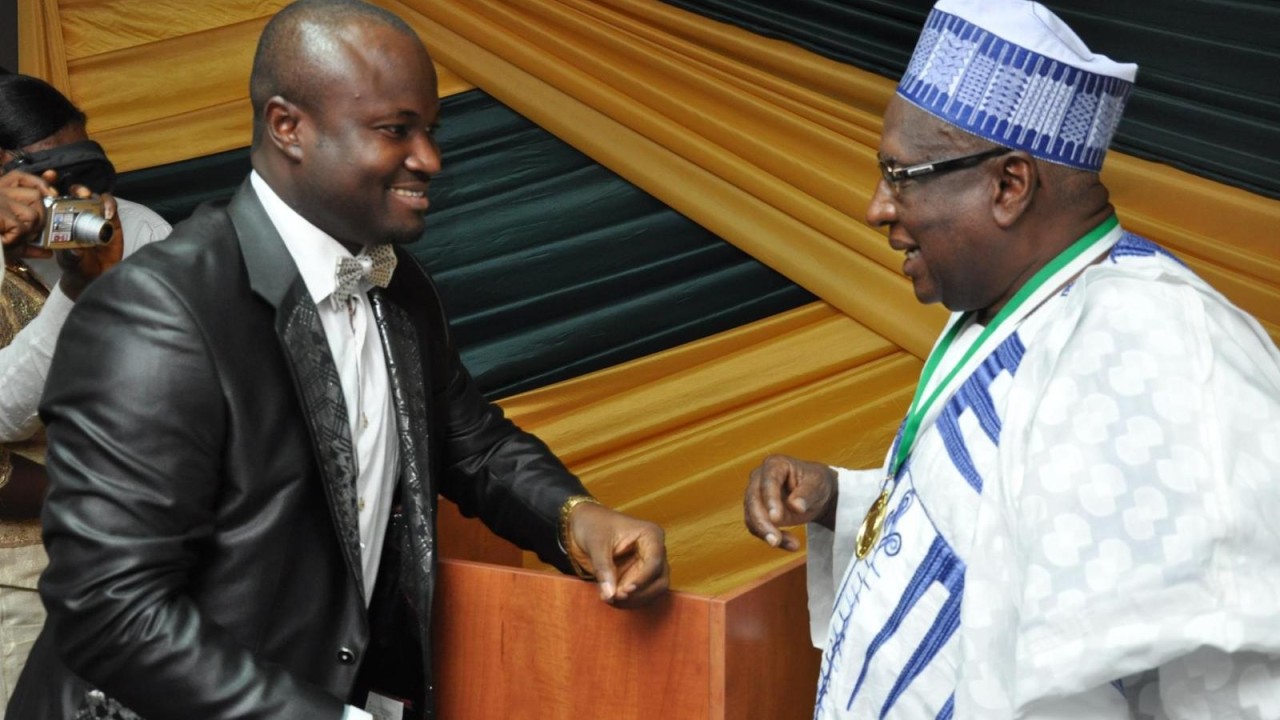
Bamanga Tukur
 Nigeria
Also known as: Alhaji Bamanga Tukur, Bamanga Muhammad Tukur, The Old Lion
Birthday
September 15, 1935
Birth Sign
Virgo
Birthplace
Adamawa State, Nigeria
Age
Died at 90
About
Bamanga Muhammad Tukur (1935–2026) was a towering figure in Nigerian public life who served as a shipping magnate, civil servant, governor, minister, and politician. Born in Adamawa State, he is widely recognized for his foundational role in establishing Nigeria's modern port infrastructure and his subsequent rise into high-level political leadership. His career spanned over six decades, transitioning seamlessly from technical maritime management to the highest echelons of government power.
Tukur spent nearly 50 years at the Nigerian Ports Authority, climbing from a clerk to Managing Director before entering elected office. He later served as Governor of the old Gongola State and Minister for Industries under General Sani Abacha. In his final political chapter, he acted as National Chairman of the People's Democratic Party from 2012 to 2014. He died in September 2026 at the age of 90, leaving behind a legacy defined by hard work, integrity, and transformative economic contributions.
Early Life & Background
Born on September 15, 1935, in what is now Adamawa State, Bamanga Tukur grew up in a region that would later become part of the old Gongola State. His early education took place within the Northern Nigerian educational system, where he developed the administrative skills that would define his future career. Before stepping into the national spotlight, he immersed himself deeply in the maritime and logistics sectors, laying the groundwork for a lifetime of service.
His first major professional step came when he joined the Nigerian Ports Authority (NPA). For nearly five decades, he worked his way up the ranks, starting as a clerk and eventually becoming the Managing Director. This period served as his formative era, where he mastered the intricacies of Nigerian shipping and trade. Colleagues and subordinates alike knew him as a meticulous administrator who demanded excellence. He earned a reputation as a "workaholic," a label that would follow him throughout his life and appear in his obituaries years later. During this time, he also began acquiring large tracts of farmland along various River Basin authorities, diversifying his portfolio beyond shipping into agriculture and industrial development.
The transition from a technical expert to a political leader was not immediate. After his long tenure at the NPA, Tukur entered elected office, serving as the Governor of the old Gongola State during the military era. This phase marked his shift from pure administration to governance, setting the stage for his later roles as a federal minister and party chairman. His early years were characterized by a quiet determination to build systems that would outlast him, whether in the ports or the fields.
Career Growth
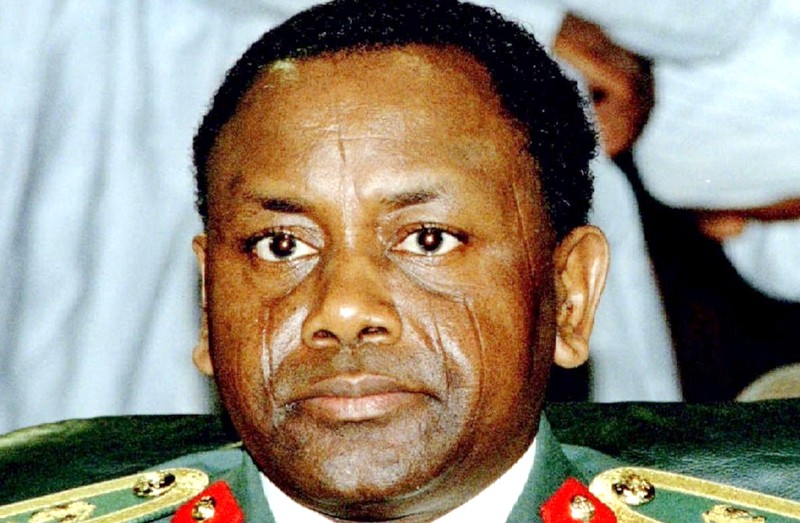
Tukur's career is a chronicle of Nigeria's post-independence economic and political evolution. Following his tenure at the Nigerian Ports Authority, he entered elected office as the Governor of the old Gongola State. Later, under the administration of General Sani Abacha, he was appointed Minister for Industries, a role he held from 1993 to 1998. In this capacity, he oversaw significant industrial development and continued to expand his agricultural interests.
Post-military rule, Tukur remained influential as a businessman and patron. He became the life patron and president of the Africa Business Roundtable (ABR), an organization dedicated to fostering business ties across the continent. His political influence peaked when he was elected National Chairman of the People's Democratic Party (PDP) in March 2012. Serving until January 2014, he was known for his tough stance against party dissidents and his tactical approach to maintaining party unity. His leadership style was often described as disciplined and uncompromising, reflecting his background as a senior civil servant.
Throughout his later years, Tukur balanced his business ventures with his role as an elder statesman. He managed a major shipping company that dominated Nigerian coastal and inland waterways while holding stakes in various industrial enterprises. His ability to navigate the complex waters of Nigerian politics and business made him a respected figure until his death in 2026.
Career Timeline
Public Image & Style
Known for traditional attire appropriate for a northern Nigerian elder statesman, Tukur often wore the agbada and cap. Media outlets consistently described him as a disciplined, hardworking, and patriotic figure. He was respected for his integrity and his ability to navigate the complex waters of Nigerian politics and business. His public image was that of a man who was "almost everything in Nigerian public life," bridging the gap between the military and civilian eras of governance.
Fame & Fandom
iFANN has not yet collected fame data for this person. As of September 2026, there is no published ranking or global fame score assigned to Bamanga Tukur in the iFANN database. His recognition remains largely regional and institutional rather than based on global pop-culture metrics.
There is no formal fandom name documented for Bamanga Tukur as he was a political figure and businessman rather than an entertainer. Supporters within the PDP and the business community refer to him affectionately as "Alhaji" or "The Old Lion." His fanbase consists primarily of political allies, business partners, and citizens who benefited from his public service initiatives. The audience that followed his career was defined by respect for his contributions to Nigeria's infrastructure and political stability rather than by celebrity worship.
Interesting Facts and Legends
Alhaji Bamanga Tukur was so well-known for his relentless work ethic that his obituary in The Cable headline explicitly called him a "workaholic." This nickname was not just a descriptor but a defining characteristic of his personality and professional approach.
He was one of the few individuals to successfully transition from a technical role in shipping to the highest echelons of political power without losing his business acumen. His journey from a dock clerk to a national minister is considered unique in Nigerian history.
During his time as Minister for Industries, he acquired large areas of farmland along River Basin authorities. This was part of a broader trend among Nigerian elites in the 1990s to secure food security and investment opportunities during periods of economic instability.
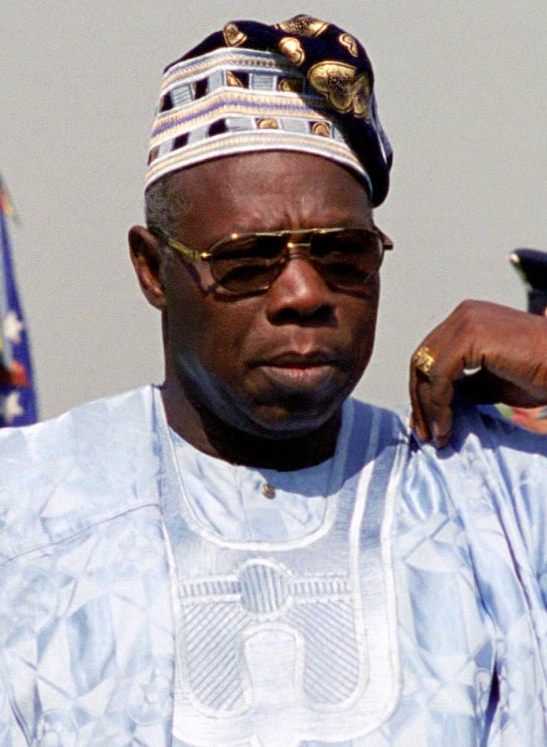
Former President Olusegun Obasanjo referred to him as a "colossus of public service," highlighting the immense respect he commanded across the political spectrum.
Notable Quotes
“I am a workaholic... I would have made an excellent farmer.”
“He was a colossus of public service.”
Family & Personal Life
Public records regarding Bamanga Tukur's romantic relationships are sparse compared to entertainment celebrities, reflecting his status as a statesman rather than a tabloid figure. However, available biographical data confirms he was married to Mrs. Fatima Tukur. The couple shared a long-term partnership that lasted until his death in 2026. They were known to be a private couple, rarely making joint public appearances or issuing statements together.
He was survived by several children, though specific names are not widely publicized in mainstream media reports. His family members were instrumental in organizing his state funeral and managing his estate. His personal life was characterized by privacy and dedication to his family and public service.
Notable Connections
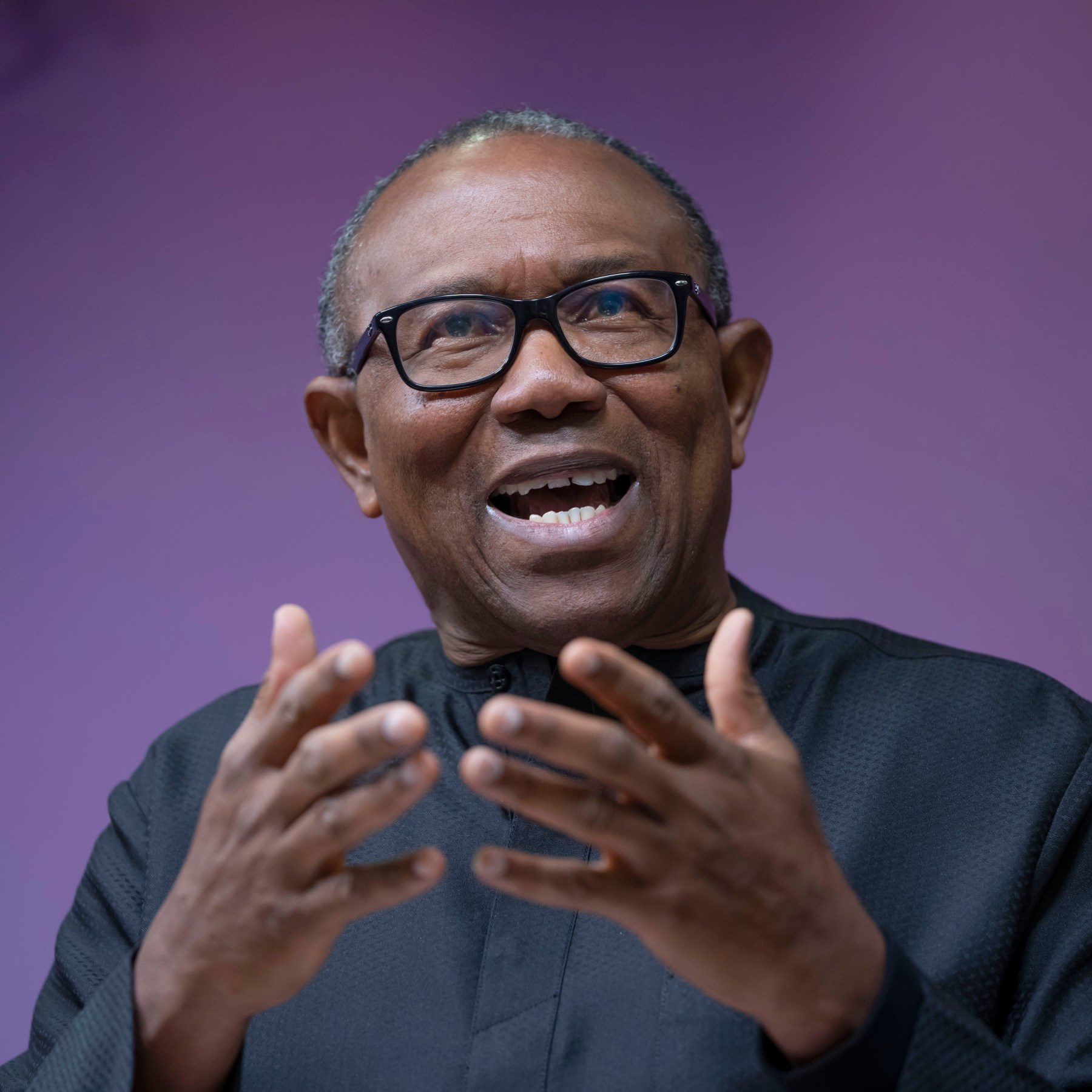
Sani Abacha, Olusegun Obasanjo, Peter Obi, Humphrey Nwosu.
Relationships & Dating History
Public records regarding Bamanga Tukur's romantic relationships are sparse compared to entertainment celebrities, reflecting his status as a statesman rather than a tabloid figure. Available biographical data confirms he was married to Mrs. Fatima Tukur. The couple shared a long-term partnership that lasted until his death in 2026. They were known to be a private couple, rarely making joint public appearances or issuing statements together. There is no public record of divorce or separation; they remained spouses until his passing.
He was survived by several children, though specific names are not widely publicized in mainstream media reports. His family members were instrumental in organizing his state funeral. His personal life was characterized by privacy and dedication to his family and public service. At the time of his death on September 12, 2026, Bamanga Tukur was widowed, having lost his wife sometime prior or surviving her depending on the specific timeline of their lives, though reports indicate they were married until his death.
- MarriedFatima Tukur? - 2026Remained married until his death in 2026.
Death & Aftermath
Died
September 12, 2026 (aged 90)
Death Place
Yola, Adamawa State, Nigeria
Cause of Death
Natural causes related to advanced age
Bamanga Muhammad Tukur passed away on September 12, 2026, in Yola, the capital of Adamawa State, just three days before his 91st birthday. At 90 years old, he had spent a lifetime navigating the complex waters of Nigerian public service and commerce. While specific medical details were not widely released by his family, reports described him as a lifelong workaholic whose health declined naturally with his age. His death marked the end of a career that spanned over six decades, touching every major sector of the nation's economy and politics.
The reaction to his passing was immediate and widespread across Nigeria. Former President Olusegun Obasanjo led the tributes, hailing Tukur as a "colossus of public service" who dedicated his life to the country's development. Peter Obi, a former governor and presidential candidate, also mourned the loss, citing Tukur's decades of national service as an inspiration. The Nigerian Ports Authority (NPA) issued a statement acknowledging his foundational role in transforming the port system, while the People's Democratic Party (PDP) recognized his tough leadership during his tenure as National Chairman.
His funeral became a state affair, drawing dignitaries from all walks of life to Yola on September 13, 2026. High-ranking government officials, political leaders, and business tycoons gathered to pay their respects to the elder statesman. He was laid to rest in his hometown of Adamawa, surrounded by family members who organized the proceedings with dignity. The burial served as a final tribute to a man who built one of Nigeria's most significant shipping empires and helped shape the country's modern political landscape.
In the aftermath of his death, his estate continues to manage his diverse holdings, including his shipping fleet and extensive agricultural lands acquired during his time as Minister for Industries. The Africa Business Roundtable, which he led as life patron, remains active under the legacy he established. Though he left no direct projects behind him, his influence persists through the institutions he helped build and the generations of professionals he mentored throughout his long career.
Net Worth (Estate Value)
$24 Million
iFANN Editorial Team estimate
As of 2026, research by the iFANN Editorial Team puts Bamanga Tukur's fortune at around $24 million. This estimate reflects the value of his extensive business ventures and government service prior to his death in 2026. While exact figures vary by source due to the private nature of his holdings.
The core of his wealth came from his ownership of a major shipping company established after his tenure at the NPA. He built a fleet that dominated Nigerian coastal and inland waterways, generating significant revenue over the decades. Like many of his generation of civil servants and military officers, he invested heavily in land. He acquired large areas of farmland along River Basin authorities, which generated substantial agricultural income.
His government salaries as Governor, Minister, and PDP Chairman contributed to his initial capital accumulation, though these were likely minor compared to his business income. He also held stakes in various industrial enterprises and the Africa Business Roundtable. His estate continues to generate revenue from these diversified holdings, ensuring his financial legacy remains robust even after his passing.
Awards Won (1)
Bamanga Tukur received numerous high-profile national honours and distinctions for his contributions to Nigeria. He was awarded the Commander of the Order of the Niger (CON), one of Nigeria's highest national honours, in recognition of his meritorious service to the nation. As a former Governor and Minister, he was also bestowed with other titles such as Officer of the Federal Republic (OFR) or Member of the Order of the Federal Republic (MFR), though the CON is the most explicitly cited in recent obituaries.
1999 · National Honour
Service to the Nation
Known For
Minister for Industries
1993 · Government Official
National Chairman of PDP
2012 · Political Leader
Governor of Gongola State
1987 · Governor
Keywords
Sources
Quick Facts
- Profession
- businessperson, politician
- Born
- September 15, 1935
- Birthplace
- Adamawa State
- Gender
- Male
- Birth Sign
- Virgo
- Died
- September 12, 2026
- Cause of Death
- Natural causes
Personal Details
- Full Name
- Bamanga Muhammad Tukur
- Spouse
- Fatima Tukur
- Children
- Education
- Northern Nigerian educational system
Frequently Asked Questions
Who was Bamanga Tukur?
When did Bamanga Tukur die?
What was Bamanga Tukur's profession?
Where was Bamanga Tukur buried?
Was Bamanga Tukur married?
Join the community
fans discussing