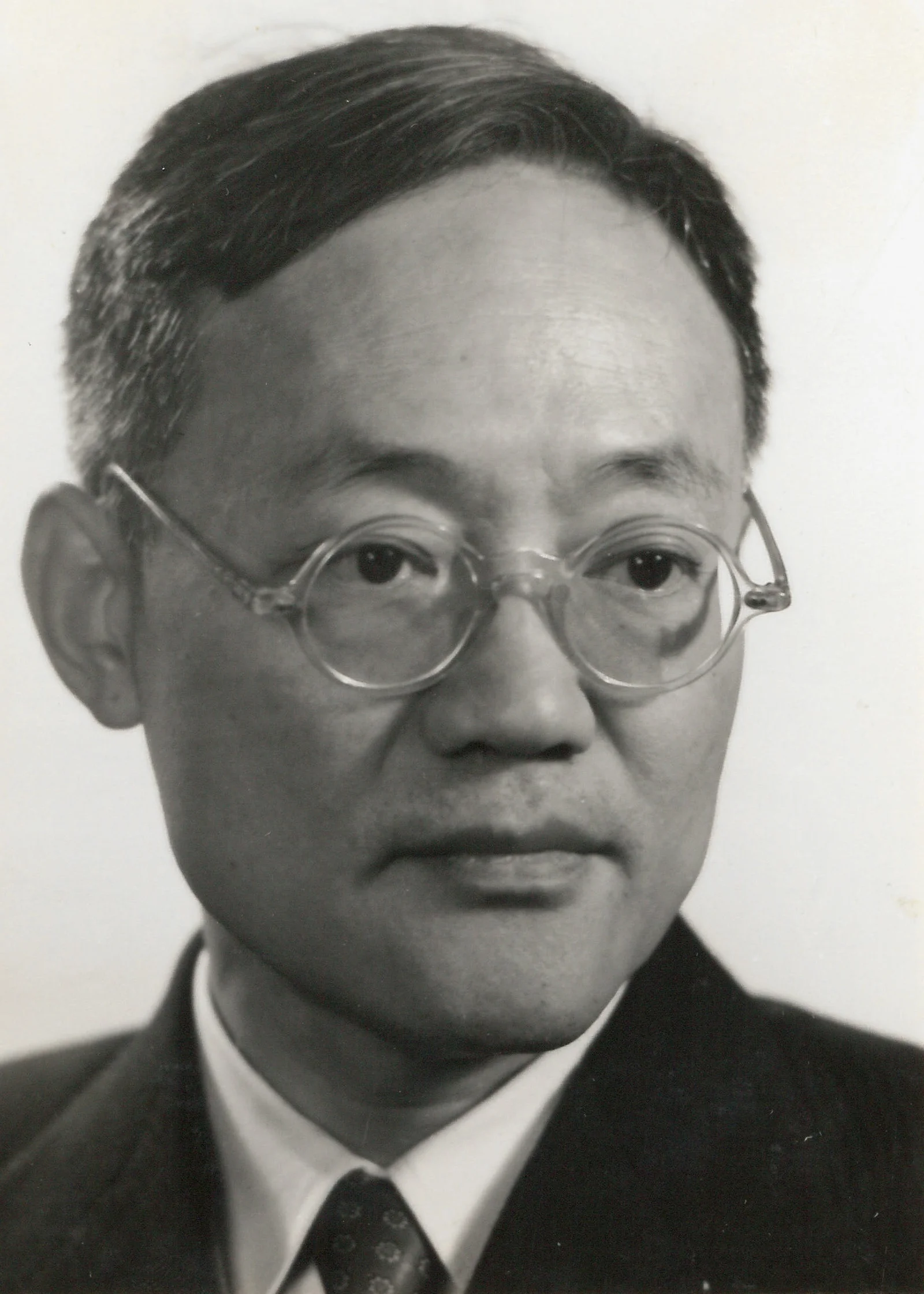
Ba Jin
 China
ChinaAlso known as: Li Yaotang, Li Feigan, Pa Chin, Pa Kin
Birthday
November 25, 1904
Birth Sign
Sagittarius
Birthplace
Chengdu, Sichuan, China
Age
Died at 100
About
Ba Jin, born Li Yaotang in Chengdu in 1904, was one of modern China's most influential writers, translators, and political activists. He is best known for the Torrents trilogy, starting with The Family in 1931, which dramatized the collapse of a feudal clan and became a rallying cry for the nation's youth. A committed anarchist in his youth, he championed individual freedom and social justice throughout his long career, and he also wrote three original works in Esperanto. Though he died in 2005 at age 100, his literary legacy remains a cornerstone of Chinese letters, and his later confessional memoir, Random Thoughts, solidified his reputation as a moral conscience. His works continue to be studied and admired worldwide.
Early Life & Background
Ba Jin was born into a wealthy gentry family in Chengdu, Sichuan, at the tail end of the Qing dynasty. His upbringing exposed him directly to the oppressive patriarchal clan system, with its arranged marriages and subjugation of women, experiences that would later fuel his fiction. He received a classical Confucian education before encountering Western ideas, including anarchism and socialism, which shaped his worldview. In his twenties, he learned Esperanto, a language he used to connect with a global community of idealists. He left Chengdu for Shanghai and then traveled to France in the 1920s, where he absorbed radical political thought and began publishing essays and short fiction influenced by anarchist ideology. At age 30, in 1934, he wrote his autobiography, documenting his early life and political awakening.
Career Growth
Ba Jin's breakthrough came in 1931 with the publication of The Family, the first novel in his Torrents trilogy. He followed it with Spring in 1938 and Autumn in 1940, completing a trilogy that vividly depicted the breakdown of a feudal clan and the 1920s thirst for reform. These novels achieved widespread popularity and remain his most famous works. Throughout the 1930s and 1940s, he published dozens of novels, short stories, and essays, establishing himself as one of China's most popular writers. After the establishment of the People's Republic in 1949, he held prominent cultural positions and continued writing and translating, producing Chinese translations of Turgenev and Pushkin. During the Cultural Revolution (1966–1976), he was persecuted and silenced. He returned to writing in the late 1970s with Random Thoughts, a searing confession that earned him renewed respect both in China and internationally.
Career Timeline
Public Image & Style
Ba Jin is remembered as the moral conscience of modern Chinese literature. His public image is that of a writer who championed individual freedom and social justice, first against the feudal family system and later against the excesses of the Cultural Revolution. His confessional work Random Thoughts is particularly significant for its honesty about his own complicity with the regime. He is celebrated for his introspective and impassioned literary tone, and his works continue to be studied in academic contexts. No official fandom name or fan-culture rituals are documented, but his legacy is maintained through institutions like the Ba Jin Library in Shanghai.
Fame & Fandom (iFAMOUS Rankings)
Ba Jin's global renown rests on his towering presence in modern Chinese literature, a figure whose works and moral example have been studied, translated, and debated for decades. Yet as of August 2026, iFANN's Global Fame Engine has evaluated his standing but does not place him in its published rankings, neither the Global Top 1,000 nor any Top-100 scope list. This is a neutral observation, not a judgment on his importance; his fame is real but concentrated in literary and academic spheres rather than the broad, contemporary celebrity metrics that dominate global rankings.
His fanbase, such as it exists, has no formal name. There is no organized fandom, no community with a shared label, no documented fan campaigns or rituals. The audience for Ba Jin is composed of readers, scholars, and students of Chinese literature, devotees, yes, but not a self-identified fan community. They engage with his work through academic conferences, library exhibitions, and the ongoing republication of his novels, not through fan art or hashtags.
His legacy is kept alive by institutions like the Ba Jin Library, which opened in 2024, and by the continued relevance of his critiques of family and authority. The absence of a flashy fandom does not diminish the depth of his impact; it simply reflects the nature of his readership, serious, global, and enduring.
Interesting Facts and Legends
Ba Jin's pen name derives from the Chinese transliteration of anarchist thinkers Bakunin and Kropotkin, a nod to his youthful anarchist convictions. He wrote three original works in Esperanto, a reflection of his linguistic dedication. He often downplayed his achievements, calling himself merely 'a writer who followed his conscience.' Some Chinese sources report his age at death as 101, using traditional age reckoning, while Western sources say 100. His autobiography, written in 1934 when he was only 30, is a significant early work. He survived the Cultural Revolution, enduring a decade of literary silence before his eventual comeback.
One iconic moment in his legacy came in November 2024, when the Chinese government commemorated the 120th anniversary of his birth with library exhibitions, and officials hailed his legacy as 'a rich treasure house of the Chinese people's spirit', a rare official acknowledgment that underscores his lasting cultural weight. Another layer of lore involves his later-life embarrassment over his years of boosterism for a system that had rewarded him, a self-critical reflection that adds a deeply human dimension to his biography.
Family & Personal Life
Ba Jin married Xiao Shan, who was his lifelong partner. Their marriage endured through the difficult years of the Cultural Revolution, though details of their wedding and family life are not widely documented. No children are mentioned in available sources. Ba Jin's family background was that of a wealthy gentry clan, and his experiences within it informed his critique of traditional Chinese society. He grew up with the patriarchal clan system, which he later condemned in his fiction.
Notable Connections
Ba Jin was associated with the anarchist thinkers Bakunin and Kropotkin, whose names formed his pen name. He translated works by Russian authors Turgenev and Pushkin into Chinese. His wife, Xiao Shan, was his lifelong partner. His literary legacy is preserved by the Ba Jin Library in Shanghai, which opened in 2024.
Relationships & Dating History
Ba Jin's only known relationship was with Xiao Shan, whom he married at some point before the Cultural Revolution. Their marriage lasted for decades, through the difficult years of persecution and silence. Xiao Shan was his lifelong partner, and they remained together until her death, which occurred before Ba Jin's own passing in 2005. At the time of his death, Ba Jin was a widower. No other public relationships are documented.
- MarriedXiao ShanBa Jin's wife and lifelong partner; they remained married until her death.
Death & Aftermath
Died
October 17, 2005 (aged 100)
Death Place
Shanghai, China
Cause of Death
Malignant mesothelioma
Ba Jin passed away on October 17, 2005, at Shanghai First People's Hospital. He was 101 years old and had been battling malignant mesothelioma for six years before his death. His final years were spent largely out of the public eye as his health declined, preventing him from engaging in public duties during the last stages of his illness. Tributes poured in from literary peers, government officials, and institutions across China and internationally. State media outlets published extensive obituaries honoring him as the grand old man of Chinese literature and a critic of traditional family structures. While specific details of fan vigils remain undocumented, the literary community observed moments of silence and reflection following his passing.
A funeral service was held shortly after his death, attended by high-ranking officials and fellow writers, and his cremation took place in accordance with modern Chinese customs. Posthumously, Ba Jin's legacy has been honored through various means, including the opening of the Ba Jin Library in Shanghai in 2024 to commemorate the 120th anniversary of his birth. New editions of his works and scholarly analyses continue to explore his literary impact, while awards and honors have been bestowed in his name by institutions like the Chinese Writers Association. His estate remains under the stewardship of his heirs, ensuring his literary contributions continue to influence future generations.
Net Worth (Estate Value)
$10 Million
iFANN Editorial Team estimate
Ba Jin was a state-supported writer in the People's Republic of China rather than a commercial author, so precise net worth figures are not available. His estate, managed by his literary heirs, continues to earn royalties from his extensive body of work, including the Torrents trilogy and Random Thoughts, which remain in print and are widely studied. iFANN currently estimates his estate's value at $10 million, reflecting ongoing sales and licensing of his works. His legacy is also preserved through the Ba Jin Library, which opened in 2024, ensuring continued cultural and financial interest in his writings.
Awards & Accolades
View 2 records, honours and achievementsKnown For
The Family
1931 · Author
Spring
1938 · Author
Autumn
1940 · Author
Random Thoughts
1978–1986 · Author
Keywords
Sources
Quick Facts
- Profession
- writer, translator, Esperantist
- Born
- November 25, 1904
- Birthplace
- Chengdu
- Died
- October 17, 2005
- Death Place
- Shanghai
- Gender
- Male
- Spouse
- Xiao Shan
- Birth Sign
- Sagittarius
- Notable Works
- The Family, Spring, Autumn, Random Thoughts
Personal Details
- Full Name
- Li Yaotang
- Spouse
- Xiao Shan
- Education
- Classical Confucian education; self-taught in Western philosophy and Esperanto
Frequently Asked Questions
What did Ba Jin write?
Why is Ba Jin important?
What does the name Ba Jin mean?
Was Ba Jin an anarchist?
How old was Ba Jin when he died?
Similar People
Join the community
fans discussing