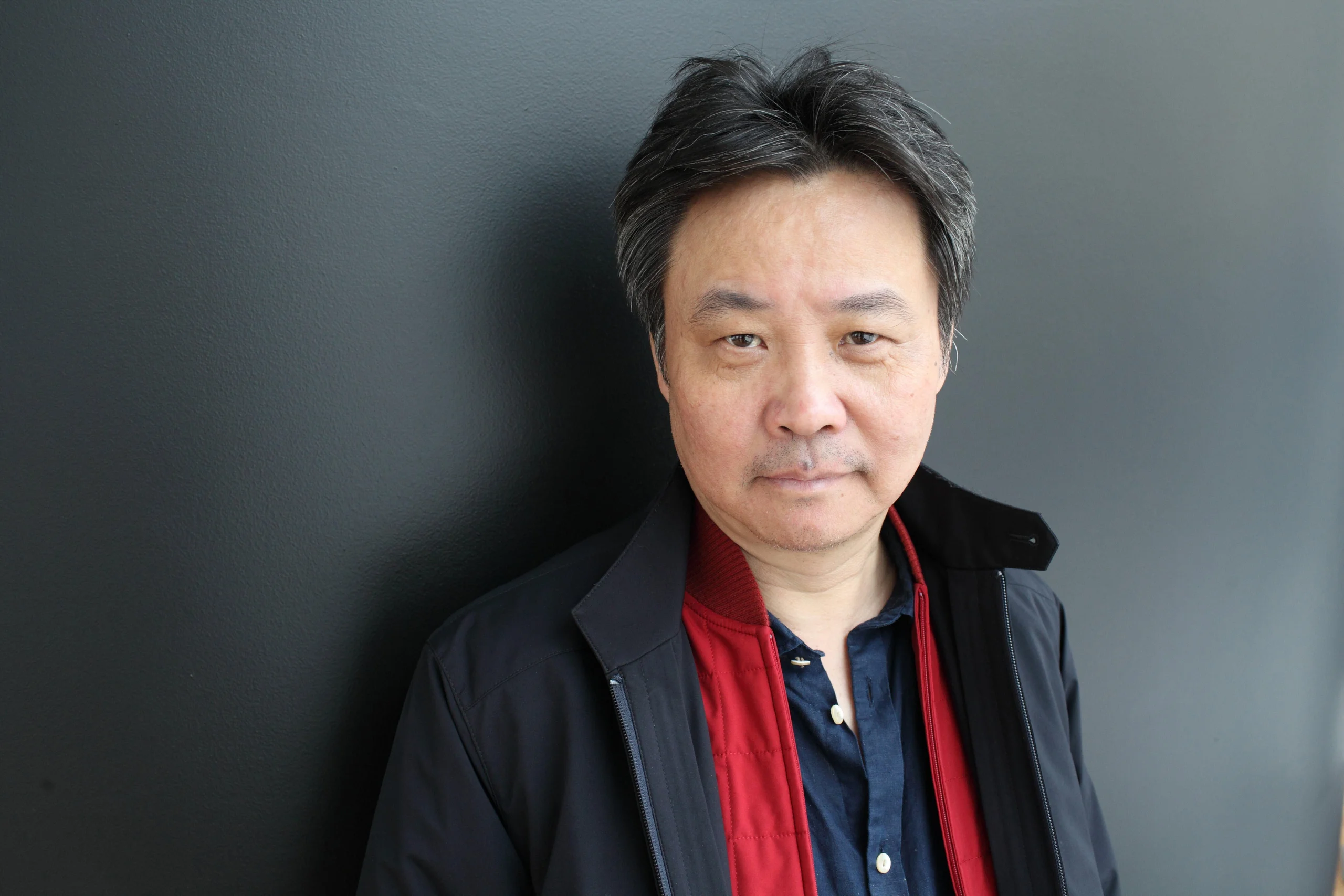
Yu Hua
 China
ChinaNovelist•essayist•screenwriter
Birthday
April 3, 1960
Birth Sign
Aries
Birthplace
Hangzhou, Zhejiang, China
Age
66 years old
About
Yu Hua is one of China's most celebrated living novelists and essayists, born on April 3, 1960, in Hangzhou. He is widely recognized for his sharp, darkly comic explorations of history and human nature, often blending avant-garde techniques with emotionally resonant storytelling. His works have sold roughly nine million copies and been translated into more than twenty languages, making him a vital bridge between Chinese literature and global audiences.
His 1993 novel To Live stands as his most famous work, winning the Prix Courrier International and inspiring a celebrated film by Zhang Yimou. Other major novels include Chronicle of a Blood Merchant (1995), Brothers (2005–06), The Seventh Day (2013), and City of Fiction (2025). As of 2026, Yu Hua remains actively engaged in the literary world, participating in international events and continuing to write from his home in Beijing.
Early Life & Background
Growing up in the coastal city of Haiyan, Yu Hua was surrounded by medicine: both his parents were doctors, and he spent much of his childhood in the hospital environment where they worked. He witnessed suffering and death from an early age, experiences that would later seep into his fiction's preoccupation with mortality and human fragility.
Rather than pursuing literature initially, Yu Hua followed a practical path into dentistry. He trained and worked as a dentist for five years, a job that left him feeling unfulfilled. During this period, he began writing fiction in his spare time, eventually making the bold decision to abandon medicine entirely and dedicate himself to writing.
His first fiction was published in 1983, but his true breakthrough came in 1987 with the short story "On the Road at Age Eighteen." That story established him as a leading voice of China's avant-garde and post-New Wave literary movements, which were challenging conventional narrative forms during the 1980s. The discovery of his own voice came through this experimentation, setting the stage for the novels that would follow.
Career Growth
Yu Hua's breakthrough arrived in 1987 with "On the Road at Age Eighteen," but his international reputation was cemented in 1993 with To Live. The novel chronicles the brutal ups and downs of a Chinese farmer's life through decades of political upheaval, winning the Prix Courrier International and being adapted into a celebrated film by Zhang Yimou.
He followed with Chronicle of a Blood Merchant in 1995, a stark look at a man who sells his blood to survive, and Brothers in 2005–06, a sprawling two-volume satire of modern China that split domestic critics but found enthusiastic readers abroad. The Seventh Day (2013) explored contemporary Chinese society through a surrealist lens.
In 2025, he published City of Fiction, a novel about a man's search for his missing wife amid bandits and warlords in China's turbulent past. The New York Times reviewed it in September 2025, calling it "a tale of bloodshed and lost love." He has also worked as a screenwriter, adapting his own fiction for film and television. In 2026, he participated in events at the CCCB in Barcelona and contributed to discussions on AI and reading for World Book and Copyright Day.
Career Timeline
Public Image & Style
Yu Hua is regarded as a master of Chinese meta-fiction and postmodernist writing, known for his sharp, often darkly comic explorations of history and human nature. His style evolved from early avant-garde experimentation to a more emotionally resonant realism that merges absurdist elements with expansive storytelling.
He is considered one of the greatest living Chinese authors, a status reflected in his inclusion in The Paris Review's "Art of Fiction" series. His works serve as a bridge between Chinese literature and global audiences, with To Live becoming a canonical text in the West. While he does not have a documented fandom name, his international readership is substantial, and his public persona is defined almost entirely by his literary work rather than personal celebrity.
Fame & Fandom (iFAMOUS Rankings)
Yu Hua occupies a distinct space in global culture as a literary figure whose influence stems from the enduring resonance of his novels rather than the mechanics of celebrity fandom. While he commands significant attention within academic circles and among readers of contemporary Chinese literature, iFANN's Global Fame Engine has evaluated this person but they do not currently hold a placement in the published rankings such as the Global Top 1,000 or any Top-100 scope list. This absence from the numerical charts reflects the nature of his audience, which consists primarily of scholars, students, and dedicated readers rather than a mass-market consumer base driven by commercial metrics. Unlike pop idols who generate organized support systems, Yu Hua does not have a formalized fanbase with an official moniker, nor are there records of ritualized campaigns, billboard projects, or crowd-fueled disruptions associated with his name. His supporters engage with his work through intellectual appreciation and critical analysis, a dynamic that prioritizes the text over the personality. The lack of a specific fandom name is consistent with the reality that his fame is mediated entirely through his publications and their translation into over twenty languages. Recent discussions regarding his 2025 novel City of Fiction further illustrate this mode of engagement, where industry events and literary dialogues replace the spectacle of fan rallies. While he maintains a high profile as one of China's most celebrated living authors, the data confirms that his reputation rests on the weight of his contributions to history and human nature rather than the performative energy typical of modern stardom.
Interesting Facts and Legends
Before dedicating himself to fiction, Yu Hua spent five years working as a dentist, a profession he abandoned to pursue writing full-time. He grew up in a hospital environment where both parents were doctors, exposing him early to scenes of suffering and death that would later inform his stark narrative style. In 2003, he served as a resident at the University of Iowa's International Writing Program, a fellowship that integrated him into the global literary community. His novel To Live was adapted into a celebrated film by Zhang Yimou, cementing its status as a cultural touchstone alongside his three essay collections. Despite his international acclaim and inclusion in The Paris Review's Art of Fiction series, he maintains a notably private personal life with few details about his family publicly known. A widely retold story in literary circles concerns his transition from dentistry to literature, often cited as a reflection of his commitment to art over stability. There are no legends of crowds fainting or streets shutting down during his appearances; instead, the lore surrounding him is built on the profound emotional impact of works like Chronicle of a Blood Merchant and Brothers, which continue to be analyzed decades after publication.
Notable Quotes
“Memory reshapes life.”
“Writing is a way of understanding the world.”
“The writer's job is to tell the truth, even when it's uncomfortable.”
Family & Personal Life
Yu Hua was born to doctor parents in Hangzhou and raised in Haiyan. Growing up in a hospital environment, he was exposed to illness and death from an early age, an experience that deeply shaped his literary sensibility. His parents' medical careers meant he spent much of his childhood in the hospital where they worked.
Details about his immediate family remain largely private. He has not publicly shared information about a spouse, children, or siblings. He currently resides in Beijing, where he continues to write and participate in international literary events.
Notable Connections
Yu Hua's work has intersected with several notable figures. Director Zhang Yimou adapted To Live into a celebrated film, bringing Yu Hua's story to a wider audience. In 2026, he engaged in a public conversation with Carles Prado, a specialist in Chinese literature, at the CCCB in Barcelona. His work is often discussed alongside literary giants Lu Xun and Franz Kafka, reflecting his place in both Chinese and world literary traditions.
Relationships & Dating History
Publicly available sources do not document any confirmed romantic relationships, marriages, or dating history for Yu Hua. His personal life has been kept notably private throughout his career, with no credible reports of partners, spouses, or children in English-language media.
As of 2026, there is no public record of Yu Hua being married or in a relationship. His public persona is defined almost entirely by his literary work rather than personal relationships.
Salary, Net Worth In 2026
$5 Million
iFANN Editorial Team estimate
As a literary author, Yu Hua's income derives primarily from book sales, translation rights, and speaking engagements. His books have sold approximately nine million copies globally and have been translated into more than 20 languages, providing a steady stream of royalties. While specific figures are rarely published for literary figures, research by the iFANN Editorial Team puts his net worth at $5 Million. This reflects the cumulative earnings from his bestselling novels, international editions, and appearances at literary festivals worldwide. Unlike entertainment or sports celebrities, authors of his stature typically accumulate wealth through long-term royalty streams rather than large upfront payments.
Awards Won (1)
Yu Hua's most notable award is the Prix Courrier International, which he won for To Live. This prestigious French prize recognized the novel's global impact and helped cement his international reputation. He has also received significant institutional recognition, including a residency at the University of Iowa's International Writing Program in 2003.
1993 · Literature
To Live
Known For
To Live
1993 · Author
Chronicle of a Blood Merchant
1995 · Author
Brothers
2005 · Author
The Seventh Day
2013 · Author
City of Fiction
2025 · Author
Keywords
Sources
Quick Facts
- Profession
- Novelist, essayist, screenwriter
- Born
- April 3, 1960
- Birthplace
- Hangzhou, Zhejiang, China
- Gender
- Male
- Birth Sign
- Aries
Filmography
1
Total
1
Film
0
TV
Frequently Asked Questions
What is Yu Hua's most famous book?
Is Yu Hua still writing in 2026?
What was Yu Hua before becoming a writer?
How many books has Yu Hua written?
How old is Yu Hua?
Similar People
Join the community
fans discussing