Attila
Also known as: Attila the Hun, The Scourge of God, Flagellum Dei
Birthday
c. 406
Birth Sign
Capricorn
Birthplace
Hunnic Empire
Age
Died at 47
About
Attila was the ruler of the Huns from 434 until his death in 453, and the most feared adversary of both the Western and Eastern Roman Empires in the fifth century. He is commonly called Attila the Hun and known by the epithet Flagellum Dei, the Scourge of God. At its height his empire stretched across Central and Eastern Europe, binding together Huns, Ostrogoths, Alans, Gepids and others under a single confederation.
He came to power jointly with his elder brother Bleda, and ruled alone after Bleda's death in 445. His campaigns twice crossed the Danube into the Balkans, and in 441 he invaded the Eastern Roman Empire. He could not take Constantinople, halted by its double walls, and turned west instead. In 451 he crossed the Rhine into Gaul and was stopped at the Catalaunian Plains; in 452 he invaded Italy but withdrew before Rome. He died in 453, reportedly while planning a new campaign against the Eastern Empire.
No contemporary portrait or reliable physical description of Attila survives. What is known of his court comes largely from Priscus, a Roman envoy, whose account survives through the sixth-century writer Jordanes. The image of Attila in European memory owes more to legend, medieval heroic poetry, Verdi's opera and modern film than to the historical record. His name endures as a byword for ruthless conquest, invoked from medieval chronicles to modern political rhetoric, and his story continues to draw scholarly and popular attention alike.
Early Life & Background
Attila was born around 406, though sources place the date anywhere from about 395 to 410. He was a nephew of the Hunnic king Rugila, also rendered Roua or Rua. The Huns were a Central Asian steppe people who, by the early fifth century, had built a powerful confederation in Central and Eastern Europe that included Huns, Ostrogoths, Alans, Gepids and others.
Contemporary and near-contemporary sources on his early life are extremely thin. The 1911 Encyclopaedia Britannica notes bluntly that "we hear but little as to" his youth. Much of what is known of Attila's court comes from Priscus, a Roman envoy who visited him, whose account survives largely through the sixth-century writer Jordanes.
On the death of his uncle Rugila, Attila succeeded to rule jointly with his elder brother Bleda in 434, though some sources say 433 or 435. The brothers ruled the Hunnic Empire together for roughly a decade. Attila's rise was built on extorting and raiding the Roman Empire: he crossed the Danube twice and plundered the Balkans, and in 441 launched a major invasion of the Eastern Roman Empire. He could not take Constantinople, halted by the city's formidable double walls. The moment just before his breakthrough as sole ruler came in 445, when Bleda died and Attila took the throne alone.
Career Growth
Attila became sole ruler of the Huns in 445, after the death of his brother Bleda. Sources differ on the cause: the BBC states Attila had Bleda murdered, while other accounts treat the circumstances as uncertain. As sole ruler he commanded the largest military force on the European continent and used it to extract tribute from both Roman empires.
In 451 he invaded Roman Gaul, crossing the Rhine and marching as far as Aurelianum (Orléans). A Roman and Visigothic coalition stopped him at the Battle of the Catalaunian Plains, one of the last great engagements of the Western Roman Empire. The following year he invaded Italy, devastating the northern provinces but failing to take Rome. He famously met Pope Leo I at the Mincio and withdrew.
He died in 453 at the height of his power, reportedly planning a renewed campaign against the Eastern Roman Empire. At its height his empire spanned Central and Eastern Europe, and he was regarded as one of the most feared enemies of both the Western and Eastern Roman Empires. After his death, his close adviser Ardaric of the Gepids led a successful revolt, and the Hunnic Empire collapsed within a generation.
Career Timeline
Public Image & Style
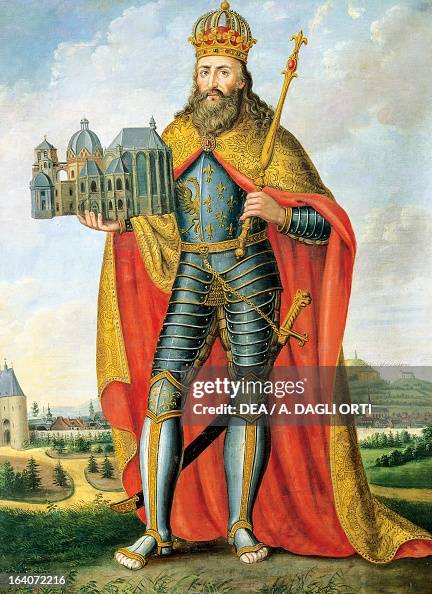
Attila is remembered as the archetypal barbarian scourge of Rome, a byword for ruthless conquest. His image has been shaped less by contemporary record than by legend, medieval heroic poetry, Verdi's opera and modern film. No reliable description of his appearance survives; contemporary depictions are scarce and later ones stylized. The "what did Attila look like" question remains a common search.
Fame & Fandom (iFAMOUS Rankings)
iFANN has not yet collected fame data for Attila, so no ranking is available. The historical record offers no modern fandom: there is no fandom name, no organized fanbase and no fan campaign. Interest is scholarly and popular-historical, carried by documentaries, YouTube biographies and the occasional cultural reference. He does not appear on the September 2026 iFAMOUS Rankings flagship list.
Interesting Facts and Legends
The epithet Flagellum Dei, the Scourge of God, was a cultural label attached to Attila by others, not a title he claimed. His name's etymology is debated, and searches on his ethnicity remain common.
The story of his burial is one of the most retold in European folklore. He was placed in a triple coffin of iron, silver and gold, and the grave was concealed, by one account by diverting a river over it. The burial party was reportedly executed so the location would never be revealed. Attila's tomb has never been found.
No verbatim quotes by Attila survive; all quotations attributed to him are later literary inventions. The dramatic meeting with Pope Leo I at the Mincio in 452, after which Attila withdrew from Italy, is heavily mythologized. A 2026 book reported that Donald Trump compared himself to Mao, Stalin and Attila the Hun, a measure of how far the name has traveled as a byword for ruthless conquest.
Family & Personal Life
Attila's family life is documented only in fragments, mostly through hostile or later sources. He was a nephew of the Hunnic king Rugila, and he ruled jointly with his elder brother Bleda from 434 until Bleda's death in 445. His principal wife was Kreka, whose name is recorded by Priscus via Jordanes; the marriage was ongoing through much of his reign. A further wife, the daughter of Eskam, is mentioned in the existing data, though little is documented about her. His final wife was Ildico, married in 453; he died on or immediately after their wedding night. He had three recorded sons, Ellac, Dengizich and Ernak, who fought over the succession after his death.
Notable Connections
Relationships & Dating History
Documentation of Attila's romantic life is sparse and comes from hostile or fragmentary sources. His principal wife was Kreka, whose name is recorded by Priscus via Jordanes; the marriage was ongoing through much of his reign. A further wife, the daughter of Eskam, is mentioned in the existing data, though little is documented about her. His final wife was Ildico, married in 453; he died on or immediately after their wedding night. No credible sources document any other romantic relationships. At the time of his death in 453, Attila was married to Ildico.
- MarriedKreka? - 453Principal wife, named by Priscus via Jordanes; marriage ongoing through much of his reign.
- MarriedEskam's daughter? - 453A further wife mentioned in existing data; little documented.
- MarriedIldico453 - 453CurrentFinal wife; Attila died on or immediately after their wedding night.
Death & Aftermath
Died
453 (aged 47)
Death Place
Pannonian plain
Cause of Death
Hemorrhage (nosebleed) reported; murder account unconfirmed
The account that comes closest to contemporary testimony is the one Jordanes set down in the sixth century, drawing on Priscus, who had himself been part of a Roman embassy to Attila's court. By that telling, Attila died in his sleep in early 453, at his own encampment in the Pannonian plain, during or shortly after his marriage to a new wife named Ildico. A massive nosebleed, possibly aggravated by heavy drinking at the wedding feast, reportedly killed him, and he was found dead the next morning. He was about 47 years old, though even his birth year is uncertain, placed around 406.
A second tradition, widely repeated, holds that Ildico murdered him on their wedding night. It is generally treated as rumor or hostile embellishment rather than established fact, and the true cause was never officially determined. His last major public act had come the year before, the invasion of Italy in 452, during which he met Pope Leo I at the Mincio and then withdrew back across the Danube. He died at the height of his power, reportedly planning a renewed campaign against the Eastern Roman Empire.
The Hunnic court mourned in its own fashion, gashing their faces in ritual grief, and buried him in a triple coffin of iron, silver and gold, with spoils. The grave was concealed, by one account by diverting a river over it, and the burial party was executed so the location would never be revealed. Attila's tomb has never been found. What followed was the succession struggle of his sons Ellac, Dengizich and Ernak, and the Hunnic Empire fractured and collapsed within a generation, notably at the Battle of Nedao around 454 to 455. His lasting memorial was cultural: the legend of the Scourge of God, Flagellum Dei, which shaped European memory for centuries and carried him into medieval and modern literature, opera and film, including Verdi's Attila in 1846 and the 2001 miniseries Attila starring Gerard Butler.
Net Worth (Estate Value)
$0
iFANN Editorial Team estimate
Attila ruled in the fifth century, long before modern finance or estate law. His wealth was tribute, plunder and territory, not a portfolio. No estate value, management or posthumous earnings exist in any modern sense. The iFANN Editorial Team therefore records his net worth as zero dollars, a figure that reflects the absence of a modern estate rather than any judgment on the spoils he commanded in life. Modern commercial value attaches only to cultural works about him, including films, operas and books, and that value belongs to their creators, not to Attila.
Awards & Accolades
View 1 records, honours and achievementsKnown For
Ruler of the Huns
434–453 · King
Battle of the Catalaunian Plains
451 · Commander
Invasion of Italy
452 · Commander
Meeting with Pope Leo I
452 · Leader
Keywords
Sources
Quick Facts
- Profession
- Ruler of the Huns
- Born
- c. 406
- Birthplace
- Hunnic Empire
- Died
- 453
- Death Place
- Pannonian plain
- Gender
- Male
- Spouse
- Kreka, Ildico, Eskam's daughter
- Children
- Ellac, Dengizich, Ernak
Personal Details
- Spouse
- Kreka, Ildico, Eskam's daughter
- Children
- Ellac, Dengizich, Ernak
Frequently Asked Questions
Why was Attila so famous?
Is Attila the Hun Genghis Khan?
What did Attila actually look like?
How did Attila the Hun die?
What does Attila mean and what was his ethnicity?
Similar People
Join the community
fans discussing