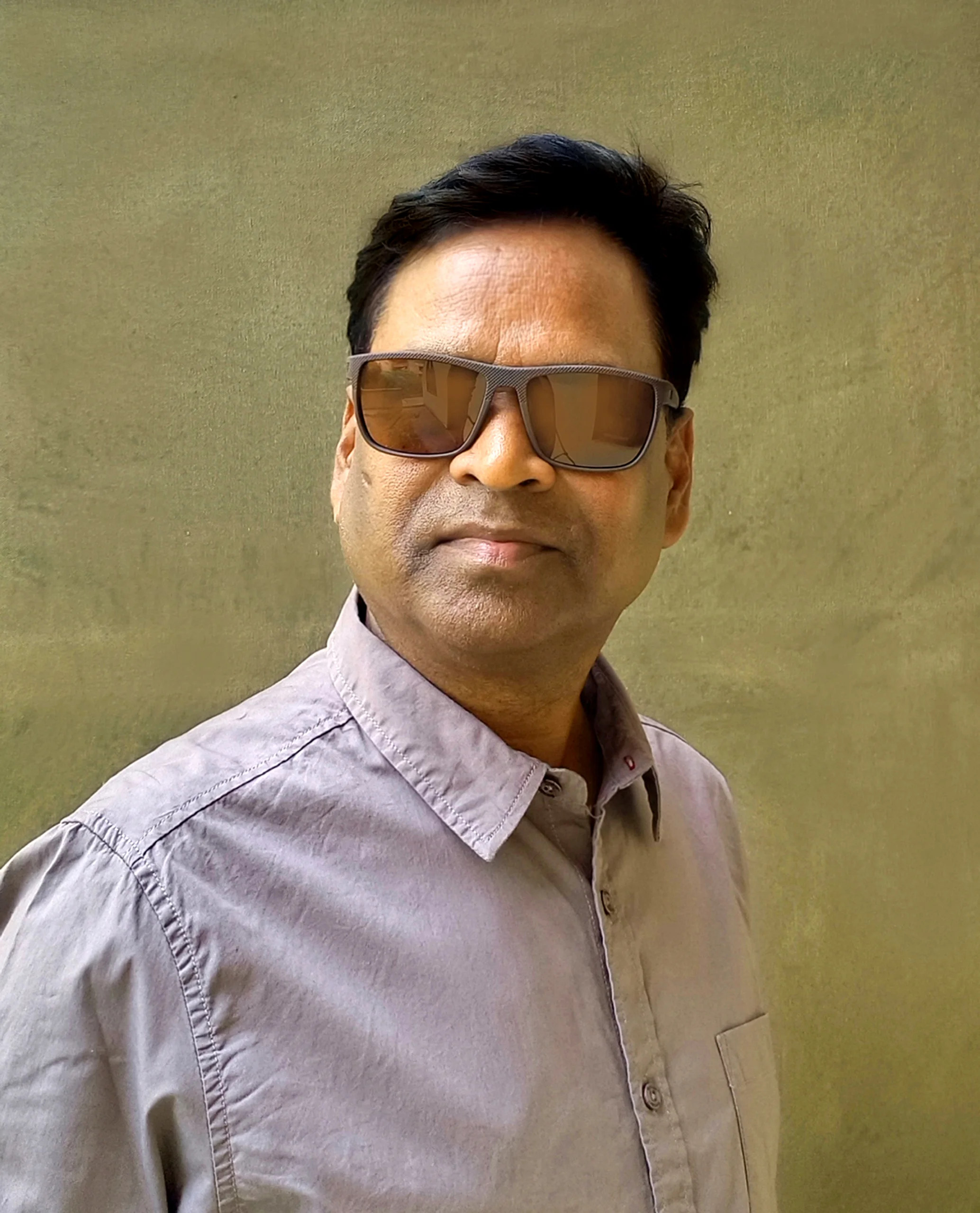
Ashok Kumar
 India
actor•film director•film producer
Also known as: Dadamoni, Kumudlal Ganguly, The Grandfather and Great Custodian of Indian Motion Pictures
Birthday
October 13, 1911
Birth Sign
Libra
Birthplace
Bhagalpur, Bihar, India
Age
Died at 90
About
Ashok Kumar was an Indian actor, director and producer who worked mainly in Hindi cinema and is widely regarded as the first superstar of Indian films. Born Kumudlal Ganguly in Bhagalpur in 1911, he appeared in more than 275 films across a career that ran from the 1930s into the 1990s, and he is often credited as the first lead actor in Indian cinema to play an anti-hero.
He is best known today for the range of that career: the young leading man of Kismet (1943), the wry character actor of Chalti Ka Naam Gaadi and Jewel Thief, and the television anchor of the Doordarshan serial Bahadur Shah Zafar. The government recognised him with the Padma Shri in 1962 and the Padma Bhushan in 1999, and in 1988 he received the Dadasaheb Phalke Award, the country's highest honour for cinema. He died in Mumbai on 10 December 2001 at the age of 90.
Fans and the industry called him Dadamoni, elder brother, a nickname that stuck because it matched the avuncular presence he carried on screen for decades. He belonged to the Ganguly family, a clan that included his brothers Kishore Kumar and Anoop Kumar, and his sister Sati Devi. For a generation of filmgoers he was the face of Bombay Talkies, and for the generation after that he was the dependable uncle who turned up in the second half of a film and made it better.
Early Life & Background
Kumudlal Ganguly was born on 13 October 1911 in Bhagalpur, Bihar, the eldest of the Ganguly brothers. The family would later include Kishore Kumar, Anoop Kumar and Satyendra, and a sister, Sati Devi. Before any of that, he trained as a laboratory assistant, a job that had nothing to do with greasepaint or footlights and everything to do with the practical, unglamorous side of science.
The move into films came through a family connection rather than ambition. Bombay Talkies was a studio run on disciplined, almost corporate lines in the 1930s, and the young laboratory assistant was pulled in front of the camera almost by accident. His first screen appearances came in 1936, in the Jeevan Naiya era of work at the studio. He was not a trained actor. He was a technician who happened to be in the building, and the camera found him.
Those early years were an apprenticeship in the studio system at its most organised. Bombay Talkies put its contract players through a schedule of films, and Kumar learned on the job, taking small roles and watching how the bigger stars handled a scene. By the late 1930s he was a familiar face in the studio's output, but he was not yet a star. That would come in 1943, with a role that broke the mould.
Career Growth
The breakthrough came with Kismet (1943), opposite Mumtaz Shanti. Kumar played a thief and a charmer, a role that broke the mould of the virtuous Hindi hero and made him the first major star in Indian cinema to carry an anti-hero. Audiences turned the film into a massive hit, and Kumar became the face of Bombay Talkies. He followed with Achhut Kanya, Bandhan and Jhoola, building a reputation as a dependable, understated presence in an era of theatrical acting.
By the 1950s he had shifted into middle age on screen, a move that could have ended lesser careers. Instead he found a second life as a character actor, playing fathers, doctors and wry uncles in films such as Parineeta, Chalti Ka Naam Gaadi and Jewel Thief. The shift was not a retreat. It was a reinvention, and it kept him in demand for another three decades.
Television widened his reach late in life. He anchored the Doordarshan serial Bahadur Shah Zafar and became a familiar voice in millions of homes. He kept working into his eighties, a rare case of a star who aged on screen and stayed wanted. His career is dated 1934 to 1997, and by the end he had appeared in more than 275 films.
Career Timeline
Public Image & Style
On screen, Kumar carried an understated presence in an era of theatrical acting. He was not a matinee idol in the mould of the 1940s romantic leads. He was the dependable one, the actor who could play a thief with charm in Kismet and then, twenty years later, play the wry uncle in Chalti Ka Naam Gaadi without missing a beat. That range became his signature.
Off screen, the industry called him Dadamoni, elder brother, and the nickname matched the avuncular presence he carried in public. He was styled the Grandfather and Great Custodian of Indian Motion Pictures, a phrase that appeared in tributes and retrospectives and stuck because it was accurate. His public voice was that of a studio-era professional: disciplined, unsentimental about the craft, and generous to the younger generation.
Fame & Fandom (iFAMOUS Rankings)
iFANN has not yet collected fame data for Ashok Kumar, so no ranking is available. He is not on the September 2026 iFAMOUS Rankings flagship list. What is documented is a different kind of fame: the first superstar of Indian cinema, the first lead actor to play an anti-hero, and a career that ran from 1934 to 1997.
The fandom around him has no formal name. Fans and the industry called him Dadamoni, elder brother, and that is as close as the fanbase came to a collective identity. The audience that grew up with him was the Bombay Talkies generation, the filmgoers who made Kismet a massive hit in 1943 and then followed him into character roles in the 1950s and 1960s. They were not organised in the modern sense. There were no streaming campaigns or birthday billboards. What there was, instead, was a kind of family recognition: he turned up in a film and the audience relaxed, because Dadamoni was in it.
That relationship carried into television. When he anchored the Doordarshan serial Bahadur Shah Zafar, he became a familiar voice in millions of homes, and the audience that had known him in cinemas met him again in their living rooms. The fan culture around him is therefore less a fandom than a long, steady familiarity, the kind that comes from being on screen for six decades.
Interesting Facts and Legends
He was the eldest of the Ganguly brothers, a family that included Kishore Kumar and Anoop Kumar, and his sister Sati Devi was the grandmother of Kajol. That makes him great-uncle to Kajol and great-grand-uncle to Kiara Advani, a connection that keeps resurfacing in fan queries decades after his death.
The nickname Dadamoni, elder brother, was not a press invention. It was what the industry called him, and it matched the avuncular presence he carried on screen for decades. He was also styled the Grandfather and Great Custodian of Indian Motion Pictures, a phrase that appeared in tributes and retrospectives and stuck because it was accurate.
His career ran from 1934 to 1997, a span of 63 years, and he was still working into his eighties. He trained as a laboratory assistant before films, which makes him one of the few major stars of his era who came to acting from the technical side of a studio rather than from the stage.
Family & Personal Life
Kumar married Shobha Ganguly, and the couple had children including son Arun Kumar and daughter Bharti. The marriage lasted until his death in 2001. He was the eldest of the Ganguly brothers, a family that included Kishore Kumar, Anoop Kumar and Satyendra, and a sister, Sati Devi. Through Sati Devi he was great-uncle to Kajol, and through the wider family he was great-grand-uncle to Kiara Advani. The Ganguly clan became one of the most prominent families in Hindi cinema, with Kishore Kumar becoming a legendary playback singer and actor in his own right.
Notable Connections
Kishore Kumar, Anoop Kumar, Mumtaz Shanti, Dilip Kumar, Bombay Talkies, Doordarshan, Kajol, Kiara Advani.
Relationships & Dating History
Kumar married Shobha Ganguly, and the marriage lasted until his death in 2001. The couple had children including son Arun Kumar and daughter Bharti. Beyond that marriage, no confirmed dating history is documented in the available sources. He was married to Shobha at the time of his death in Mumbai on 10 December 2001.
- MarriedShobha Ganguly? - 2001Married until his death in 2001; the couple had son Arun Kumar and daughter Bharti.
Death & Aftermath
Died
December 10, 2001 (aged 90)
Death Place
Mumbai, Maharashtra, India
Cause of Death
Not made public
Ashok Kumar died in Mumbai on 10 December 2001 at the age of 90. The cause of death was not made public in the accounts that followed, and his family kept the details private. The news arrived quietly for a man who had been a public fixture for more than half a century, and the tributes that came in framed him through the long view rather than the final days.
DD Archives marked the passing of a pioneer of Indian cinema and a Dadasaheb Phalke Award recipient, circulating remembrance footage that included Dilip Kumar honouring him with a lifetime achievement moment. Filmfare and other industry outlets ran retrospectives. The phrase that travelled furthest in those weeks was one that had attached itself to him over decades: the Grandfather and Great Custodian of Indian Motion Pictures. It was not a title he had given himself. It was one the industry had settled on, and it stuck.
What the obituaries reached for was the range. Here was a man who had trained as a laboratory assistant before a family connection pulled him in front of the camera, and who then stayed there for more than five decades and over 275 films, moving from leading man to character actor without ever quite stepping away. The performance that kept returning was the thief and charmer of Kismet (1943), the role that broke the mould of the virtuous Hindi hero and made him the first major star to carry an anti-hero. That was the Ashok Kumar the tributes wanted to talk about: the one who had changed what a Hindi film star could be.
He was mourned as a founding figure of the Bombay sound era. Archival retrospectives and anniversary remembrances in the years after kept returning to the same handful of films and the same two honours, the Padma Shri in 1962 and the Dadasaheb Phalke Award in 1988. No posthumous releases were announced, and no foundation or cause was created in his name in the records available. What remained was the work itself: the anti-hero, the long career, the screen he never quite left.
Net Worth (Estate Value)
$10 Million
iFANN Editorial Team estimate
Ashok Kumar died in 2001, and the estate value is not publicly documented in the available records. What can be said is that his earnings came from a long career in Hindi cinema, more than 275 films across six decades, and from his television work on the Doordarshan serial Bahadur Shah Zafar. The iFANN Editorial Team's analysis of his career earnings and the enduring value of his film catalogue points to an estate worth roughly $10 Million as of 2026.
The money in a career like his came in stages. The 1940s were the years of Bombay Talkies contracts, when a studio player earned a salary rather than a share of the profits, and Kismet made money for the studio more than for its star. The 1950s and 1960s brought character roles in films such as Parineeta, Chalti Ka Naam Gaadi and Jewel Thief, and with them a steadier, higher fee. Television in the 1980s added a late-career income stream that few actors of his generation had.
His estate has not been the subject of a public dispute, and no posthumous releases or catalogue sale have been announced in the records available. The films themselves remain the main asset, licensed and broadcast decades after his death. The figure above is iFANN's own editorial estimate, not a figure copied from a public filing.
Awards Won (10)
Kumar received the Padma Shri in 1962, the Dadasaheb Phalke Award in 1988 and the Padma Bhushan in 1999. The Phalke Award is India's highest honour for cinema, and the two Padma awards recognised his contribution to Indian film over more than five decades.
1999 · Civilian Honour
Contribution to Indian cinema
1988 · Lifetime Achievement
Contribution to Indian cinema
1988 · Outstanding Contribution to Indian Cinema
—.mw-parser-output .sr-only{border:0;clip:rect(0,0,0,0);clip-path:polygon(0px 0px,0px 0px,0px 0px);height:1px;margin:-1px;overflow:hidden;padding:0;position:absolute;width:1px;white-space:nowrap}N/a
Known For
Kismet
1943 · Thief and charmer; first anti-hero lead
Achhut Kanya
1936 · Actor
Bandhan
1940 · Actor
Jhoola
1941 · Actor
Parineeta
1953 · Actor
Chalti Ka Naam Gaadi
1958 · Actor
Jewel Thief
1967 · Actor
Bahadur Shah Zafar
1980s · Television anchor
Keywords
Sources
Quick Facts
- Profession
- actor, film director, film producer
- Born
- +1911-10-13
- Birthplace
- Bhagalpur
- Died
- +2001-12-10
- Death Place
- Mumbai
- Gender
- Male
- Birth Sign
- Libra
Personal Details
- Full Name
- Kumudlal Ganguly
- Spouse
- Shobha Ganguly
- Children
- Arun Kumar, Bharti
Filmography
275
Total
275
Film
1
TV
Frequently Asked Questions
How is Kiara Advani related to Ashok Kumar?
How is Ashok Kumar related to Kajol?
When did Ashok Kumar pass away?
Who is Ashok Kumar's son?
Who were Ashok Kumar's brothers?

Join the community
fans discussing