Anthony of Padua
 Portugal
Catholic priest•Franciscan friar•preacher•Doctor of the Church
Also known as: Anthony of Lisbon, Fernando Martins de Bulhões, St. Anthony, Evangelical Doctor
Birthday
August 15, 1195
Birth Sign
Leo
Birthplace
Lisbon, Portugal
Age
Died at 35
About
Anthony of Padua was a Portuguese Franciscan friar, priest, and preacher, born Fernando Martins de Bulhões in Lisbon in 1195. He is one of the most widely venerated Catholic saints, second only to St. Francis within the Franciscan family, and was proclaimed a Doctor of the Church, the Evangelical Doctor, by Pope Pius XII in 1946. He is best known as the patron saint of lost and stolen things, a role that has made him a household name across Catholic communities worldwide. Millions pray to him for help finding misplaced keys, wallets, and documents, and his patronage is famously broad, extending to the poor, shipwrecks, starvation, amputees, and marriage.
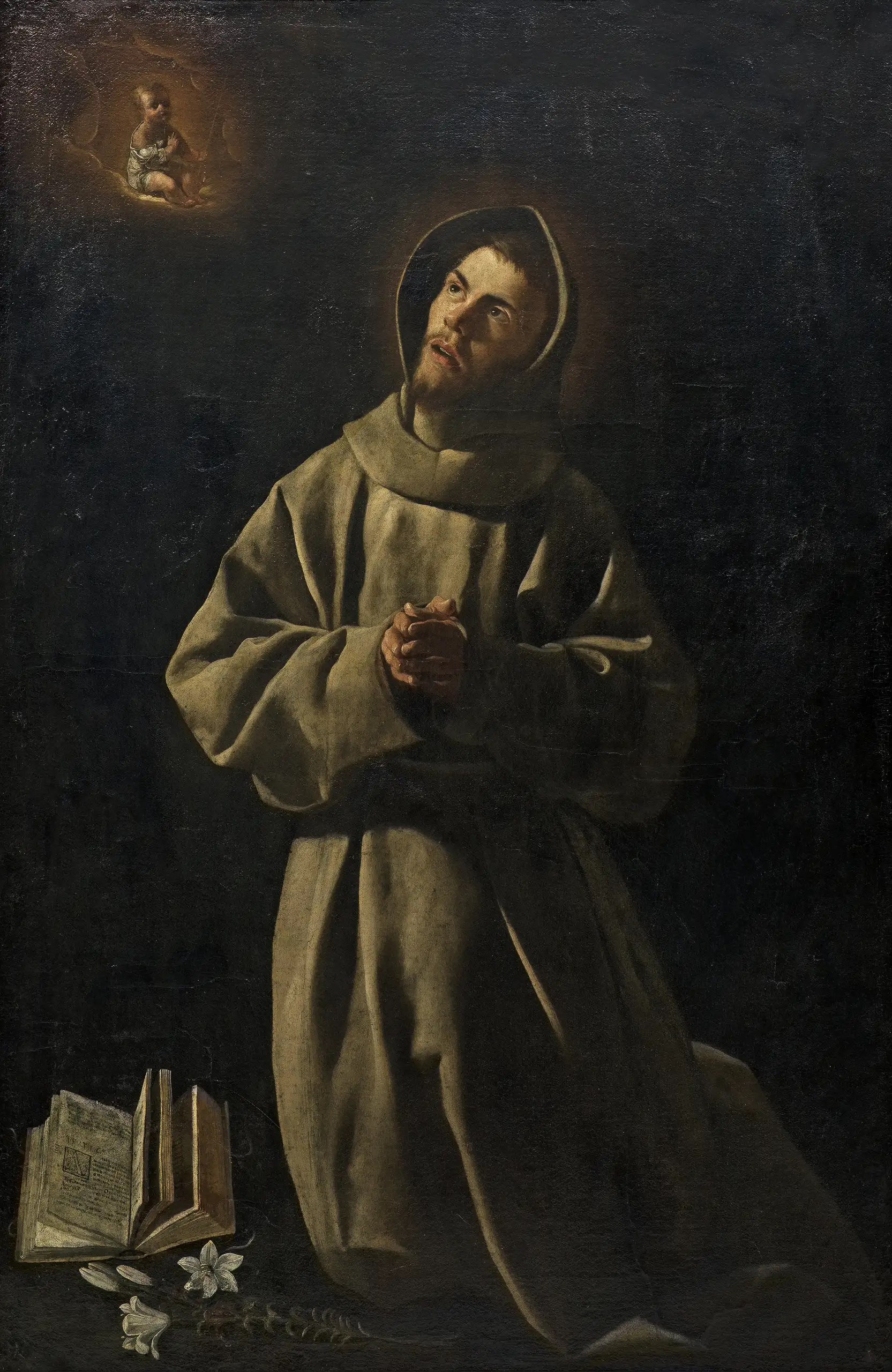
His iconography, a young friar in brown habit holding a lily, a book, and often the Christ Child, is instantly recognizable, and the rhyme "Tony, Tony, turn around, something's lost and must be found" is still taught to children. He died in 1231 at thirty-five and was canonized within a year, among the fastest canonizations in Church history. Nearly eight centuries on, the Basilica of St. Anthony in Padua remains the center of his cult, and his feast day processions draw crowds from New Bedford to Cleveland.
Early Life & Background
Fernando Martins de Bulhões was born on 15 August 1195 into a wealthy Lisbon family. He was a Leo by birth sign and grew up in comfortable circumstances near the cathedral of Lisbon. At about fifteen, around 1210, Fernando entered the Canons Regular of St. Augustine at the monastery of São Vicente in Lisbon. He later transferred to the Augustinian monastery of Holy Cross in Coimbra, where he spent roughly a decade studying theology and Scripture, training for the priesthood.
The turning point came around 1220. The remains of the first Franciscan martyrs, killed in Morocco, were brought through Coimbra. The sight of those relics moved Fernando to join the new, austere Order of Friars Minor. He took the name Anthony, after the patron of the Franciscan chapel where he received the habit, and set out for Morocco, hoping for martyrdom himself. Illness forced him to turn back, and a storm drove his ship to Sicily. From there he made his way to Assisi, where he met St. Francis.
Career Growth
For a while after meeting Francis, Anthony lived quietly at a hermitage in Montepaolo near Forlì, content with menial work. Then, at an ordination in Forlì around 1222, he was asked to give an impromptu sermon. His eloquence and learning astonished everyone present, and the event launched his public preaching career. Francis, recognizing his gifts, entrusted him with the theological formation of the friars, making him reportedly the first Franciscan to formally teach theology to the order, at Bologna, Toulouse, and elsewhere.
Between 1224 and 1227 he preached in southern France during the Albigensian crisis and served as custos of the friars in the Limousin in 1226. Back in Italy, he was elected minister provincial of Emilia-Romagna around 1227. In 1230 he attended the general chapter at Assisi and was involved in the transfer of St. Francis's remains. He then settled in Padua, where he campaigned against debtors' prisons and worked for the poor. He also wrote his Sermones, sermon collections for Sundays and feast days, including the Sermones in laudem Sanctae Mariae, which fill several volumes and mark him as one of the most learned preachers of his era.
Career Timeline
Public Image & Style
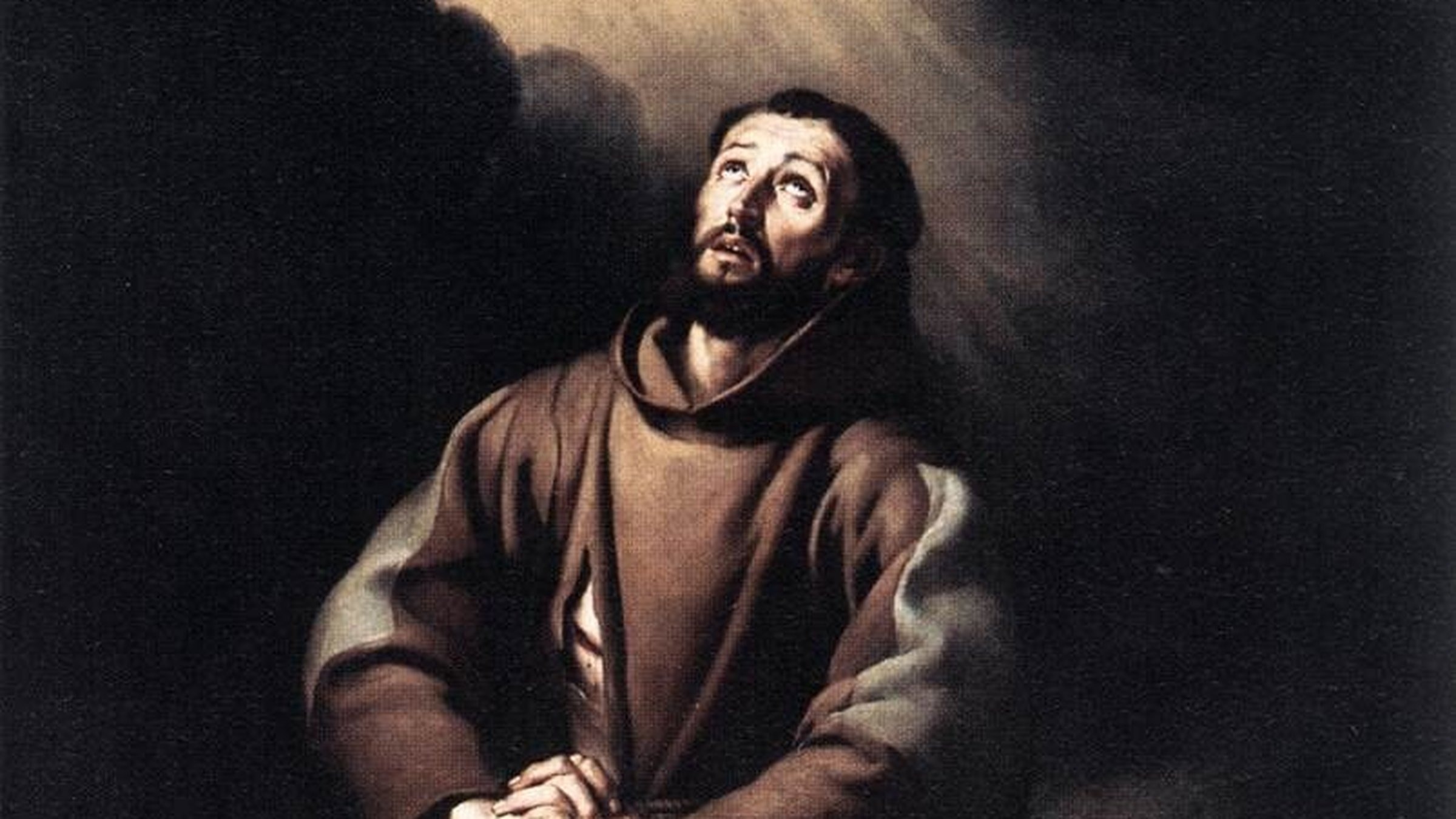
Anthony is depicted as a slight, youthful Franciscan friar in the brown habit with a tonsure, holding a lily for purity, a book for his preaching and learning, and often the Christ Child, from the legend that the infant Jesus appeared to him. Sometimes a mule or fish appears, nods to the miracle stories. His public image is that of the approachable, wonder-working preacher, second only to St. Francis in Franciscan devotion. That image has stayed remarkably consistent for centuries, and it is why he is so often the saint people turn to for everyday problems rather than grand theological ones. Devotional literature also attributes to him the saying "Actions speak louder than words; let your words teach and your actions speak," a traditional attribution rather than a verified quote.
Fame & Fandom (iFAMOUS Rankings)
iFANN has not yet collected fame data for Anthony of Padua, so no ranking is available. He does not appear on the September 2026 iFAMOUS Rankings flagship list.
What he has instead is a devotional following that has lasted nearly eight centuries. There is no formal fandom name; devotees are simply the faithful, the Franciscan friars and Poor Clares, and the parishioners of thousands of St. Anthony churches worldwide. The Thirteen Tuesdays devotion, a series of prayers on consecutive Tuesdays tied to the traditional list of his thirteen miracles, is one of the most popular practices. The St. Anthony bread tradition channels alms to the poor in his name. The Basilica in Padua and the magazine Messaggero di Sant'Antonio are the institutional hubs, and feast day processions draw crowds from New Bedford to Cleveland.
Interesting Facts and Legends
He died at just thirty-five, making his output and impact extraordinary for his age. His canonization, under a year after his death, is among the fastest in Church history. Lisbon's city holiday falls on his feast day, 13 June. The "Tony, Tony, turn around" rhyme is a popular devotional practice for lost objects.
A story fans still retell: a heretic challenged Christ's Real Presence, so Anthony had a mule fast for three days and then choose between fodder and the Blessed Sacrament. The mule knelt before the Eucharist. It is devotional legend, not historical record, but it remains one of the most retold stories about him. Another legend says the infant Jesus appeared to him, which is why he is shown holding a baby. A third tells of Rimini, where heretics refused to listen, so he preached to the fish, which gathered at the surface of the water.
Notable Quotes
“Actions speak louder than words; let your words teach and your actions speak.”
“The saints are like the stars. In his providence Christ conceals them in a hidden place that they may not shine before others when they might wish to do so. Yet they are always ready to exchange the quiet of contemplation for the works of mercy as soon as they perceive in their heart the invitation of Christ.”
Family & Personal Life
Fernando Martins de Bulhões was born into a wealthy and prominent Lisbon family. His father, Martinho de Bulhões, was reportedly a knight or nobleman attached to the royal court. Details about his mother and siblings are not recorded in reliable sources. He never married and had no children; he took religious vows as an Augustinian, then as a Franciscan, and remained celibate his entire life. His closest documented relationships were with St. Francis of Assisi, his founder and superior, his Franciscan confreres, and the Poor Clares at Arcella, with whom he spent his final days.
Notable Connections
Relationships & Dating History
Anthony of Padua was a celibate Catholic priest and friar. There is no documented romantic relationship, marriage, or dating history of any kind. He took religious vows as an Augustinian, then as a Franciscan, and never married. He had no children. In Portugal, Spain, and Brazil he is popularly known as a marriage saint because of legends that he reconciled estranged couples and helped young people find spouses, but that is devotional folklore, not personal biography. Devotion to him often involves prayers for a good marriage partner. As of 2026 he remains deceased, never married, with no partner and no children.
Death & Aftermath
Died
June 13, 1231 (aged 35)
Death Place
Arcella, Padua, Italy
Cause of Death
Illness (traditionally described as severe edema or dropsy)
On 13 June 1231, at the Poor Clares' convent in Arcella just outside Padua, Anthony died at thirty-five. He had spent the previous months in the city campaigning against debtors' prisons and organizing relief for the poor, and the strain of that work is the backdrop tradition gives for his final illness. The cause was reported as a severe edema, possibly ergotism or a similar condition, though no contemporary medical record survives; the account rests on hagiographic tradition.
The response was immediate. Pope Gregory IX canonized him at Spoleto on 30 May 1232, less than a year after his death, one of the fastest canonizations in Church history. Devotion spread across Europe and then the world. In 1263, when his remains were moved to the new Basilica of St. Anthony in Padua, his tongue was reportedly found fresh and incorrupt; it remains a venerated relic tied to his gift for preaching, displayed on occasion.
Parishes named for him dot the globe, from New Bedford, Massachusetts, a haven for generations of immigrants, to Clarksville, Indiana, which marked its 175th anniversary in 2026, to Casa Grande, Arizona, rebuilding after a fire. In 1946 Pope Pius XII proclaimed him a Doctor of the Church, the Evangelical Doctor. The Basilica in Padua and the friars who serve it have kept his memory alive for nearly eight centuries, and the 2026 observances of the 800th anniversary of St. Francis continue to mark his legacy.
Net Worth (Estate Value)
$0
iFANN Editorial Team estimate
Anthony of Padua took a vow of poverty, and no personal estate exists. Any modern net worth figure is meaningless. His institutional legacy, the Basilica of St. Anthony in Padua and the Franciscan order, is not personal wealth. The iFANN Editorial Team lists his net worth at $0 as a reflection of that vow, not as a financial estimate.
Awards Won (2)
Anthony of Padua was canonized by Pope Gregory IX in 1232, less than a year after his death, and proclaimed a Doctor of the Church by Pope Pius XII in 1946. He is also a patron saint of lost and stolen things, the poor, and marriage.
1232 · Sainthood
Catholic Church
1946 · Theological honor
Catholic Church
Known For
Patron saint of lost and stolen things
· Catholic saint
Franciscan preacher and Doctor of the Church
1946 · Doctor of the Church
Sermones
1231 · Author
Keywords
Sources
Quick Facts
- Profession
- Catholic priest, Franciscan friar, preacher, Doctor of the Church
- Born
- August 15, 1195
- Birthplace
- Lisbon, Portugal
- Died
- June 13, 1231
- Death Place
- Arcella, Padua, Italy
- Gender
- Male
- Birth Sign
- Leo
- Canonized
- May 30, 1232
- Doctor of the Church
- 1946
Personal Details
- Full Name
- Fernando Martins de Bulhões
- Education
- Augustinian monastery of São Vicente, Lisbon; Holy Cross, Coimbra
Frequently Asked Questions
What is Saint Anthony of Padua famous for?
Why is Saint Anthony of Padua holding a baby?
What do you pray to Saint Anthony of Padua for?
What are the 13 miracles of St. Anthony?
Why is St. Anthony's tongue incorrupt?
Similar People
Join the community
fans discussing