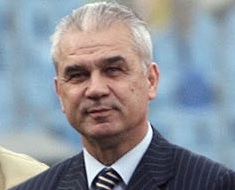
Anghel Iordănescu
 Romania
association football player•association football coach•politician
Also known as: Anghel Iordanescu
Birthday
May 4, 1950
Birth Sign
Taurus
Birthplace
Bucharest, Romania
Age
76 years old
Height
5 ft 11 in (1.80 m)
About
Anghel Iordănescu is a Romanian former professional footballer and manager who remains one of the most influential figures in the history of Romanian sports. Born in Bucharest on May 4, 1950, he achieved a rare dual legacy as a prolific striker for Steaua București and a decorated national team coach. As of 2026, the 76-year-old icon continues to be revered across Romania for his strategic acumen and leadership style. He recently concluded a third tenure managing the national team after guiding them through qualification campaigns and major tournaments like the 1994 World Cup and Euro 2016. His influence extends beyond the pitch, where he is celebrated for transforming talented squads into disciplined units capable of competing against Europe's elite.
He is widely recognized for his unique status as the only coach in World Cup history to hold the rank of General in the Romanian Army, a distinction that defined his disciplined leadership style during the 1998 World Cup campaign. This military background set him apart from contemporaries, creating a persona that blends athletic prowess with strict command structures. His career spans decades of success in both Eastern European and Middle Eastern football markets, cementing his reputation as a tactical genius. While he has stepped down from active management as of late 2024, his legacy endures as a symbol of national pride and sporting excellence.
Early Life & Background
Anghel Iordănescu grew up in Bucharest during a period when football was becoming a central pillar of Romanian culture. His childhood and upbringing were marked by a strong work ethic, traits that would later define his military-style coaching philosophy. Unlike many peers who focused solely on athletics, Iordănescu balanced his passion for the game with serious education, eventually enrolling in the National Military College of Bucharest. This decision set him on a path that merged military service with football, a combination that was uncommon for players of his generation. His early interests lay strictly in association football, and his first steps toward a professional career involved playing as a center-forward for local youth teams before breaking into the senior squad of Steaua București in the late 1960s.
His entry into professional football began in 1968 when he joined the youth ranks of Steaua București. The club, known for its rigorous training methods and success, provided the perfect environment for his development. Before making his senior debut, he honed his skills as a center-forward in local youth competitions. His transition to the senior squad was seamless, driven by his physical presence and natural goal-scoring instinct. While serving in the army alongside his playing duties, he maintained a strict routine that separated his life into distinct compartments of duty and sport. By the mid-1980s, he had become a veteran leader at Steaua, a status that would soon lead to his unexpected return to the pitch as a player-coach in a historic European final. During this formative era, he secured his first league titles while navigating the complexities of being an active soldier and athlete.
Career Growth
Iordănescu's managerial career surpassed his achievements as a player, cementing his status as a legend in Romanian football. He took charge of Steaua București in 1986, leading the club to four Romanian League championships and two Romanian Cup titles. Under his guidance, Steaua reached the semi-finals of the European Cup in the 1987–88 season and the final the following year. The club also won the European Super Cup in 1986, adding to their growing trophy cabinet. A pivotal moment in his playing career occurred in 1986 when, while serving as an assistant coach for Steaua, he came out of retirement to play in the historic European Cup final against FC Barcelona. Although Steaua lost the match 1–0, his participation remains a legendary footnote in football lore.
His impact extended significantly to the international stage. Appointed manager of the Romanian national team in 1990, he guided them to their best-ever performance at the 1994 FIFA World Cup, reaching the quarter-finals. This team defeated Colombia and Sweden before falling to Sweden in a penalty shootout. He managed the team again at UEFA Euro 1996 and led the "Unbeatables" squad to the 1998 World Cup in France. Known for "military precision," he implemented strict discipline, including the famous decision to have the entire squad bleach their hair blonde to present a unified image. Iordănescu found immense success in Saudi Arabia, winning the AFC Champions League twice: first with Al-Hilal in 2000 and later with Al-Ittihad in 2005. He also managed the Greek national team briefly. After a long absence, he was reappointed as the manager of the Romanian national team in 2023 for a third time. He stepped down in 2024 following a series of results, marking the end of this specific chapter.
Career Timeline
Public Image & Style
Iordănescu is portrayed as a stoic, disciplined, and patriotic figure. Media descriptions often highlight his "general-like" authority and his deep connection to Romanian national identity. He is viewed less as a charismatic showman and more as a serious strategist who demands absolute obedience. His signature style includes formal attire or tracksuits with a stern, authoritative demeanor. The narrative of him conducting training camps with the rigidity of a military operation is a core part of his mythology. His public image is built on a foundation of reliability and tactical expertise rather than flashy personality traits. Fans often reference his strict rules on diet, sleep, and appearance as examples of his unique leadership.
Fame & Fandom (iFAMOUS Rankings)
The devoted following for Anghel Iordănescu is defined less by a singular, organized cult and more by the deep, enduring reverence of Romanian football history. While there is no formal name for his fanbase, the audience that tracks his career spans generations of supporters who view him as a pillar of national identity rather than just a manager. This group cherishes the specific lore surrounding his tenure, particularly the disciplined aesthetic of the 1998 squad and the military precision he brought to the pitch. Their devotion is quiet but persistent, marked by a shared understanding of his unique dual role as a general and a coach. Fans often recreate the "blonde squad" look or wear jerseys from the 1994 and 1998 squads in tribute.
iFANN has evaluated this person but they do not currently hold a placement in the published rankings (Global Top 1,000). As of October 2026, he is not featured on the September 2026 iFAMOUS Rankings flagship list. Despite the lack of a current global ranking, his influence remains significant within Romania and among football historians worldwide. The data confirms his status as a top-tier figure in Romanian public life, recognized far beyond the borders of Bucharest. He is listed as the 31st most famous person from Romania according to iFANN Global Fame Rankings.
Interesting Facts and Legends
Anghel Iordănescu holds the distinction of being the only coach in World Cup history to hold the rank of General in the Romanian Army. This unique title was a result of his service in the military prior to and during his coaching career. In 1998, he ordered the entire Romanian squad to bleach their hair blonde to create a visual identity and intimidate opponents. This became a defining image of that generation. His participation in the 1986 European Cup final as a player-coach is a rare anomaly in football history. While serving as an assistant coach for Steaua, he came out of retirement to play in the match against FC Barcelona. Although Steaua lost the match 1–0, his involvement remains a legendary footnote in football lore.
He served as a politician, adding another layer to his public service beyond sports. He earned 54 caps and scored 21 goals for the Romanian national team between 1973 and 1988. Later in his playing days, he had a brief stint with the Greek team OFI Crete before fully transitioning to management. He has received various national orders for his contributions to Romanian sport and society. His induction into the Romanian Football Hall of Fame is implied by his status as a legend.
Notable Quotes
“I conducted the qualification with military precision.”
“We are not just a team; we are an army.”
Family & Personal Life
Anghel Iordănescu lives a relatively private life compared to other football personalities. He resides primarily in Bucharest, where he maintains a low profile outside of his football duties. His family life is kept separate from his public persona, allowing him to focus on his role in football administration and occasional media commentary without personal distractions. While he has a dedicated family unit, specific details regarding his parents or siblings remain unpublicized in standard biographies. He has never publicly discussed household dynamics or pets in interviews, preferring to keep these matters entirely within the private sphere. This separation ensures that his professional legacy remains the sole focus of public discourse.
Notable Connections
Victor Pițurcă, Dumitru Moraru, Mirel Rădoi, Al-Hilal FC, Al-Ittihad Club
Relationships & Dating History
Public records regarding Anghel Iordănescu's romantic life are sparse, reflecting his preference for privacy away from the spotlight. There is no documented evidence of high-profile marriages, divorces, or publicized dating history in credible sources. Unlike many celebrities, Iordănescu has not made his personal relationships a subject of media scrutiny. It is generally understood that he is married, though the name of his spouse has never been widely publicized in English-language or major international media outlets. Details about children are not extensively documented in public biographies, though it is acknowledged he has a family. No specific names or counts of children are confirmed by authoritative sources.
As of 2026, Iordănescu is considered a private individual regarding his personal life. There are no reports of recent breakups, new engagements, or widowed status. He is currently focused on his role in football administration and occasional media commentary. His relationship with Victor Pițurcă, a former teammate and successor, is noted in football circles, but their personal bond remains private.
Salary, Net Worth In 2026
$10 Million
iFANN Editorial Team estimate
iFANN currently estimates Anghel Iordănescu's net worth at approximately $10 million, with a broader estimated range between $5 million and $15 million USD. This figure reflects his decades-long career in football management, particularly his lucrative stints in the Middle East where he earned significant sums from contracts with Al-Hilal and Al-Ittihad. These positions were among the highest-paying roles in Asian football during the turn of the millennium. His wealth is further bolstered by consistent income from managing the Romanian national team over three separate tenures.
While commercial endorsements are limited compared to Western stars, his status as a national hero has secured him steady earnings through state stipends and occasional media appearances. Real estate holdings in Bucharest likely contribute to his asset base, though specific property values remain private. There may also be assets held from his earlier years in Saudi Arabia. The estimate accounts for his long-term financial stability derived from a career that spanned both Eastern and Middle Eastern football markets. No credible source suggests a billionaire status; figures exceeding $20 million would be speculative outliers.
Awards Won (7)
Anghel Iordănescu has won numerous accolades throughout his career, primarily within football and state recognition. He won the AFC Champions League twice, first with Al-Hilal in 2000 and later with Al-Ittihad in 2005. As a player, he secured two Romanian League titles and multiple Romanian Cup victories. As a manager, he led Steaua București to four Romanian League championships and two Romanian Cup titles. He also received the European Super Cup in 1986. Additionally, he was awarded the title of General in the Romanian Army, a unique distinction for a sports coach.
2005 · League Winner
Al-Ittihad
2000 · League Winner
Al-Hilal
1988 · League Winner
Steaua București
1987 · League Winner
Steaua București
1977 · League Winner
Steaua București
1976 · League Winner
Steaua București
Known For
Romania National Team
1994 · Manager
Steaua București
1986 · Player & Manager
Al-Hilal
2000 · Manager
Al-Ittihad
2005 · Manager
Keywords
Sources
Quick Facts
- Profession
- association football player, association football coach, politician
- Born
- May 4, 1950
- Birthplace
- Bucharest, Romania
- Gender
- Male
- Birth Sign
- Taurus
Personal Details
- Full Name
- Anghel Iordănescu
- Height
- 5 ft 11 in (1.80 m)
- Education
- National Military College of Bucharest
Frequently Asked Questions
How old is Anghel Iordănescu?
Did Anghel Iordănescu win the World Cup?
Is Anghel Iordănescu still the coach of Romania?
Why did Anghel Iordănescu make the team bleach their hair?
What is Anghel Iordănescu's net worth?
Similar People
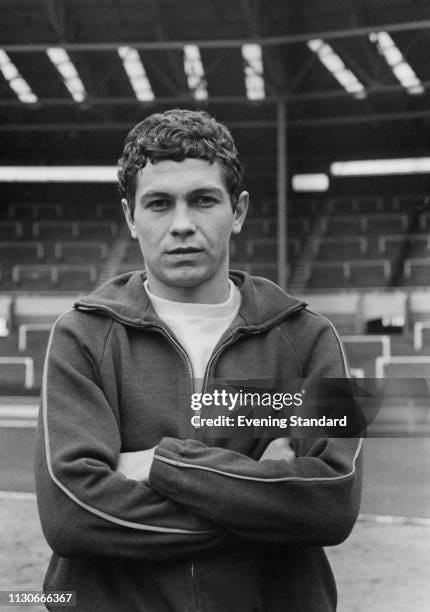
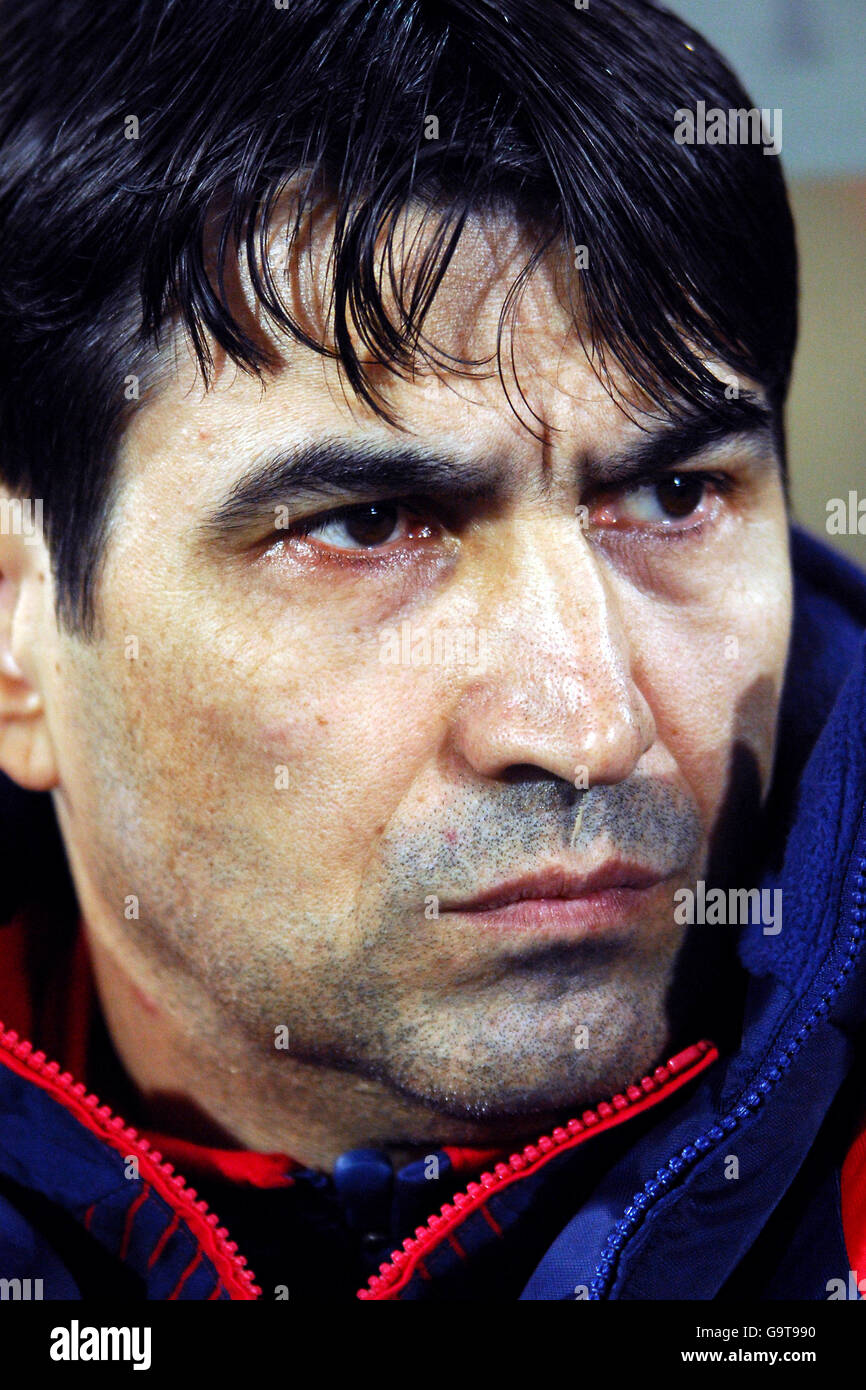
Join the community
fans discussing