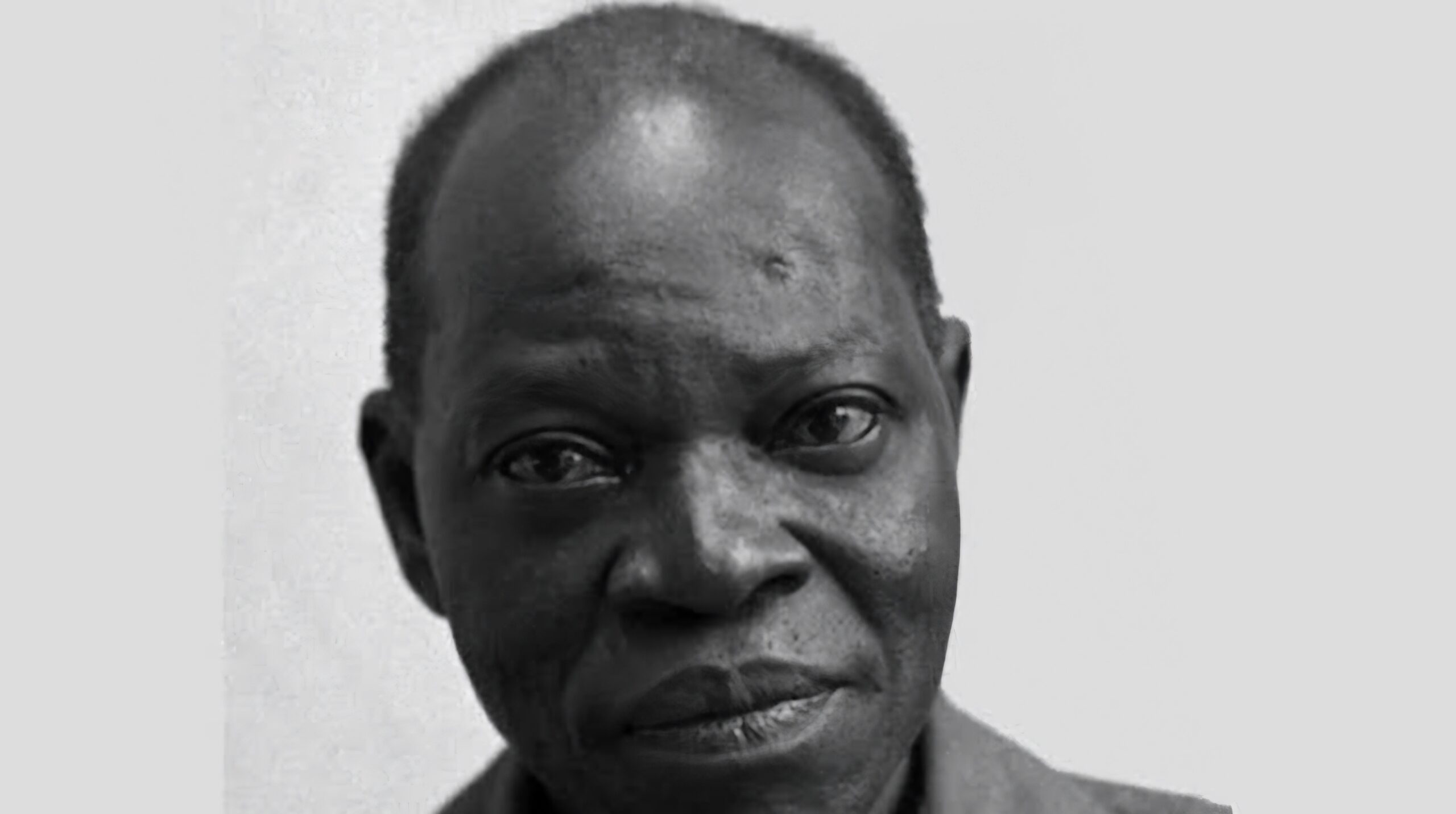
Amos Tutuola
 Nigeria
Birthday
June 20, 1920
Birth Sign
Gemini
Birthplace
Abeokuta, Nigeria
Age
Died at 76
About
Amos Olatubosun Tutuola was a pioneering Nigerian novelist and self-taught writer whose work, rooted in Yoruba oral traditions, became a cornerstone of African speculative fiction. Born on June 20, 1920, in Abeokuta, he is best known for his debut novel, The Palm-Wine Drinkard, which brought international attention to African literature by blending indigenous folklore with a unique, non-standard English syntax. Tutuola passed away on June 8, 1997, in Ibadan, leaving behind a legacy that has been critically re-evaluated in the decades following his death, particularly as a precursor to modern Afrofuturism and magical realism.
His writing style, often dismissed initially as broken English, is now celebrated as a deliberate stylistic innovation that captured the rhythm and logic of the Yoruba language. Despite limited formal education, Tutuola created complex mythological worlds that rivaled those of more formally trained authors. His influence extends far beyond Nigeria, inspiring generations of writers in the African diaspora and the global fantasy community.
Early Life & Background
Amos Tutuola was born Amos Olatubosun Tutuola in Abeokuta, Ogun State, Nigeria, into a family where his father worked as a farmer and his mother as a market trader. Although specific details about his parents' names are not widely documented in public archives, his upbringing was marked by poverty and the necessity of labor. He attended primary school for only four years before dropping out to support his family, a decision that shaped his worldview and later influenced the themes of survival and journey found in his writing.
Prior to his literary fame, Tutuola worked various manual jobs, including as a messenger and a blacksmith during World War II. It was during this period of labor that he began composing his first novel. The story goes that while working as a messenger, he would listen to stories told by older villagers and combine them with his own imagination. He wrote The Palm-Wine Drinkard in his spare time, using a notebook and pencil, drawing directly from the oral traditions of his community. His decision to write in what became known as 'Nigerian English', a dialect that deviated significantly from standard British English, was a deliberate choice to capture the rhythm and logic of the Yoruba language, even if it resulted in what early Western critics dismissed as broken grammar.
Career Growth
Tutuola's career began in earnest when his manuscript for The Palm-Wine Drinkard caught the attention of the British poet Geoffrey Gorer, who was visiting Nigeria. Gorer recognized the unique value of the work and helped secure its publication. In 1952, Faber & Faber published The Palm-Wine Drinkard in London. This debut novel became an international sensation, selling thousands of copies and introducing Western audiences to the surreal world of Yoruba mythology. It established Tutuola as a major figure in post-colonial literature.
He followed this success with My Life in the Bush of Ghosts in 1954, which further solidified his reputation by continuing the theme of a protagonist navigating a supernatural landscape filled with ghosts and spirits. In 1955, he published The Savage Road, a collection of short stories and sketches that explored the intersection of the mundane and the magical. During the 1960s and 1970s, Tutuola published several other works, including Simbi and the Satyr of the Wild River and An African Nightmare in 1961, though none achieved the same level of commercial success or critical acclaim as his first two novels. During this period, he faced financial struggles and struggled to find a publisher for his subsequent works, leading to a decline in his output.
Posthumous revival began in the 1990s and 2000s, as scholars started to re-evaluate Tutuola's work, recognizing his unconventional syntax as a stylistic innovation rather than a deficiency. By 2020, his influence had grown significantly, with The Palm-Wine Drinkard being included on TIME magazine's list of the 100 Best Fantasy Books. In July 2025, Grove Atlantic re-issued both The Palm-Wine Drinkard and My Life in the Bush of Ghosts, sparking renewed interest among younger generations of writers and readers exploring African speculative fiction.
Career Timeline
Public Image & Style
Amos Tutuola is portrayed as a humble, self-taught visionary who bridged the gap between oral tradition and written literature. His public image is one of quiet dignity and intellectual brilliance, often associated with the concept of the 'folklorist turned author.' Media portrayals emphasize his role as a pioneer who paved the way for future African writers to explore speculative and fantastical themes. His use of 'Nigerian English' was initially criticized but is now celebrated as a bold attempt to translate Yoruba thought patterns into English, creating a unique literary voice.
Fame & Fandom (iFAMOUS Rankings)
Amos Tutuola commanded a following defined by academic rigor rather than mass-market fervor, with no formal collective name emerging among the scholars, fantasy enthusiasts, and writers who revere his work as a cornerstone of Afrofuturism. Unlike modern icons whose legacies are marked by organized fan rituals or viral campaigns, Tutuola's admirers operate within literary circles that analyze his unique prose style and his transformation of Yoruba oral traditions into English literature. The community surrounding his legacy focuses on the posthumous rehabilitation of his work, celebrating titles like The Palm-Wine Drinkard and My Life in the Bush of Ghosts as precursors to contemporary speculative fiction.
Regarding his standing in the global consciousness, Amos Tutuola has been evaluated by iFANN's Global Fame Engine, but he does not currently hold a placement in the published rankings, including the Global Top 1,000 or a Top-100 scope list. This assessment indicates a significant but specialized historical footprint rather than ubiquitous contemporary celebrity status. The evaluation reflects a steady appreciation for his contributions to African literature without the volatile fluctuations seen in pop culture figures. His influence remains potent among those exploring the roots of magical realism, yet he does not hold a placement in the published Top-100 scope lists. The absence of a specific fandom moniker underscores the distinction between his scholarly reverence and the organized movements typical of living celebrities. Despite this lack of formal organization, his narrative impact persists through the continued study of his life as a self-taught writer who challenged colonial linguistic norms. The global reach of his stories is evident in their inclusion on major lists and their citation by contemporary artists, confirming a legacy that transcends traditional fame boundaries.
Interesting Facts and Legends
Born in Abeokuta in 1920, Amos Tutuola possessed an encyclopedic knowledge of Yoruba folklore despite having limited formal education. He composed his debut novel, The Palm-Wine Drinkard, while working as a messenger and blacksmith during World War II, drawing directly from oral traditions to create a surreal, dreamlike quality in his non-standard English. A widely retold story in literary circles frames his work as a precursor to massive fantasy epics, often citing his intricate world-building as the foundation for what later critics called 'The African Game of Thrones.' This comparison highlights how his mythological depth laid the groundwork for contemporary African fantasy long before such genres gained mainstream traction.
Another enduring legend concerns the posthumous reclamation of his reputation; for decades Western critics dismissed his syntax as broken, until scholars eventually recognized it as a deliberate stylistic choice challenging colonial norms. By 2020, the conversation had shifted to celebrating him as a pioneer of African science fiction. His work saw renewed visibility when The Palm-Wine Drinkard appeared on TIME's list of the 100 Best Fantasy Books in 2020, sparking interest among younger generations of writers exploring African speculative fiction.
Notable Quotes
“When I was young, I used to drink palm-wine.”
Family & Personal Life
Amos Tutuola was the son of a farmer and a market trader, though specific details about his parents' names are not widely documented in public archives. He received only limited formal education, attending primary school for four years before dropping out to support his family. Public records regarding his romantic relationships, marriages, or dating history are virtually non-existent. Unlike many contemporary celebrities, Tutuola lived a relatively private life, and there are no credible sources documenting any specific partners, engagements, or children. Biographical accounts focus almost exclusively on his literary achievements and his relationship with his community and folklore.
Notable Connections
Geoffrey Gorer, Chinua Achebe, Wole Soyinka, Roxane Gay, Kaveh Akbar
Relationships & Dating History
Public records regarding Amos Tutuola's romantic relationships, marriages, or dating history are virtually non-existent. Unlike many contemporary celebrities, Tutuola lived a relatively private life, and there are no credible sources documenting any specific partners, engagements, or children. Biographical accounts focus almost exclusively on his literary achievements and his relationship with his community and folklore. Consequently, there is no information available regarding his marital status at the time of his death, nor any confirmed offspring. The absence of such data suggests that his personal life remained separate from his public persona, or simply that such details were not preserved in the historical record due to the nature of his era and location.
Death & Aftermath
Died
June 8, 1997 (aged 76)
Death Place
Ibadan, Nigeria
Cause of Death
Unknown
Amos Olatubosun Tutuola passed away on June 8, 1997, in Ibadan, Nigeria. The specific circumstances surrounding his final days remain unrecorded in public archives, and no official autopsy or coroner's report was made available to the general public. While some historical debates have existed regarding his exact birth year between 1920 and 1927, the date of his passing is consistently cited across authoritative references including Britannica and Grove Atlantic. Public reaction to his death was characterized by a gradual elevation of his literary status rather than immediate mass vigils or chart surges typical of pop culture figures. Tributes from peers and institutions focused on his unique contribution to African speculative fiction, though specific details regarding funeral arrangements, burial locations, or memorial services were not documented in available records.
In the decades following his passing, Tutuola's works have seen renewed interest, with The Palm-Wine Drinkard appearing on TIME magazine's list of the 100 Best Fantasy Books in 2020. Critical re-evaluation has appeared in major publications such as The New York Times and The Wall Street Journal, highlighting his expansion of African literature. His publisher, Grove Atlantic, has continued to release new editions of his works, with discussions appearing as recently as 2025. The estate management remains private, but royalties continue to flow from ongoing sales and academic licensing.
Net Worth (Estate Value)
$1 Million
iFANN Editorial Team estimate
As Amos Tutuola passed away in 1997, he does not have a current net worth. His estate's value is difficult to quantify precisely due to the lack of public financial records and the nature of his publishing contracts, which were often modest. Research by the iFANN Editorial Team puts his estate's value at around $1 million. Estimates suggest that royalties from his works have been steady but not substantial, given the niche nature of his audience compared to mainstream bestsellers.
The primary revenue source for his estate is likely royalty payments from ongoing sales of his books, particularly following the 2025 re-issues by Grove Atlantic. Licensing deals for adaptations or educational materials may also contribute, though no major film or television adaptations have been widely reported as generating significant income. The management of his estate is not publicly detailed, but it is likely handled by his heirs or a literary executor appointed by his family or publisher.
Awards & Accolades
View 2 records, honours and achievementsKnown For
The Palm-Wine Drinkard
1952 · Author
My Life in the Bush of Ghosts
1954 · Author
Keywords
Sources
Quick Facts
- Profession
- writer, novelist
- Born
- June 20, 1920
- Birthplace
- Abeokuta, Nigeria
- Died
- June 8, 1997
- Death Place
- Ibadan, Nigeria
- Gender
- Male
- Birth Sign
- Gemini
Personal Details
- Full Name
- Amos Olatubosun Tutuola
- Children
- Education
- Primary school (4 years)
Frequently Asked Questions
Who was Amos Tutuola?
When did Amos Tutuola die?
What is Amos Tutuola's most famous book?
Did Amos Tutuola have children?
Is Amos Tutuola still alive?

Join the community
fans discussing