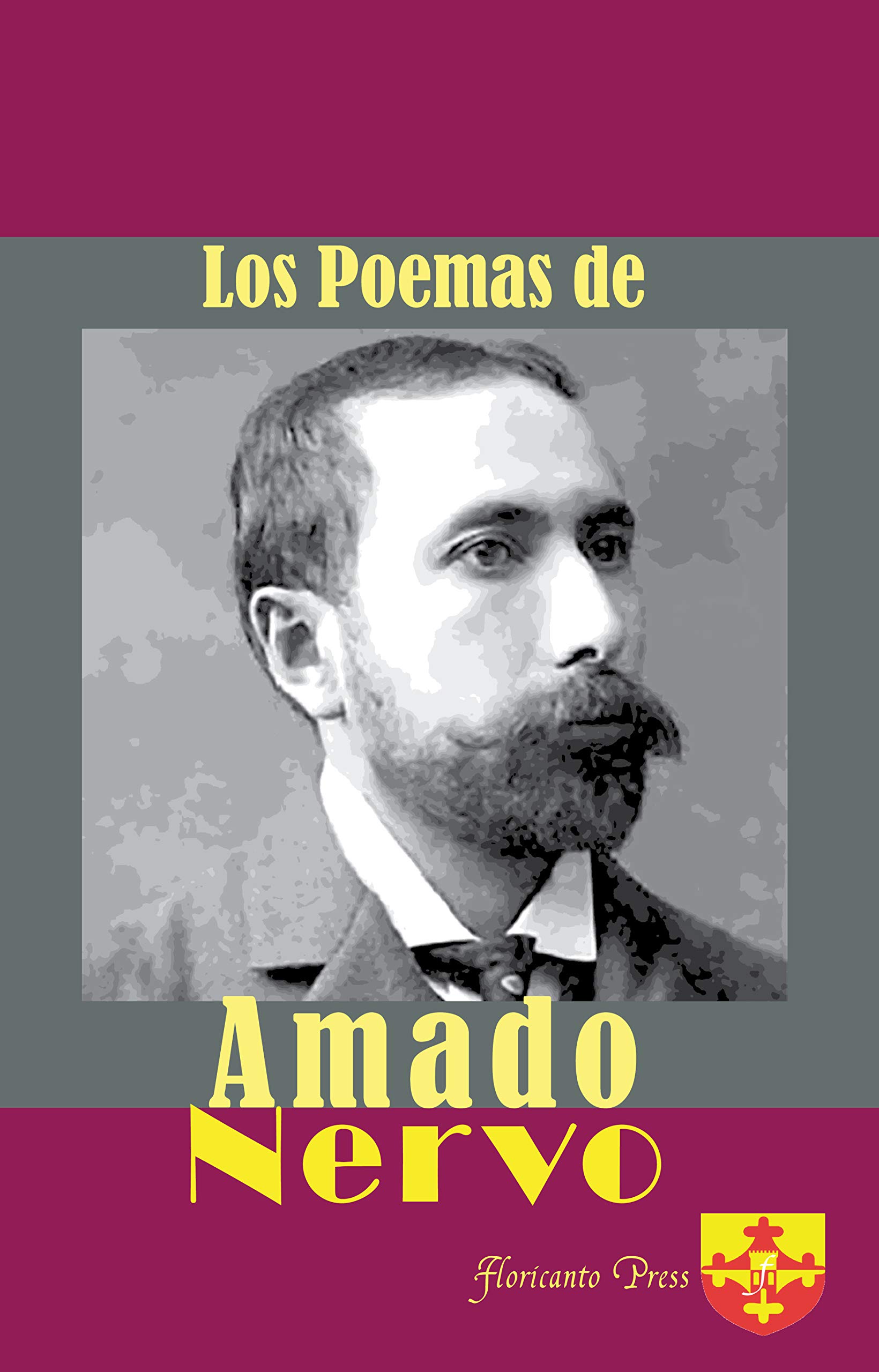
Amado Nervo
 Mexico
Also known as: José Amado Ruiz de Nervo y Ordaz, Juan Crisóstomo Ruiz de Nervo
Birthday
August 27, 1870
Birth Sign
Sagittarius
Birthplace
Tepic, Mexico
Age
Died at 48
About
Amado Nervo, born José Amado Ruiz de Nervo y Ordaz, was a preeminent figure of the Spanish Modernismo literary movement and one of the most important Mexican poets of the late 19th and early 20th centuries. A master of introspective verse, he blended romanticism with mysticism and existential themes, creating a body of work that deeply influenced Latin American letters. Beyond his literary achievements, Nervo served his country as a diplomat, holding high-ranking posts in Argentina and Uruguay. He died in 1919 while still serving as Ambassador to Uruguay.
His poetry is celebrated for its emotional depth and philosophical inquiry into love, death, and spirituality. Works like La amada inmóvil and Perfumes de la aldea remain staples of Spanish-language literature, studied by students and admired by readers worldwide. Nervo's unique ability to bridge the gap between the Romantic era and modernist thought secured his place as a foundational figure in the region's cultural history.
Early Life & Background
Amado Nervo was born into a middle-class family in Tepic, Mexico, on August 27, 1870. His childhood was defined by significant health struggles; severe illness often confined him to bed, fostering a deep sense of introspection that would later permeate his writing. Despite these physical challenges, he displayed a remarkable aptitude for literature and philosophy from a young age. He attended the Colegio de San Luis in Guadalajara before moving to Mexico City to study law at the Universidad Nacional Autónoma de México. However, his passion for the written word soon overshadowed his legal studies, leading him to abandon the profession entirely.
His early career began in the bustling pressrooms of Mexico City, where he worked as a journalist and educator. During this period, he became part of the Generation of 1880, a group of intellectuals dedicated to modernizing Mexican culture. His first major publication, El libro de los versos, appeared in 1893, marking his transition from a local journalist to a recognized literary voice. A pivotal moment occurred in 1895 when he moved to Buenos Aires, immersing himself in the cosmopolitan intellectual circles of Argentina. There, under the influence of Rubén Darío, he refined his Modernista style, setting the stage for his international acclaim.
Career Growth
Nervo's career followed a dual trajectory of literary acclaim and distinguished public service. His breakthrough arrived with the 1896 publication of Perfumes de la aldea, a collection that showcased his unique blend of romanticism, mysticism, and social observation. This work established him as a leading voice in Hispanic American literature. Following his success in Argentina, he returned to Mexico and eventually entered the diplomatic corps, leveraging his cultural standing to serve his nation abroad.
In 1909, he was appointed Mexican Minister Plenipotentiary to Argentina, a role he held until 1913. Later, he transferred to Uruguay as Ambassador, a position he maintained until his death in 1919. These diplomatic posts were not merely administrative; they allowed him to engage with the cultural elite of South America, significantly influencing the spread of Modernismo across the continent. His work bridged the gap between the Romantic era and the Modernist movement, introducing new themes of existentialism and the search for meaning. His influence extended to future generations of poets, including Pablo Neruda and Octavio Paz, cementing his legacy as a literary giant.
Career Timeline
Public Image & Style
Amado Nervo is portrayed as a dignified, introspective, and spiritual figure. Media depictions emphasize his role as a "poet-diplomat," a man who lived a life of quiet dignity and deep thought. His image is associated with the elegance of the Modernismo era, characterized by refined language and a focus on beauty and truth. Unlike modern celebrities whose lives are scrutinized through tabloid romance, Nervo's legacy is defined by his introspective poetry and profound influence on Latin American letters. He is remembered as a man of letters who navigated the complexities of human experience with grace and philosophical depth.
Fame & Fandom (iFAMOUS Rankings)
Amado Nervo never knew the roar of a stadium or the chaos of a fan mob. His audience gathered not in streets, but in quiet libraries and university halls where his verses on love and destiny found their home. There is no collective noun for his admirers, no self-styled "Nervistas" marching with banners. Instead, a legacy of readership persists among students and scholars who treat his work as sacred text. Commemorative festivals in Nayarit and auctioned manuscripts serve as the closest equivalents to fan rituals, yet these remain acts of academic reverence rather than pop-culture fervor. The digital age has introduced passive consumption through online readings, but the organized campaigns and viral moments defining modern stardom are absent from his biography. He died over a century ago, long before the machinery of celebrity culture could manufacture legends of fainting crowds or disrupted events. His mythology remains strictly biographical, rooted in the introspection of a diplomat-poet who navigated the late 19th-century literary landscape. Infrastructure projects like the Amado Nervo Bridge and an airport bearing his name cement his status as a national icon, but this is a tribute to historical contribution, not a reflection of active fandom. The iFANN Global Fame Engine has evaluated his standing in the modern era. Amado Nervo is currently EVALUATED_UNRANKED according to September 2026 metrics. He does not hold a placement in the Global Top 1,000 or any Top-100 scope list.
Interesting Facts and Legends
Amado Nervo was born José Amado Ruiz de Nervo but adopted the pen name "Amado Nervo" early in his career, dropping his surname "Ruiz" to create a more distinctive literary identity. His poetry uniquely blended Christian mysticism with Hindu philosophy, a rarity for Mexican poets of his time. He is one of the few Mexican poets to hold high-ranking diplomatic positions, serving as an ambassador in two countries. The Amado Nervo Bridge connecting Jalisco and Nayarit stands as a critical piece of infrastructure symbolizing the connection between the states. One of his most iconic sentiments, expressed in his later years, is: "Very near my sunset, I bless you, Life, because you gave me neither false hope nor unfair work." Unpublished manuscripts of his work have been auctioned in recent years, drawing attention from collectors and libraries. Cultural figures like Juan Villoro have participated in annual tributes marking the anniversary of his death.
Notable Quotes
“Very near my sunset, I bless you, Life, because you gave me neither false hope nor unfair work.”
“I am the phantom, I am the ghost, I am the shadow of my own soul.”
“Love is the only thing that makes us immortal.”
Family & Personal Life
Amado Nervo was born into a middle-class family in Tepic, Mexico. Biographical sources indicate he remained unmarried throughout his life, dedicating himself to his literary and diplomatic pursuits rather than traditional family structures. While there are no records of children, engagements, or divorces, his poetry is replete with references to a beloved woman, often interpreted as a muse or a specific unrequited love known as "Lola." Some biographers speculate that Lola was a real person named Dolores, while others suggest she may have been an idealized construct. His later years were spent in the company of close friends and colleagues in the diplomatic corps, focusing on his spiritual and literary endeavors.
Notable Connections
Relationships & Dating History
Amado Nervo's personal life was characterized by a deep sense of solitude and spiritual searching rather than the public scandals typical of modern celebrity. There is no documented evidence of marriage or long-term romantic relationships in the traditional sense. Biographical sources indicate that he remained unmarried throughout his life. However, his poetry is replete with references to a beloved woman, often interpreted as a muse or a specific unrequited love. The most prominent figure in his romantic mythology is "Lola," a woman he met during his time in Mexico City. While some biographers speculate that Lola was a real person named Dolores, others suggest she may have been an idealized construct or a composite of several women. Nervo wrote extensively about her loss and longing, particularly in La amada inmóvil, written after her death. There are no records of children, engagements, or divorces. As of the time of his death in 1919, his relationship status was single.
Death & Aftermath
Died
May 24, 1919 (aged 48)
Death Place
Montevideo, Uruguay
Cause of Death
Unknown
Amado Nervo passed away on May 24, 1919, in Montevideo, Uruguay, while serving as the Mexican Minister Plenipotentiary to that nation. He was 48 years old at the time of his death. Historical records do not provide a specific medical cause or autopsy report for his passing, leaving the exact nature of his final decline unconfirmed by official documents. Accounts suggest he died suddenly or during sleep while fulfilling his diplomatic duties, with no dramatic final days or public appearances recorded immediately prior.
The news of his death sent shockwaves through literary circles in both Mexico and South America. Tributes poured in from government officials and fellow poets who mourned the loss of a leading voice in Hispanic literature. While details regarding the funeral service remain scarce in the public domain, it is generally accepted that he was buried in Montevideo, though the precise location of his grave has not become a site of widespread pilgrimage. His legacy has endured for over a century, marked by annual commemorations and the dedication of cultural infrastructure. The construction of the Amado Nervo Bridge connecting Jalisco and Nayarit, along with an airport terminal in Tuxpan named after him, serves as a lasting tribute to his status as a national hero of literature. Contemporary figures like Juan Villoro continue to honor his memory through academic conferences and readings of his work.
Net Worth (Estate Value)
$0
iFANN Editorial Team estimate
As a deceased historical figure from the early 20th century, Amado Nervo has no net worth as of 2026 in the context of current assets. His estate value is managed by his heirs and the Mexican state, derived from the royalties of his published works. Posthumous sales of his books, translations, and licensing of his poems for educational and artistic use generate ongoing revenue. The estate is likely managed by the Mexican government or a foundation dedicated to his legacy, given his status as a national icon. Specific dollar figures for his estate are not publicly tracked or reported by financial outlets, as his wealth is historical and symbolic rather than liquid. The value of his estate is measured in cultural capital and the enduring revenue of his literary rights rather than a specific monetary sum.
Awards & Accolades
View 4 records, honours and achievementsKnown For
Perfumes de la aldea
1896 · Poetry Collection
La amada inmóvil
1898 · Poetry Collection
El libro de los versos
1893 · Poetry Collection
Keywords
Sources
Quick Facts
- Profession
- poet, diplomat, journalist
- Born
- August 27, 1870
- Birthplace
- Tepic, Mexico
- Died
- May 24, 1919
- Death Place
- Montevideo, Uruguay
- Gender
- Male
- Birth Sign
- Sagittarius
Personal Details
- Full Name
- José Amado Ruiz de Nervo y Ordaz
- Children
- Education
- Colegio de San Luis (Guadalajara), Universidad Nacional Autónoma de México (UNAM)
Frequently Asked Questions
What is Amado Nervo best known for?
When and where did Amado Nervo die?
Was Amado Nervo ever married?
What is the Amado Nervo Bridge?
Did Amado Nervo write any novels?

Join the community
fans discussing