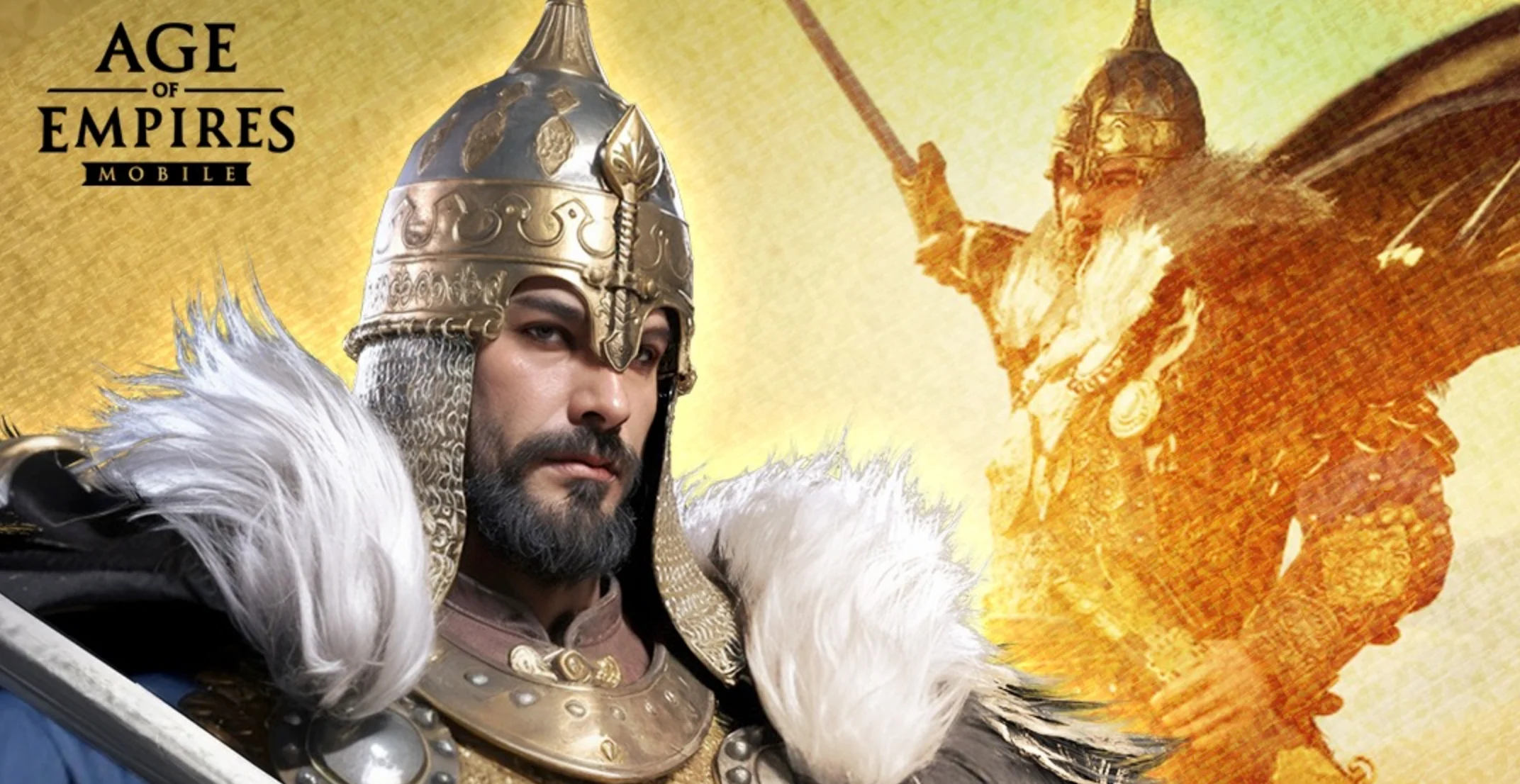
Alp Arslan
Also known as: Muhammad Alp Arslan bin Dawud Chaghri, Muhammad ibn Dāwūd
Birthday
January 20, 1029
Birth Sign
Sagittarius
Birthplace
Seljuk territories
Age
Died at 43
About
Muhammad Alp Arslan bin Dawud Chaghri was the second sultan of the Great Seljuk Empire, a role he held from 1063 until his death in 1072. Born on January 20, 1029, within the vast lands of the early Seljuk confederation, this military leader carried the blood of the dynasty founder Seljuk himself. He inherited a realm already on the move but transformed it into a dominant force through sheer strategic brilliance and personal courage.
His reign is defined by the expansion of Islamic territory into Anatolia and the decisive defeat of the Byzantine Empire at the Battle of Manzikert. Alp Arslan combined military aggression with diplomatic magnanimity, often sparing defeated enemies who showed submission. This unique blend of traits became legendary, though it ultimately led to his downfall when clemency failed to prevent an assassination attempt.
Early Life & Background
Born Muhammad ibn Dāwūd, Alp Arslan was groomed for leadership within the nomadic Turkic traditions of the Seljuks long before he ever wore the imperial crown. As the nephew of the first Sultan, Tughril Beg, his early years were spent participating in campaigns against rival tribes and the Ghaznavids rather than in a formal classroom. His education was rooted in Islamic scholarship and rigorous Turkic martial arts training, instilling in him a dual identity as a devout Muslim ruler and a fierce warrior.
His pivotal moment came during the Battle of Dandanaqan in 1040, where the Seljuks defeated the Ghaznavid forces. Alp Arslan played a crucial role in this victory, earning his reputation as a capable commander while still a young man. These formative experiences established the foundation of his authority and prepared him to inherit a realm that spanned Khorasan and western Iran after his uncle's death.
Career Growth
Upon becoming Sultan in 1063, Alp Arslan immediately consolidated power, defeating rivals in the south, east, and northwest. In 1064, he conquered Armenia and Georgia, extending Seljuk influence deep into Asia Minor, which was then under Byzantine control. His most significant milestone occurred in 1071 at the Battle of Manzikert, where he decisively defeated the Byzantine Emperor Romanos IV Diogenes.
This victory opened Anatolia to Turkish settlement, fundamentally altering the demographic and political landscape of the region and marking the beginning of the Turkish presence in what would become Turkey. His reign continued with successful campaigns against the Byzantines in Anatolia in 1068 and a final campaign against the Oghuz Turks in 1072. The empire he left behind was significantly larger and more powerful than the one he inherited.
Career Timeline
Public Image & Style
Chronicles describe Alp Arslan as having a commanding stature and voice that inspired reverence. His face and demeanor projected the virtues attributed to both a Turk and a Muslim leader. He cultivated a public image as a just, brave, and pious ruler, a "Lionhearted diplomat" who combined military might with mercy. This reputation for chivalry towards defeated enemies became a cornerstone of his legend, symbolizing the ideal of the just conqueror.
Fame & Fandom
iFANN has not yet collected fame data for this person. While there are no official global rankings or commercial fandom metrics for this historical figure, he commands a dedicated following among history enthusiasts, particularly in Turkey and the broader Islamic world. The audience consists primarily of scholars, history buffs, and fans of the 2021–2023 Turkish television series Alparslan: Büyük Selçuklu.
These fans organize discussions, watch parties, and visit historical sites associated with him. Fan campaigns often revolve around preserving his legacy and promoting the historical narrative of the Seljuk Empire. The cultural impact of his story continues to generate massive public interest, keeping his memory alive in modern media and national consciousness.
Interesting Facts and Legends
The name "Alp Arslan" translates to "Heroic Lion" or "Brave Lion," reflecting his courage and strength. Despite being a conqueror, he was known for his piety and strict adherence to Islamic law. His victory at Manzikert is considered one of the most significant events in medieval history, leading to the eventual formation of the Ottoman Empire.
A modern horse named Alparslan was a star attraction at the 2026 Goffs London Sale, highlighting the enduring use of his name in various fields. The 955th anniversary of the Battle of Manzikert was celebrated in Turkey in August 2026, showing the continued relevance of his legacy. A Turkmen wrestler named Alp Arslan Begenjov won bronze at the 2026 U20 World Championships, demonstrating the name's continued prominence in sports.
Notable Quotes
“I am a king, and you are a king; let us see which of us can be more generous.”
“(On his deathbed) Words of forgiveness to his assassin.”
Family & Personal Life
Historical records indicate that Alp Arslan was married to Seferiye Hatun and Akça Hatun. Primary sources focus on these dynastic alliances and political marriages rather than romantic courtships typical of modern biographies. He had children, including his successor, Malik-Shah I, who took over the empire upon his father's death. His family life was centered around maintaining the stability of the Seljuk dynasty and securing the succession for his son.
Notable Connections
Relationships & Dating History
Alp Arslan's marital life followed the customs of 11th-century monarchs, characterized by dynastic alliances rather than modern dating concepts. Historical records confirm he was married to Seferiye Hatun and Akça Hatun. These unions were strategic moves designed to secure loyalty and strengthen political ties within the empire. There are no documented romances, engagements, or divorces in the contemporary sense, as his relationships were entirely focused on statecraft and lineage.
He had children, including his successor, Malik-Shah I, who took over the empire upon his father's death. The primary sources do not provide detailed accounts of his personal romantic life beyond these official unions. His family life was centered around maintaining the stability of the Seljuk dynasty and securing the succession for his son. At the time of his death, he was survived by his wife and children.
- MarriedSeferiye Hatun? - 1072Dynastic marriage; status at time of death.
- MarriedAkça Hatun? - 1072Dynastic marriage; status at time of death.
Death & Aftermath
Died
December 15, 1072 (aged 43)
Death Place
Merv
Cause of Death
Assassination by captured Oghuz soldier
In the vicinity of his military camp near Merv in December 1072, Alp Arslan stood inspecting his troops following a campaign against the Oghuz Turks. A captured warrior named Ibrahim Yinal, whom the Sultan had previously spared, ambushed him and struck a fatal blow to the abdomen with a dagger. Historical chronicles like the Seljuq-nama by Nizam al-Mulk record that the assassin shouted regarding a brother executed earlier before being cut down by the Sultan's guards. The cause of death was immediate and violent, rooted in personal vendetta rather than battlefield injury or illness. Immediate retribution followed as the Sultan's son and successor, Malik-Shah I, ordered the execution of Ibrahim Yinal within hours of the incident. The empire operated under martial law where the Sultan's word was final, resulting in brutal punitive action.
Public reaction across the Seljuk domains was marked by shock and deep mourning, with Islamic chronicles widely reporting the loss as a significant blow to the Muslim world after the victory at Manzikert. Alp Arslan received a funeral conducted according to Sunni Islamic rites attended by high-ranking officials and family members. He was buried in Merv, where his mausoleum stands today as a significant historical landmark and a site of reverence for centuries. His legacy has been immortalized in Persian and Turkish literature and celebrated as a model of piety and martial prowess. Modern commemorations include statues in Turkey and Central Asia, while the Turkish television series Alparslan: Büyük Selçuklu depicted his life and triumphs between 2021 and 2023.
Net Worth (Estate Value)
$0
iFANN Editorial Team estimate
As a historical figure who died in 1072, Alp Arslan does not have a net worth in the modern financial sense. There are no estate valuations, currency holdings, or investment portfolios to assess for 2026. His wealth consisted of the vast Seljuk treasury, land holdings, and spoils of war, all of which passed directly to his son, Malik-Shah I, without contested succession.
The economic value of his reign is measured in the territorial expansion of the empire and the establishment of trade routes across Eurasia. Modern tributes such as the Alparslan: Büyük Selçuklu television series and monuments bear no direct financial connection to his personal assets, which ceased to exist centuries ago. Any discussion of his "wealth" remains strictly metaphorical, referring to his immense power and influence rather than monetary value.
Awards & Accolades
View 6 records, honours and achievementsKnown For
Battle of Manzikert
1071 · Commander
Great Seljuk Empire
1063 · Sultan
Alparslan: Büyük Selçuklu
2021 · Subject of TV Series
Keywords
Sources
Quick Facts
- Profession
- military leader
- Born
- January 20, 1029
- Birthplace
- Seljuk territories
- Died
- December 15, 1072
- Death Place
- Merv
- Gender
- Male
- Spouse
- Seferiye Hatun, Akça Hatun
- Birth Sign
- Sagittarius
Personal Details
- Full Name
- Muhammad Alp Arslan bin Dawud Chaghri
- Spouse
- Seferiye Hatun, Akça Hatun
- Children
- Malik-Shah I
- Education
- Islamic scholarship and Turkic martial arts
Frequently Asked Questions
Who was Alp Arslan?
How did Alp Arslan die?
What is Alp Arslan's full name?
Did Alp Arslan have any famous battles?
Is there a TV show about Alp Arslan?
Similar People
Join the community
fans discussing