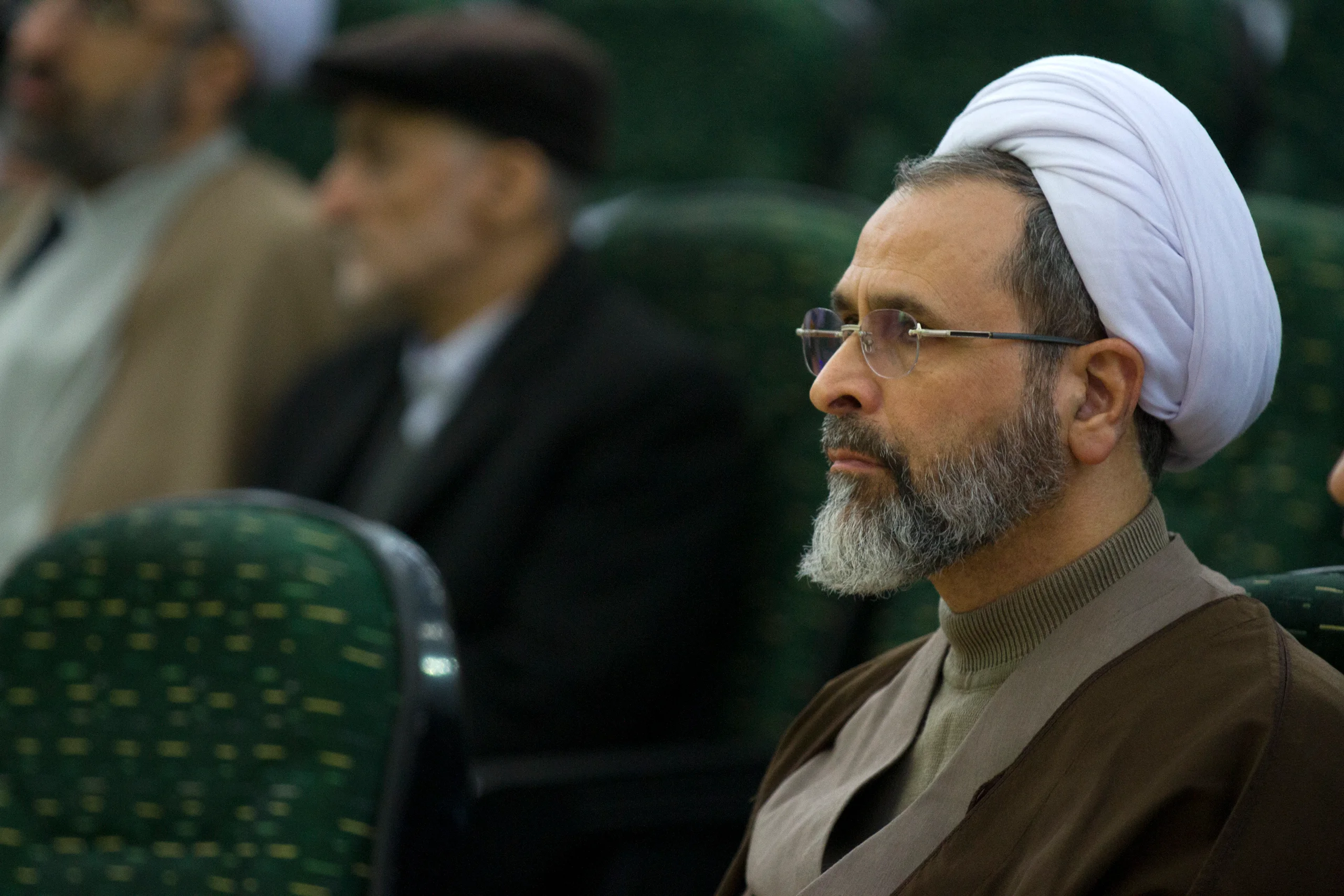
Alireza Arafi
 Iran
Islamic jurist•politician•legal scholar
Birthday
January 1, 1959
Birth Sign
Capricorn
Birthplace
Meybod, Iran
Age
67 years old
About
Alireza Arafi is an Iranian Shia cleric and politician born in 1959 who serves as a prominent figure within the Islamic Republic's religious and political hierarchy. A jurist by training, he has spent decades climbing the ranks of the clerical establishment before his career took a dramatic turn in early 2026 following the death of Supreme Leader Ali Khamenei. Arafi was appointed to the Interim Leadership Council alongside President Masoud Pezeshkian and Chief Justice Gholam-Hossein Mohseni-Eje'i to guide the nation through the transition period.
His steady hand during that turbulent time underscored his standing as a trusted figure in Iran's complex political-religious landscape. Before this historic elevation, Arafi was known primarily within specific clerical circles in Qom for his administrative skills and hardline ideology rather than public charisma. His rapid ascent from behind-the-scenes scholar to a central figure in national governance marked one of the most significant political shifts in recent Iranian history.
Early Life & Background
Born in the ancient city of Meybod in Yazd Province, Alireza Arafi entered a life dedicated to religious scholarship at a young age. Like many destined for high clerical office in Iran, he moved to Qom, the spiritual heart of Shia theology, to pursue rigorous academic training. There he immersed himself in the study of Islamic jurisprudence and the principles of theology, laying the groundwork for a career that would eventually bridge the gap between religious education and state governance.
For decades, Arafi operated largely outside the public eye, focusing on education and legal scholarship rather than the flashy maneuvering of partisan politics. He served as the President of Al-Mustafa International University from 2008 to 2018, where he oversaw the expansion of the institution's global reach. This role allowed him to influence the ideological direction of thousands of students from diverse backgrounds without seeking personal fame. His reputation grew steadily among peers as a skilled administrator and a steadfast defender of revolutionary values rather than a charismatic media personality.
The pivotal moment that shifted his trajectory occurred in 2019 when he was elected to the Guardian Council. This body holds immense power over Iran's legislative vetting process, effectively allowing Arafi to shape the country's legal framework. His appointment signaled a move from purely educational roles into the highest echelons of state oversight. By 2022, his influence had grown further with his election to the Assembly of Experts, positioning him as a key player in the ongoing succession planning process even before the crisis of 2026.
Career Growth
Arafi's career is defined by a steady ascent through Iran's religious and political hierarchy, culminating in his unexpected leadership role in 2026. In 2015, he took on the prestigious position of Friday Prayer Imam of Qom, placing him at the center of the city's religious life and giving him a platform to influence public opinion directly. Two years later, he became the head of Iran's seminaries, a critical role responsible for shaping the curriculum and ideological direction of future clerics.
His entry into the highest levels of state power came in 2019 with his election to the Guardian Council, followed by his selection to the Assembly of Experts in 2022. These roles solidified his status as a gatekeeper of the revolution's ideology and a key figure in the nation's judicial oversight. The defining chapter of his career began in March 2026 following the assassination of Supreme Leader Ali Khamenei in joint US-Israeli airstrikes. Under Article 111 of the Iranian Constitution, Arafi was appointed to the three-member Interim Leadership Council to manage the transition.
In August 2026, sources reported that Arafi was officially named the interim Supreme Leader, effectively becoming the head of state during the succession crisis. He delivered sermons outlining civilizational lessons and navigating the country through wartime conditions. His leadership focused on maintaining stability while managing relations with regional allies like Hezbollah and overseeing the eventual selection of a permanent successor.
Career Timeline
Public Image & Style
Arafi is portrayed as a firebrand anti-American cleric and a stabilizing force within the Islamic Republic. To his supporters, he represents a trusted guardian of the revolution's values and a capable administrator who can navigate complex political transitions. Critics and Western observers view him as a symbol of the hardline faction, emphasizing his uncompromising stance on national security and resistance against foreign intervention.
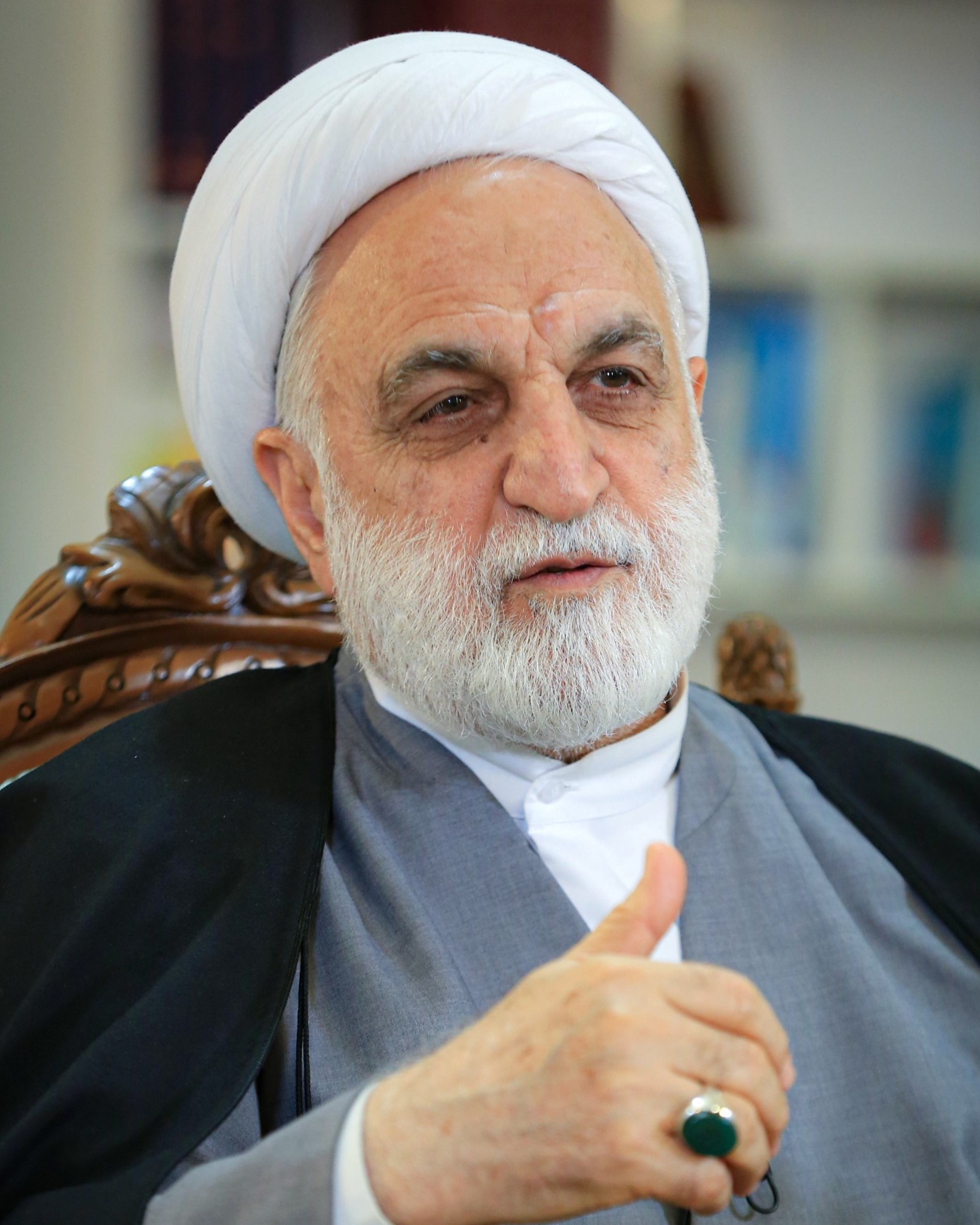
His public image is serious, scholarly, and unyielding, devoid of the celebrity flair seen in other parts of the world. He typically appears in traditional clerical attire, including a black turban and robe, which reinforces his identity as a religious leader first and a politician second. His communications are disseminated through official channels rather than personal social media, maintaining an aura of institutional authority.
Fame & Fandom (iFAMOUS Rankings)
For decades, Alireza Arafi operated in the shadowed corridors of Qom and Tehran, a jurist whose influence was felt within the rigid structures of the Guardian Council and the Assembly of Experts rather than in the public square. His supporters are not a fawning crowd with t-shirts or organized campaigns; they are political allies and hardline constituents who value his steady hand during times of crisis. There is no formal name for this base, nor are there viral moments of adoration; his reputation rests entirely on institutional power and his role as a firebrand anti-American cleric.
The narrative shifted dramatically in early 2026 when the assassination of Supreme Leader Ali Khamenei thrust him into the Interim Leadership Council. This transition from behind-the-scenes scholar to a central figure in national governance marked a sudden elevation that surprised many observers who had previously known him only within specific clerical circles. Despite this shift in historical importance, global attention metrics place him firmly within the upper tiers of Iranian public figures. According to the iFANN Global Fame Rankings, he is currently the 73rd most famous person from Iran, a position reflecting his rapid ascent during the 2026 succession crisis. This ranking represents a slight dip from his previous standing, having fallen from the 66th spot last cycle as the world's focus broadened to include other emerging leaders in the region. He is not featured on the September 2026 iFAMOUS Rankings flagship list.
Interesting Facts and Legends
Before his 2026 elevation, observers often described Alireza Arafi as a "wild card" in the succession race. He was not initially considered a top-tier candidate but possessed the necessary administrative experience and clerical backing to step up when needed. Known for his fiery rhetoric against foreign powers, he delivered a controversial speech in April 2024 threatening Israel with a "volcano of fury." This statement became widely cited in geopolitical analyses regarding Iran's stance toward its neighbors.
Under his leadership, Al-Mustafa International University became a focal point for Iran's diplomatic outreach to the Muslim world. The institution educated students from dozens of countries, reinforcing Iran's soft power among Shia communities globally. Arafi's ability to navigate both the seminary system and the state apparatus made him a unique figure who could command respect from scholars and politicians alike. His delivery of a Friday prayer sermon in Qom shortly after the 2026 crisis, outlining eight civilizational lessons, is viewed as a pivotal moment that stabilized the nation's morale during a time of uncertainty.
Notable Quotes
“The volcano of fury… will burn you [Israel].”
“An Ummah, not just a leader.”
“A towering tree of religion and knowledge.”
“Iranian nation's resilience astonished entire world in recent war.”
Family & Personal Life
Details regarding Alireza Arafi's private life remain scarce, consistent with the culture of high-ranking Iranian clerics who maintain strict privacy about their families. There is no public record of his marital status, spouse's name, or children in open-source biographies or news reports. He is widely described as a bachelor or a man whose personal life is strictly separated from his public duties, a common trait among senior ayatollahs who dedicate their lives entirely to religious and political service.
Notable Connections
Relationships & Dating History
There is no public information regarding Alireza Arafi's romantic relationships, dating history, or marriage. As a senior Shia cleric and high-ranking political official in the Islamic Republic, his personal life is kept out of the public eye. Unlike Western celebrities or pop figures, there are no documented engagements, marriages, divorces, or flings. He is currently considered unmarried or his family details are classified/private. No credible sources mention a partner or children.
Salary, Net Worth In 2026
$0
iFANN Editorial Team estimate
Specific net worth figures for Alireza Arafi are not publicly disclosed, as is standard for Iranian clerics and government officials who do not accumulate wealth in the manner of corporate executives or entertainers. The iFANN Editorial Team estimates that his financial status reflects modest income derived from official salaries as a cleric, university president, and government official. These earnings are typically managed according to religious guidelines prohibiting excessive accumulation of wealth.
Any real estate or investments are likely held in trust or managed by religious foundations rather than personally. His "wealth" is best understood as access to state resources and institutional power rather than liquid assets. As of 2026, his net worth remains undisclosed to the public, with no credible financial outlets providing a specific dollar figure for his personal fortune.
Awards & Accolades
View 3 records, honours and achievementsKnown For
Interim Supreme Leader of Iran
2026 · Political Leader
Member of the Guardian Council
2019 · Politician
Head of Iran's Seminaries
2016 · Religious Scholar
Keywords
Sources
Quick Facts
- Profession
- Islamic jurist, politician, legal scholar
- Born
- 1959
- Birthplace
- Meybod, Iran
- Gender
- Male
- Birth Sign
- Capricorn
Personal Details
- Full Name
- Alireza Arafi
- Children
- Education
- Seminary of Qom
Frequently Asked Questions
Who is Alireza Arafi?
How old is Alireza Arafi?
What did Alireza Arafi do before becoming Supreme Leader?
Is Alireza Arafi married?
Why was Alireza Arafi chosen as interim Supreme Leader?
Similar People
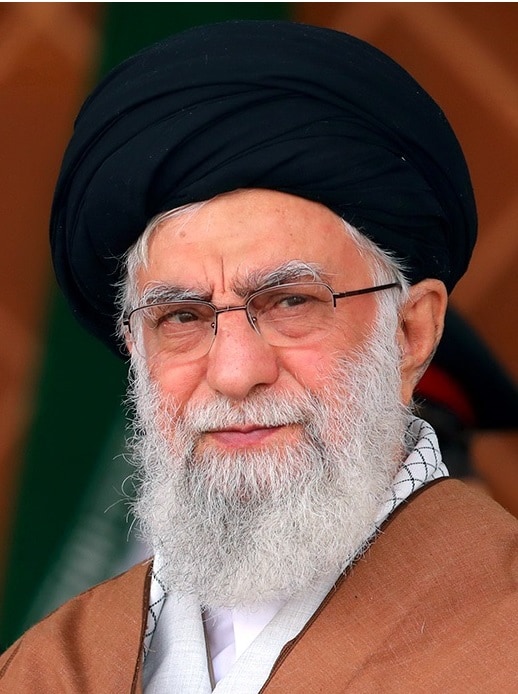
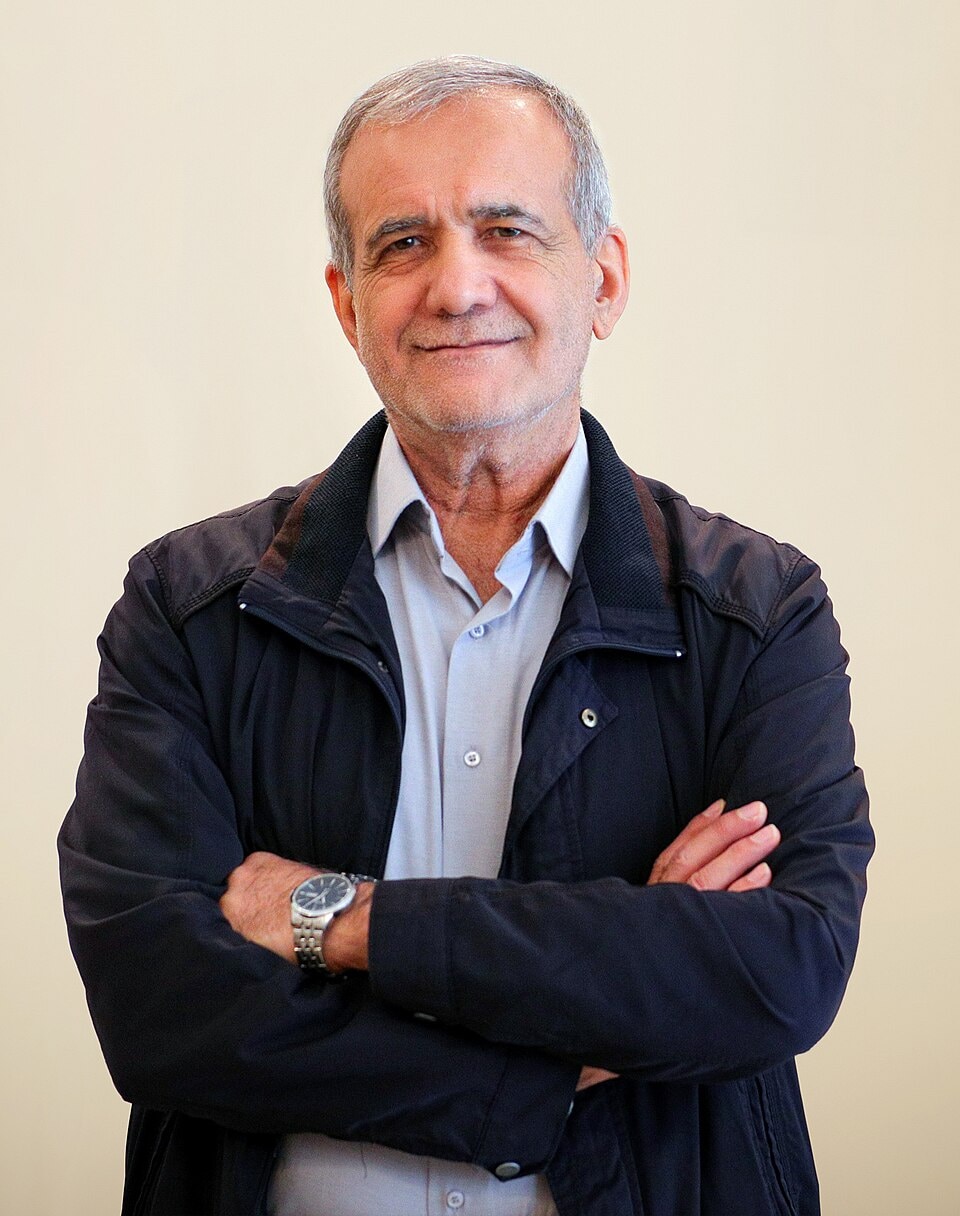
Join the community
fans discussing