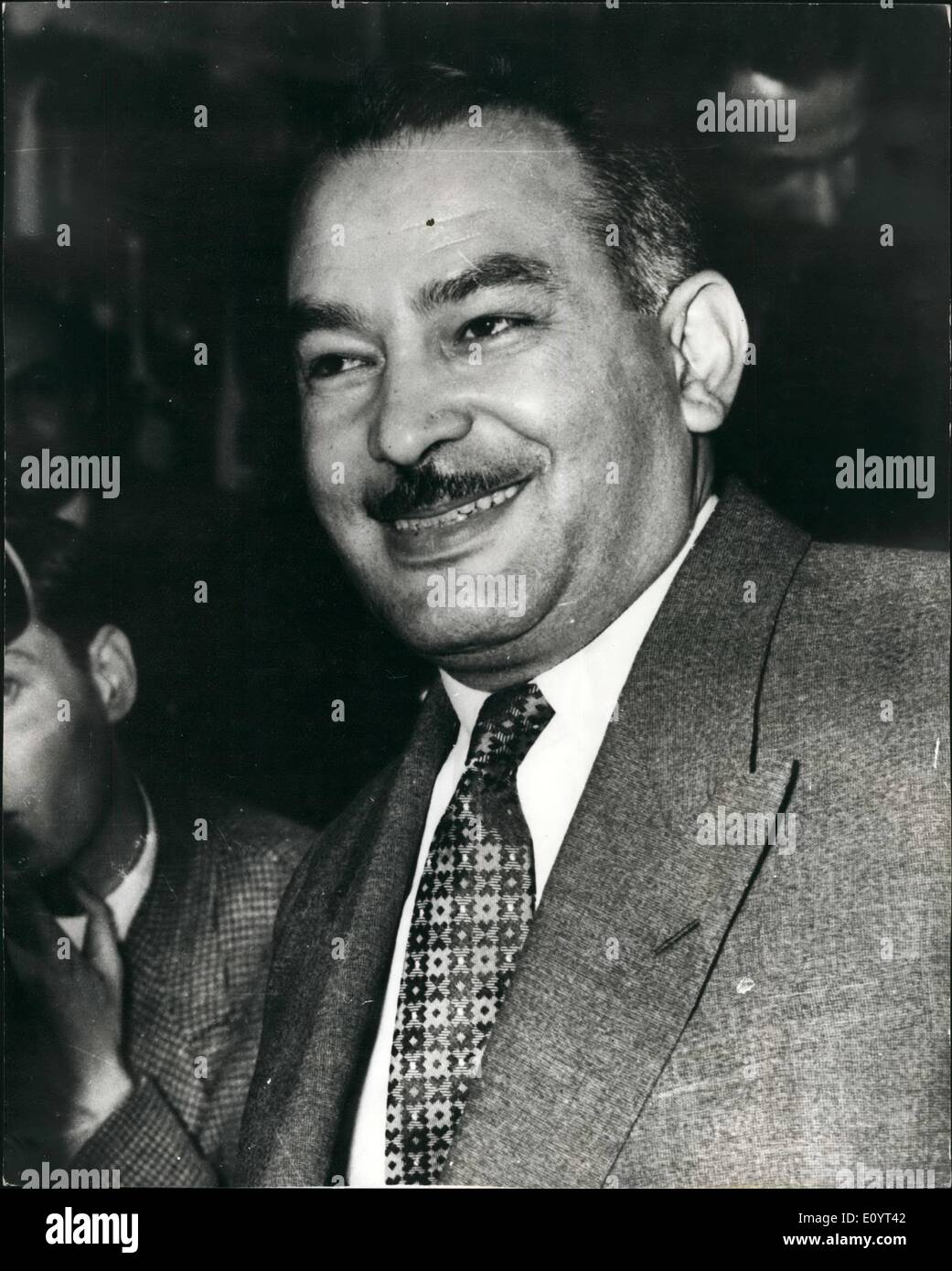
Ali Sabri
 Egypt
EgyptBirthday
August 30, 1920
Birth Sign
Virgo
Birthplace
Sharqia Governorate, Egypt
Age
Died at 70
About
Ali Sabri was an Egyptian politician and military officer who served as the fifth vice president of Egypt during two separate terms. Born in the Sharqia Governorate on August 30, 1920, he rose through the ranks of the military and government to become one of the most influential figures in the country during the 1960s and early 1970s.
Sabri was a key loyalist to President Gamal Abdel Nasser, and his political career was defined by his opposition to Anwar Sadat's policy shifts. He was removed from power in 1971 during Sadat's Corrective Revolution and spent his remaining years out of the political spotlight. He died in Cairo on August 3, 1991, at the age of 70.
Early Life & Background
Ali Sabri was born into one of Egypt's old, respected families of Turkish descent, a lineage that connected him to the country's Ottoman-era elite. He was educated at a Catholic school in Cairo, a detail that reflects the cosmopolitan opportunities available to the upper class in early 20th-century Egypt.
Following his education, Sabri pursued a military career, rising through the ranks of the Egyptian armed forces. His military background placed him within the circles that would eventually overthrow the monarchy in 1952, setting the stage for his later political ascent. By the 1950s, he had become part of President Gamal Abdel Nasser's inner circle, a position that would define his political trajectory.
Career Growth
Ali Sabri's political career took off after the 1952 revolution, as he became part of President Gamal Abdel Nasser's inner circle. He served as Egypt's vice president from 1965 to 1968, and again from 1970 to 1971 under Anwar Sadat. His second term was cut short when he was purged during Sadat's Corrective Revolution, which targeted Nasser loyalists.
Sabri was arrested and imprisoned, effectively ending his political influence. He remained a controversial figure in Egyptian history, remembered for his staunch opposition to Sadat's peace initiatives with Israel. His career spanned a period of significant regional conflict, including the 1967 Six-Day War and its aftermath.
Career Timeline
Public Image & Style
Ali Sabri was perceived as a staunch Nasser loyalist and a key figure in Egypt's post-revolutionary political establishment. His public image was that of a military officer turned politician, dedicated to the ideals of the 1952 revolution. Historical assessments of his legacy are shaped by his opposition to Sadat's policies, and he is remembered as a symbol of the era's political struggles. His role in the power struggles following Nasser's death in 1970 further cemented his image as a defender of Nasserist ideology.
Fame & Fandom
For decades, the legacy of Ali Sabri has been preserved not by a chorus of adoring fans or organized fan clubs, but through the steady attention of historians and political enthusiasts tracking the rise and fall of Egypt's post-revolutionary elite. While figures like Amjad Sabri of the Sabri Brothers have inspired deep cultural devotion, the Egyptian politician Ali Sabri does not command a specific fandom with a formal name, nor are there recorded rituals, viral campaigns, or fan-funded projects dedicated to his memory. His story remains one of historical gravity rather than pop-culture phenomenon, studied for its role in the power struggles following Nasser's death and the subsequent Corrective Revolution. The absence of a dedicated fanbase reflects his position as a statesman whose influence was confined to the corridors of government and the annals of history rather than the global stage of entertainment. Despite this lack of a modern celebrity following, his life continues to be a subject of serious inquiry regarding the complexities of Cold War-era Middle Eastern politics. As of August 2026, the iFANN Global Fame Engine has evaluated Ali Sabri, but he does not currently hold a placement in the published rankings. Consequently, no numeric rank or score is assigned to him within the Global Top 1,000 or any Top-100 scope list.
Interesting Facts and Legends
Ali Sabri was of Turkish descent, a heritage that integrated him into Egypt's historic ruling class. He received his education at a Catholic school in Cairo, an uncommon path for a Muslim political figure of his generation that highlighted the elite educational opportunities available to him. He uniquely served as vice president under two different presidents, Gamal Abdel Nasser and Anwar Sadat, across non-consecutive terms. A declassified CIA document confirms he was a subject of US intelligence interest during the Cold War, underscoring his strategic importance on the world stage. His second term as vice president lasted only about a year before he was purged during Sadat's consolidation of power. While some search results conflate him with the Sri Lankan politician Ali Sabry or the musical legacy of the Sabri Brothers, the Egyptian leader's own story includes no widely retold legends of crowd reactions or viral folklore. There are no documented stories of streets shutting down or iconic moments of fan interaction associated with his name. Instead, his enduring presence is defined by the stark reality of his political removal and his status as a symbol of the era's ideological battles.
Family & Personal Life
Ali Sabri came from one of Egypt's old, respected families of Turkish descent. His family's status placed him among the country's elite, though specific details about his parents and siblings are not widely documented. The family's prominence was rooted in the Ottoman-era ruling class, which had long influenced Egyptian politics and society.
Notable Connections
Relationships & Dating History
No information is available about Ali Sabri's romantic relationships or marriages. As a high-ranking political figure in mid-20th-century Egypt, his personal life was kept private, and the accessible sources do not document any partners or children. Given the cultural context of the era, such details were rarely publicized.
Death & Aftermath
Died
August 3, 1991 (aged 70)
Death Place
Cairo, Egypt
Cause of Death
Internal bleeding
Ali Sabri passed away in Cairo on August 3, 1991, at the age of 71. The official cause of death was internal bleeding, a condition reported by The Washington Post two days later. While specific details regarding his final medical treatment or any autopsy findings remain unrecorded in the public domain, the event was treated as a natural death without dispute or controversy. As a prominent Nasser loyalist who had been removed from power during Sadat's Corrective Revolution, Sabri spent his final years outside the political spotlight, and his passing did not trigger immediate public tributes, vigils, or statements from international officials that have been preserved in available records.
Since the cause was reported as internal bleeding rather than foul play or accident, no criminal or civil proceedings were initiated. Details regarding the date, location, or nature of the funeral or burial are absent from the provided search results.
The available text does not document fan gatherings or specific memorial landmarks dedicated to him immediately following his death in 1991.
Net Worth (Estate Value)
$1 Million
iFANN Editorial Team estimate
As a deceased Egyptian politician and military officer who lived from 1920 to 1991, Ali Sabri's financial details remain obscure to the public eye. His wealth would have been tied to his government positions and family inheritance, though no estate value or posthumous earnings are publicly available. Per iFANN's editorial analysis, the total net worth for Ali Sabri is estimated at $1 Million. No information about his personal assets has been disclosed in accessible sources, leaving the specifics of his financial standing to historical inference rather than documented records.
Awards & Accolades
Known For
Vice President of Egypt
1965-1968, 1970-1971 · Vice President
Keywords
Sources
Quick Facts
- Profession
- politician
- Born
- August 30, 1920
- Birthplace
- Sharqia Governorate, Egypt
- Died
- August 3, 1991
- Death Place
- Cairo, Egypt
- Gender
- Male
- Birth Sign
- Virgo
Personal Details
- Full Name
- Ali Sabri
- Education
- Catholic school in Cairo
Frequently Asked Questions
Who was Ali Sabri?
What happened to Ali Sabri?
Was Ali Sabri related to the Sabri family of Egypt?
How old was Ali Sabri when he died?
What role did Ali Sabri play in Egyptian politics?
Similar People
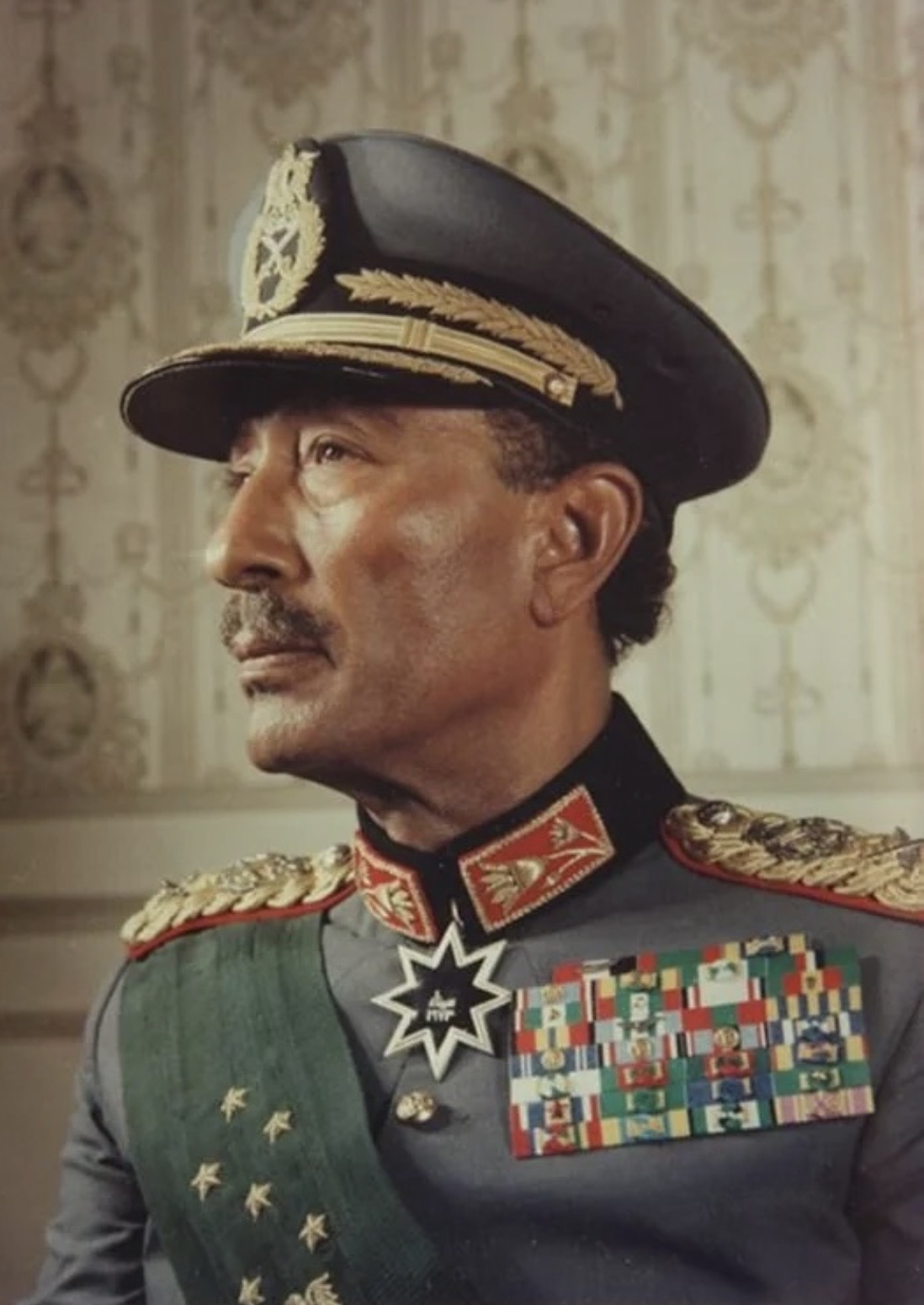
Join the community
fans discussing