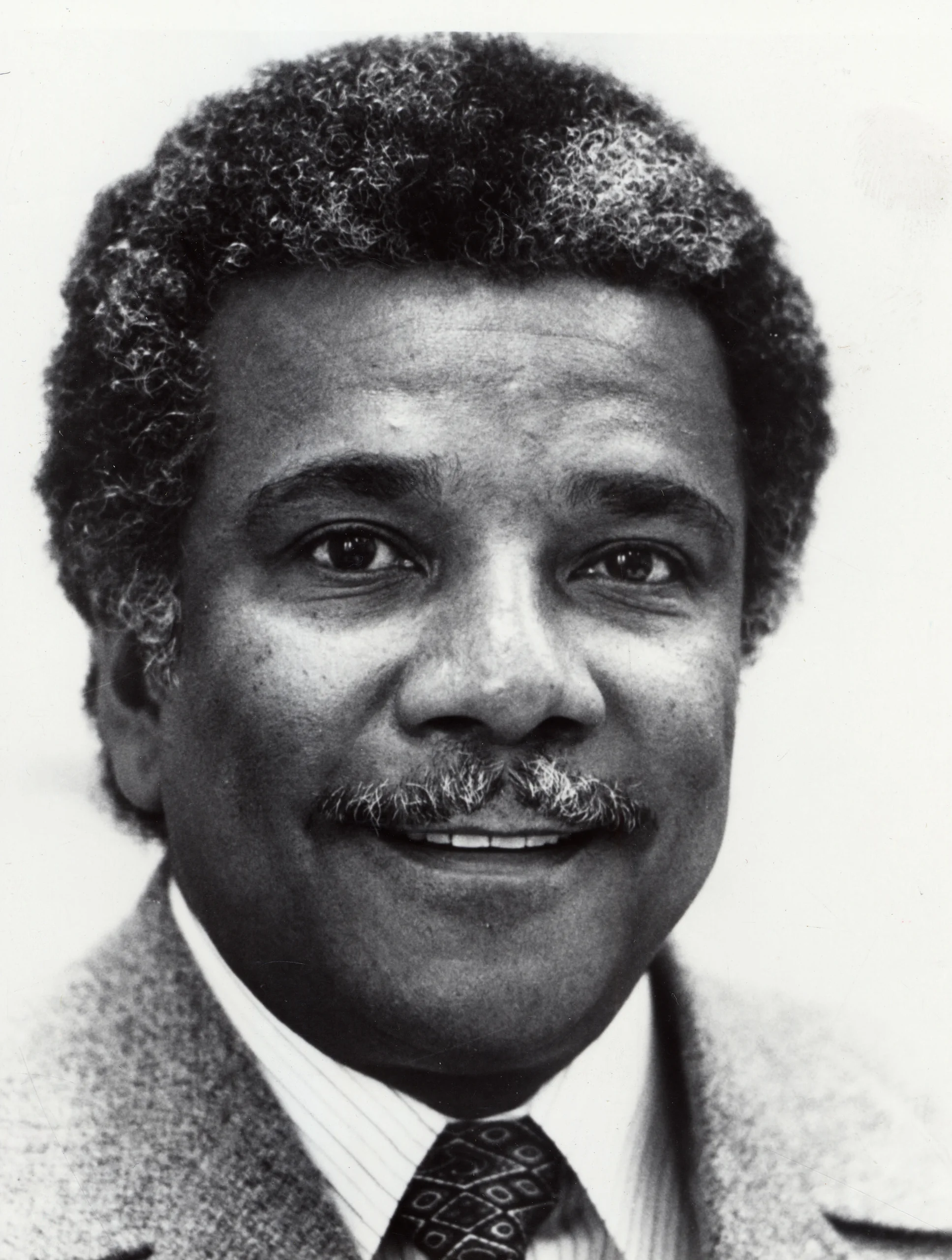
Ali Mazrui
 Kenya
KenyaAcademic•political scientist•writer•and television presenter
Also known as: Ali Al'amin Mazrui, Professor Ali Mazrui
Birthday
February 24, 1933
Birth Sign
Pisces
Birthplace
Mombasa, Kenya
Age
Died at 81
About
Ali Al'amin Mazrui was a Kenyan-born American academic, political scientist, and public intellectual whose work spanned African and Islamic studies, international relations, and cultural theory. He held professorships at Makerere University, the University of Michigan, and Binghamton University, where he served as the Albert Schweitzer Professor in the Humanities and directed the Institute of Global Cultural Studies. Mazrui reached global audiences through his 1986 BBC/PBS television series The Africans: A Triple Heritage, which examined the interplay of indigenous tradition, Islam, and Western influence on the continent. His numerous books, including The Africans and Cultural Forces in World Politics, continue to be cited in debates about global governance and cultural pluralism.
Mazrui's intellectual style was provocative and interdisciplinary, earning him both admiration and criticism. He was a bridge-builder between civilizations, insisting on the centrality of culture in world affairs. After his death in 2014, his ideas remain influential, with scholars still engaging his frameworks in discussions about China-Africa relations and UN reform. His legacy is honored through the Ali Mazrui Award for public scholarship.
Early Life & Background
Ali Mazrui was born on February 24, 1933, in Mombasa, Kenya, into a family with deep roots in the coastal Swahili-Arab intellectual tradition. His father, a prominent Muslim scholar, served as the chief Islamic judge (Kadhi) of Kenya, a position that placed the family at the heart of religious and political life. The Mazrui dynasty had governed Mombasa for over two centuries before British rule, a heritage that shaped young Ali's awareness of power, culture, and colonialism.
He received his early education in Quranic schools before attending Alliance High School in Nairobi, one of Kenya's most elite institutions. His academic promise took him to England, where he earned a degree in political science from the University of Manchester. He then crossed the Atlantic for a master's at Columbia University in New York, before completing his doctorate at Oxford University. His doctoral research focused on the political sociology of East Africa, setting the stage for a career that would examine the intersections of African, Islamic, and Western civilizations.
Before his academic breakthrough, Mazrui returned to East Africa in the early 1960s to teach at Makerere University in Uganda. He quickly rose to head the political science department, a position that allowed him to develop his ideas about post-colonial state-building and the role of the military in African politics. These formative years in Kampala, a hub of intellectual ferment, honed his skills as a lecturer and debater, preparing him for the international stage he would later command.
Career Growth
Mazrui's career took a decisive turn in 1974 when he joined the University of Michigan as a professor of political science. Over the next decade, he became a leading voice in African studies, publishing influential works like Africa's International Relations (1973) and A World Federation of Cultures (1976). His reputation as a provocative thinker grew, and in 1984 he was appointed director of the Center for Afro-American and African Studies.
The breakthrough moment came in 1986 with the release of The Africans: A Triple Heritage, a nine-part documentary series he wrote and presented for the BBC and PBS. The series, which explored the three cultural influences on Africa, reached an estimated audience of millions and made Mazrui a household name in intellectual circles. It was both celebrated for its ambition and criticized by some conservative commentators for its critical view of Western colonialism. The companion book, also titled The Africans, became a standard text.
In 1991, Mazrui moved to Binghamton University, where he took up the Albert Schweitzer Professorship and directed the Institute of Global Cultural Studies. He continued to publish extensively, including Cultural Forces in World Politics (1990) and Islam Between Globalization and Counter-Terrorism (2006). He lectured globally, in English, Swahili, and Arabic, and remained a sought-after commentator on African and Islamic affairs until his death in 2014.
Career Timeline
Public Image & Style
Ali Mazrui was known for his distinctive intellectual style: provocative, interdisciplinary, and unafraid of controversy. He was a commanding orator who could hold audiences spellbound with his eloquence and wit. His work was characterized by what one tribute called provocative and wide-ranging contributions to political theory.
His public image was that of a bridge-builder between civilizations, a Muslim scholar who could explain Africa to the West and the West to Africa. He insisted that Islam was an integral part of African identity, a stance that made him a polarizing figure in some circles. Celebrated by those who appreciated his nuanced view of colonialism and globalization, he was criticized by others who saw his work as too sympathetic to Islamic perspectives or too critical of Western interventionism.
Mazrui was equally comfortable in academic journals, television documentaries, and public lectures, making him one of the most accessible major intellectuals of his generation.
Fame & Fandom
Ali Mazrui never courted the adulation reserved for pop stars, yet his intellectual footprint carved a path through global discourse that remains distinctively influential. His audience was not a collective of enthusiasts chanting slogans but a dispersed community of scholars, students, and policymakers who engaged with his provocative theories on African identity, Islamic heritage, and Western influence. There is no formal name for this group, nor are there organized campaigns or fan rituals; instead, his legacy lives in the quiet reverence of academic circles and the enduring relevance of his televised lectures. While he did not command the stage like a rock icon, his ability to hold audiences spellbound with eloquence turned every lecture into a moment of shared discovery, creating a unique bond between the scholar and the public mind. The reach of his work extends far beyond the pages of his books or the screens of his documentaries. His ideas continue to shape debates on global governance and cultural theory decades after their initial publication. This sustained resonance has placed him firmly within the hierarchy of global figures recognized by the iFANN Global Fame Rankings. According to these assessments, Ali Mazrui holds the position of the 54th most famous person from Kenya, a standing he has maintained steadily since the previous cycle. These rankings reflect a broad spectrum of global attention, tracking how his contributions permeate media coverage, scholarly consumption, and digital engagement worldwide.
Interesting Facts and Legends
The Mazrui family name carries centuries of weight, tracing back to the dynasty that ruled Mombasa and parts of the East African coast for over two centuries before British colonization arrived. Religious scholarship ran deep in his bloodline; his father served as the chief Islamic judge of Kenya, setting a tradition of legal and theological excellence that Ali would carry forward. He was a rare polyglot among academics, working fluently in English, Swahili, and Arabic, and delivering lectures across the globe in all three languages. His pioneering work in international relations argued that culture held equal sway to economics and politics in shaping world affairs. In 1976, his analysis of UN reform anticipated modern debates about global governance that remain urgent today. Described simultaneously as a teacher, orator, journalist, filmmaker, and public intellectual, he possessed a combination of skills few academics ever achieve. While no viral legends or crowd-disrupting moments define his life, his reputation as a bridge-builder between civilizations stands as the most enduring story of his career, one where his words alone could shift perspectives across continents.
Notable Quotes
“Africa's triple heritage cannot be understood in isolation from one another.”
“The cultural factor is as important as economics and military power in shaping world order.”
“We must build bridges between civilizations, not walls.”
Family & Personal Life
Ali Mazrui was born into a distinguished Muslim family in Mombasa, Kenya. His father, whose name is not widely documented, served as the chief Islamic judge (Kadhi) of Kenya, a role that placed the family at the center of religious and political life. The Mazrui dynasty had a long history of leadership in the region, with ancestors having ruled Mombasa before British colonial rule.
Mazrui was married and had children, though details of his family life remained largely private throughout his career. His obituaries in major publications note that he was survived by his wife and children, but their names and specific details were not publicly disclosed. His family's heritage of scholarship and political leadership profoundly shaped his worldview and his commitment to examining the intersections of African, Islamic, and Western civilizations.
Notable Connections
Ali Mazrui was associated with several institutions and individuals throughout his career. He held professorships at Makerere University, the University of Michigan, and Binghamton University. At Binghamton, he worked with colleagues at the Institute of Global Cultural Studies. His father, the chief Islamic judge of Kenya, was a formative influence. In his later years, his legacy was carried forward by scholars like Professor Anne Bailey, who received the Ali Mazrui Award in 2025.
Relationships & Dating History
Public information about Ali Mazrui's romantic relationships is extremely limited. He was married for most of his adult life, but his wife's name and the details of their relationship were not widely publicized in the available sources. He is known to have had children, though their names and details are not extensively documented.
His obituaries in major publications such as The New York Times, The Guardian, and Cornell University's news service focus exclusively on his intellectual legacy and professional achievements. As of his death on October 12, 2014, Mazrui was married; he was survived by his wife and children.
- MarriedWife (name not publicly documented)? - 2014Mazrui was married for most of his adult life; his wife survived him at the time of his death.
Death & Aftermath
Died
October 12, 2014 (aged 81)
Death Place
Vestal, New York, USA
Cause of Death
Illness consistent with old age
Ali Al'Amin Mazrui passed away on October 12, 2014, in Vestal, New York, at the age of 81. Reports from institutions like the African Studies Association and The Guardian indicate he died following a period of illness consistent with his advanced age, though no specific diagnosis was publicly confirmed in official records. The circumstances surrounding his death were treated as a private family matter without any reported disputes, legal investigations, or foul play. His passing was handled as a natural death, and no police inquiries or trials emerged in the immediate aftermath.
The global reaction reflected his stature as a towering figure in African intellectual history. Tributes poured in from major institutions, including a formal statement from the African Studies Association describing him as arguably the most connected and best-known African scholar for decades. The Brookings Institution published an In Memoriam piece highlighting his role as a prominent voice of the post-colonial generation, while Al Jazeera and Voice of America ran features remembering him as a great Pan-Africanist and the creator of the documentary series The Africans: A Triple Heritage. Major outlets such as The New York Times, The Guardian, and the BBC also published extensive obituaries marking the magnitude of the loss.
Mazrui was buried in the United States, though specific dates for public ceremonies were not widely detailed. His legacy was immediately honored through academic platforms rather than commercial ventures. The University of Johannesburg established the Ali Mazrui Centre for Higher Education Studies, which later hosted the inaugural Ali Mazrui Black Archive Annual Lecture. Additionally, the New York African Studies Association awards the Ali Mazrui Award to scholars for work in public history, ensuring his ideas remain central to African studies curricula.
Net Worth (Estate Value)
$5 Million
iFANN Editorial Team estimate
Ali Mazrui's financial standing at the time of his passing in 2014 remained modest by celebrity standards, reflecting a lifetime dedicated to academia rather than commercial enterprise. His income flowed primarily from his university salary, book royalties, and fees for speaking engagements. Serving as the Albert Schweitzer Professor at Binghamton University provided a comfortable academic foundation, while his extensive bibliography ensured a steady stream of royalties long after publication. Following his death, his estate continued to generate revenue through the ongoing sales of key works such as The Africans and Cultural Forces in World Politics. Although his intellectual legacy sparked posthumous honors and sustained scholarly interest, it did not translate into significant commercial ventures. Per iFANN's editorial analysis, as of 2026, his estate is estimated to be worth around $5 Million, based on the cumulative royalties and academic earnings accumulated throughout his distinguished career.
Awards Won (1)
Ali Mazrui received numerous honors throughout his career, though specific awards are not comprehensively documented. He held the prestigious Albert Schweitzer Professorship at Binghamton University, an endowed chair recognizing his scholarly distinction. He also received multiple honorary doctorates from universities around the world. His legacy is honored through the Ali Mazrui Award, established by the New York African Studies Association.
1991 · Academic Chair
Binghamton University
Known For
The Africans: A Triple Heritage
1986 · Creator and Presenter
Cultural Forces in World Politics
1990 · Author
Africa's International Relations
1973 · Author
Keywords
Sources
Quick Facts
- Profession
- Academic, political scientist, writer, television presenter
- Born
- February 24, 1933
- Birthplace
- Mombasa, Kenya
- Died
- October 12, 2014
- Death Place
- Vestal, New York, USA
- Gender
- Male
- Birth Sign
- Pisces
- Education
- University of Manchester, Columbia University, Oxford University
- Known For
- The Africans: A Triple Heritage (1986)
Personal Details
- Full Name
- Ali Al'amin Mazrui
- Spouse
- Wife's name not publicly documented
- Children
- Children (names not publicly documented)
- Education
- University of Manchester (BA), Columbia University (MA), Oxford University (DPhil)
Filmography
1
Total
0
Film
1
TV
Frequently Asked Questions
Who was Ali Mazrui?
What was Ali Mazrui's net worth?
Where was Ali Mazrui born?
What did Ali Mazrui study?
When and where did Ali Mazrui die?
Similar People
Join the community
fans discussing