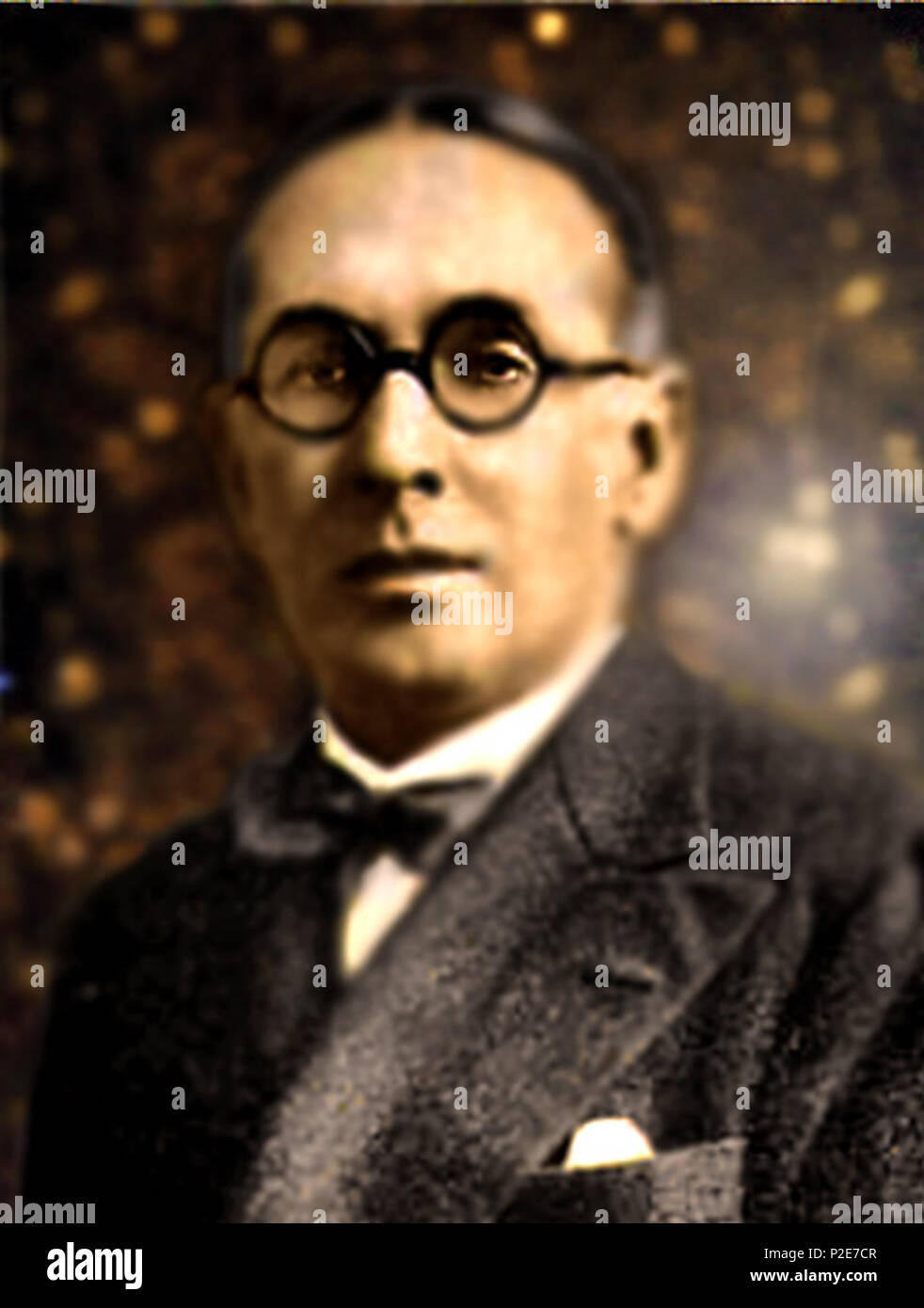
Alfonso López Pumarejo
 Colombia
Politician•economist•journalist
Also known as: Alfonso Lopez Pumarejo, El pollo
Birthday
January 31, 1886
Birth Sign
Aquarius
Birthplace
Honda, Tolima, Colombia
Age
Died at 73
About
Alfonso López Pumarejo was a Colombian politician, economist, and journalist who served as the 16th and 18th president of Colombia. He held office from 1934 to 1938 and again from 1942 to 1945, becoming the second Colombian president to serve two non-consecutive terms. He is best remembered for his ambitious reform program known as the "Revolution on the March," which sought to modernize the state and advance social justice.
López Pumarejo's legacy is that of a modernizer who championed secular education, labor rights, and constitutional reform. His influence extended beyond his presidency, as his son Alfonso López Michelsen also became president of Colombia in 1974. He died in London on November 20, 1959, at the age of 73.
Early Life & Background
Born into a prominent family in Honda, a river port in the Tolima department, López Pumarejo grew up surrounded by business and politics. His father, a successful merchant, instilled in him an early interest in commerce and public affairs. He pursued studies in economics and journalism, which would later serve as the foundation for his political career.
In his early adulthood, López Pumarejo worked as a journalist and economist, building a reputation as a sharp analyst of Colombian society. He also managed family estates, gaining firsthand experience as a landowner and businessman. These roles exposed him to the realities of rural Colombia and the struggles of workers, shaping his reformist convictions.
By the 1920s, he had become a prominent figure within the Liberal Party, known for his intellectual rigor and progressive ideas. His writings and speeches attracted attention, and he quickly rose through the party ranks, setting the stage for his eventual presidential run.
Career Growth
López Pumarejo assumed the presidency in August 1934, launching the "Revolution on the March", a sweeping agenda that aimed to modernize Colombia. His first term saw the implementation of labor reforms, the establishment of social security systems, and the expansion of housing programs. He also pushed for constitutional changes that separated education from church control, a controversial move that defined his tenure.
His second term, beginning in 1942, continued these reforms but was plagued by political instability. Facing opposition from conservative factions and internal party disputes, he resigned in 1945, becoming the second Colombian president to do so. Despite the abrupt end, his policies left a lasting mark on the nation's social and economic framework.
After leaving office, López Pumarejo remained an influential elder statesman, advising on political matters and writing on economic issues. His son's election to the presidency in 1974 cemented the family's political legacy, making them one of Colombia's most prominent political dynasties.
Career Timeline
Public Image & Style
López Pumarejo was perceived as a cerebral and modernizing leader, often described as a "thinker" and "academic" in addition to his political roles. He was known for his elegant demeanor and intellectual approach to governance, which set him apart from more populist contemporaries. His advocacy for secular education and social reform earned him both fervent supporters and staunch critics, particularly among conservative circles.
In Colombian historiography, he is often portrayed as a visionary who sought to drag the country into the 20th century. His nickname, "El pollo" (The Chicken), hints at a more approachable side, though it is rarely used in formal accounts. Today, his image is that of a progressive statesman whose reforms continue to influence Colombian politics.
Fame & Fandom (iFAMOUS Rankings)
Alfonso López Pumarejo commands a global audience defined by historical reverence rather than contemporary celebrity. His attention is sustained by academic study and political history, distinguishing him from modern entertainers who rely on viral cycles. In August 2026, the iFANN Global Fame Engine evaluated his standing and determined that he does not currently hold a placement in the published rankings, including the Global Top 1,000 or any Top-100 scope list. Consequently, no ordinal rank or numerical score can be assigned to his current fame level. While he lacks a formal fanbase with an organized name or specific rituals, his legacy endures through the collective memory of those who study the Revolution on the March. There are no documented fan clubs, birthday campaigns, or social media movements dedicated to his person. The absence of a named fandom reflects the nature of his influence; he is revered as a statesman and reformer rather than idolized as a pop culture icon. Historical institutions and educational bodies maintain his memory, but these efforts differ fundamentally from the active participation seen in entertainment fandoms. No viral incidents or extraordinary crowd reactions characterize his public image today, as his impact was structural and legislative. The search for his name yields results related to Colombian history and political science rather than fan-driven content. This lack of a formal fandom name is consistent with the reality that his admirers are citizens and scholars engaged with his policies, not fans engaging in cultural performance. The iFANN assessment confirms that while his name remains recognizable in Colombia and among historians, it does not translate to a quantifiable rank in the current global fame metrics.
Interesting Facts and Legends
Born into a prominent family, Alfonso López Pumarejo served two non-consecutive terms as President of Colombia, becoming only the second leader to achieve this feat. His tenure is most famously associated with the 'Revolution on the March,' a sweeping series of reforms enacted between 1934 and 1938 that modernized the state and advanced labor rights. This period remains the central mythos of his career, transforming Colombian society through secular education and constitutional changes. Historians have recently re-evaluated his ideological stance, noting that within the context of the Liberal Republic, he and his allies were effectively considered 'of the left.' A somber chapter of his life involved his final years spent in exile; he died in London on November 20, 1959, far from the country he sought to transform. Unlike modern celebrities, he has no recorded instances of crowds fainting or streets shutting down due to personal appearances. His influence extended beyond his own presidency, as his son, Alfonso López Michelsen, also became president of Colombia in 1974. The airport in Valledupar bears his name, serving as a permanent physical reminder of his legacy, though recent news regarding the facility focuses on operational logistics rather than tributes. There are no stories of fan rituals or inside jokes surrounding his life, as his public persona was strictly that of a cerebral politician and intellectual.
Notable Connections
Alfonso López Pumarejo's political life was intertwined with key figures of his era. His wife, María Michelsen de López, stood by him throughout his career. His son, Alfonso López Michelsen, followed him into politics, becoming president in 1974. He was also allied with Darío Echandía, a fellow Liberal reformer, and his presidency was compared to that of Rafael Núñez, the only predecessor who also served two non-consecutive terms.
Relationships & Dating History
Alfonso López Pumarejo married María Michelsen de López in the early 20th century, and the couple remained together until his death. María was the mother of his children, including Alfonso López Michelsen, who later became president of Colombia. Their marriage was a partnership that endured the demands of political life, with María providing support during his two presidencies.
Public records from the era provide no evidence of other romantic relationships. At the time of his death on November 20, 1959, he was still married to María, who survived him.
- MarriedMaría Michelsen de López1900 - 1959Married for decades, they had children including future president Alfonso López Michelsen.
Death & Aftermath
Died
November 20, 1959 (aged 73)
Death Place
London, United Kingdom
Cause of Death
Unknown
Following his tenure as a prominent elder statesman and advisor, Alfonso López Pumarejo resided in London during the final years of his life. Public reaction to his demise was measured by the gravity of his contributions rather than immediate outpourings of grief. While later analyses cement his status as one of Colombia's most influential leaders, contemporary records do not document specific tributes, vigils, or formal memorials held immediately following his death in England. The absence of detailed funeral reports suggests a private conclusion to his final days, leaving the precise location of his interment and the composition of any service undocumented in standard biographical sources.
His legacy endured through institutional recognition long after his departure from the political stage. The main airport in Valledupar bears his name as the Alfonso López Pumarejo Airport, serving as a permanent geographic marker of his impact. His family maintained their prominence within the nation's political landscape, notably with his son Alfonso López Michelsen ascending to the presidency in 1974, thereby extending the family's influence for another generation.
Net Worth (Estate Value)
$5 Million
iFANN Editorial Team estimate
As a historical figure who passed away in 1959, Alfonso López Pumarejo's net worth is not a subject of modern financial tracking. During his lifetime, he was a wealthy landowner and businessman, with holdings in agriculture and commerce. His family's prominence in Colombian society suggested significant wealth, though specific figures are not documented in available sources. His estate, managed by his descendants, has not been reported to generate substantial ongoing revenue. The primary value of his legacy lies in his political contributions rather than financial assets. Per iFANN's editorial analysis, the total estimated net worth for Alfonso López Pumarejo stands at $5 Million. In 2026, any assessment of his net worth remains purely speculative.
Awards & Accolades
View 4 records, honours and achievementsKnown For
Revolution on the March
1934 · Architect
Presidency of Colombia
1934-1938 · President
Presidency of Colombia
1942-1945 · President
Keywords
Sources
Quick Facts
- Profession
- Politician, economist, journalist
- Born
- January 31, 1886
- Birthplace
- Honda, Tolima, Colombia
- Died
- November 20, 1959
- Death Place
- London, England
- Gender
- Male
- Spouse
- María Michelsen de López
- Children
- Alfonso López Michelsen
- Political Party
- Liberal Party
- Presidential Terms
- 1934-1938, 1942-1945
- Nickname
- El pollo
Personal Details
- Full Name
- Alfonso López Pumarejo
- Spouse
- María Michelsen de López
- Children
- Alfonso López Michelsen
Frequently Asked Questions
Who was Alfonso López Pumarejo?
What was the 'Revolution on the March'?
How many times was Alfonso López Pumarejo president of Colombia?
Did Alfonso López Pumarejo have a son who was also president?
When and where did Alfonso López Pumarejo die?
Join the community
fans discussing